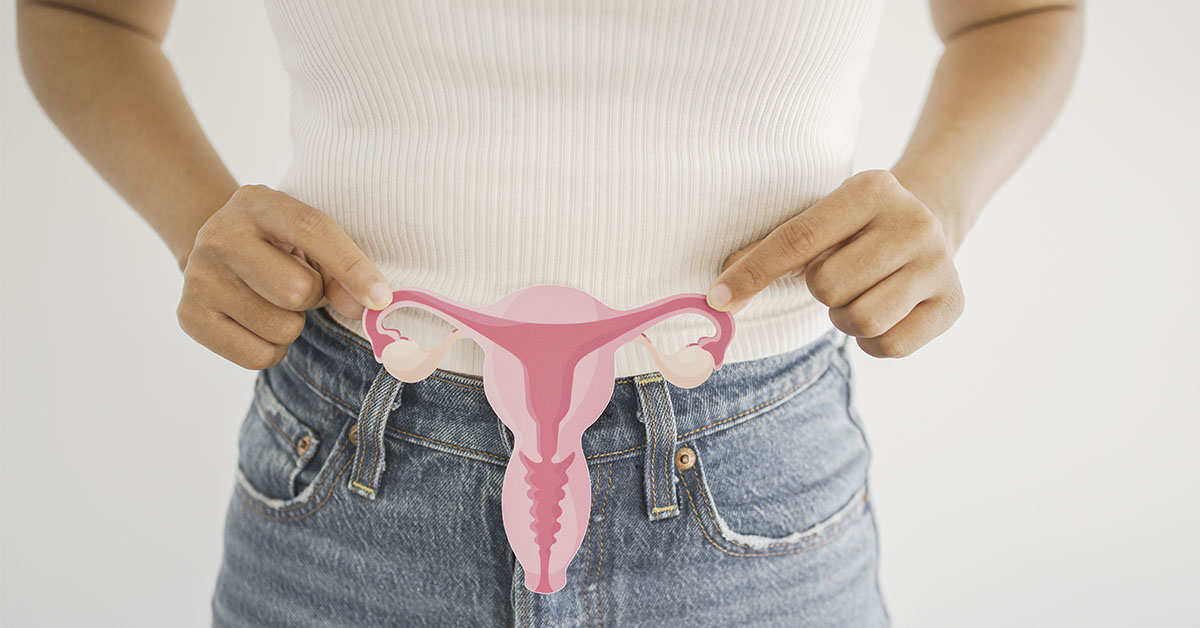

Most couples want good health to be part of their future together, but many do not realize how certain intimate behaviors can influence a woman’s wellbeing over time. Some habits feel small in the moment, yet they shape the environment that a woman’s body responds to every day. Husbands who pay attention to the choices they make can protect their partner from infections, discomfort, and stress that may build up quietly.
Relationships grow stronger when both people understand how their actions affect one another. This includes habits that happen during intimacy and in daily life. When a husband takes these issues seriously, it shows care and creates a safer foundation for long term health.
Why a Husband’s Choices Affect Long Term Health
A woman’s reproductive system can react strongly to changes around her, and her partner plays a big part in that environment. Even simple decisions can affect the body. Smoking near a partner can weaken her immune system. Skipping testing after a new exposure can allow silent infections to spread. A lot of these things happen quietly, which is why awareness matters.
Couples share bacteria, viruses, stress levels, and routines without even thinking about it. When one person changes a habit, the other often feels the effect. This is why health experts describe relationships as shared ecosystems. A husband’s choices shape that ecosystem as much as his partner’s do. When he understands this, he gains more control over the environment they build together.

Healthy intimacy depends on more than passion. It grows from safety, communication, and trust. Some men worry that discussing risks might harm the romantic side of the relationship, but it usually does the opposite. When both people feel protected, intimacy becomes more comfortable. This awareness fits into what some call private relationship habits, which are the small routines that affect closeness and health. Learning about these habits helps couples stay connected without fear or confusion.
High Risk Sexual Habits to Avoid
One of the strongest predictors of HPV exposure is the number of lifetime sexual partners. HPV spreads through skin contact, and most people never notice when they have it. Many infections clear naturally, but persistent high-risk strains can cause cervical changes. When a husband has multiple partners or engages in unprotected encounters, he increases the chance of introducing new strains into the relationship. Even a single risky moment can create long-term consequences because HPV may stay silent for years.
Choosing monogamy lowers these risks. When both partners commit to the relationship, the health benefits are real. Stress levels fall, and the body responds better to small challenges. Men who understand this often feel more confident about maintaining habits that protect both spouses. It becomes a shared commitment instead of a rule.
Protection also matters. Condoms help reduce exposure to most infections, even though they do not completely block HPV. Still, they lower viral load and help prevent other diseases like chlamydia and gonorrhea. These infections may appear mild in men, but they can cause inflammation and pain in women. Using condoms during new or uncertain situations shows responsibility and care.

Timing also plays a role. Research shows that women who become sexually active before age eighteen face higher long-term risks because the cervix is still developing. While husbands cannot change their partner’s past, this information highlights the need for respect and communication in adult relationships as well. Gentle pacing reduces micro tears and irritation, which lowers the chance of infection. These ideas all connect to personal practices that help create safer intimacy.
Infection Prevention and Honest Communication
Many infections spread easily even when symptoms are mild or absent. Men often feel fine while carrying bacteria or viruses that cause significant issues for women. Chlamydia and herpes are two examples. They may appear silent in men, yet they can lead to discomfort, inflammation, or cervical changes in women. Ignoring symptoms such as burning, itching, sores, or discharge increases risk for both partners.
Regular testing protects the relationship. It confirms health status and encourages calm, honest communication. When husbands choose testing after new exposures or before ending condom use, they help remove uncertainty. Avoiding testing creates the opposite effect. It leaves questions unanswered and may delay treatment.

Honesty about past infections is also important. Some men hide this information because they fear judgment, but withholding it keeps a partner from making informed choices. A woman exposed to certain infections may need more frequent screenings or may want to take protective measures during outbreaks. When information stays hidden, her options shrink.
This also applies to active symptoms. Cold sores, rashes, and other lesions often carry high viral loads. Continuing intimacy during those moments increases transmission risk. Talking openly about symptoms protects both people and keeps trust strong. Understanding how HPV works also helps. HPV spreads through skin contact, not only intercourse. Men can carry it for years without knowing. When couples understand this, they make better decisions together and avoid unnecessary blame.
Lifestyle Habits That Influence Cervical Health
Sexual choices are not the only factors that shape long-term reproductive health. Lifestyle habits also matter. Smoking is one of the strongest contributors to cervical cell damage. Chemicals in tobacco weaken immune response and make it harder for the body to clear HPV. For women who already have HPV, smoking increases the chance of persistent infection. Even secondhand smoke carries risks.
Immune strength affects how quickly the body recovers from infections. Diet, sleep, alcohol intake, and stress all influence immunity. When husbands maintain unhealthy habits, those patterns often spread to the household. Couples share meals and schedules, so lifestyle choices blend together. Improving habits helps both partners feel better and lowers long term risk.

Stress also plays a role. Chronic stress weakens the immune system and makes it harder to fight infections. A tense home environment affects emotional health and can contribute to physical issues. Husbands who support stress reduction indirectly support their partner’s reproductive system. Shared responsibilities, calm communication, and respect help reduce pressure. These actions create a healthier environment for both people.
Physical Comfort and Safe Intimacy Practices
Intimacy should feel safe and comfortable. When discomfort appears, it may signal friction, dryness, or pressure that causes micro tears. These small injuries often go unnoticed but can increase infection risk. Husbands who communicate during intimacy reduce these problems. Slowing down, adjusting position, or using lubrication when needed helps protect sensitive tissue.
Lubrication plays an important role. Stress, hormonal changes, breastfeeding, and some medications can reduce natural moisture. Husbands who overlook this may cause irritation or pain. A simple adjustment can change the whole experience and reduce long term risk.

Hygiene matters as well. Washing hands and keeping nails clean prevents bacteria transfer. Heavy fragrances in soaps can irritate sensitive skin, so mild products work better. Sharing items like razors or towels can spread bacteria. Keeping personal items separate reduces avoidable issues.
Support for Screenings, Vaccination, and Medical Care
Screenings such as Pap tests and HPV tests play a key role in preventing cervical cancer. They detect early changes that can be treated before serious problems develop. Many women feel nervous about these appointments. Some dislike the process. Others worry about results. When husbands show support, it becomes easier for their partner to stay consistent with screening schedules.
Encouraging vaccination is another meaningful step. The HPV vaccine protects against the most dangerous strains and can be given up to age forty five. When husbands get vaccinated, they reduce the chance of spreading HPV. Even if both partners are adults, vaccination still adds protection. It becomes part of thoughtful medical planning that benefits the whole relationship.
Supporting medical advice also matters. If a partner needs to rest or avoid intimacy during treatment, husbands should take those recommendations seriously. Ignoring medical instructions can slow recovery or create unnecessary stress. Respecting these guidelines shows care and prevents avoidable complications.
Respecting Boundaries and Emotional Responsibility
Intimacy depends on emotional safety as much as physical safety. When a partner feels unwell, pressured intimacy can cause resentment or discomfort. Husbands who respect boundaries support long-term trust. Waiting until both people feel ready leads to better experiences and reduces physical risk.
Communication helps couples navigate these moments. Some men avoid health conversations because they feel awkward, but silence creates confusion. Talking openly about concerns helps couples make decisions together. When both people feel heard, intimacy becomes smoother.
It also helps to avoid thinking of health as only a woman’s responsibility. A husband’s choices affect his partner directly. Many infections spread from people who feel perfectly healthy. Understanding this prevents blame and encourages teamwork. Close personal contact becomes healthier when both partners share responsibility.
Read More: What’s Causing That Itch? Top Reasons for Vaginal Discomfort—and How to Find Relief

Strengthening Long Term Health Through Shared Awareness and Growth
As couples move through different stages of life, their health needs often shift in ways that are not always obvious. A woman’s body responds to hormonal changes, aging, stress, and environmental factors, and these changes affect intimacy, too. Husbands who stay aware of these shifts can support their partner in ways that feel meaningful and reassuring. This does not require perfect knowledge. It only asks for curiosity and patience. When a partner notices small changes and responds with kindness, the relationship grows stronger.
Aging brings its own adjustments. Hormone levels may shift after pregnancy or during perimenopause, which can influence lubrication, comfort, and immune response. Some women feel more sensitive during these times. Others may find their body reacts differently to intimacy than it did a few years before. Husbands who understand these natural changes avoid taking them personally. Instead, they learn to adapt. They become more patient, more open to communication, and more aware of comfort levels. These small actions help lower tension and create a safer environment.
Another important part of long term health is learning what feels supportive for each partner. Some women feel more confident when their husband takes initiative with scheduling medical appointments or researching questions they feel unsure about. Others prefer emotional support rather than practical assistance. Understanding what type of help is welcome makes a difference. Asking simple questions like what makes you feel supported right now can guide the process. These conversations may feel awkward at first, but they usually become warm and reassuring once both partners understand the goal.

A couple’s physical and emotional bond improves when both people recognize that health and intimacy evolve over time. Instead of expecting everything to stay the same, husbands can lean into growth. They can choose habits that protect their partner even when they seem small. They can show interest in her comfort and communicate honestly during uncertain moments. These choices create a path of steady improvement. They also help both partners handle change without fear or frustration.
When couples approach health as a shared journey, they often discover a deeper level of connection. Intimacy becomes less about routine and more about understanding. It becomes a space where both people feel safe, supported, and valued. This approach strengthens the relationship and reinforces the foundation needed for long term wellbeing.
Building a Safer Future Together
Healthy relationships grow through small choices. When husbands adjust intimate behaviors and support their partner’s wellbeing, they create a future built on trust and understanding. Each thoughtful decision, whether it involves communication, testing, hygiene, or lifestyle changes, helps protect long-term health. These habits strengthen emotional connection and make intimacy more comfortable.
As couples move through life, their bodies and needs change. Staying aware of those changes keeps the relationship steady. When husbands choose actions that support their partner’s long-term wellness, they show love in one of the most meaningful ways. Together, they build a safer, calmer, and more connected future.
Disclaimer: This information is not intended to be a substitute for professional medical advice, diagnosis or treatment and is for information only. Always seek the advice of your physician or another qualified health provider with any questions about your medical condition and/or current medication. Do not disregard professional medical advice or delay seeking advice or treatment because of something you have read here.
Read More: These Are The Most Common Plastic Surgery Procedures Worldwide