

It’s one of those things that nobody really likes to talk about, but almost every woman experiences it at some point. That awkward vaginal itch can appear out of nowhere and sometimes makes daily life feel impossible. For many women, it’s harmless and fades away after a few days. For others, it just doesn’t stop and becomes annoying or even painful.
Vaginal discomfort often has simple causes like infections, dryness, or irritation, but it can sometimes point to deeper health problems that shouldn’t be ignored. Understanding what’s going on down there helps you figure out how to get relief faster.
Most cases of vaginal itching come from common, treatable reasons, but when it sticks around, you really need to pay attention. Below, we explore the main culprits, what to look out for, and how to calm that sensitive skin.
Why It Happens and What Could Be Behind It
The skin around the vulva is very sensitive, so it reacts to even small changes. Maybe it’s your laundry detergent, your underwear, or a new soap. Sometimes it’s hormones or even just stress. It’s hard to tell, but doctors usually see the same main reasons over and over again.
Yeast infections, bacterial vaginosis, skin irritation, hormonal changes, and in rare cases, skin conditions like lichen sclerosus are usually to blame. Let’s go through the most common ones, from the simple to the more serious.

Yeast Infections
A yeast infection is one of the top reasons for that constant itching and burning feeling. It happens when a fungus called Candida grows too much inside the vagina. It can cause redness, thick white discharge, and that unpleasant cottage cheese texture. Sometimes it hurts when you pee or have sex.
Antibiotics, tight clothes, or hormonal changes can make yeast infections more likely. The good thing is they’re easy to treat with antifungal creams or suppositories from the pharmacy. Still, if it keeps coming back, a doctor needs to take a closer look.
Bacterial Imbalance
Bacterial vaginosis is another big one. Instead of fungus, this one happens when the “good” bacteria get outnumbered by “bad” bacteria. BV can cause a fishy smell, thin gray discharge, and a mild vaginal itch that doesn’t quite go away. It’s not an STI, but it’s more common after douching or using scented soaps.
Doctors usually give antibiotics to balance things out. And it’s a good idea to avoid perfume-heavy products or washing too aggressively, which only upsets the pH balance more.
Everyday Irritation
Sometimes it’s not an infection at all, it’s just the skin reacting to something. Perfumed soaps, bubble baths, tight leggings, or synthetic underwear can all trap heat and moisture, leading to irritation. Even certain pads or toilet papers can cause trouble.
If the itch started after changing products, it’s smart to go back to basics. Wash gently with warm water or mild soap, wear cotton underwear, and give your skin a break from harsh products.
Hormone Changes
Hormones can also play a big role. When estrogen drops, especially after menopause or childbirth, dryness becomes common. The skin gets thinner and more fragile, which leads to discomfort. Some women notice burning or pain during sex.
Moisturizers or lubricants can help, and doctors sometimes prescribe low-dose estrogen creams to restore moisture. Staying hydrated and wearing loose clothing can make a difference too.
Skin Disorders
Now and then, that vaginal itch might be linked to something a bit more complicated, like lichen sclerosus. It’s a chronic skin condition that makes the vulva’s skin thin, shiny, and fragile. It can cause severe itching and even small cracks or bleeding. The skin might look wrinkled, like tissue paper.
Doctors say it’s more common in postmenopausal women and young girls. If untreated, it can scar the vulva and make the vaginal opening smaller, which causes pain with sex or urination. In rare cases, long-term lichen sclerosus can slightly raise the risk of vulval cancer.
Treatment usually involves prescription steroid ointments to calm the inflammation. Early care prevents long-term damage, so seeing a doctor quickly matters.
Vulval Cancer
On the more serious side, persistent itching can also be one of the first signs of vulval cancer, though it’s rare. This type of cancer usually affects older women, smokers, or those with untreated skin conditions or long-term HPV infections.
Warning signs include a lump or sore that doesn’t heal, skin that changes color, or bleeding that’s not from your period. Most cases are treatable when caught early, so if something looks or feels off, get it checked.
When Itching Connects to Infections
Sexually transmitted infections can sometimes cause itching too. Trichomoniasis, for example, comes with frothy yellow or green discharge and a strong smell. Genital herpes can start with tingling or itching before small blisters appear. Chlamydia and gonorrhea can both cause irritation, pain, or unusual discharge.
If you think an STI might be the reason, don’t guess. It’s better to visit a clinic or doctor for testing. Most infections clear up quickly with the right treatment, but leaving them too long can cause serious health issues later on.

Daily Habits That Make It Worse
A lot of women accidentally make their vaginal itch worse without realizing it. Wearing tight clothes, over-washing, or using fragranced wipes can keep the irritation going. Staying in wet swimsuits or gym clothes too long also traps bacteria and moisture.
Switching to breathable fabrics like cotton and avoiding strong soaps makes a big difference. Try washing only once or twice a day with water or a mild cleanser and skip douching altogether.
When It’s Time to See a Doctor
If that itch doesn’t calm down after a week or keeps coming back, it’s time to see a professional. Other red flags include thick discharge, bleeding, swelling, or pain during urination.
Doctors can do a simple exam, a swab, or even a small skin sample if needed. Getting the right diagnosis helps avoid using the wrong creams or treatments, which can make things worse.

Finding Relief and Keeping It From Coming Back
Preventing vaginal itching is mostly about being gentle and consistent. The vulva takes care of itself when you don’t interfere too much. Using plain, fragrance-free products, staying dry, and wearing comfortable underwear are small habits that make a big impact.
Here are a few things that help:
- Wash gently, not obsessively.
- Skip perfumed products and wipes.
- Wear cotton underwear and avoid tight clothes.
- Change out of sweaty clothes quickly.
- Use unscented moisturizers if the skin feels dry.
Stress, poor diet, and smoking can also play a role. Your immune system and hormones affect everything, including your skin. So getting enough rest and drinking water actually matters more than most people think.
Read More: The Complete Guide to Underwear & Your Health: What You Wear Down There Matters
Understanding Your Body
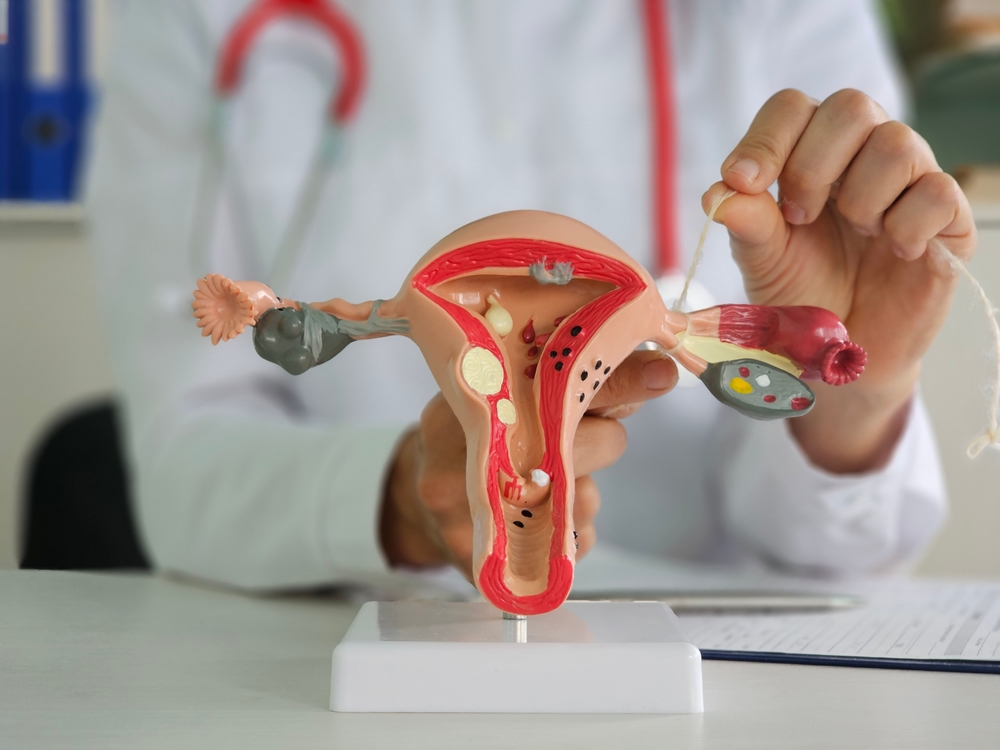
A lot of people mix up the words “vagina” and “vulva.” The vagina is the internal canal, while the vulva is the outer area with the labia and clitoris. Most itching happens on the vulva, not inside. Knowing this helps you describe symptoms better when you talk to your doctor.
Persistent vaginal itching can affect more than just comfort. It can cause embarrassment, loss of sleep, or even make intimacy stressful. Doctors say being open about it helps. Once the cause is found, relief usually comes fast.
Clearing Up Common Myths
There’s still a lot of confusion around vaginal health. Some people believe that douching or using scented sprays keeps things “fresh,” but doctors strongly advise against it. These habits throw off your vagina’s natural balance and can make infections more likely.
Another myth is that itching means you’re not clean enough. In fact, washing too much can dry out the skin and worsen irritation. The goal is gentle care, not over-cleansing.
Sometimes persistent itching comes from other conditions like eczema, psoriasis, or lichen planus. These are skin problems that can also affect the vulva. If you’ve tried everything and nothing helps, ask for a referral to a dermatologist or gynecologist who specializes in vulval care.
Taking Back Control
The good news is that most causes of vaginal itching are fixable with a little care and attention. The key is to notice changes early, use gentle products, and not feel embarrassed to ask for help.
Doctors who focus on women’s health remind people to check their vulvas regularly. Spotting color or texture changes early can prevent more serious issues later.
Paying attention to your body doesn’t just help with comfort; it builds confidence. It’s your body, and you deserve to feel good in it.

Final Thoughts
A vaginal itch might be uncomfortable and awkward, but it’s rarely something to panic about. From yeast infections to irritation or hormone changes, there’s usually a clear reason and an easy fix.
By listening to your body and getting help when things don’t improve, you can find relief and avoid long-term problems.
So next time that itch shows up, take it seriously but not fearfully. Treat your body kindly and stay alert for changes. Many people deal with it, and almost all find relief once they know what’s really going on.
Disclaimer: This information is not intended to be a substitute for professional medical advice, diagnosis or treatment and is for information only. Always seek the advice of your physician or another qualified health provider with any questions about your medical condition and/or current medication. Do not disregard professional medical advice or delay seeking advice or treatment because of something you have read here.
Read More: Why Do My Privates Smell? A Guide to Common Causes and Solutions