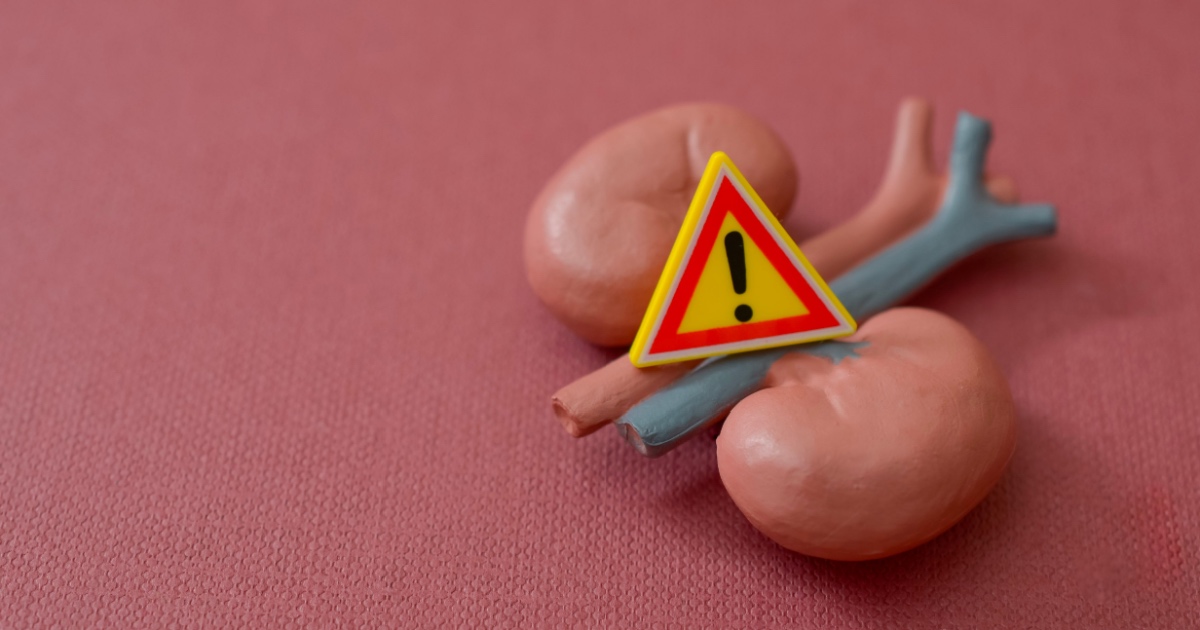

The first sign most people notice – if they notice anything at all – is swelling in the hands and feet, itchy skin, or needing to use the bathroom more often at night. What makes that so alarming is what it implies about everything that came before it: months, sometimes years, of kidney damage that produced no warning at all.
It can take years for waste to build up in your blood and cause symptoms. By the time something feels obviously wrong, a significant portion of kidney function may already be gone. The disease doesn’t announce itself with pain or a fever. It chips away quietly, and the clues it leaves behind are easy to chalk up to stress, aging, or a rough week at work.
Some 37 million Americans are living with chronic kidney disease (CKD) – a condition of gradual, progressive kidney failure – yet for the overwhelming majority, the diagnosis comes as a complete surprise. By 2040, CKD is projected to become the fifth leading cause of death worldwide. The kidney disease signs below are what that silent progression eventually looks like from the outside. Recognizing them early may be the most important thing you can do for your long-term health.
1. Crushing, Unexplained Fatigue

When your kidneys aren’t working well, waste builds up in your body and red blood cell levels can drop. This leads to a condition called anemia, meaning your body doesn’t have enough red blood cells to carry oxygen through your tissues. Without enough oxygen, you may feel weak, tired, short of breath, or have trouble concentrating.
This kind of tiredness is not regular fatigue from a busy day – it can feel like you’re always dragging or too exhausted to do daily tasks. The underlying cause is a drop in a hormone called erythropoietin (EPO). The National Kidney Foundation lists tiredness, weakness, and low energy as recognized symptoms of worsening CKD. Your doctor can check for anemia with a blood test called a hemoglobin test. If you’re sleeping enough but still feel wiped out for weeks on end, that’s worth a conversation with your doctor – not a reason to order more coffee.
2. Foamy or Bubbly Urine

Foamy urine can be an early sign of kidney disease. Healthy kidneys keep protein inside the bloodstream. When they’re damaged, protein – usually albumin – spills into the urine, and that excess protein is what creates the foam. Froth in your urine is a sign of high protein levels, especially if you have to flush several times to clear the bubbles. The protein that ends up in urine is the same albumin found in eggs, which is why the foam can look similar to the surface of scrambled eggs.
Your urine shouldn’t change color, but it may become foamy or frothy when there’s excess protein present – a sign your kidneys aren’t filtering toxins properly. A simple urine test called a uACR (urine albumin-to-creatinine ratio) can detect this early, often before any other kidney disease signs appear. If you’re seeing persistent foam that doesn’t disappear quickly, ask your doctor for a urine protein test.
3. Swelling in the Hands, Feet, or Ankles

Swelling of the hands, feet, and ankles is a recognized symptom of chronic kidney disease, according to the Cleveland Clinic. The mechanism is straightforward: failing kidneys can’t remove excess sodium from the blood efficiently. Excess fluid from kidney disease can accumulate in the lungs, and untreated swelling in the lower body may eventually lead to breathing difficulties.
If your shoes feel tighter by afternoon, or your fingers look puffier than usual in the morning, fluid retention may be at play. This symptom overlaps with heart disease and liver problems, so it’s not a reason to self-diagnose – but it’s a clear reason to get tested. Edema (fluid swelling in the tissues) that keeps coming back without an obvious cause deserves a blood and urine panel that includes kidney function markers.
4. Blood in the Urine
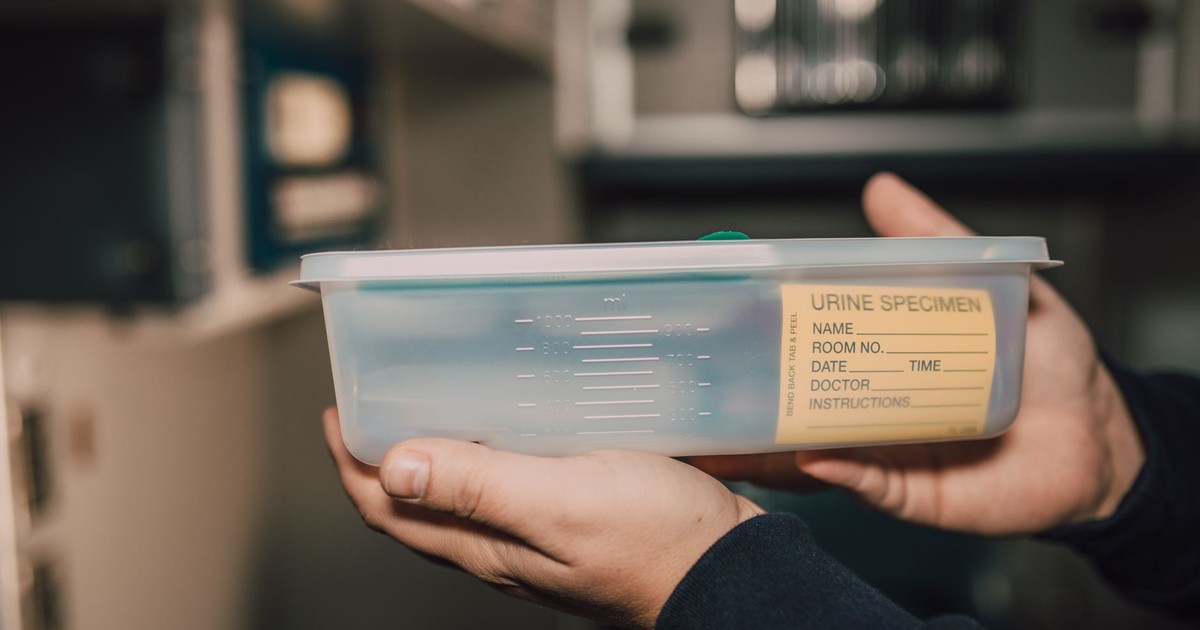
Seeing blood in your urine – a condition called hematuria – can be alarming. It can look pink, red, or brown, and it doesn’t always mean something catastrophic, but in the context of kidney health, it warrants prompt evaluation. According to the National Kidney Foundation, having protein in the urine alongside hematuria usually means there is a problem with the kidneys specifically.
Healthy kidneys have filters that stop blood cells from leaking into urine. When those filters are damaged, red blood cells pass through. Hematuria can also point to kidney stones or infection, both of which require medical attention in their own right. Either way, blood in urine is one of the kidney disease signs that should never be brushed off or waited out.
5. Puffiness Around the Eyes

Persistent puffiness around the eyes, particularly in the morning, may be an early sign of kidney disease. This puffiness is due to protein leaking into the urine, a condition known as proteinuria. Most people assume morning eye puffiness is from poor sleep or allergies – and often it is. But when it keeps appearing day after day alongside other symptoms on this list, the kidneys deserve consideration.
When the kidneys are damaged, minerals like phosphorus can build up in the blood, and this buildup can affect the fluid balance around tissues, contributing to swelling. The periorbital area – the tissue around the eyes – is one of the first places where protein-related fluid retention becomes visible. If you notice persistent eye puffiness along with foamy urine, that combination is especially worth flagging to a doctor.
6. Dry, Itchy Skin

Dry or itchy skin may be more than a skin problem – it can be a sign that your kidneys are not working as they should. Healthy kidneys help keep the right balance of minerals in your blood, such as calcium and phosphorus. When the kidneys are damaged, phosphorus builds up in the blood, and that buildup can make the skin feel dry, rough, or itchy.
Some people with kidney disease experience itching that feels deep under the skin, especially on the back, arms, or legs. This is called uremic pruritus, and it’s caused by waste and mineral imbalances in the body. No amount of moisturizer will resolve itching that has a systemic cause. If you’ve been treating dry or intensely itchy skin for weeks without improvement, ask your doctor whether kidney function testing makes sense.
7. Shortness of Breath

Extra fluid in the body can build up in the lungs. This buildup, combined with anemia, can result in shortness of breath. Some people with more severe kidney disease experience shortness of breath during physical activity, which can interfere with daily life.
Two separate mechanisms drive this symptom. First, the fluid accumulation in the lungs that comes with kidney failure reduces the lungs’ capacity to expand properly. Second, the anemia caused by low EPO production means blood carries less oxygen per breath – so the body demands more breaths to compensate. Low red blood cell levels from kidney disease also reduce oxygen delivery, which worsens shortness of breath. If climbing a flight of stairs has become surprisingly difficult and you can’t trace it to a clear respiratory cause, kidney function is worth checking.
8. Trouble Sleeping

Trouble sleeping is a recognized symptom of chronic kidney disease, listed by the Cleveland Clinic alongside other signs of declining function. The connection runs in both directions. Waste that the kidneys fail to filter builds up in the blood, and that chemical imbalance can disrupt normal sleep architecture – the pattern of deep and light sleep stages the body cycles through each night.
People with CKD also experience higher rates of sleep apnea (interrupted breathing during sleep), which compounds the problem. Poor sleep then worsens the fatigue described in sign #1, creating a cycle that’s hard to break. If insomnia or restless nights have appeared alongside any of the other kidney disease signs on this list, they may not be a stand-alone problem.
9. Difficulty Concentrating

Trouble concentrating is listed by the Cleveland Clinic as a symptom of chronic kidney disease. The brain is sensitive to the chemical balance of the blood. When kidney function declines, waste products accumulate in the blood in a condition called uremia (toxic waste buildup), which can cause extreme tiredness, weakness, and a lack of concentration.
This cognitive fog – sometimes called “uremic encephalopathy” in advanced cases – can feel like an inability to focus, finish a thought, or retain information. People often attribute it to stress, overwork, or age. While those are common causes, brain fog that appears alongside fatigue, swelling, or changes in urination creates a pattern that points elsewhere. A basic metabolic panel from your doctor can reveal whether waste products in the blood are at elevated levels.
10. Nausea, Vomiting, and Loss of Appetite

Nausea, vomiting, and loss of appetite are symptoms of chronic kidney disease according to the Cleveland Clinic. A buildup of toxins due to declining kidney function can result in nausea, vomiting, and loss of appetite. As waste accumulates in the bloodstream, the digestive system reacts – the body interprets the toxic load as something to purge.
When waste builds up in the blood, a state called uremia develops. This can make food taste different and cause bad breath. It’s not uncommon for people to stop liking meat or to lose weight simply because they don’t feel like eating. Unexplained weight loss tied to a reduced desire to eat – rather than intentional dieting – is one of the more advanced kidney disease signs and often signals that the condition has progressed significantly.
11. Muscle Cramps

Muscle cramps are a recognized symptom of chronic kidney disease. The kidneys regulate electrolytes – minerals like calcium, potassium, and phosphorus that control muscle function. When those balances are disrupted by declining kidney function, muscles can cramp unpredictably, often in the legs, and often at night.
Low calcium and high phosphorus levels, both common in CKD, are particularly associated with muscle cramping. These are the same electrolyte imbalances that drive the itchy skin discussed earlier. If you’re experiencing frequent leg cramps that seem to have no athletic cause, particularly at night, it’s worth asking for a full metabolic panel that includes kidney function and electrolyte levels.
12. A Metallic Taste in the Mouth or Ammonia Breath

When the kidneys can’t remove wastes from the body, waste builds up in the blood – a state called uremia. This can make food taste different and cause bad breath, often described as metallic or ammonia-like. The smell comes from urea, a waste product the kidneys should filter from the blood, breaking down in the mouth and respiratory tract.
This symptom tends to appear in more advanced kidney disease and is often noticed first by the person’s partner or family. Food that once tasted normal suddenly tastes metallic, bitter, or simply wrong. Many people with kidney disease develop an aversion to certain foods, leading to unintended weight loss. Persistent bad breath that doesn’t respond to brushing, mouthwash, or hydration – especially when accompanied by other kidney disease signs – deserves a clinical evaluation, not another mint.
Read More: 6 Surprising Things That Are Quietly Damaging Your Liver Right Now
What to Do Now

You typically don’t have any signs of kidney disease, especially in its early stages. That’s exactly what makes the list above so important. Having an eGFR (estimated glomerular filtration rate) under 60 and/or a uACR over 30 for three months or more is a sign you may have kidney disease – and both of those numbers come from simple blood and urine tests your doctor can order at a routine visit. According to the CDC, more than 1 in 10 adults – approximately 37 million Americans – are estimated to have CKD, and by 2040, it is predicted to become the fifth leading cause of mortality worldwide, yet most cases are discovered only after significant damage has occurred.
The two highest-risk groups are people with diabetes and people with high blood pressure. A 2025 study in Diabetes Research and Clinical Practice found that chronic kidney disease in people with type 2 diabetes has a prevalence of approximately 40%. Adults with high blood pressure have a higher risk of developing CKD – with more than 2 in 10 affected adults estimated to have the condition, according to the CDC. If you fall into either category – or if several of the signs above feel familiar – ask your doctor for a kidney function panel at your next appointment. A creatinine blood test and a urine albumin test together take minutes to run and can catch damage years before symptoms become impossible to ignore.
Disclaimer: The author is not a licensed medical professional. The information provided is for general informational and educational purposes only and is based on research from publicly available, reputable sources. It is not intended to constitute, and should not be relied upon as, medical advice, diagnosis, or treatment. Always consult a licensed physician or other qualified healthcare provider regarding any medical condition, symptoms, or medications. Do not disregard, avoid, or delay seeking professional medical advice or treatment because of information contained herein.
AI Disclaimer: This article was created with the assistance of AI tools and reviewed by a human editor.