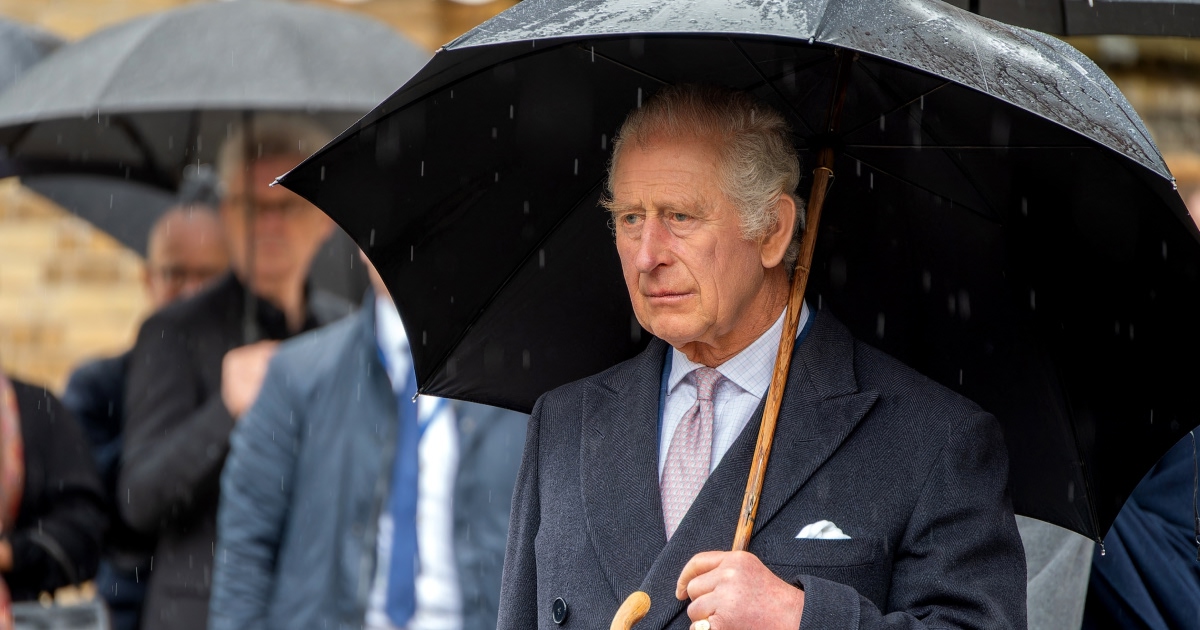

At the RHS Sandringham Flower Show on July 22, a well-wisher approached King Charles and told him, “I’m the same age as you. You are looking good!” The King’s reply was quiet, wry, and unmistakably candid: “It gets much harder, doesn’t it?”
The remark drew laughter. But for a 77-year-old man still navigating a cancer treatment journey that began more than two years ago, it carried weight that a simple quip rarely does. The last formal medical update from the palace came in December 2025, when Charles shared the “good news” that his cancer treatment schedule could be reduced in the new year thanks to early diagnosis, effective intervention, and what he called “adherence to doctors’ orders.” Buckingham Palace followed that statement by clarifying that “ongoing measures will now move into a precautionary phase” – and pointedly, the word “remission” was never used.
That distinction matters. Moving into a precautionary phase signals meaningful progress, but it’s not a clean bill of health. No formal medical update has followed his remarks at Sandringham, and his comments about aging represent one of the few personal observations he has made publicly since returning to a fuller programme of royal engagements. For millions watching a king manage illness in public view, those offhand comments at a flower show have become the most honest health dispatches he gives.
The King Charles Health Admission That Started It All
In British history, the secrecy of the monarch’s health has always reigned supreme. Buckingham Palace’s disclosure that King Charles III had been diagnosed with cancer shattered that longstanding tradition. The British public wasn’t told that Charles’ grandfather, King George VI, had lung cancer before his death in February 1952 at the age of 56, and some historians have claimed that the king himself wasn’t even told he was terminally ill.
Charles chose a different path. He said he chose to make the announcement “to prevent speculation and in the hope it may assist public understanding for all those around the world who are affected by cancer.” The cancer itself was discovered after treatment for an enlarged prostate. While doctors ruled out prostate cancer, tests revealed “a separate issue of concern.” The type of cancer has never been publicly named.
In December 2025, the British sovereign shared his “good news” that his cancer treatment was set to be reduced in the new year as a result of “early diagnosis, effective intervention and adherence to ‘doctor’s orders,'” in a pre-recorded clip for Stand Up to Cancer broadcast on UK network Channel 4. In the rare video statement broadcast on British television, the King called it “a testimony to the remarkable advances that have been made in cancer care.”
According to official statements from Buckingham Palace, doctors have moved his care into “a precautionary phase,” although he has not yet been considered in remission. That careful language from the palace is its own form of candor – an acknowledgment that cancer, especially in older adults, rarely follows a simple linear arc toward cure.
Why the Flower Show Moment Resonates Beyond Royalty
This isn’t the first time Charles has made reference to his health with a gentle joke. In September 2025, during a visit to Midland Metropolitan University Hospital in the West Midlands, he told an onlooker: “This is the terrible thing, as I am discovering already. The bits don’t work so well when you get past 70.”
The willingness to say that plainly – to a stranger, in public, without a palace spokesperson smoothing it – reflects something genuinely uncommon in a head of state. During a visit to Ulster University in Northern Ireland, he asked fellow cancer patients whether they were managing to “survive the side effects alright,” adding: “You just have to push on, don’t you.”
He has consistently said he wants to keep the focus on improving cancer awareness and encouraging early diagnosis rather than discussing his own medical condition. That focus is not incidental. The King’s decision to go public with his diagnosis in 2024 was, in part, a deliberate act of public health advocacy – using his platform to normalize screening at a time when many people still avoid it.
For men over 50, that message has real stakes. His cancer was discovered during treatment for an enlarged prostate – while doctors ruled out prostate cancer, tests revealed a separate concern. That sequence – a routine procedure leading to an unexpected finding – is exactly the kind of outcome that advocates for cancer screening point to. According to Zero Cancer, the 5-year survival rate for localized prostate cancer is nearly 100% when detected early. Early detection doesn’t just improve odds. For many cancers, it transforms the treatment from aggressive to manageable.
Read More: Doctor Reveals 5 Cancer Symptoms That Are Often Dismissed as Aging or Stress
The Numbers Behind Early Detection
The broader cancer data backs up Charles’ advocacy. According to News Medical, the five-year survival rate for all cancers has risen from 49% during the mid-1970s to 70% during 2015 to 2021 – a record high driven by treatment advances and early detection. New national estimates also reveal historic gains in cancer survival, with millions of deaths averted since mortality peaked in 1991.
For regional-stage cancers, that same data shows survival climbed from 54% in the mid-1990s to 69% during 2015 to 2021 – a meaningful shift that reflects what happens when detection catches a disease before it spreads. The gains are real, and they’re accelerating.
For men in the age bracket Charles occupies, prostate cancer screening remains one of the most evidence-supported interventions available. Evidence from large randomised controlled trials indicates that PSA screening can reduce prostate-cancer-specific mortality by 20 to 31% among men aged 55 to 69 years, according to research published the journal Healthcare. The screening conversation is not academic for this age group – it’s the difference between catching something early and discovering it late.
What Aging With Cancer Actually Looks Like
King Charles’s Sandringham quip about things getting “much harder” isn’t just self-deprecating wit. It reflects the lived experience of older adults managing serious illness while still maintaining the demands of a public role. Charles was hospitalized for a short time in March 2025 for side effects from his cancer treatment, which he had continued receiving while also returning to public duties in April 2024.
That’s a reality shared by a rapidly growing share of the global population. By 2030, one in six people in the world will be aged 60 years or over, according to the World Health Organization. In the United States specifically, approximately 19.2 percent of the American population was over 65 years of age in 2026, according to data from Statista.
Older adults aged 65 and older are the largest growing segment of the U.S. population, and aging into older adulthood is disproportionately associated with the incidence of common cancers, according to the National Cancer Institute. Managing a cancer diagnosis at 77 – as a working head of state – sits at an extreme end of that spectrum, but the underlying challenge of balancing treatment with daily functioning is one millions of older adults know intimately.
Charles became king upon the death of Queen Elizabeth II and was diagnosed with cancer in February 2024, after undergoing a procedure to treat an enlarged prostate the month prior. He had assumed the throne at 73 – the oldest person ever to do so in British history – meaning he took on the most demanding public role in the country at exactly the age when many people are contending with the first serious health challenges of their lives.
What This Means for You
King Charles’s journey from a cancer diagnosis discovered during a routine prostate procedure to a formal reduction in his treatment schedule tells one important story: early detection changes outcomes. As the King himself said during his December 2025 Stand Up to Cancer message, “I know from my own experience that a cancer diagnosis can feel overwhelming. Yet I also know that early detection is the key that can transform treatment journeys.”
For men 50 and over, that means asking your doctor directly about PSA testing and prostate health – not waiting for a symptom to force the conversation. For everyone, it means not dismissing changes in the body as simply aging. King George VI’s physicians kept his lung cancer secret even from the king himself. His grandson has spent two years doing the opposite – joking about the hardships of getting older in public, speaking to strangers about cancer at walkabouts, and using a nationally televised broadcast to urge people to check whether they’re eligible for breast, bowel, or cervical screening.
The December 2025 announcement was described as “the first unambiguous sign from the king that he believes he has many years left to live.” At a flower show in Norfolk last week, with a well-wisher telling him he looked good, Charles replied with a smile. Things do get harder. He’s saying so out loud – and that, for a British monarch, is still a remarkable thing.
Disclaimer: This information is not intended to be a substitute for professional medical advice, diagnosis, or treatment and is for information only. Always seek the advice of your physician or another qualified health provider with any questions about your medical condition and/or current medication. Do not disregard professional medical advice or delay seeking advice or treatment because of something you have read here.
AI Disclaimer: This article was created with the assistance of AI tools and reviewed by a human editor.