
The tech world and digital creator economy were shaken by the news that Leo Radvinsky, the billionaire owner behind OnlyFans, has died at the age of 43 following a reported battle with cancer. Known for his intensely private lifestyle, Leo Radvinsky built one of the most influential online platforms of the past decade while remaining largely out of the public eye. His death has sparked both reflection and curiosity, not only about his personal life but also about the massive impact he had on the internet economy.
For many, Leo Radvinsky was a mystery. He rarely gave interviews, avoided public appearances, and allowed his business to speak for itself. Yet despite that low profile, his influence reached millions of creators and reshaped how people earn money online. Now, as news of his passing spreads, attention has turned toward his legacy, his business empire, and the future of the platform he helped turn into a global powerhouse.
While his story may not be widely known outside tech and business circles, the ripple effects of his work are undeniable. From transforming subscription-based content to redefining digital entrepreneurship, Leo Radvinsky’s role in modern internet culture is far larger than many people realize.
The Figure Behind a Huge Platform
One of the most striking aspects of Leo Radvinsky’s life was how little he seemed to seek attention. In an era where tech founders often become celebrities in their own right, he took the opposite approach. There were no keynote speeches, no viral interviews, and very few public statements. Instead, he operated behind the scenes, quietly steering a platform that would go on to dominate headlines.

Image credit: Shutterstock.
OnlyFans, the platform he acquired in 2018, became a cultural phenomenon, particularly during the global pandemic. While the site initially hosted a variety of content creators, it quickly became best known for adult content and direct-to-fan monetization. That change turned it into a multi-billion-dollar business and made Leo Radvinsky one of the wealthiest figures in tech, even if few people recognized his name.
This contrast between his personal privacy and the platform’s public visibility created a unique dynamic. Millions of people interacted with OnlyFans daily, yet very few knew anything about the person behind it. That sense of mystery only grew stronger over time, especially as the company’s profits surged.
The Rise of OnlyFans Under His Leadership
Before Leo Radvinsky became the co-founder, OnlyFans was a relatively small subscription-based platform. However, after acquiring it, he helped transform it into a dominant force in the creator economy. His approach focused on giving creators direct control over their content and income, allowing them to monetize their audiences without relying on traditional intermediaries.
This model proved incredibly effective. Creators could charge subscription fees, offer exclusive content, and interact directly with their fans. In turn, the platform took a percentage of earnings, generating significant revenue at scale. As more creators joined, the network effect strengthened, attracting even larger audiences.
During the pandemic, when many people were searching for alternative income streams, OnlyFans experienced explosive growth. It became a lifeline for some and a lucrative opportunity for others. By the early 2020s, the platform was generating billions in revenue and had established itself as a major player in the digital economy.
Leo Radvinsky’s role in this growth cannot be overstated. While he stayed out of the spotlight, his business decisions shaped the platform’s direction. He recognized early on the value of creator autonomy and leaned into it, even as the platform faced criticism and controversy.
A Business Model That Changed Online Work
One of the most important aspects of Leo Radvinsky’s legacy is how OnlyFans changed the way people think about work online. Before platforms like this gained traction, many creators relied heavily on advertising revenue or sponsorship deals. That often meant unpredictable income and dependence on algorithms or brand partnerships.

Image credit: Shutterstock.
OnlyFans flipped that model. Instead of chasing views or ad clicks, creators could build direct relationships with their audiences. Fans paid for access, and creators earned a more consistent income. This empowered individuals to take control of their own businesses, often without needing traditional gatekeepers.
Of course, this model also brought challenges. The platform became closely associated with adult content, which led to debates about regulation, ethics, and financial systems. Payment processors, banks, and policymakers all became involved in discussions about how platforms like OnlyFans should operate.
Even so, the underlying concept of direct monetization has influenced countless other platforms. From Patreon to subscription-based newsletters, the idea that audiences will pay for content they value has become widely accepted. In many ways, Leo Radvinsky helped accelerate that change.
How OnlyFans Changed Lives, For Better and Worse
While the financial success of OnlyFans is often measured in billions, its real impact is better understood through the lives it has affected. For many creators, the platform became more than just a source of income. It offered a level of independence that was previously difficult to achieve, especially in industries where control was often limited.
For some, OnlyFans created a path out of financial instability. Individuals who were struggling with traditional employment, whether due to location, health, or limited opportunities, suddenly had access to a global audience. With the right strategy and consistency, creators could build a sustainable income on their own terms. This allowed people to work from home, set their own schedules, and decide exactly how they wanted to present themselves.
At the same time, the platform also opened doors for creative expression. Not all content on OnlyFans falls into one category. Fitness trainers, musicians, educators, and lifestyle creators have all used the platform to connect directly with their audiences. In that sense, it helped normalize the idea that people are willing to pay for niche, personalized content, rather than relying solely on mass appeal.

However, the story is not entirely one-sided. The same accessibility that made the platform appealing also introduced new challenges. For creators in the adult content space, questions around privacy, long-term digital footprints, and personal boundaries became increasingly important. Once content is shared online, controlling where it ends up can be difficult, and that has led to ongoing discussions about protection and consent.
There are also broader societal conversations tied to the platform’s rise. Critics have raised concerns about how platforms like OnlyFans may influence perceptions of work, relationships, and self-worth. Others argue that it simply reflects existing demand, providing a structured and safer way for people to engage in content that has always existed in some form.
What makes OnlyFans particularly significant is how it sits at the intersection of technology, economics, and culture. It did not just create a new income stream; it changed how people think about earning money online. The idea that individuals can monetize their personal brand directly, without relying on advertisers or corporations, has now spread across multiple industries.
In many ways, this dual impact is part of Leo Radvinsky’s legacy. The platform he helped build has empowered millions while also sparking complex debates that are still unfolding. It highlights both the opportunities and the challenges that come with giving individuals more control in the digital space.
The Man Behind the Fortune
Despite his success, very little is known about Leo Radvinsky’s personal life. Reports suggest he was born in Ukraine and later moved to the United States, where he built his career in the tech industry. Over time, he became involved in various online businesses before ultimately acquiring OnlyFans.
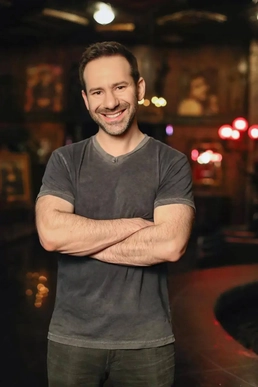
His wealth grew rapidly as the platform expanded. Dividend payouts reportedly reached staggering levels, placing him among the wealthiest individuals in the tech space. Yet unlike many billionaires, he did not use his fortune to build a public persona. There were no high-profile investments in space travel or social media ventures, no constant stream of public commentary.
Instead, he remained largely invisible. This choice may have been intentional, especially given the controversial nature of the platform. By staying out of the spotlight, he avoided becoming a central figure in public debates about OnlyFans.
However, that same privacy has now led to increased interest following his death. People are trying to piece together who he was, what he believed, and how he managed to build such a powerful business without becoming a household name.
The Impact of His Death
The news of Leo Radvinsky’s death has raised immediate questions about the future of OnlyFans. As the primary owner and a key decision-maker, his absence could influence the platform’s direction in the coming years. Leadership transitions in companies of this size are rarely simple, especially when the founder or owner plays a central role.
At the same time, the platform itself is likely to continue operating. OnlyFans has a well-established user base, a proven business model, and a significant presence in the creator economy. However, changes in leadership could lead to changes in strategy, policy, or expansion efforts.
For creators, this uncertainty may bring both concern and opportunity. Some may worry about potential changes to the platform’s rules or payment structures. Others may see it as a chance for the company to evolve in new ways.
More broadly, his death marks the end of an era for a platform that has become deeply embedded in online culture. Whether people view OnlyFans positively or critically, its influence is undeniable. And that influence is closely tied to the decisions Leo Radvinsky made over the years.
A Complicated Legacy
Like many influential figures in tech, Leo Radvinsky leaves behind a complex legacy. On one hand, he helped create opportunities for millions of people to earn income on their own terms. On the other hand, the platform he led has been at the center of ongoing debates about content, regulation, and ethics.

Supporters argue that OnlyFans provides financial independence and creative freedom. Critics raise concerns about exploitation, long-term consequences, and the broader societal impact of the platform. Both perspectives are part of the conversation, and both contribute to how his legacy will be remembered.
It is also worth noting that innovation often comes with controversy. Many technologies that reshape industries also challenge existing norms. In that sense, Leo Radvinsky’s story fits into a larger pattern of disruptive change in the digital age.
Read More: Is This Controversial Behavior Actually Cheating? Opinions Split
What Comes Next for OnlyFans
Looking ahead, the future of OnlyFans will depend on how the company navigates this transition. Leadership decisions, regulatory pressures, and market competition will all play a role. The creator economy is more crowded than ever, with new platforms emerging and established ones adapting their models.
Even so, OnlyFans has a strong foundation. Its brand recognition, user base, and revenue streams give it a significant advantage. If managed effectively, it could continue to grow and evolve, potentially expanding into new types of content or services.
At the same time, the absence of Leo Radvinsky may lead to a change in how the company is perceived. His low-profile approach allowed the platform to operate without a central public figure. Future leadership may take a different path, potentially bringing more visibility and transparency.
A Lasting Impact on the Digital World
The death of Leo Radvinsky marks a significant moment in the history of the digital economy. While he may not have been a household name, his impact reaches far beyond the circles that knew him personally. Through OnlyFans, he helped reshape how people create, share, and monetize content online.
His story is a reminder that influence does not always come with visibility. Sometimes, the people who change entire industries are the ones who choose to stay in the background. Leo Radvinsky built a platform that empowered millions, sparked global conversations, and challenged traditional ideas about work and income.
As the world reflects on his life and legacy, one thing is clear. His contributions to the internet economy will continue to shape the way people connect and earn online for years to come.
A.I. Disclaimer: This article was created with AI assistance and edited by a human for accuracy and clarity.
Read More: Watching Porn? You’ll Now Need to Show ID Under New Rules