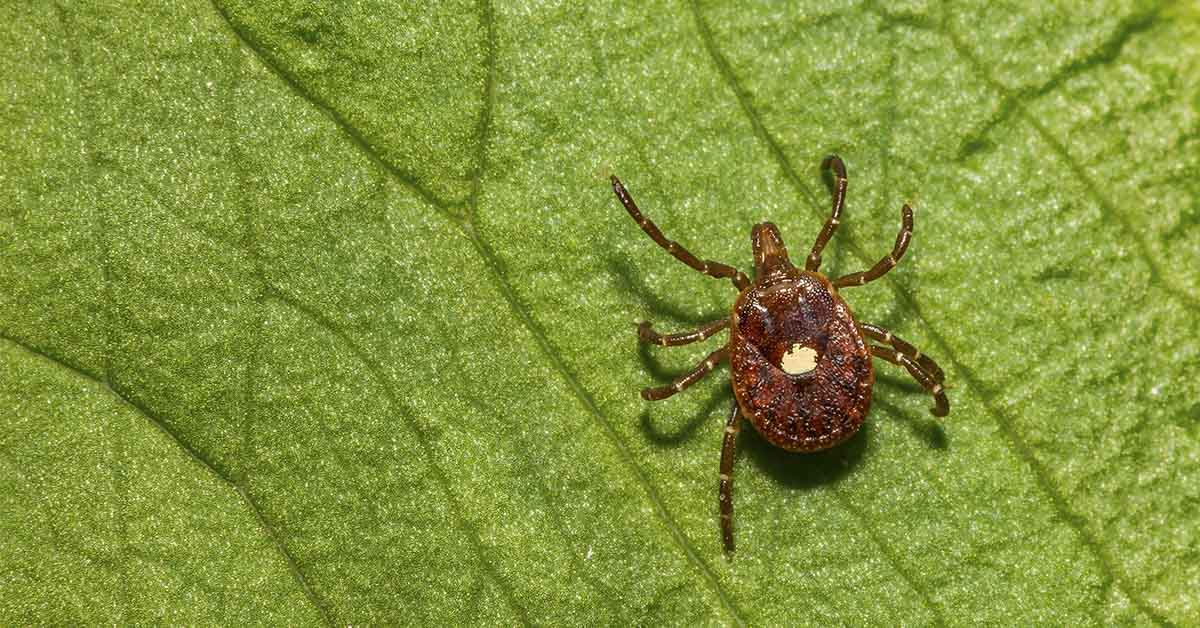

We all know that ticks, those tiny arachnids known for transmitting diseases to humans, can give you Lymes Disease. There is a specific type of tick, however, that is quite aggressive and spreads a different type of disease. The Lone Star Tick has gained attention for its role in causing Alpha-Gal Syndrome, a unique and increasingly recognized allergy. This is everything that you should know about Lone Star ticks, Alpha-Gal syndrome, and how to protect yourself and your family.
What Are Lone Star Ticks?
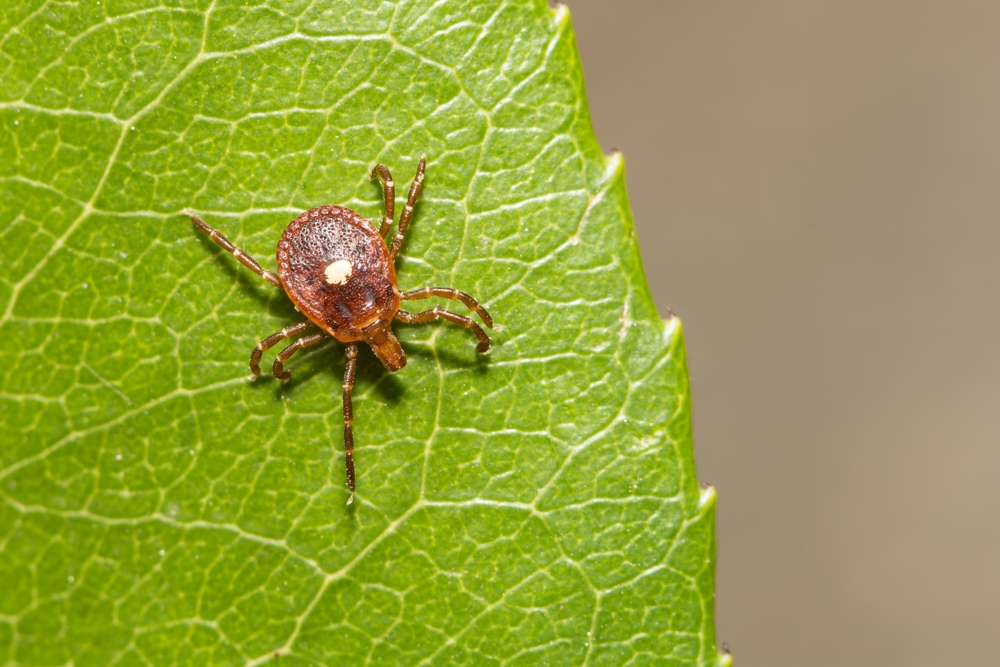
Lone Star ticks, scientifically known as Amblyomma americanum, are a species of hard-bodied tick native to the southeastern and eastern United States. Due to climate change, they are beginning to expand their range across the country, particularly further north as these areas become more hospitable to them as temperatures warm. They are called Lone Star ticks because of a distinctive single white spot, or star, on the adult female’s backs. Males have white streaks or spots on the edges of their bodies. When unfed, they are roughly the size of a sesame seed, but they expand after feeding.
Habitat and Distribution

Like other ticks, Lone Star ticks are primarily found in wooded areas. This includes forests, brushy fields, and along the edges of paths and trails. They are mostly found in eastern and southeastern regions of the United States, but they have begun moving further north thanks to climate change. They are mostly active from spring through summer, with peak activity generally from April to September. They can, however, still be found into the later fall, depending on location and temperatures.
What Is Alpha-Gal Syndrome?

Alpha-Gal Syndrome (AGS) is an allergic condition triggered by a tick bite, primarily the Lone Star tick. The allergy is to red meat, including beef, pork, and lamb.The reaction will begin several hours after consuming red meat and sometimes even other mammal-derived products, such as dairy. The allergy can include:
- Hives or rash
- Nausea, vomiting, or diarrhea
- Difficulty breathing, wheezing
- A drop in blood pressure, dizziness, or fainting
- Anaphylaxis (in severe cases)
The allergy develops because the tick introduces a sugar molecule called alpha-gal (galactose-alpha-1,3-galactose) into the body during a bite. This molecule sensitizes the immune system, causing some people to develop an allergy to red meat and sometimes other animal products, as well.
Treatment

There is currently no cure for alpha-gal syndrome, and sensitization can last for months or even years. Medical evaluation and testing is required to confirm the diagnosis. The main treatment method is simply to avoid the foods that trigger a reaction, meaning red meat and mammal products. To manage allergic reactions, a doctor will generally prescribe antihistamines and perhaps epinephrine, in more severe cases.
Other Diseases Transmitted by Lone Star Ticks
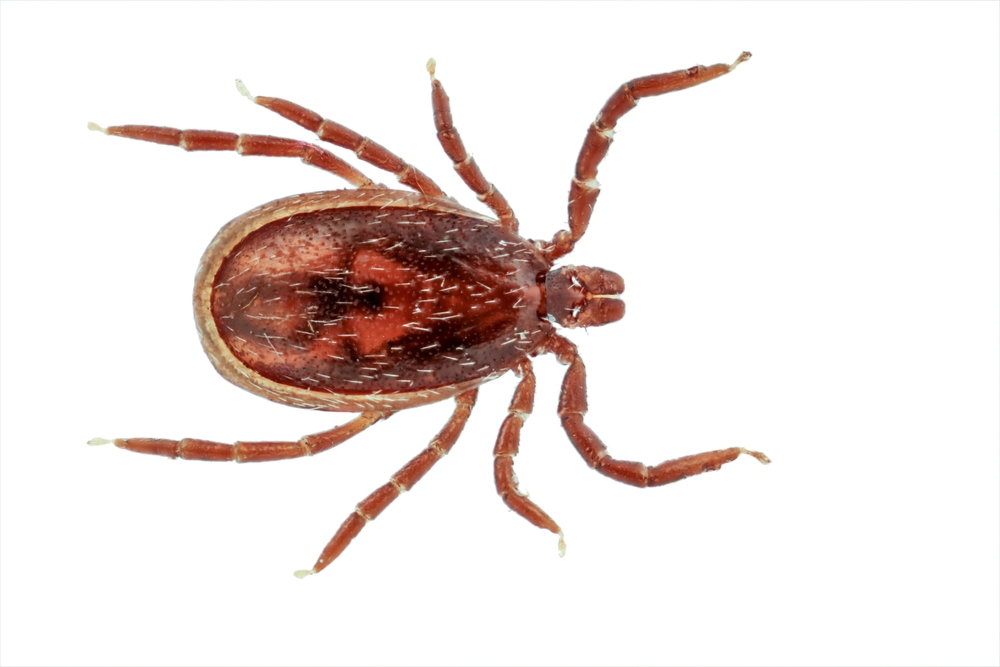
Alpha-Gal Syndrome isn’t the only disease transmitted by Lone Star ticks. These tiny insects are also known vectors for several other diseases. These include:
- Ehrlichiosis: A bacterial infection that causes fever, headache, fatigue, and muscle aches.
- Tularemia: A rare but serious illness with symptoms such as fever, skin ulcers, and swollen lymph glands.
- STARI (Southern Tick-Associated Rash illness): Causes a rash similar to Lyme disease (bulls-eye), along with fever and fatigue.
- Heartland virus disease: An emerging virus causing fever, fatigue, headache, and muscle aches.
Preventing Tick Bites
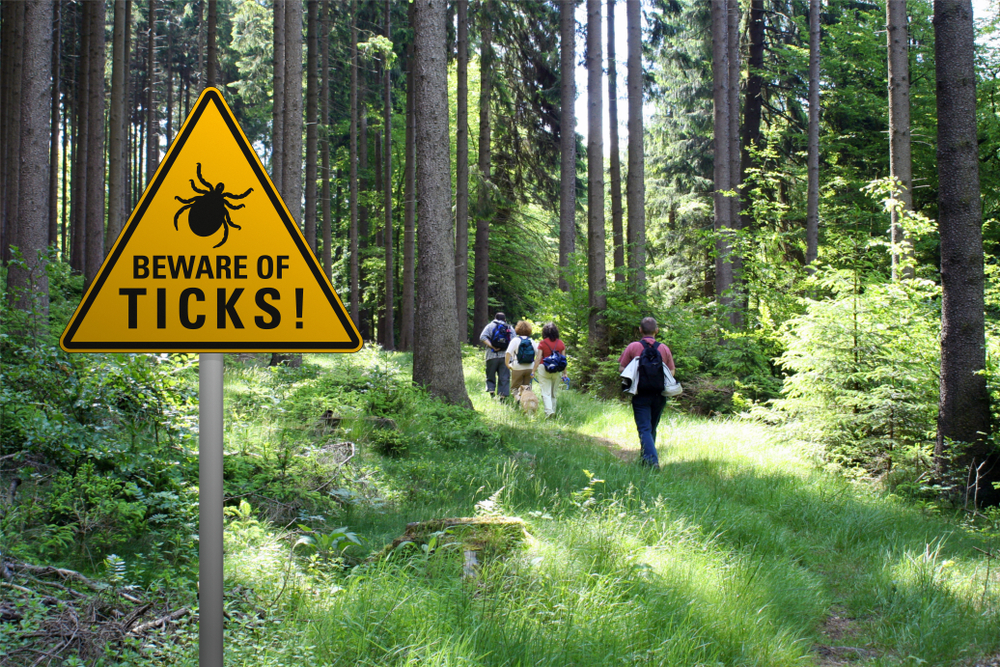
Prevention is the number-one way to avoid getting tick-borne illnesses and conditions. Preventing tick bites is multi-faceted and comes in various steps. The main ways are protecting yourself, protecting your pets, making your yard inhospitable to ticks, and keeping your home tick-free.
Protect Yourself
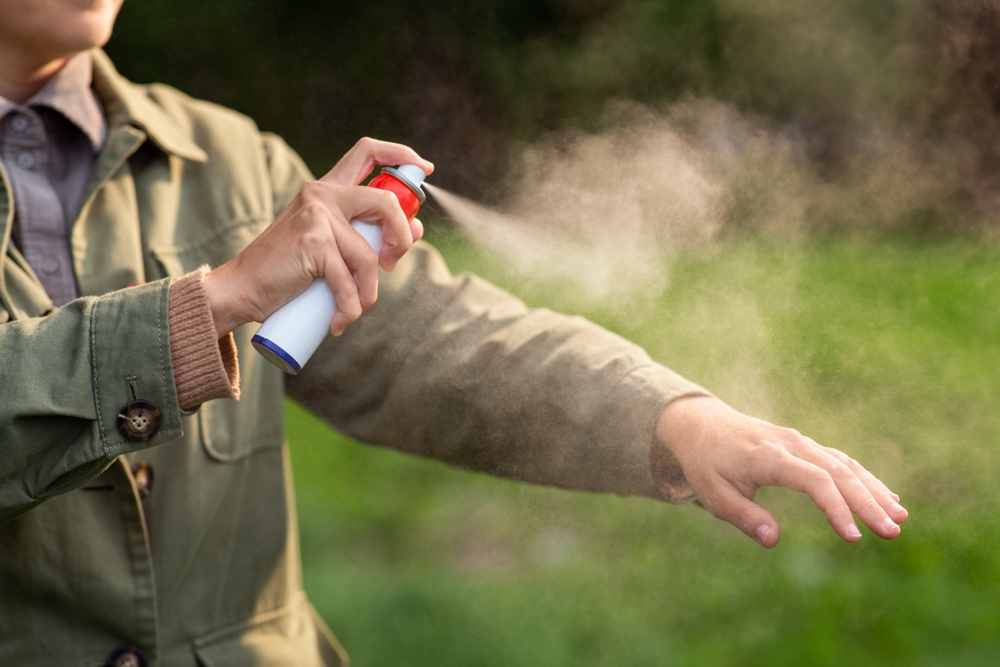
There are a variety of ways to protect yourself and your family from tick bites. The best thing to do is to deploy several of these tactics, to ensure your protection. The best way is to wear long sleeves, long pants, and closed shoes when in wooded or grassy areas. Tuck your pants into your socks to create barriers that block ticks from getting to your skin. Stay in the middle of trails and don’t go off the trail. Use Environment Protection Agency (EPA)-registered insect repellents that are effective against ticks. Conduct full-body tick checks after outdoor activities or after passing through an area that is more likely to have ticks. Shower soon after being outdoors to wash off unattached ticks.
Protect Your Pets

Protecting your pets from ticks is just as important as protecting the rest of your family. This is especially because pets can unknowingly transport ticks into your home. Use veterinarian-recommended tick prevention products, such as topical treatments, collars, or oral medications. Check your pets regularly for ticks, especially after spending time outside. This is particularly important for those with outdoor cats or other animals who you can’t control where they do and don’t go. Whenever possible, keep pets away from dense vegetation where ticks thrive.
Maintain Your Yard

Don’t let your yard become a tick haven. Keep the grass mowed short and remove all lead litter, brush, and tall grasses around your home. Create tick-safe zones by placing wood chips or gravel between lawns and wooded areas. Consider barriers to prevent deer and wildlife that carry ticks from entering your yard.
Inside the Home

Finally, keeping your home tick-free is just a matter of adopting a couple of regular habits. Beyond tick-checking yourself, your children, and your pets before coming inside, you can also make your home a non-welcoming place for ticks to be. Vacuum regularly and keep clutter to a minimum. Wash and dry clothing worn outdoors on high heat to kill ticks that might be hiding on them. Seal cracks and gaps to prevent rodent entry, as they can also bring ticks into your home with them.
What to Do If You Find a Tick on You
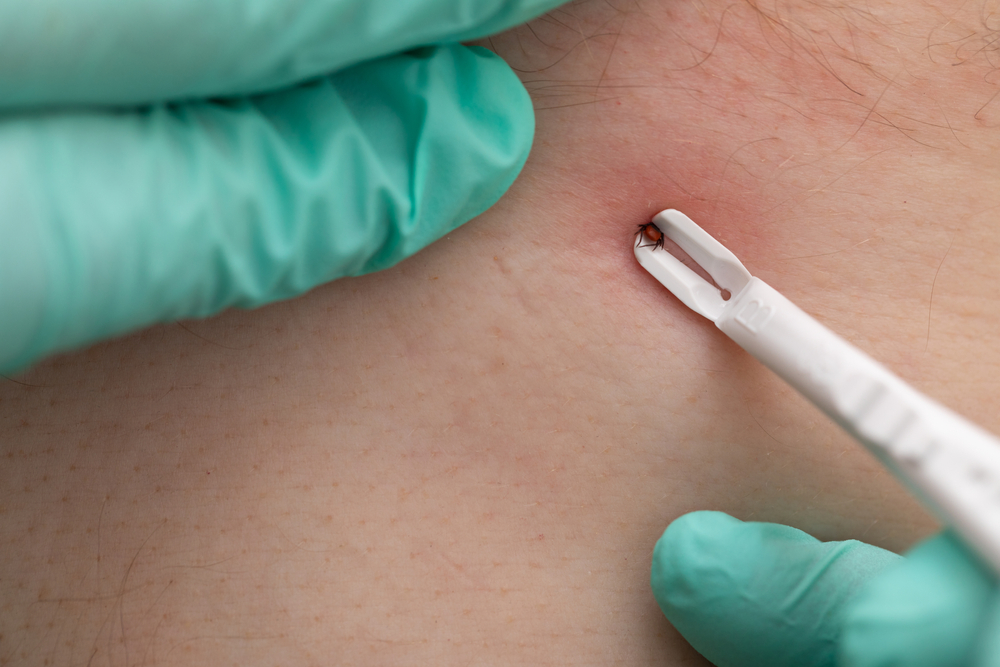
Sometimes you do everything right and you may still find a tick on you. Don’t panic, but instead first check to make sure that the tick hasn’t attached itself yet. If it hasn’t, it’s as simple as brushing it off of you. Be careful when checking, because if it has attached and you try to brush it away, you could wipe away its body but leave its head still inside your skin. If the tick has attached itself, follow these steps:
- Remove the tick promptly: Using fine-tipped tweezers, grasp the tick as close to the skin’s surface as possible. Pull upward with steady, even pressure. Do not twist or jerk. If you live in a highly tick-populated area, consider purchasing a tick remover.
- Clean the area: Wash the area of the tick bite with soap and water or an antiseptic.
- Dispose of the tick: Submerse the tick in alcohol or flush it down the toilet.
- Monitor for symptoms: Watch yourself for rash, fever, or allergic reactions in the following days and weeks.
- Seek medical attention: This is especially if you develop symptoms or are unsure about removal.
The Bottom Line

Lone Star ticks, and ticks in general, are a significant concern for public health. For Lone Star ticks, this is especially because of their role in Alpha-Gal Syndrome, along with the transmission of several other diseases. Awareness, preventive measures, and prompt actions after finding ticks can help to protect you and your family from potential complications. If you think you may have Alpha-Gal Syndrome or experience allergic reactions after consuming red meat, consult a healthcare provider for testing and management.
Disclaimer: This information is not intended to be a substitute for professional medical advice, diagnosis or treatment and is for information only. Always seek the advice of your physician or another qualified health provider with any questions about your medical condition and/or current medication. Do not disregard professional medical advice or delay seeking advice or treatment because of something you have read here.
Read More: How To Properly Dispose of Ticks