Major US Airline Introduces New Policy on “Barebeating” — What You Need to Know
If you’ve flown recently, you’ve probably noticed a new kind of in-flight frustration. It’s not just delayed departures or cramped legroom anymore. Instead, it’s the growing number of passengers playing videos, music, or games out loud without headphones. This behavior, now widely referred to as “barebeating”, has become such a common annoyance that airlines are starting to take it seriously.
In fact, one major U.S. airline, United Airlines, has reportedly begun tightening its stance on barebeating by reinforcing policies that allow crew members to intervene when passengers create unnecessary noise disturbances. While this might sound like a small etiquette tweak, it actually signals a change in how airlines manage in-flight behavior.
What Is “Barebeating” and Where Did the Term Come From?
Barebeating is simple. It refers to playing audio from a personal device in a public space without using headphones. That could mean:
Watching TikTok videos at full volume
Listening to music or podcasts on a speaker
Playing mobile games with loud sound effects
Taking calls on speakerphone
The term itself is relatively new and has gained traction online, especially through viral discussions and media coverage. It’s catchy, slightly humorous, and instantly recognizable. But the behavior it describes is anything but new.
People have always had to navigate shared spaces. What’s different now is how technology has changed the way we consume media. Smartphones, streaming platforms, and social apps have made it easier than ever to carry your entertainment everywhere. Unfortunately, that convenience sometimes comes at the expense of everyone else around you. As a result, barebeating has evolved from a minor irritation into a noticeable social issue.
The United Airlines Policy Changes
United Airlines hasn’t created an entirely new rule out of thin air. Instead, it has strengthened enforcement of existing passenger conduct policies, which already require travelers to avoid disruptive behavior.
However, the key update is this:
Flight attendants now have clearer authority to address passengers who play audio out loud
Repeated refusal to comply may be treated as non-compliance with crew instructions
In more serious cases, this could lead to removal from a flight or restrictions on future travel
This is significant because it elevates barebeating from a simple annoyance to a behavior that can carry real consequences. Airlines have always had rules about maintaining order and comfort onboard. But in the past, something like loud phone audio might have been overlooked unless it escalated into a larger disturbance. Now, it’s being treated as part of a broader category of disruptive conduct.
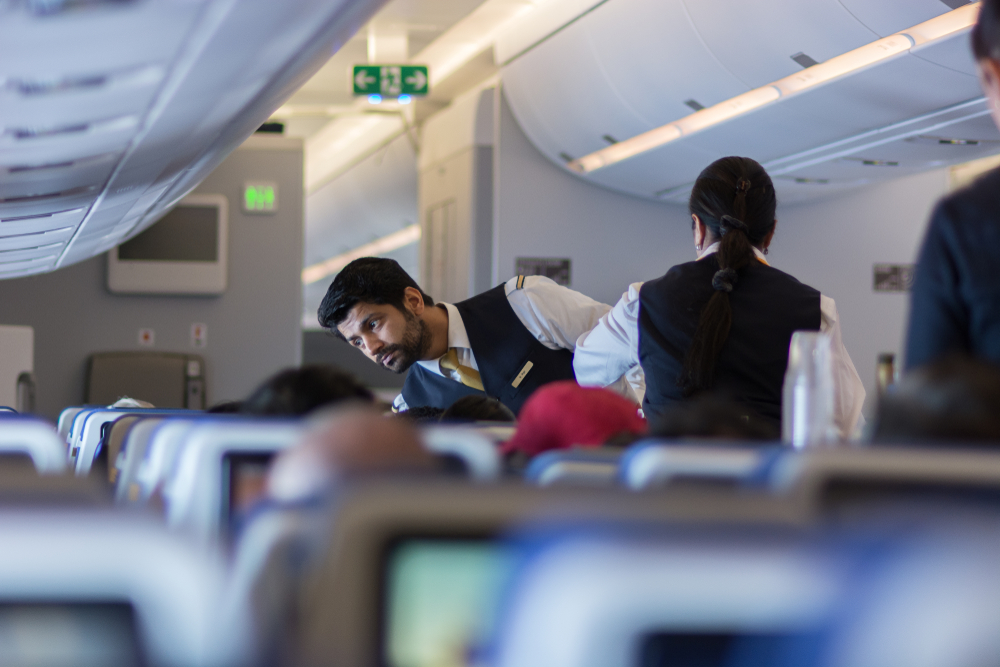
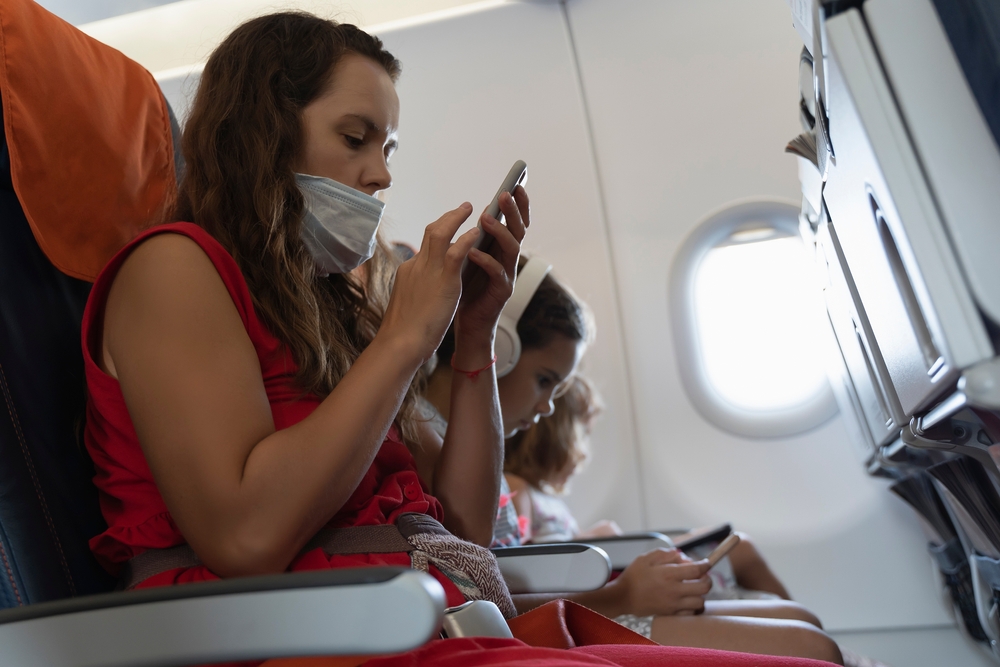
Airlines are shifting from passive tolerance to active enforcement as in-flight behavior becomes harder to manage. Image credit: Shutterstock.
Why Airlines Are Taking This Seriously Now
You might wonder why this issue is getting attention now. After all, people have been using phones in public for years. The difference lies in how much behavior and environments have changed in a relatively short time.
Air travel has seen a strong rebound, with more passengers filling flights than ever before. As cabins become more crowded, even small disruptions feel amplified. What might have once gone unnoticed in a half-empty plane now becomes difficult to ignore when every seat is occupied.
At the same time, the nature of airplane cabins makes the situation more intense. Unlike a coffee shop or public park, there is no easy way to move away from someone who is being disruptive. Passengers are seated close together for extended periods, often with limited personal space. In that kind of environment, even a short burst of loud audio can quickly become overwhelming.
Airlines have also been dealing with a broader rise in passenger complaints. While traditional issues like seat space and boarding delays still exist, there has been a noticeable increase in frustrations tied to personal device use. Flight attendants are often the first to hear these complaints, and over time, patterns begin to emerge.
In response, airlines are taking a more proactive approach. Rather than waiting for situations to escalate, they are setting clearer expectations from the start. Barebeating fits into a wider effort to maintain order and reduce tension during flights. What may seem like a small issue on the surface is actually part of a larger push to create a calmer and more respectful travel experience.
Why Barebeating Feels So Annoying to Other Passengers
Playing audio out loud might not seem like a big deal for some. However, the reaction it triggers often runs deeper than simple irritation. Much of that frustration comes from the feeling of having no control over the situation.
When someone plays music or videos without headphones, everyone nearby is forced to hear it. There is no way to opt out or block it out completely. This lack of choice can make the experience feel intrusive, especially on a long flight where passengers are already dealing with fatigue or stress.
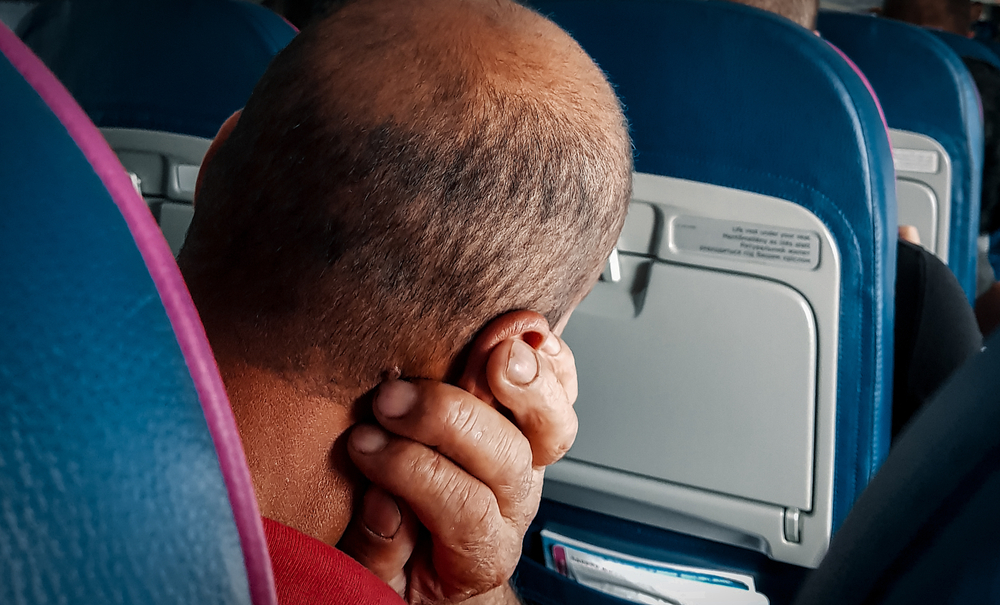
The frustration often isn’t just about noise, but the feeling of having no escape from it in a confined space. Image credit: Shutterstock.
The problem becomes even more noticeable when multiple devices are involved. A mix of sounds from different sources can quickly create a noisy and chaotic environment. Our brains are not designed to process several competing audio streams at once, which can lead to mental strain and discomfort over time.
Beyond the sensory impact, there is also a social element at play. Many people interpret barebeating as a sign of disrespect, even if that was never the intention. It suggests a lack of awareness about how one’s actions affect others, and that perception alone can heighten frustration.
The Social Etiquette Behind Headphones and Shared Spaces
Etiquette often goes unnoticed until it is broken. In shared environments, small behaviors affect how comfortable people feel. Using headphones has become one of those unwritten rules that most people follow without thinking.
As personal devices became more common, society naturally adapted. Headphones allowed individuals to enjoy their own entertainment without interfering with those around them. Over time, this practice evolved into an expectation rather than a courtesy.
What makes etiquette interesting is that it rarely needs to be formally explained. People learn these behaviors by observing others and adjusting accordingly. Simple actions, like keeping noise levels low or respecting personal space, help maintain a sense of balance in public settings.
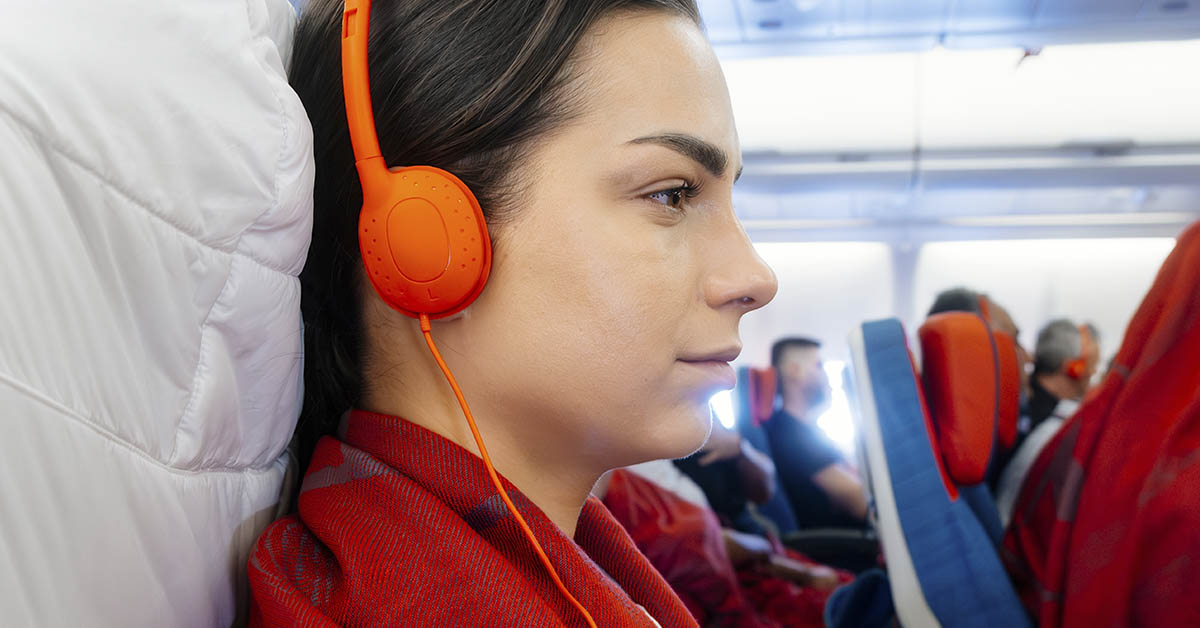
Small, unspoken habits like using headphones help maintain balance in shared spaces without needing formal rules. Image credit: Shutterstock.
Barebeating disrupts that balance. It challenges the idea that shared spaces require a certain level of consideration. When enough people begin to ignore these unwritten rules, the responsibility often falls on institutions to step in.
That is exactly what is happening now. Airlines are moving from relying on social awareness to setting clear, enforceable guidelines. It marks a change from expectation to regulation, which reflects how public behavior is evolving.
Why Enforcing “Barebeating” Rules Has Its Challenges
Even with clearer policies in place, enforcing rules around barebeating is not always straightforward. One of the biggest challenges lies in how subjective the issue can be. What one person considers disruptive might seem harmless to someone else, which makes it difficult to apply a one-size-fits-all standard.
Flight attendants also have to navigate the risk of confrontation. Addressing a passenger about their behavior may seem like a simple request, but in a confined and often stressful environment, even small interactions can escalate quickly. Crew members are trained to maintain order while also keeping situations calm, which requires a careful balance.
Cultural differences can also tie in. In some parts of the world, playing audio out loud in public is more common and less likely to be seen as a problem. Passengers may not always realize that expectations differ in other settings, especially on international flights.
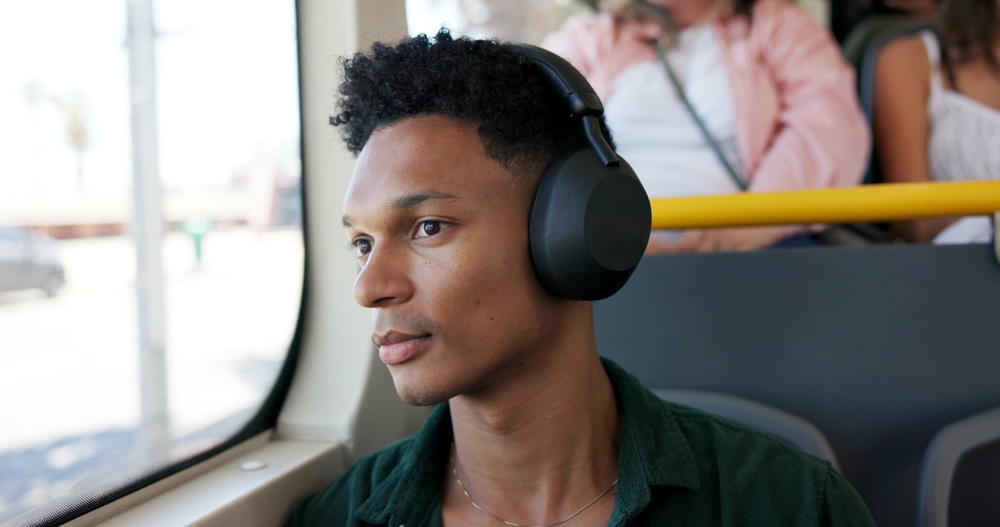
Modern travel highlights how individual habits can clash with shared environments in ways we didn’t face before. Image credit: Shutterstock.
On top of that, technology continues to evolve. New apps, devices, and content formats constantly change how people use their phones. As habits change, policies have to adapt, and that process is rarely immediate or perfect. All of these factors make enforcement more difficult than it might appear. It is not just about setting rules, but about applying them in a way that is fair, consistent, and effective.
What This Says About Modern Travel
Personal devices have made it easier than ever to create individualized experiences, even in crowded environments. You can watch, listen, and engage with content on your own terms, almost anywhere. However, that level of personal freedom can clash with the realities of shared spaces like airplane cabins. When private habits spill into public settings, it creates friction. What feels normal to one person may feel intrusive to another.
Air travel tends to highlight these tensions more than most environments. The combination of close proximity, limited mobility, and long durations makes every behavior more noticeable. Small actions carry more weight when there is no easy escape.
As social norms become less consistent, organizations are stepping in to define expectations more clearly. Instead of relying on shared understanding, there is a growing emphasis on formal guidelines. This suggests that the way we navigate public spaces is changing. The balance between individual freedom and collective comfort is being renegotiated in real time.
It’s not just airlines, an Irish rail company is already cracking down on barebeating.
What Actually Happens When a Passenger Refuses to Stop
It’s one thing to talk about policies on paper, but what happens in real life when someone refuses to turn down their device? In most cases, the situation starts quietly. A flight attendant may approach the passenger and make a polite request, often framing it as a reminder rather than a warning.
Most passengers comply at this stage. However, when someone refuses, the tone begins to change. The issue is no longer just about noise. It becomes a matter of following crew instructions, which is taken much more seriously in aviation.
From that point on, flight attendants are trained to escalate carefully. They may involve a senior crew member or issue a more direct instruction. If the passenger continues to ignore requests, the situation can be formally documented. On some flights, this could lead to the passenger being met by ground staff upon arrival.
In more extreme cases, especially if the behavior is paired with other disruptive actions, airlines have the authority to remove passengers before takeoff or impose travel restrictions later on. While that outcome is rare, the possibility alone shows how seriously compliance is treated.
What makes this situation unique is how quickly a small behavior can escalate. Something that begins as a minor annoyance can turn into a rule violation simply because of how the passenger responds. In that sense, the real issue is not just the noise itself, but the willingness to respect shared boundaries when asked.
For passengers, avoiding conflict comes down to awareness and simple choices. Carrying headphones is one of the easiest ways to ensure that personal entertainment remains private. It is a small habit that can make a significant difference in how others experience the flight.
Being mindful of volume levels also matters. Even when using headphones, keeping the sound at a reasonable level helps prevent audio from leaking into the surrounding space. Awareness of your environment plays a key role in maintaining a comfortable atmosphere for everyone.
Most importantly, responding respectfully to requests from crew members or fellow passengers can prevent situations from escalating. A small adjustment in behavior often resolves the issue quickly and keeps the overall experience positive.
These actions may seem small, but they contribute to a smoother and more considerate travel environment. In a shared space like an airplane, small efforts go a long way.
A.I. Disclaimer: This article was created with AI assistance and edited by a human for accuracy and clarity.