
Language feels simple until you stop and really listen to it. Every day, people across the United States use words they’ve known for years, yet many of those words are being said incorrectly. It’s not about intelligence or education; it’s about habit and the quirks of English itself. In fact, studies and reports from recent years continue to highlight just how common mispronounced words are, even among confident speakers.
Interestingly, these mistakes often follow patterns. Some words look different from how they sound. Others come from foreign languages and don’t follow English rules. And sometimes, we just learn something wrong early on and never question it.
1. Mischievous

This word has confused people for generations, and it’s easy to see why. Many Americans say “mis-CHEE-vee-us,” adding an extra syllable that doesn’t belong. The correct pronunciation is “MIS-chuh-vus,” which is shorter and quicker than most expect. The mistake likely comes from how the word looks on paper. It seems like it should follow a longer pattern, so people naturally stretch it out. Over time, that incorrect version becomes familiar and feels right. Even so, the traditional pronunciation hasn’t changed.
2. Espresso

If you’ve ever ordered coffee, you’ve probably heard someone say “expresso.” It sounds natural, but it’s not correct. The proper pronunciation is “espresso,” with no “x” sound at the beginning. This mix-up happens because English speakers often insert sounds that feel easier to say. The “x” slips in because it flows more smoothly for many people. Additionally, since the word comes from Italian, it follows different pronunciation rules than typical English words. As a result, people adapt it without realizing. Despite how common the mistake is, the original pronunciation remains the standard in both casual and formal settings.
3. Library

“Library” is one of those everyday words that people rarely think about, yet it’s often shortened in speech. Many say “libary,” skipping the middle syllable entirely. The correct pronunciation is “LIE-brer-ee,” with all three syllables clearly spoken. This happens because of how quickly we speak. When words become familiar, we tend to compress them for convenience. Over time, that shortened version becomes automatic. Interestingly, this isn’t about misunderstanding the word; it’s about efficiency in speech. However, in more formal situations, the full pronunciation still matters.
4. February

“February” is another word that trips people up, especially because of its spelling. Many pronounce it as “Feb-yoo-ary,” dropping the first “r” entirely. The correct version is “Feb-roo-ary,” though even that can feel awkward to say. The issue comes from the word’s structure. The “r” appears early, followed closely by another “r,” which makes it harder to articulate smoothly. As a result, people simplify it without thinking. Over time, that simplified version becomes widely accepted in casual conversation. Still, the full pronunciation reflects the word’s original form.
5. Nuclear

Image credit: Shutterstock.
Few words spark as much debate as “nuclear.” A common mispronunciation is “nucular,” where the sounds are rearranged. The correct pronunciation is “NEW-klee-er,” with a clear emphasis on each part of the word. This mistake happens because the incorrect version is actually easier for many people to say. The brain tends to reorganize sounds into patterns that feel more natural. Interestingly, even public figures and leaders have used the incorrect version, which has helped spread it further. Despite its popularity, “nucular” remains nonstandard. This example highlights how repetition and familiarity can reinforce a pronunciation, even when it’s technically wrong.
6. Pronunciation

Image credit: Shutterstock.
It’s a bit ironic that the word “pronunciation” is often mispronounced. Many people say “pro-NOUN-ciation,” adding an extra “noun” sound that doesn’t belong. The correct pronunciation is “pro-NUN-see-ay-shun.” This confusion comes from its relationship to the word “pronounce.” Naturally, people assume the longer version should follow the same structure, but English doesn’t always work that way. Instead, the vowel shifts slightly, creating a different sound pattern. Because the incorrect version feels logical, it spreads easily and sticks. This word perfectly shows how even small differences between related words can lead to widespread pronunciation mistakes.
7. Sherbet

Image credit: Shutterstock.
When ordering this frozen treat, many Americans ask for “sher-bert,” adding an extra “r” that isn’t there. The correct pronunciation is “sher-bit”. The mistake happens because our brains try to make unfamiliar words fit familiar patterns. In English, we’re used to words that follow a “-bert” ending, so we naturally adjust “sherbet” to match. Over time, that extra sound becomes normalized in everyday speech. However, the original pronunciation reflects its linguistic roots.
8. Often
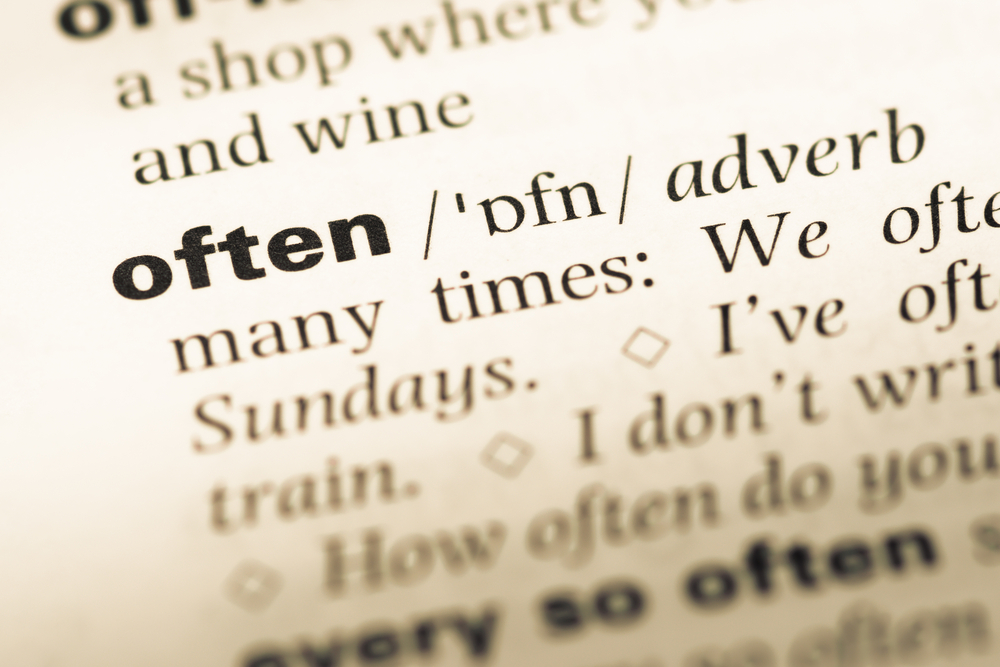
Image credit: Shutterstock.
“Often” is a fascinating case because both pronunciations are now widely heard. Traditionally, the word is pronounced “off-en,” with a silent “t.” However, many people say “off-ten,” clearly pronouncing the “t.” This change happened because of spelling influence. As people became more aware of the written form, they began including the “t” in speech. Over time, both versions gained acceptance in modern usage. While purists may still prefer the silent “t,” dictionaries now recognize both forms. This word shows how language evolves in real time, where repeated usage can transform what was once considered incorrect into something widely accepted.
9. GIF
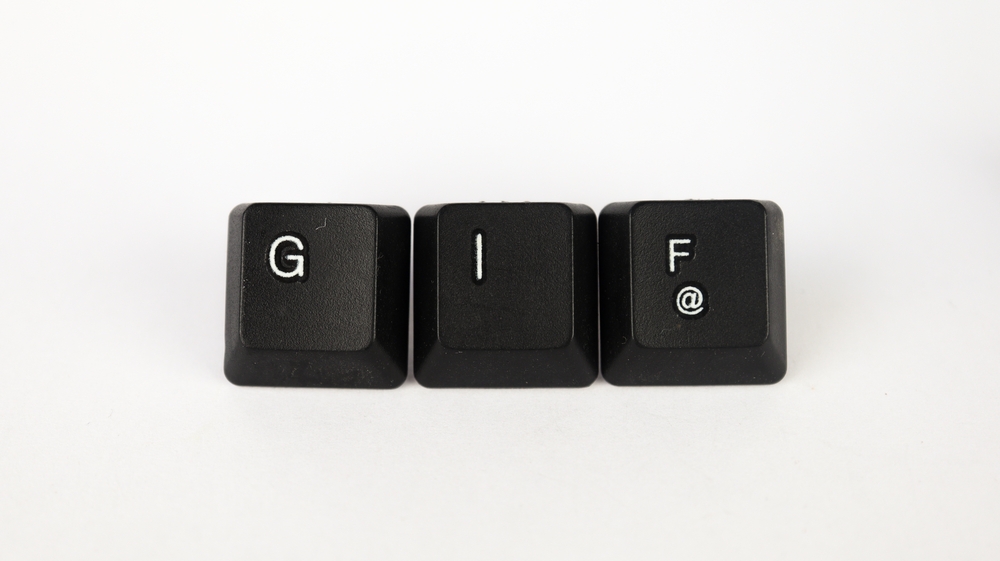
Image credit: Shutterstock.
“GIF” might be one of the most debated pronunciations in modern language. Some say it with a hard“g,” like “gift,” while others use a soft “g,” like “jif.” Interestingly, the creator of the format intended it to be pronounced: “jif.” Despite that, many people continue to use the hard “g” because it aligns with how the letter is typically pronounced. This disagreement highlights how acronyms don’t always follow clear pronunciation rules. Instead, people interpret them based on familiarity and instinct. As a result, both versions are widely used today.
10. Louvre

Image credit: Shutterstock.
The word “Louvre,” referring to the famous museum in Paris, often trips up English speakers. Many pronounce it as “loo-ver” or “loo-vray,” trying to apply English pronunciation rules. The correct French pronunciation is closer to “loov-ruh,” with a soft, subtle ending. This mistake reflects a broader pattern seen in many mispronounced words that come from other languages. English speakers often adapt foreign words to fit familiar sounds, especially when the original pronunciation feels unfamiliar. Without exposure to the correct version, these adaptations stick. This highlights how globalization introduces new words, but not always their correct pronunciation.
Why English Spelling Causes So Many Mistakes
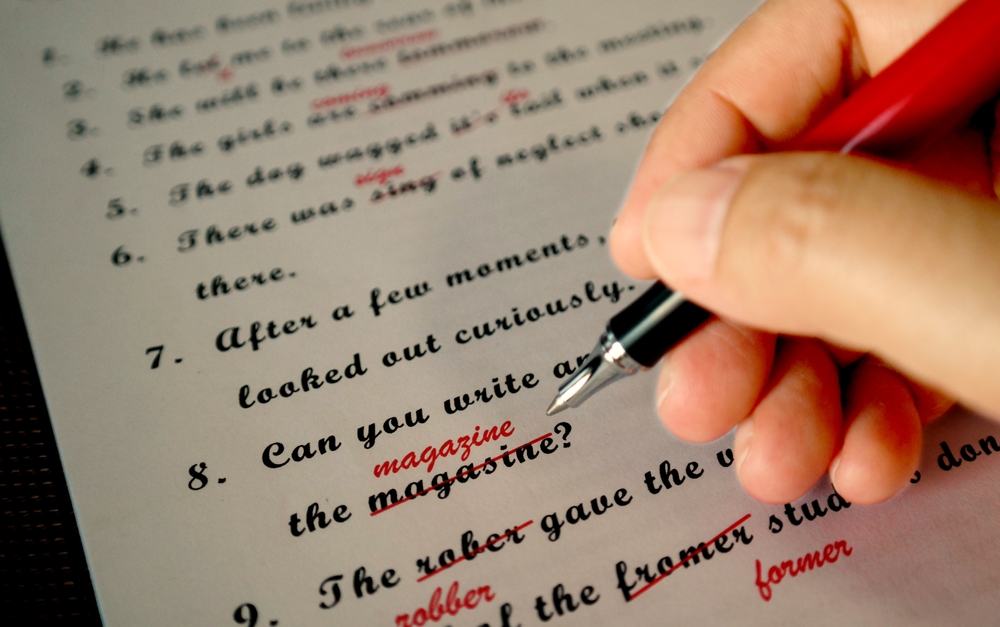
English spelling often doesn’t match pronunciation, which leads directly to confusion. Words like “espresso” and “sherbet” look like they should be pronounced a certain way, but they don’t follow consistent rules. This inconsistency comes from the history of the language. English has borrowed words from French, Latin, German, and many other languages. Each influence brought its own spelling and sound system. Over time, those systems blended together without fully aligning. As a result, speakers rely on instinct, and that instinct isn’t always accurate. This disconnect is one of the biggest reasons mispronunciations happen so often.
The Role of Habit and Early Learning

Another major factor behind mispronunciation is habit. Many people learn words by hearing them, not by reading dictionary definitions. If a word is pronounced incorrectly early on, that version often sticks for years without question. Because of this, mispronunciations can feel completely natural. They become part of everyday speech and are rarely challenged. Even when someone learns the correct version, changing the habit can take time. This shows how powerful early exposure is in shaping language. Once a pronunciation becomes automatic, it requires conscious effort to correct it. That’s why so many common mistakes continue across generations.
How Regional Speech Shapes Pronunciation

Image credit: Shutterstock.
Pronunciation doesn’t exist in a vacuum. It’s heavily influenced by where you live and the people around you. Across the United States, different regions develop their own speech patterns, which can affect how certain words are said. For example, one region might consistently drop syllables, while another might emphasize them more strongly. Over time, these patterns become part of local identity. As a result, what sounds incorrect in one state may sound completely normal in another. This doesn’t mean one version is better than the other, but it does explain why mispronunciations can spread and persist. Language is shaped by community as much as by rules.
Why Some “Wrong” Pronunciations Become Accepted
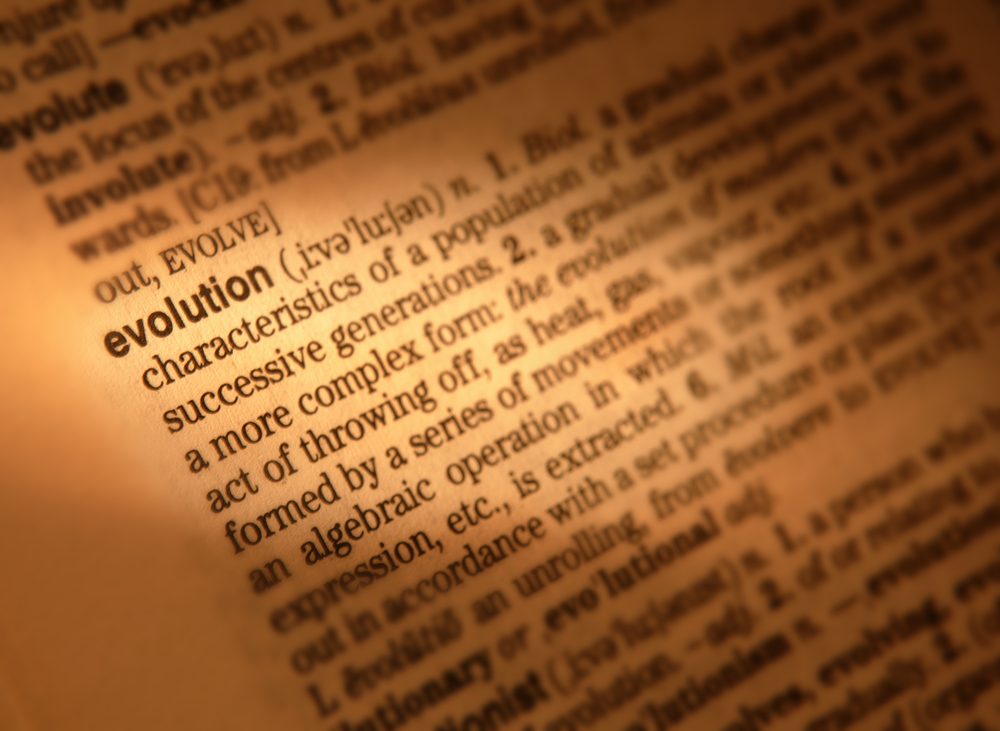
Image credit: Shutterstock.
Perhaps the most interesting aspect of language is how it evolves. In some cases, repeated mispronunciations become so common that they are eventually accepted. Words like “often,” where both pronunciations are now recognized, show how usage can influence correctness. This happens because language is ultimately defined by how people use it. When enough speakers adopt a version of a word, it gains legitimacy over time. Dictionaries and language experts often adapt to reflect this reality. As a result, the line between right and wrong isn’t always fixed. Instead, it changes as communication changes. This dynamic nature is what makes language both complex and constantly evolving.
Why Foreign Words Are Especially Tricky

Many of the most commonly mispronounced words come from other languages, and that’s no coincidence. English speakers tend to apply familiar pronunciation rules to unfamiliar words, which leads to consistent errors. Words like “Louvre” or those that don’t follow English sound patterns, so people instinctively adjust them. Additionally, exposure plays a big role. If you’ve only seen a word written down and never heard it spoken correctly, you’re more likely to guess. Over time, those guesses can spread and feel normal. This is especially true in a globalized world where new words enter everyday conversation faster than ever before.
The Influence of Media and Social Platforms

Image credit: Shutterstock.
Today, pronunciation is shaped just as much by media as it is by education. Social platforms, videos, and even podcasts expose people to a wide range of speech patterns. However, not all of those are correct. In fact, repeated exposure to a mispronounced word online can reinforce it as the “right” version. For example, if a popular creator says a word incorrectly, thousands or even millions of people may adopt that version without question. Over time, this creates a feedback loop where incorrect pronunciations spread quickly. While the media increases awareness, it also accelerates the spread of mistakes in ways we’ve never seen before.
Why Our Brains Simplify Words

Image credit: Shutterstock.
From a psychological perspective, the brain is wired for efficiency. When faced with complex or awkward word structures, it naturally looks for ways to simplify them. That’s why people drop syllables in “library” or rearrange sounds in “nuclear.” This process isn’t laziness, it’s cognitive optimization. The brain prioritizes ease of communication over strict accuracy, especially in fast conversations. As a result, simpler versions of words often take hold. While this makes speaking more efficient, it can also lead to long-term pronunciation habits that deviate from the original form. Understanding this helps explain why these patterns are so consistent across different speakers.
The Confidence Factor in Pronunciation

Image credit: Shutterstock.
Interestingly, confidence plays a role in how people pronounce words. Many individuals assume they’re saying a word correctly and never question it. Unless someone points it out, the mistake can go unnoticed for years. At the same time, people may avoid correcting others to prevent awkwardness, which allows mispronunciations to continue. This creates an environment where incorrect versions persist simply because no one challenges them. In some cases, even when corrected, people revert to the familiar version. This shows how pronunciation isn’t just about knowledge; it’s also influenced by social dynamics and comfort levels.
Why It’s More Common Than You Think

Image credit: Shutterstock.
Mispronouncing words is incredibly common, and it happens to people of all backgrounds. Even language experts occasionally slip up, especially with unfamiliar or rarely used terms. The key takeaway is that pronunciation is a learned behavior, not a fixed skill. It evolves with experience, exposure, and awareness. As more people become conscious of how words are spoken, they may adjust their habits over time.
How to Improve Your Pronunciation Without Overthinking It

If you’ve realized you’ve been saying some of these words incorrectly, don’t worry, fixing them doesn’t have to feel overwhelming. One of the easiest ways to improve pronunciation is simply by listening more closely. Hearing words used correctly in conversations, podcasts, or videos can help retrain your ear over time.
Additionally, repeating words out loud can make a big difference. When you consciously practice a new pronunciation, it becomes easier to replace the old habit. However, it’s important not to overthink every word. Communication is still the goal, and small improvements made consistently tend to stick better than trying to perfect everything at once.
Why Dictionaries Are Still Valuable

Image credit: Shutterstock.
In a world where we rely heavily on quick searches and social media, dictionaries remain one of the most reliable tools for accurate pronunciation. Most modern dictionaries now include audio clips, making it easy to hear how a word should sound. This is especially helpful for unfamiliar or foreign words that don’t follow standard English patterns. Instead of guessing, you can confirm the correct pronunciation instantly. While it may seem old-fashioned, this simple habit can prevent long-term mistakes. Over time, checking pronunciation becomes second nature, helping you build confidence and accuracy without much extra effort.
Teaching the Next Generation Correctly

Image credit: Shutterstock.
Since many pronunciation habits form early, teaching children the correct versions of words can make a lasting difference. Kids often learn by imitation, so the way adults speak around them matters more than formal instruction. By modeling accurate pronunciation and gently correcting mistakes, parents and educators can help children build stronger language foundations. At the same time, it’s important to keep the process positive and encouraging. Language development should feel natural, not pressured. When children feel comfortable experimenting with words, they’re more likely to adopt correct patterns over time.
When Pronunciation Really Matters

Image credit: Shutterstock
While many mispronunciations are harmless, there are situations where accuracy becomes more important. Professional settings, public speaking, and formal communication often call for clearer and more precise language. In these contexts, mispronouncing a word can affect how your message is received. It may create confusion or reduce credibility, even if the mistake is small. That said, perfection isn’t the goal. Being aware of commonly mispronounced words and making an effort to improve can go a long way.
Read More: Top Countries Where Americans Can Live Without a Visa
Language Is Always Changing

One of the most fascinating aspects of language is that it never stays the same. Words shift in meaning, spelling, and pronunciation over time. What was once considered incorrect can eventually become accepted. This constant evolution reflects how people actually use language in real life. Rather than being fixed, language adapts to culture, technology, and communication trends. Mispronunciations are part of that process. They show how people interact with words and reshape them over time. Understanding this helps remove the pressure to be perfect and encourages a more flexible view of communication.
It’s Not Just You, And That’s the Point

If there’s one thing to take away from all of this, it’s that mispronouncing words is incredibly normal. Everyone does it at some point, regardless of their background or education. These mistakes don’t reflect intelligence; they reflect how language is learned and shared. Becoming aware of common mispronunciations can help you communicate more clearly and confidently. It’s not about striving for perfection, but about understanding how words work and where they come from. Language is meant to connect people, creating understanding even when our words aren’t perfect.
A.I. Disclaimer: This article was created with AI assistance and edited by a human for accuracy and clarity.
Read More: 7 Phrases Americans Should Avoid Saying When Traveling Abroad, According to a Travel Expert