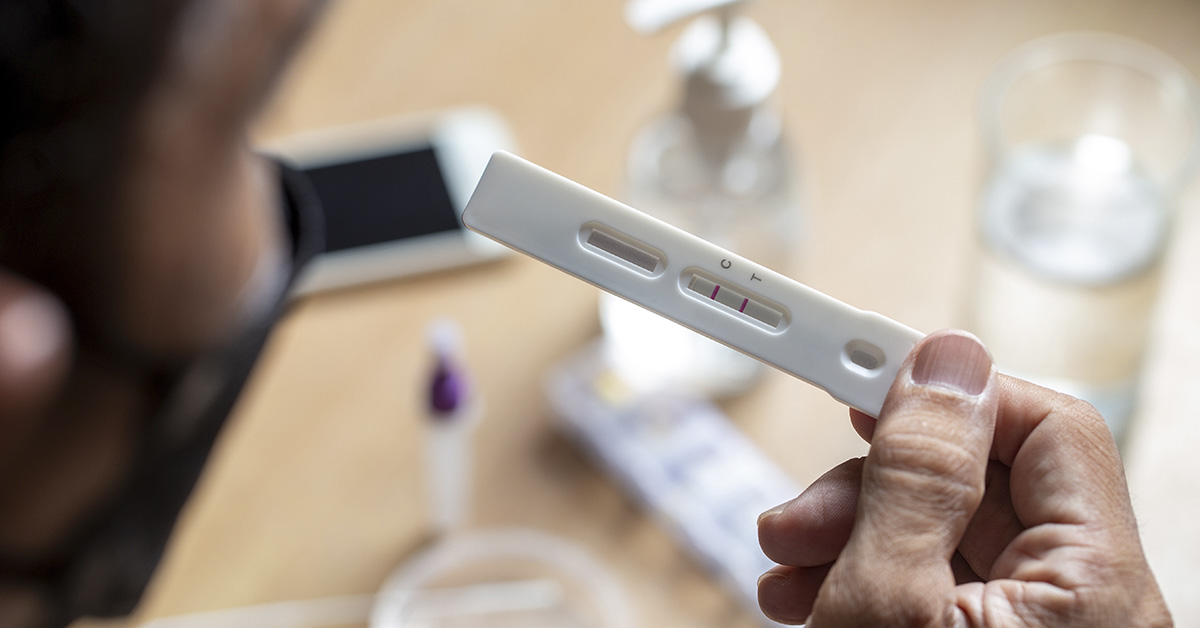

A new COVID variant always attracts attention, especially after years of public fatigue and repeated waves of concern. This time, the variant drawing notice is BA.3.2, nicknamed “Cicada.” It is a COVID-19 variant that health agencies are monitoring closely. That phrasing needs care. BA.3.2 is not a media invention, and it is not a proven game changer either. Experts at the World Health Organization are keeping an eye on this variant because lab tests showed it has changed enough that our immune system may not recognize or fight it as easily as before. However, the WHO risk evaluation said that currently approved vaccines are still expected to protect against severe disease. That balance should guide the whole discussion.
The new COVID variant has shown fast local growth in some areas, especially in parts of Europe and the US, yet broader COVID activity has remained low overall in recent WHO and CDC reporting. Readers, therefore, need a cleaner picture than a dramatic headline can offer. They need to know where BA.3.2 came from, how quickly it has spread, what scientists know about symptoms and severity, how much protection vaccines still provide, and what practical steps still make sense. The key facts are serious enough for attention, yet calmer than the loudest claims online.
Why BA.3.2 Has Drawn So Much Attention
BA.3.2 drew scientific attention because it did not branch from the lineages that dominated much of 2025. Instead, it is a subvariant of BA.3, an older Omicron variant, which immediately made its genetic profile worth studying. In its 5 December 2025 evaluation, the WHO Technical Advisory Group on Virus Evolution classified BA.3.2 as a Variant Under Monitoring. That group did not use casual language. It wrote that BA.3.2 demonstrates “antigenic drift and reduced neutralization in vitro,” which means existing antibodies recognize it less efficiently in laboratory testing. According to WHO, the earliest known BA.3.2 sample was collected in South Africa on 22 November 2024. Later detections appeared in Mozambique, the Netherlands, and Germany before the lineage widened its footprint.
CDC investigators later described BA.3.2 as highly divergent in spike evolution. Their March 2026 MMWR report said the variant carries roughly 70 to 75 substitutions and deletions in the spike gene relative to JN.1 and LP.8.1, which are linked to the 2025 to 2026 vaccine antigens. That scale of change does not prove clinical danger by itself. It does explain why scientists treated the new COVID variant as more than routine viral noise. WHO also recorded reports from Western Australia that suggested rising detections in wastewater, although those signals came during low overall viral activity. That point is important because wastewater can flag movement before case numbers tell a clear story. It can also exaggerate how large a problem seems when overall activity stays limited.
WHO also noted that BA.3.2 later split into 2 sublineages, BA.3.2.1 and BA.3.2.2, which added another reason for close surveillance. Laboratory findings pushed concern further. The WHO risk evaluation found markedly lower neutralizing antibody titers against BA.3.2 than against several JN.1 descendant variants, indicating greater antigenic distance. Researchers, therefore, read BA.3.2 through 2 lenses at once. One lens captures its unusual evolution. The other asks whether those mutations are translating into real-world clinical change. So far, the first signal is stronger than the second. Yet the same WHO document kept its conclusion measured. WHO said BA.3.2 posed a “low additional public health risk” compared with other circulating Omicron descendants.
That sentence captures the central tension around the lineage. It is unusual enough to monitor carefully, but not dangerous enough to justify sweeping claims. The CDC report sharpened that point by warning that spike mutations in BA.3.2 have the potential to reduce protection from prior infection or vaccination, while also stressing that continued genomic surveillance is needed to determine its real public health effect. In other words, scientists see enough to watch, but not enough to panic. The new COVID variant matters because of its biological distance, not because health agencies have linked it to a new crisis. That distinction keeps the discussion honest and keeps readers grounded in evidence rather than anxiety.
Where BA.3.2 Is Rising, And Where It Is Not
Claims that BA.3.2 is spreading quickly are partly true, yet they require location, timing, and scale. The strongest signal has come from parts of Europe, not from every region at once. CDC investigators reported that BA.3.2 detections began increasing in September 2025 and peaked in their global data during the week beginning 7 December 2025. In a later update, CDC said BA.3.2 had been reported by at least 23 countries, with detections in travelers, airplane wastewater, patient samples, and state wastewater systems. The same report estimated prevalence at 0.55% among 5,238 U.S. surveillance sequences collected from 1 December 2025 through 12 March 2026. That figure shows why the phrase spreading quickly needs restraint in the United States.
The variant is present and geographically broad, yet still uncommon in national sequencing. Europe has shown a more concentrated picture. In its week 6, 2026 communicable disease threats report, ECDC said BA.3.2 circulated at a proportion above 40% in Germany and the Netherlands in week 1 of 2026. ECDC also warned that those estimates carried considerable uncertainty because overall circulation and sequence deposition were low. Even so, that remains the clearest evidence of rapid local expansion. WHO’s February 2026 global risk assessment also showed BA.3.2 rising from 1.1% to 3.5% over 3 reported weeks in November 2025, while XFG still dominated worldwide circulation. The broader context is far less dramatic than those country snapshots might suggest.
WHO’s dashboard reported that during the week of 2 to 8 March 2026, SARS-CoV-2 activity remained generally low and stable globally. WHO’s more recent respiratory virus update for week 11 repeated the same core message, saying SARS-CoV-2 activity remained low overall while influenza predominated. CDC trend estimates also pointed in a calmer direction. As of March 24, 2026, the CDC estimates that COVID-19 infections are growing or likely growing in 2 states, declining or likely declining in 34 states, and not changing in 11 states. ECDC’s week 10 report later noted that only 2 countries had sufficient data for estimating recent variant proportions, which is another reminder that sparse sequencing can distort how decisive any single chart looks. Surveillance still works, but readers should understand its limits.
The speed of a lineage inside a thin data stream can sound larger than the absolute burden on hospitals or clinics. Those findings do not cancel the BA.3.2 signal. They place it in the correct frame. A variant can rise quickly inside limited surveillance pockets without driving a broad national or global surge at the same time. That is why public agencies continue to separate variant monitoring from overall epidemic status. The new COVID variant has shown real movement, especially in Europe and in wastewater surveillance, yet current official data still describe a wider environment of low overall activity. Readers should therefore resist the habit of treating every genetic jump as proof of an imminent wave. Sometimes a variant deserves close tracking long before it deserves large conclusions.
What Scientists Know About Severity And Symptoms
The question most people ask first is whether BA.3.2 causes worse illness. At present, health agencies say they have not seen evidence that it does. WHO’s December 2025 risk evaluation stated that currently available data did not show increased hospitalizations, deaths, or severity linked to BA.3.2. ECDC echoed that position in February 2026 and stated, “There is no evidence of increased severity” compared with previously circulating variants. That is a strong sentence, and it deserves full attention. A lineage can show immune escape in the laboratory without becoming more intrinsically severe in patients. WHO’s February 2026 global COVID risk assessment also said current circulating variants appear similar or lower in severity than earlier variants of concern. None of that turns COVID into a trivial infection.
WHO still describes COVID-19 as a significant public health concern, and severe disease continues to affect older adults, immunocompromised people, pregnant women, and people with underlying conditions. WHO’s broader fact sheet also notes that most infected people recover without needing hospital care, which fits the current post-emergency profile of COVID in highly immune populations. Yet severe illness continues to cluster in predictable groups. Age, immune status, chronic disease, and pregnancy still shape risk more clearly than the exact sublineage name in many cases. That does not make lineage tracking pointless. It clarifies what headline readers should prioritize first. A new variant deserves attention, yet personal risk still depends heavily on who gets infected and whether protection is current.
Symptoms also appear to remain within the familiar Omicron era range. WHO’s current fact sheet says the most common symptoms reported for currently circulating variants include fever, chills, sore throat, cough, and tiredness. The same WHO guidance also lists changes in taste or smell, headache, muscle aches, a blocked or runny nose, diarrhea, chest discomfort, and shortness of breath among possible symptoms. For severe disease, the WHO warns about breathing difficulty, confusion, persistent chest pain, and loss of speech or movement. Those warning signs still deserve urgent medical attention. No official agency has identified a unique BA.3.2 symptom pattern that separates it clearly from other recent lineages. That point may sound ordinary, yet it is useful. When people hear about a new COVID variant, they often expect a new symptom profile as well.
Current evidence does not support that expectation. The main advice remains unchanged. Watch for the symptoms clinicians already recognize, take worsening symptoms seriously, and seek care early if you face a higher risk. The absence of a strange new symptom signature should reassure readers, though it should not make them careless. COVID still causes serious illness in vulnerable groups, even when the variant itself does not look unusually severe. The more defensible conclusion is narrower. BA.3.2 looks virologically distinct, but public agencies have not linked it to a more severe disease profile. That should keep attention fixed on the people most likely to need care, while preventing speculation about BA.3.2 from outrunning the slower evidence gathered in hospitals, clinics, and surveillance reports.
How Much Protection Vaccines Still Offer
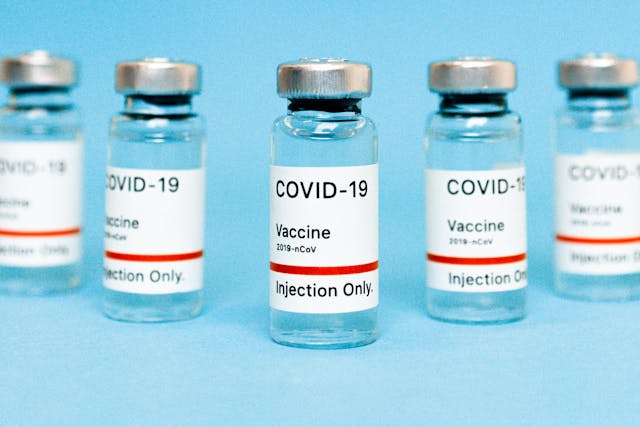
Vaccines remain central to the BA.3.2 discussion because the lineage shows signs of immune escape. WHO’s 18 December 2025 vaccine composition statement said neutralizing antibody titers against BA.3.2 showed a “moderate reduction” compared with titers against JN.1 and LP.8.1. The same WHO document also said post-vaccination titers against BA.3.2 were lower than those measured against the matching vaccine antigen and several other JN. 1-derived variants. That finding should not be softened. BA.3.2 challenges existing antibody responses more than many recent lineages do. Yet, the WHO did not treat that result as a reason to abandon confidence in vaccination; its BA.3.2 risk evaluation said that currently approved COVID-19 vaccines are expected to continue providing protection against severe disease.
ECDC reached a similar conclusion and reported that JN.1 and LP.8.1 adapted booster vaccines effectively induced broad humoral immunity against BA.3.2 and other circulating subvariants. WHO’s vaccine statement also explained why the advisory group still supported JN.1 lineage antigens for the next formulation cycle. The group reviewed genetic evolution, antigenic data, immune responses after infection and vaccination, and the performance of approved vaccines against circulating strains. In other words, BA.3.2 did not appear in a vacuum. Experts compared it with a broader moving field. Their decision suggests concern, but not a wholesale failure of the current vaccine strategy. Recent peer-reviewed evidence also supports a practical, outcome-based view of vaccination.
In a 2026 study indexed in PubMed, KC Ma and colleagues estimated the effectiveness of 2024 to 2025 COVID-19 vaccines against hospitalization and severe in-hospital outcomes across several JN.1 descendant lineages. They found meaningful protection against hospitalization and against severe outcomes, even while immune-evasive mutations circulated. Another 2026 PubMed-indexed study by I Jayawardena and colleagues reported that the 2024 to 2025 mRNA vaccine showed moderate protection against hospitalization and emergency department care or more severe outcomes in a large South Carolina health system. Those studies were not BA.3.2 specific, so they should not be overstated. They still help readers interpret what matters most in real life. Vaccines do not need perfect lineage matching to reduce the worst outcomes.
WHO’s fact sheet adds the policy angle, saying it continues to recommend COVID-19 vaccination using a risk-based approach and that high-risk groups may need revaccination 6 to 12 months after the most recent dose. The new COVID variant, therefore, does not erase the basic vaccine logic. It reinforces the value of keeping protection current, especially for people who face the highest risk from infection. A headline about immune escape can sound final. The real public health answer is more grounded, because protection against severe disease still carries the greatest weight. That distinction also explains why booster policy still focuses on preventing hospitalization, not promising perfect protection against infection, especially when a fast-moving lineage accumulates mutations that change antibody recognition but do not erase broader immune defense in most vulnerable groups.
What People Should Do Right Now
For most readers, the sensible response to BA.3.2 is caution, not panic. People in higher-risk groups should stay current with COVID vaccination under local guidance. WHO still recommends risk-based vaccination and periodic revaccination for many high-priority groups. People who develop symptoms should avoid close contact with others, especially older adults and medically vulnerable relatives. Testing can still clarify the picture, but treatment timing matters even more for eligible patients. CDC says treatment must begin within 5 to 7 days after symptoms first appear. Its outpatient guidance urges clinicians to start treatment early for patients with severe illness risk factors. WHO’s fact sheet also says high-risk people should seek medical care as soon as possible. That matters most for older adults, pregnant people, and anyone whose immune system cannot easily recover. For them, small delays can turn a manageable infection into a harder illness that needs faster attention.
Those recommendations remain steady because the underlying threat has not fundamentally changed. The greatest danger still falls on people with weaker protection or greater medical vulnerability. The new COVID variant does not require a brand new playbook. It requires steady use of the guidance public health agencies have already built. That includes updated vaccination, early testing when useful, cleaner air, masking when appropriate, and prompt care. WHO and CDC still place cleaner air, basic hygiene, and sensible precautions around symptoms within the practical response. None of those steps became obsolete because public attention moved elsewhere. They still cut transmission in everyday settings, especially during the first days after symptoms begin.
For households with older adults, cancer patients, transplant recipients, or people with major chronic illnesses, those early choices matter. A calmer COVID period should make targeted prevention easier to apply in practice. People can focus their efforts where the risk remains highest. The final point is uncertainty, because uncertainty still shapes global COVID surveillance in 2026. WHO has warned about persistent gaps in reporting cases, hospitalizations, deaths, and genomic data. That means every confident projection still deserves caution. BA.3.2 may continue rising in some countries, or level off as another lineage takes its place. That uncertainty does not weaken the facts already in hand. WHO has classified BA.3.2 as a Variant Under Monitoring. CDC has documented its spread across travelers, patients, wastewater systems, and multiple countries.
ECDC has recorded sharp proportions in parts of Europe. Meanwhile, the WHO and CDC still describe broader COVID activity as relatively low. Those points can all be true at once. The cleanest conclusion is therefore the least theatrical one. BA.3.2 is a real and closely watched lineage with notable genetic distance and measurable immune escape. However, health agencies have not shown that it causes more severe disease. They still expect vaccines to protect against severe outcomes. Readers should take the new COVID variant seriously enough to stay informed and prepared. They should also resist turning every surveillance signal into a crisis before evidence supports that leap. Measured vigilance and timely care still offer the strongest protection.
Disclaimer: This information is not intended to be a substitute for professional medical advice, diagnosis or treatment and is for information only. Always seek the advice of your physician or another qualified health provider with any questions about your medical condition and/or current medication. Do not disregard professional medical advice or delay seeking advice or treatment because of something you have read here.
A.I. Disclaimer: This article was created with AI assistance and edited by a human for accuracy and clarity.
Read More: First American to Get COVID Shot Reveals What Happened Over 6 Years