
There’s a version of the GLP-1 weight loss story that most patients hear, and then there’s the one orthopedic surgeons are quietly telling each other at conferences. Both are true. Neither one is complete without the other.
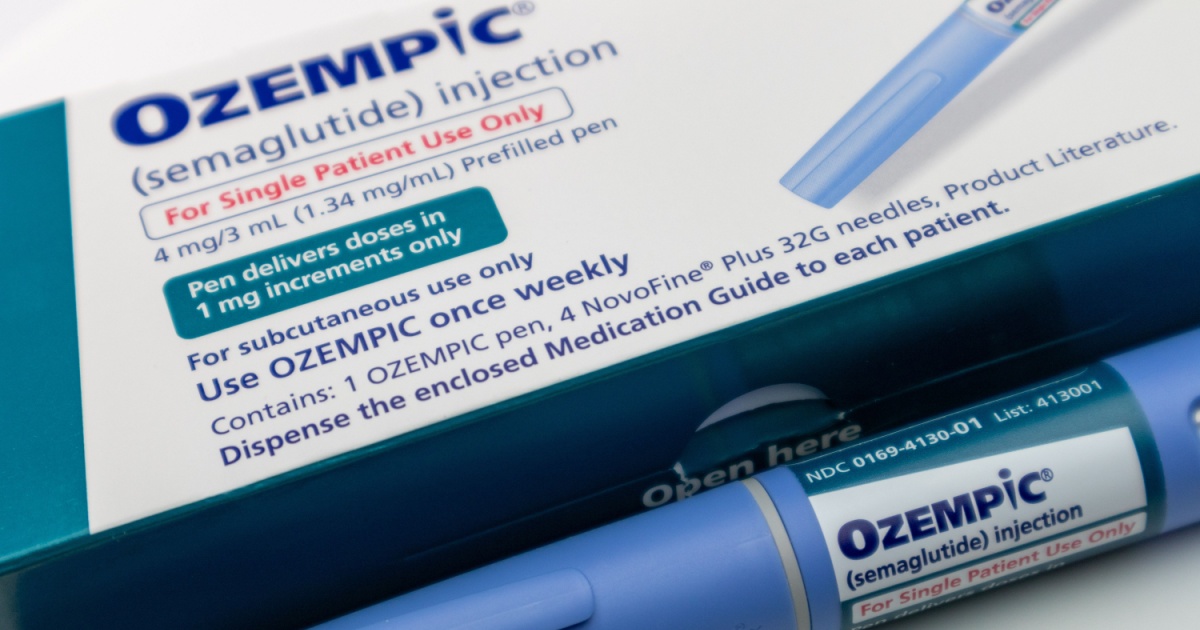
Millions of Americans are now using semaglutide (sold as Ozempic and Wegovy) or tirzepatide (sold as Mounjaro and Zepbound) to shed significant amounts of weight, often with remarkable speed. For many, the results have been genuinely life-changing. Clothes fit differently. Joints feel better. Lab numbers improve. But as these drugs move from specialist clinics into everyday primary care, a different kind of question is starting to surface from the orthopedic and musculoskeletal world: what exactly is happening to the body’s structural framework while those pounds disappear?
The answer involves good news, sobering data, and a practical roadmap that most prescribers aren’t handing out at the appointment where the prescription is written.
The Joint Relief Is Real
Start with the upside, because it genuinely is significant. For people carrying extra weight alongside chronic knee pain, these medications have produced meaningful results in clinical trials.
The STEP 9 trial was a 68-week, double-blind, randomized study conducted across 61 sites in 11 countries. Participants had obesity and a clinically confirmed diagnosis of moderate knee osteoarthritis with at least moderate pain, and were assigned to once-weekly injectable semaglutide or placebo, alongside diet counseling and physical activity guidance. By the end of the study, participants on semaglutide lost an average of 13.7% of their body weight compared to 3.2% in the placebo group, and their standardized knee pain scores dropped by 41.7 points versus 27.5 points for those on placebo.
The physical function improvement was just as meaningful. Participants in the semaglutide group showed greater gains in physical function scores compared to those on placebo. Some of this pain relief is almost certainly mechanical: less body weight means fewer pounds of pressure bearing down on the knee joint with every step. Research suggests that for every pound of body weight lost, four pounds of pressure is removed from the knees. At 13.7% weight loss, that adds up fast.
There is also preliminary 2025 data suggesting these medications may have direct anti-inflammatory effects on joint tissue by activating GLP-1 receptors found inside the human knee, though researchers are clear this is early-stage evidence that requires further investigation before drawing firm conclusions.
The Side of the Story Most Patients Don’t Hear
Here’s where the picture gets more complicated. Losing weight rapidly, whether by medication, surgery, or caloric restriction, does not affect only fat tissue. It affects bone and muscle too, and the research coming out of orthopedic conferences in 2026 is drawing serious attention to that fact.
Research presented at the American Academy of Orthopedic Surgeons’ annual meeting found that GLP-1 drugs, including Ozempic and Wegovy, may be tied to a slightly higher risk of osteoporosis and gout. Dr. John Horneff, an associate professor of orthopedic surgery at the University of Pennsylvania and lead author of the study, said he began investigating the issue after some patients appeared to develop serious tendon tears following relatively minor injuries, which led him to examine whether GLP-1s might affect bone and connective tissue more broadly.
About 4% of GLP-1 users in the study developed osteoporosis, compared to just over 3% of non-users, representing roughly a 30% higher relative risk. A related condition called osteomalacia, which involves a softening of the bones, was rare but occurred about twice as often among people taking GLP-1 medications.
A separate study added more detail. Research found that GLP-1 drugs may raise fracture risk by 11% in adults aged 65 and older with Type 2 diabetes compared to those taking other diabetes medications. Dr. Horneff explained the mechanism using an analogy: it’s similar to what happens to astronauts in zero gravity for extended periods. With less weight pressing down on the skeleton, there’s nothing forcing the bones to hold their load, and many astronauts return from space with lower bone density.
Nutrient intake matters here too. Eating fewer calories can also mean lower intake of calcium, vitamin D, and protein, all nutrients that are critical for bone strength. Rapid weight loss can also trigger a temporary spike in uric acid, the compound responsible for gout.
It’s important to give context here because losing bone density isn’t a unique potential side effect of GLP-1s; it happens with any weight loss, which doesn’t include some form of resistance training. Dr. Spencer Nadolsky, lipid specialist and obesity doctor, explains in the video below.
What Happens to Muscle During Rapid Weight Loss
Bone loss is one concern. Muscle loss is another, and the two are closely connected.
A 2024 phase 2 randomized controlled trial published in eClinicalMedicine found that 52 weeks of once-weekly semaglutide reduced hip bone mineral density by 2.6% and lumbar spine density by 2.1% compared to placebo, with increased bone resorption and no compensatory increase in bone formation.
The muscle picture comes from a separate high-quality dataset. The SURMOUNT-1 DXA substudy, published in Diabetes, Obesity and Metabolism in 2025, showed that tirzepatide reduced total lean mass by 10.9% over 72 weeks. Lean mass includes muscle, and muscle is not just cosmetically important. For an orthopedic surgeon, muscle mass is a primary driver of joint stability, injury prevention, and post-surgical recovery.
Research presented at the Endocrine Society’s ENDO 2025 meeting found that women and older adults taking semaglutide may be at higher risk for muscle loss. Losing muscle is a common side effect of weight loss in adults with obesity and can negatively affect metabolism and bone health, since muscle helps control blood sugar after meals and plays an important role in keeping bones strong.
Loss of lean body mass, especially muscle, can contribute to frailty, sarcopenia (age-related muscle decline), and metabolic decline, all of which are particularly concerning in aging populations or individuals with low baseline muscle mass.
It’s worth pausing to keep this in perspective, though. The research does not prove cause and effect. Several factors, including diet and exercise habits, weren’t captured in the analyzed data. And not all studies point in the same direction. A related study presented at the same orthopedic conference found that people taking GLP-1 medications actually had better recovery outcomes, on average, from procedures like hip and knee replacements. It’s not as straightforward as saying GLP-1 treatments are bad for bones.
Why Exercise and Protein Are Not Optional Add-Ons
The good news about all of this is that the risks to bone and muscle during GLP-1 therapy are not inevitable. They are largely modifiable, and the tools to address them are well understood.
The first is resistance training. When you lift weights or perform any exercise that puts mechanical stress on your skeleton, your bones respond by rebuilding and reinforcing themselves. This process is called mechanotransduction, where the physical load on bone tissue signals the body to strengthen its structure. Incorporating regular exercise can help mitigate potential bone loss from GLP-1 drugs due to rapid weight loss.
A joint scientific advisory from four major US health organizations, including the American College of Lifestyle Medicine, the American Society for Nutrition, the Obesity Medicine Association, and the Obesity Society, makes the combination explicit. Sufficient dietary protein should be a priority to help preserve muscle mass and bone density, particularly in combination with a structured strength training program. Rapid weight reduction with GLP-1s can also affect bone density. Weight reduction that is substantial (14% or more) and rapid, occurring over three to four months, is associated with significant bone loss, whereas more moderate and slower weight reduction may better preserve bone mass.
How much protein is enough? Fitness professionals and clinicians generally recommend 1.2 to 2.0 grams of protein per kilogram of body weight daily for people on GLP-1 medications, depending on training status and individual goals. This is considerably higher than the standard adult baseline of 0.8g/kg/day. For a person weighing 70 kilograms (154 pounds), that translates to roughly 84 to 112 grams of protein daily to support muscle repair and maintain lean mass during caloric restriction.
Evidence points toward protein intake of more than 1.2 grams per kilogram of body weight daily, evenly distributed across meals, combined with aerobic activity and structured resistance training as the key strategy for preserving lean mass with GLP-1 therapies.
One practical hurdle: GLP-1 medications significantly suppress appetite, which is the whole point of how they work. But that reduced hunger makes it easy to undereat protein without realizing it. A joint advisory from four major US health organizations recommends that people on GLP-1 medications eat the protein portion of their meal first to ensure it gets consumed before appetite fades. Protein supplements can help meet daily intake goals of 1.2 to 2.0g/kg, and when combined with resistance training, whey protein in particular can help preserve lean body mass during weight loss.
If you’re on GLP-1 therapy and concerned about the connection between weight loss and muscle health, resistance training is the single most evidence-supported countermeasure available.
Who Needs to Pay Extra Attention
Not everyone on these medications faces the same level of risk. Bone loss is influenced by initial body weight, age, sex, physical activity level, extent of energy restriction and protein intake, and the rate of weight reduction, with older individuals and postmenopausal women experiencing greater bone loss.
While weight loss can improve chronic conditions such as hypertension, diabetes, and mobility disability, it presents a unique challenge for older adults because of its potential negative impact on bone health. Any patient over 65, anyone with low baseline bone density, or anyone with a history of fragility fractures should be having a direct conversation with their prescribing physician about bone health monitoring before and during treatment.
When a patient is prone to osteoporosis, gout, or osteomalacia, clinicians should consider bone health surveillance and monitor for delayed-onset complications in at-risk populations, according to the research team that presented at the American Academy of Orthopaedic Surgeons’ meeting.
In the absence of structured nutrition and exercise efforts, loss of muscle and bone may be worsened by intermittent use of GLP-1s and weight cycling (losing and regaining weight repeatedly), increasing risk of sarcopenic obesity, a condition where low muscle mass coexists with excess body fat.
Read More: New Ozempic Side Effect Sparks Growing Concern Among Users
What to Do Now
The science around GLP-1 medications is still developing. Researchers note that “we are just now reaching the point where five- and ten-year follow-up data is becoming available for patients taking GLP-1 medications,” meaning the full long-term picture is still coming into focus. That uncertainty cuts both ways: some of the early concerns may soften with more data, and some may sharpen.
What is already clear is that these drugs work best when they’re paired with a deliberate plan to protect the body’s structural foundation. The weight loss is the easy part, in a sense. The harder work is making sure you lose the right kind of weight, mostly fat and not the muscle and bone density that support everything else you do in your body.
If you’re currently taking a GLP-1 medication, or considering one, here is what the evidence currently supports. Aim for at least two to three resistance training sessions per week targeting major muscle groups. Focus on compound movements like squats, lunges, push-ups, rows, and deadlifts. Prioritize protein at every meal and aim for the higher end of the 1.2 to 2.0g/kg range. Get your calcium and vitamin D from food or supplements if your dietary intake is low. And talk to your doctor about whether a baseline bone density scan (called a DXA scan) makes sense for you, especially if you’re over 50 or have other risk factors.
Experts are clear that these findings should not discourage appropriate use of GLP-1 medications, which have proven benefits for blood sugar control, weight loss, and cardiovascular risk reduction. The goal is to use them wisely, not to avoid them. That means treating protein and strength training not as optional extras, but as essential parts of the prescription.
Disclaimer: The author is not a licensed medical professional. The information provided is for general informational and educational purposes only and is based on research from publicly available, reputable sources. It is not intended to constitute, and should not be relied upon as, medical advice, diagnosis, or treatment. Always consult a licensed physician or other qualified healthcare provider regarding any medical condition, symptoms, or medications. Do not disregard, avoid, or delay seeking professional medical advice or treatment because of information contained herein.
AI Disclaimer: This article was created with the assistance of AI tools and reviewed by a human editor.