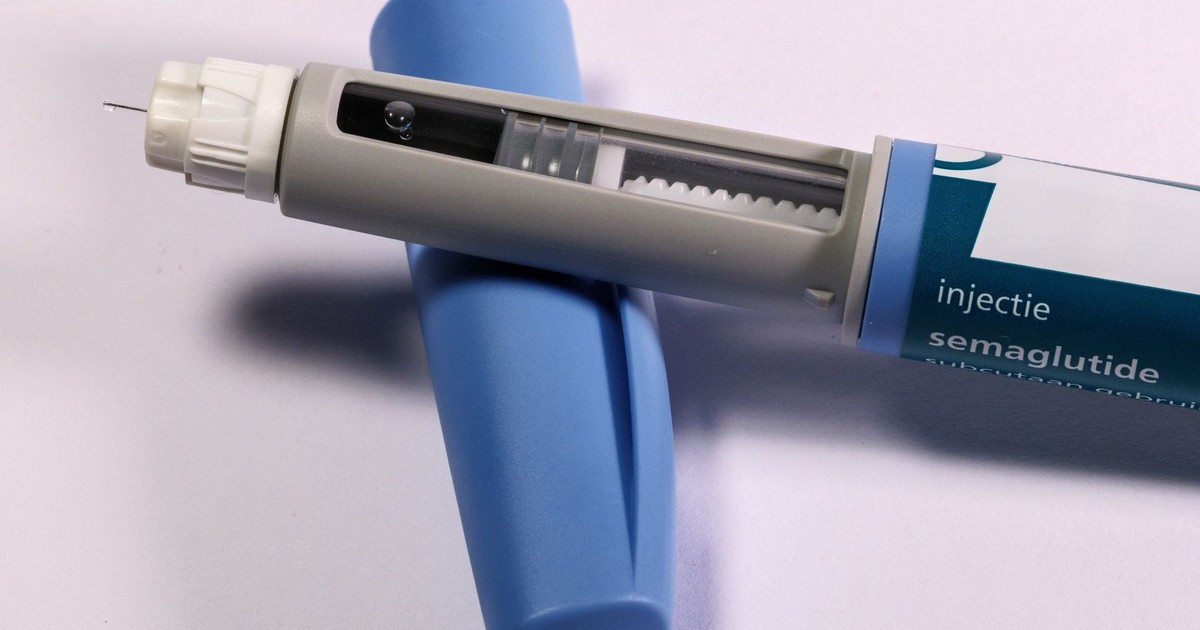

Podiatrists working in major U.S. cities began noticing it in late 2025: patients on Ozempic, Wegovy, Mounjaro, or Zepbound were walking in with feet that looked dramatically different from the ones they’d come in with just months earlier. Bonier. Looser. The veins more visible. The skin no longer fitting quite right. Some patients described it as feeling like they were “walking on pebbles.” Others said they just couldn’t find shoes that fit anymore. The medication label listed nothing of the sort.
The term now making its way through podiatry clinics and social media alike is “Ozempic feet,” and as GLP-1 drugs continue to gain popularity for weight loss, it’s drawing serious attention from podiatrists across the country. The condition isn’t a single dramatic complication. It’s a cluster of structural foot changes that happen when the body loses fat quickly – and the feet, which depend on fat more than most people realize, bear the consequences.
To understand why this happens, it helps to know what the foot is actually made of. Beneath the heel and the ball of the foot lie specialized fat pads – dense, compartmentalized cushions built to absorb shock with every step. The plantar fat pad is the layer of soft tissue between the skin and the heel bone that cushions and supports the heel. People carry these pads their entire lives without giving them much thought, until they start to disappear.
What “Ozempic Feet” Actually Means
Developing Ozempic feet means rapid weight loss has sped up the natural process of fat pad atrophy in the feet. Fat pad atrophy happens to everyone eventually – it’s part of normal aging – but GLP-1 medications are compressing years of gradual change into months. When weight is lost rapidly, it can thin the plantar fat pad and lead to heel pain, especially when walking or running.
The physical changes patients notice aren’t subtle. The skin starts to sag, and the veins of the feet appear more prominent. But the aesthetic changes are only part of the story. The plantar fat pads under the heel and ball of the foot become thinner, reducing their cushioning ability, and this atrophy can make walking on hard surfaces painful and increase the risk of developing pressure-related injuries.
Reduced padding can lead to problems such as corns, calluses, and discomfort when walking barefoot on hard surfaces for extended periods. Dr. Dana Figura, a podiatric foot and ankle surgery specialist, put it in plain terms. “Some patients have gone down a full shoe size, and some have gone from a wide foot to a regular or narrow foot,” Figura said. “These aren’t vanity complaints. They’re functional problems that can lead to blisters, calluses, ulcers and, in patients with diabetes, much more serious wounds.”
The pain pattern from fat pad thinning is distinct and worth recognizing. Fat pad atrophy produces a deep, cushion-less sensation under the heel bone, whereas plantar fasciitis – the far more commonly recognized heel condition – typically produces sharp pain closer to the arch, on the inside of the heel. According to Physio-Pedia, heel fat pad syndrome is the second leading cause of plantar heel pain at 14.8%, trailing only plantar fasciitis. Knowing the difference matters for getting the right treatment.
The Scale of the Problem
“Ozempic feet” is not listed among the most common side effects of Ozempic, Wegovy, or other GLP-1 medications. That official silence has left both patients and many clinicians unprepared. And with the number of people on these drugs growing at a pace that would have seemed implausible five years ago, the gap between what’s on the label and what’s appearing in exam rooms is widening fast.
As GLP-1 drugs continue to be a boon for weight loss patients, this lesser-known side effect is drawing attention from podiatrists nationwide. According to Gallup, 11% of U.S. adults currently take GLP-1 medications for weight loss as of 2026, up from just 3% in 2024. And Truveta’s prescription tracking data shows that as of March 2026, nearly 8 out of every 100 prescriptions in the U.S. were for GLP-1 receptor agonists – representing the largest quarter-over-quarter increase recorded since 2019, with nearly 2.9 million patients prescribed a GLP-1 receptor agonist between January 2019 and March 2026.
Data presented at the American Diabetes Association’s 85th Scientific Sessions in 2025 showed that the number of Americans using incretin-based therapies, the drug class that includes semaglutide, increased by nearly 600% over the previous five years. That growth trajectory makes foot complications a public health issue, not just a niche podiatric one.
Major podiatry practices in New York, Los Angeles, Chicago, Houston, Dallas, Atlanta, Miami, Philadelphia, and other cities have reported patient presentations consistent with Ozempic feet. The Medical Daily reports that the first crystallized national attention on the condition noted that, as of July 2026, no peer-reviewed study has formally characterized “Ozempic feet” as a clinical entity. The evidence base at this point is clinical observation, patient reports, and expert commentary – real, consistent, and clinically significant, but not yet backed by randomized controlled trials.
Why Fat Loss Hits the Feet So Hard
The fat pads in the feet aren’t generic body fat. They’re highly structured, compartmentalized tissue that evolved specifically to absorb impact. When GLP-1 medications drive significant calorie restriction and weight loss, the body doesn’t selectively protect these specialized structures. Fat is mobilized from wherever it’s stored – including the cushioning layers under the heel and ball of the foot.
When significant extra weight is carried for years, the foot structure adapts to that load. Arches flatten. The plantar fascia stretches. The fat pads compress. When 40, 60, or 100 pounds are lost, those structures don’t snap back to their original shape – they adjust slowly, and during that adjustment, the foot is essentially a different foot than the one the shoes were sized to.
Muscle loss compounds the problem. A systematic review and meta-analysis published in the journal Obesity in 2025 found that lean mass made up about 30.8% of total body weight lost during GLP-1 therapy. For the feet specifically, this matters because the tiny intrinsic muscles in the feet support the arches and maintain stability. As they shrink, foot mechanics change. The arch may flatten differently. Gait may shift. Calf muscles also lose mass, which affects how the Achilles tendon loads and how stable the ankle feels.
There is some reassurance from more recent research. A March 2026 study by Langer and colleagues published in Cell Reports Medicine found that weight loss on GLP-1 medications does not result in a disproportionate loss of muscle mass or function, particularly when patients maintain resistance training. That caveat is critical: “when patients maintain resistance training.” It implies that sedentary GLP-1 users are precisely the group at greatest structural risk in the feet. You can find more on how GLP-1 medications affect the wider musculoskeletal system in this earlier Hearty Soul piece on what orthopedic surgeons want patients to know.
The skin change layer adds one more dimension. Dr. Claire Morrow, an orthopedic clinical specialist, noted that “if weight loss is too rapid, the skin doesn’t have time to adjust,” which results in the loose, deflated appearance on the tops and sides of the feet that many patients find distressing. People who lose more than 15 to 20% of their body weight in under a year may be at higher risk for these kinds of changes.
Who Is Most at Risk
GLP-1 users who have lost 40 pounds or more, particularly those who lost weight rapidly over several months, are at elevated risk, as are patients with pre-existing conditions that thin fat pads – including those with diabetes, which is itself associated with reduced plantar fat pad volume – who then experience additional fat loss from GLP-1 medications. People who are on their feet for extended periods, including nurses, teachers, retail workers, restaurant staff, and anyone with a standing-dominant occupation, may experience pain earlier due to higher mechanical demand.
Patients with diabetes face a double vulnerability. Those with type 2 diabetes already have an increased risk of diabetic foot complications, including neuropathy and foot ulcers. According to the CDC, 26.5% of adults with diagnosed diabetes were already using GLP-1 injectables in 2024, with usage highest in the 50 to 64 age group at 33.3%. When fat pad thinning is layered on top of pre-existing neuropathy, even mild pressure injuries can become serious wounds.
Sedentary patients who don’t engage in resistance training during weight loss are more likely to lose muscle mass and fat pad integrity. Age matters too. Older adults already experience natural fat pad thinning as part of aging, meaning someone in their 60s losing 50 pounds on a GLP-1 drug may cross the threshold into genuinely painful foot changes far more quickly than a younger patient losing the same amount.
What to Do If Your Feet Are Changing
The answer is not to stop the medication. The solution is cushioning, proper footwear, re-fitting shoes, and podiatric evaluation for anyone with persistent pain. The underlying weight loss is genuinely good for feet over the long term. Managing the transition is the challenge.
When fat pads thin, patients experience new heel pain and ball-of-foot pain even as they lose weight. High-cushioning footwear and metatarsal pads during the weight loss phase can provide meaningful relief. Dr. Figura also recommends getting feet measured again, wearing the correct shoe size, and using extra cushioning, such as heel cups or inserts, if the fat pads feel thinner.
For more severe cases, off-the-shelf orthotic insoles can partially compensate for reduced plantar fat pad volume, while custom orthotics, prescribed by a podiatrist, provide a more complete solution.
On the prevention side, protein intake and resistance training are the two most actionable levers. Maintaining muscle mass during weight loss preserves the intrinsic foot muscles that support arch stability. The Mayo Clinic notes that people taking GLP-1 medications often lose 15% to 20% of their body weight in clinical trials, which is more dramatic than most weight-loss interventions, and that muscle preservation strategies are essential throughout that process.
What This Means for You
Anyone taking a GLP-1 medication who has lost 30 pounds or more should be paying attention to their feet. The warning signs to look for include new heel pain when walking, a burning or aching sensation in the ball of the foot, shoes that suddenly feel too wide or too long, skin on the feet that looks looser or deflated, and visible tendons or veins that weren’t prominent before.
These symptoms don’t require stopping medication. They do require action. Schedule a podiatric evaluation if the pain is persistent. Get your feet re-measured before buying new footwear – losing significant weight frequently changes shoe size and shape requirements. Wear cushioned insoles or gel heel pads in the interim. And if you haven’t been doing resistance training alongside your GLP-1 therapy, this is a specific, evidence-based reason to start. The research from Langer et al. in 2026 is clear that resistance exercise is what separates patients who preserve functional muscle mass from those who don’t – and that distinction shows up in the feet just as much as anywhere else in the body.
Disclaimer: The author is not a licensed medical professional. The information provided is for general informational and educational purposes only and is based on research from publicly available, reputable sources. It is not intended to constitute, and should not be relied upon as, medical advice, diagnosis, or treatment. Always consult a licensed physician or other qualified healthcare provider regarding any medical condition, symptoms, or medications. Do not disregard, avoid, or delay seeking professional medical advice or treatment because of information contained herein.
AI Disclaimer: This article was created with the assistance of AI tools and reviewed by a human editor.
Read More: What Really Happens to Your Body When You Quit Ozempic