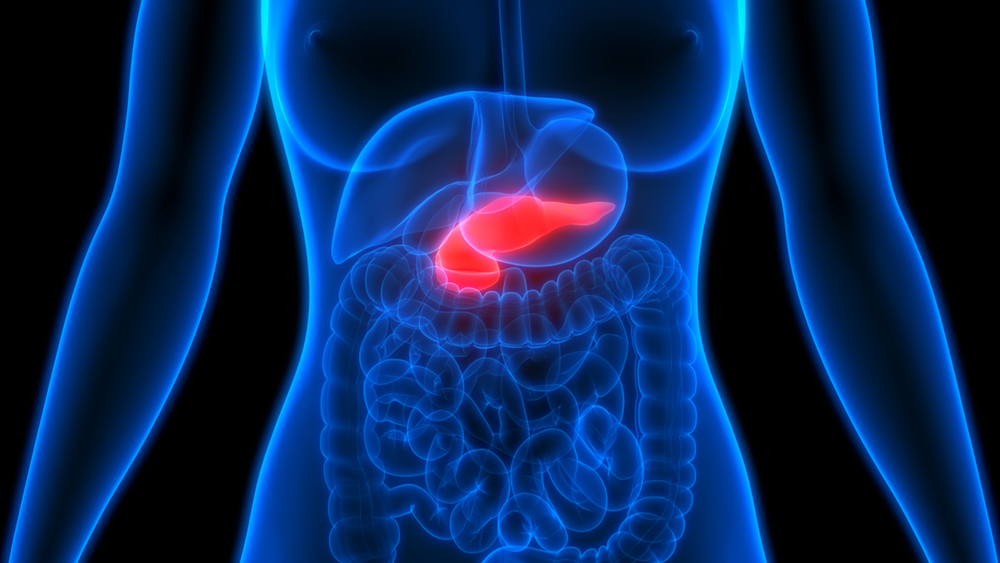

Pancreatic cancer remains the third-leading cause of cancer-related deaths in the United States, after lung and colon cancers. The five-year survival rate holds at just 13%. Some estimates put the five-year survival rate even lower, at around 10%, making it one of the most lethal of all malignancies. Yet a meaningful proportion of cases are connected to factors that are either modifiable through lifestyle change or identifiable through genetic testing. This report provides a comprehensive breakdown of every major risk factor, graded by the strength of current evidence, including newly clarified data on weight-loss medications, dietary patterns, inherited mutations, and the compounding danger when multiple risk factors occur together.
Smoking: Still the Single Largest Modifiable Risk Factor
Of all the habits and conditions linked to pancreatic cancer, smoking carries the most consistent, well-established evidence. Smoking is one of the most important risk factors for the disease. The risk of getting pancreatic cancer is about twice as high among people who smoke compared to those who have never smoked. It may cause between 20 and 30% of all exocrine pancreatic cancer cases.
The risk does not apply only to cigarettes. Cigar smoking and the use of smokeless tobacco products also increase the risk. The good news: it’s never too late to stop smoking, since the risk of pancreatic cancer will drop once a person stops.
A 2025 global analysis based on GBD 2021 data reported that smoking’s contribution to pancreatic cancer deaths declined slightly between 2000 and 2021, from 16.45% to 13.84%, likely reflecting long-term decreases in smoking rates in high-income countries. But the absolute burden remains large. Smoking continues to be a potentially modifiable lifestyle risk factor with the strongest correlation with pancreatic cancer. For current smokers, quitting is the single highest-impact lifestyle change available.
Obesity, Excess Body Weight, and Abdominal Fat
Having excess body weight is a risk factor for pancreatic cancer. People with obesity, defined as a BMI of 30 or more, are about 20% more likely to develop the disease. Carrying extra weight around the waistline may be a risk factor even in people who do not have a lot of excess body weight overall.
The biological reasons are not mysterious. Obesity affects cancer risk in several ways: it can raise estrogen levels, which fuel certain hormone-related cancers; increase insulin and insulin-like growth factors that help tumors grow; and drive chronic inflammation that creates an environment where cancer is more likely to develop and spread.
The contribution of high BMI to all-age pancreatic cancer deaths increased from 3.19% in 2000 to 4.69% in 2021, according to a 2025 global analysis of GBD 2021 data. Meanwhile, the risk is even higher in people who are obese during early adulthood, and people with excessive abdominal fat may have an increased risk even if they are not classified as obese overall.
For those managing their weight, signs of pancreatic cancer are just as important to recognize, since excess body weight is rarely the only risk factor in play.
Type 2 Diabetes and Blood Sugar Dysregulation
The relationship between diabetes and pancreatic cancer runs in two directions, and both matter. Diabetes is both a risk factor for developing the disease and potentially an early symptom of it.
According to the NCI, Prediabetes is associated with a 40% increase in pancreatic cancer risk, and type 2 diabetes significantly increases the overall annual incidence rate of pancreatic cancer compared with the general population. The contribution of high fasting plasma glucose to pancreatic cancer deaths rose from 27.24% in 2000 to 35.78% in 2021, the sharpest proportional increase of any single risk factor tracked over that period in the GBD 2021 analysis.
Pancreatic cancer is more likely to occur in people who have had diabetes for more than five years. Research also suggests that a sudden onset of type 2 diabetes may be an early symptom of the cancer itself, especially in those who are over 50, have a low BMI, are losing weight, or do not have a family history of diabetes.
This creates a difficult clinical situation: in some patients, the cancer actually causes the diabetes, not the other way around. A recent systematic review suggested that new-onset diabetes, especially when associated with advanced age, a family history of pancreatic cancer, a personal history of gallstones or pancreatitis, and weight loss, is strongly correlated with pancreatic cancer and could be used as a basis for further screening strategies.
Anyone who develops diabetes suddenly in their 50s or 60s without obvious risk factors, particularly if accompanied by weight loss, should discuss pancreatic screening with their physician.
Pancreatitis: Acute, Chronic, and the Compounding Effect
Pancreatitis is inflammation of the pancreas. When it becomes chronic, meaning it persists and recurs over years, it creates conditions in which cancer can take hold. People with chronic pancreatitis have an increased risk of developing pancreatic cancer.
A 2025 nationwide case-control study from Yonsei University College of Medicine, published in Diabetes and Metabolism Journal, found that having both type 2 diabetes and pancreatitis raises cancer risk far more than either condition alone. The coexistence of type 2 diabetes and pancreatitis may have an additive effect on pancreatic cancer risk, with risk being significantly higher in patients with both conditions than in those with either condition alone.
Compared to people with neither condition, those with post-pancreatitis diabetes who were using insulin had a 17-fold increased risk of pancreatic cancer, and individuals with post-pancreatitis diabetes diagnosed within three years had more than an 8-fold increased risk.
The picture becomes especially striking in that high-risk insulin-using subgroup. The full study details are available at PubMed. Chronic pancreatitis itself is frequently caused by long-term heavy alcohol use and gallstones. Managing alcohol intake and treating gallstone disease early are therefore indirectly protective against both conditions.
Alcohol: A Risk Factor With Important Nuance
Alcohol is a known carcinogen, yet the evidence for an association with pancreatic cancer risk is considered limited or inconclusive by some international expert panels. That does not mean the association is absent. It means the relationship is not as straightforward as it is for, say, liver or esophageal cancer.
Some research suggests a link between heavy alcohol use and pancreatic cancer. The risk of developing the disease is higher in people who drink more than three alcoholic drinks daily. The mechanism is largely indirect: heavy alcohol consumption, especially hard liquor, is a risk factor, though the association is often influenced by smoking, since many people with heavy drinking habits also smoke.
The most compelling pathway is through pancreatitis. Chronic heavy drinking is one of the leading causes of chronic pancreatitis, which, as described above, substantially elevates cancer risk. Moderating alcohol intake to well below the threshold of heavy drinking is a practical step with multi-system health benefits.
Diet: Red Meat, Processed Meat, and the Saturated Fat Question
Dietary patterns have a less dramatic but still meaningful influence on pancreatic cancer risk. A diet high in red and processed meats is thought to increase the risk of getting pancreatic cancer. A diet high in fruits and vegetables may decrease the risk.
A 2025 dose-response meta-analysis by Ghosn, Moradi Baniasadi, Jalalzadeh, and Esmaillzadeh, published in a peer-reviewed nutrition journal, pooled data from 19 prospective cohort studies and found a positive relationship between the highest consumption of total red meat and pancreatic cancer risk, though when red and processed meat were analyzed separately, the associations were not statistically significant.
The WHO’s cancer research arm classifies processed meat as a Group 1 carcinogen, meaning there is sufficient human evidence of cancer risk, and red meat as a Group 2A carcinogen, meaning it is probably carcinogenic. The strongest evidence for red meat and cancer concerns colorectal cancer, but there is also evidence of links with pancreatic cancer and prostate cancer.
The science is still developing, and no single dietary factor has been proven as definitively causative in the way that smoking has. The practical advice from the evidence base: consumption of red and processed meat may elevate the risk of pancreatic cancer due to its high content of heterocyclic amines, polycyclic aromatic hydrocarbons, and N-nitroso compounds, chemicals formed during curing, smoking, and high-temperature cooking. Reducing or replacing processed meats like bacon, sausage, and cured ham is a sensible precaution.
Family History and Genetic Mutations
Not all pancreatic cancer risk comes from what you eat or how you live. Genetics plays a substantial and sometimes dominant role. About 10% of pancreatic cancer cases are related to inherited mutations.
If a first-degree relative, that is, a parent, sibling, or child, is diagnosed with pancreatic cancer, you may have an increased risk of developing the disease. That family member is strongly recommended to get genetic testing for inherited mutations. The risk compounds with the number of affected relatives. The risk increases if more family members are affected, and also increases if there is a history of familial breast, ovarian, or colon cancer, familial melanoma, or hereditary pancreatitis.
The BRCA2 Gene
The gene most closely associated with inherited pancreatic cancer risk is BRCA2, a tumor suppressor gene best known for its role in breast and ovarian cancer. It is estimated that about 2 to 8% of pancreatic cancer patients, regardless of family history, carry a BRCA2 mutation. That figure rises to 6 to 16% for patients with a close family member with pancreatic cancer, and up to 17% in families with three or more pancreatic cancer cases. The risk of developing pancreatic cancer is about 2 to 6 times higher in BRCA2 mutation carriers compared to the general population.
An inherited mutation in the BRCA2 gene increases the risk of pancreatic cancer, and individuals of Jewish descent are more prone to this mutation.
Other High-Risk Genetic Variants
BRCA2 is not the only gene of concern. About 5 to 10% of pancreatic cancers occur due to high-risk, disease-causing changes in hereditary cancer genes, which include BRCA2, BRCA1, ATM, PALB2, CDKN2A, and DNA mismatch repair genes.
Hereditary syndromes that can cause pancreatic cancer include hereditary breast and ovarian cancer syndrome (caused by BRCA1 or BRCA2 mutations), hereditary breast cancer (caused by PALB2 mutations), ataxia telangiectasia (ATM gene), familial atypical multiple mole melanoma syndrome (CDKN2A gene), hereditary pancreatitis (PRSS1 gene), Lynch syndrome (MLH1 or MSH2 genes), and Peutz-Jeghers syndrome (STK11 gene).
Anyone with a family history involving two or more of these cancers, or with multiple relatives affected by pancreatic cancer, should speak with a genetic counselor. The National Familial Pancreas Tumor Registry at Johns Hopkins is one of the world’s largest resources for families navigating inherited pancreatic cancer risk.
Age, Sex, and Race: Non-Modifiable Demographic Factors
Most cases of pancreatic cancer develop between the ages of 60 and 80 years. According to U.S. statistics, the incidence is most pronounced in individuals aged 70 and older, with a median age at diagnosis of 71 years.
That said, age alone does not tell the full story. Pancreatic cancer cases and deaths have been rising over the past three decades, and this trend is particularly noticeable among younger adults, especially women, suggesting the disease may be affecting different age groups than before.
Race is also a factor that researchers continue to investigate. Black Americans have a higher incidence of pancreatic cancer than people of Asian, Hispanic, or Caucasian descent. Ashkenazi Jews also have a higher incidence, possibly because the BRCA2 gene mutation is more common in that group. The reasons for these racial disparities are not fully clear, but may be partly explained by higher rates of other risk factors, including diabetes, smoking, and excess body weight.
GLP-1 Weight-Loss Medications: What the Evidence Actually Shows
Few topics in oncology have generated more public concern in recent years than the potential link between popular weight-loss drugs such as Ozempic, Wegovy, and Mounjaro, and pancreatic cancer. The concern arose early in the drugs’ widespread use. The current evidence is more reassuring, though not entirely resolved.
Early in the widespread use of GLP-1 drugs, some studies raised concerns about a possible link to thyroid or pancreatic cancer; these were mostly rodent studies. More recent and more rigorous research has not supported a causal relationship. Large meta-analyses have found no increased risk of gastrointestinal cancers, including colorectal, pancreatic, liver, or gallbladder cancers, among people taking GLP-1 receptor agonists.
A December 2025 analysis published in the Annals of Internal Medicine and reported by NBC News, which reviewed 48 randomized controlled trials involving over 94,000 patients, found that GLP-1 drugs had little or no effect on the risk of developing four types of obesity-related cancers: breast, kidney, thyroid, and pancreatic cancer.
UCI Health bariatric medicine expert Dr. Kishore M. Gadde is cautiously optimistic about these findings, noting that more time is still needed to fully study the drugs. The main limitation of current evidence is follow-up duration. Because the GLP-1 receptor agonist class is relatively new, researchers don’t have decades of data to draw from. Physicians, meanwhile, continue to prescribe these drugs carefully, with attention to individual patient history.
Gum Disease, H. Pylori, and Emerging Risk Factors
Beyond the well-established factors, a cluster of emerging associations deserves mention, particularly for readers who consider themselves otherwise low-risk.
Periodontal (gum) disease and tooth loss appear to be linked to pancreatic cancer, even when controlling for other risk factors. While the biological mechanism is not fully understood, chronic bacterial inflammation in the mouth may influence systemic inflammatory pathways that affect pancreatic tissue.
Some research suggests that infection of the stomach with the ulcer-causing bacteria Helicobacter pylori (H. pylori) or infection with hepatitis B may increase the risk of getting pancreatic cancer, though more studies are needed.
Research also suggests that exposure to certain environmental chemicals and heavy metals may increase the risk of developing pancreatic cancer. This includes occupational exposure to pesticides and solvents, a risk factor that receives far less public attention than smoking or diet but has been documented in agricultural and industrial worker populations.
These associations remain areas of active investigation rather than confirmed causal relationships. Their presence in the risk profile, however, reinforces the importance of treating chronic infections and maintaining oral health as part of overall cancer prevention.
When Risk Factors Combine
One of the most important findings from recent research is what happens when risk factors appear together. They do not simply add up. In some combinations, they multiply.
The 2025 Yonsei study showed that patients with both type 2 diabetes and pancreatitis faced roughly five times the cancer risk of those with neither condition. In post-pancreatitis diabetes patients on insulin, the risk was more than 17-fold higher. An older but frequently cited UK cohort study published in PubMed found that patients with type 2 diabetes and chronic pancreatitis were 12 times more likely to develop pancreatic cancer.
Smoking combined with diabetes, or obesity combined with a BRCA2 mutation, creates cumulative risk profiles that are not routinely assessed in standard primary care. This is partly why early detection remains so poor.
Early screening for pancreatic cancer should be considered in populations at high risk, including individuals with multiple close family members affected by the disease, those with a pathogenic variant in a high-risk gene, or people with a history of pancreatic cysts. If you carry two or more of the risk factors described in this report, raising the question of surveillance with your doctor is a reasonable step.
Read More: 10 Signs of Pancreatic Cancer You Should Never Ignore
What You Can Do With This Information
Understanding your risk profile is not the same as accepting a diagnosis. Pancreatic cancer is not a single-cause disease, and no single risk factor makes it inevitable. But several of the factors discussed here are genuinely modifiable, and acting on them is meaningful.
Smoking is the clearest starting point. It remains the most important modifiable risk factor, likely responsible for roughly a quarter of all cases, and quitting at any age reduces risk. If you smoke and also carry a BRCA2 mutation or have a family history of the disease, the case for quitting is even stronger. Blood sugar control matters more than many people realize. The sharp rise in high fasting plasma glucose as a driver of pancreatic cancer deaths is one of the clearest signals in recent global data, and it argues for treating even borderline blood sugar levels seriously rather than waiting for a formal diabetes diagnosis.
If your family history includes pancreatic cancer in two or more first-degree relatives, genetic counseling is a medically justified step rather than an optional precaution. Genes like BRCA2, ATM, and PALB2 carry risks that can be identified before cancer develops. For anyone currently living with both type 2 diabetes and a history of pancreatitis, that combination warrants a direct conversation with your physician about monitoring. The risk in that group is not theoretical. For those using GLP-1 weight-loss medications: the best available evidence does not show an increased pancreatic cancer risk from these drugs, and the obesity they help treat remains a confirmed risk factor. Reducing it is likely protective. Long-term data are still accumulating, and your prescribing physician is the right person to discuss individual risk and benefit.
Disclaimer: The author is not a licensed medical professional. The information provided is for general informational and educational purposes only and is based on research from publicly available, reputable sources. It is not intended to constitute, and should not be relied upon as, medical advice, diagnosis, or treatment. Always consult a licensed physician or other qualified healthcare provider regarding any medical condition, symptoms, or medications. Do not disregard, avoid, or delay seeking professional medical advice or treatment because of information contained herein.
AI Disclaimer: This article was created with the assistance of AI tools and reviewed by a human editor.
Read More: New AI Tool Might Predict Pancreatic Cancer Risk Years Before Diagnosis