

Most people know patchouli from perfume counters and incense shops. It’s that deep, earthy, slightly musky scent that some people love and others find overwhelming. What almost nobody pictures when they smell it is a serious scientific lab, a cage full of hungry mosquitoes, and a team of researchers quietly making a case for a natural bug repellent that holds its own against one of the most widely used synthetic chemicals in the world.
That case just got a lot stronger. A study published in 2026 has placed patchouli oil right at the center of one of the most pressing public health questions of our time: can we find something better, and kinder to the body, than DEET? The findings surprised even the researchers who ran the trial. And beyond mosquito protection, this ancient aromatic plant turns out to have a much longer list of studied properties than most people realize.
Whether you’re looking to avoid synthetic chemicals, protect your family during peak mosquito season, or just want to know what science actually says about the bottle on your shelf, here’s everything you need to know about patchouli essential oil.
The 2026 Study: What Researchers Actually Found

The story begins with a real problem. Many people apply topical synthetic repellents like DEET before heading outside, but there is a growing market for natural repellents that could be less irritating to the skin and more environmentally friendly. Other plant-based options – think citronella and eucalyptus – have been the go-to alternatives for years. But there’s a catch: their ability to prevent mosquito bites doesn’t last as long as their synthetic counterparts.
A team of Brazilian researchers, led by Lizandra Lima Santos, a chemist at the Federal University of Amapá, decided to look at whether patchouli oil could fill that gap. Their challenge was significant. Patchouli oil breaks down quickly when exposed to air, which pushed the team to create a stable formulation. They combined it with an unscented cream base to produce an effective, long-lasting, anti-mosquito lotion.
To test it, they used what’s called an arm-in-cage bioassay – essentially, volunteers placed their forearms inside a cage containing 50 hungry Aedes aegypti mosquitoes for a full three hours. Researchers asked volunteers to coat their forearms with either the patchouli oil lotion or a commercially available DEET lotion, while one participant acted as a control with no repellent. The results were striking. The team observed no bites on arms treated with the patchouli-infused and DEET lotions, while the bare arms had lots of bites.
One of the most surprising findings was the high level of repellency achieved at a low concentration of patchouli oil. “Natural repellents are often expected to require higher doses to match the performance of synthetic compounds,” said Lima Santos, “so observing complete protection for three hours was particularly encouraging.”
The chemistry behind it also stands out. Molecular docking analysis showed key oil constituents binding to mosquito odorant-binding proteins, with α-guaiene and β-elemene showing affinities comparable to DEET, suggesting a plausible olfactory disruption pathway. In plain English: specific compounds in patchouli oil appear to interfere with the mosquito’s ability to smell you out, similar to how DEET works. The study was published in ACS Omega and announced by the American Chemical Society in May 2026.
This matters enormously, because the mosquito being studied isn’t just any nuisance insect. Researchers evaluated the formulation against Aedes aegypti, the mosquito responsible for dengue, Zika, and yellow fever transmission. And the threat from that species is growing fast. According to the World Health Organization, dengue reached a historic high of over 14.6 million cases globally in 2024.
—
Now that you understand what the science shows, here’s a complete guide to patchouli essential oil – what it is, what it may do for you, and exactly how to use it wisely.
1. It’s a Natural Mosquito Repellent Backed by New Science
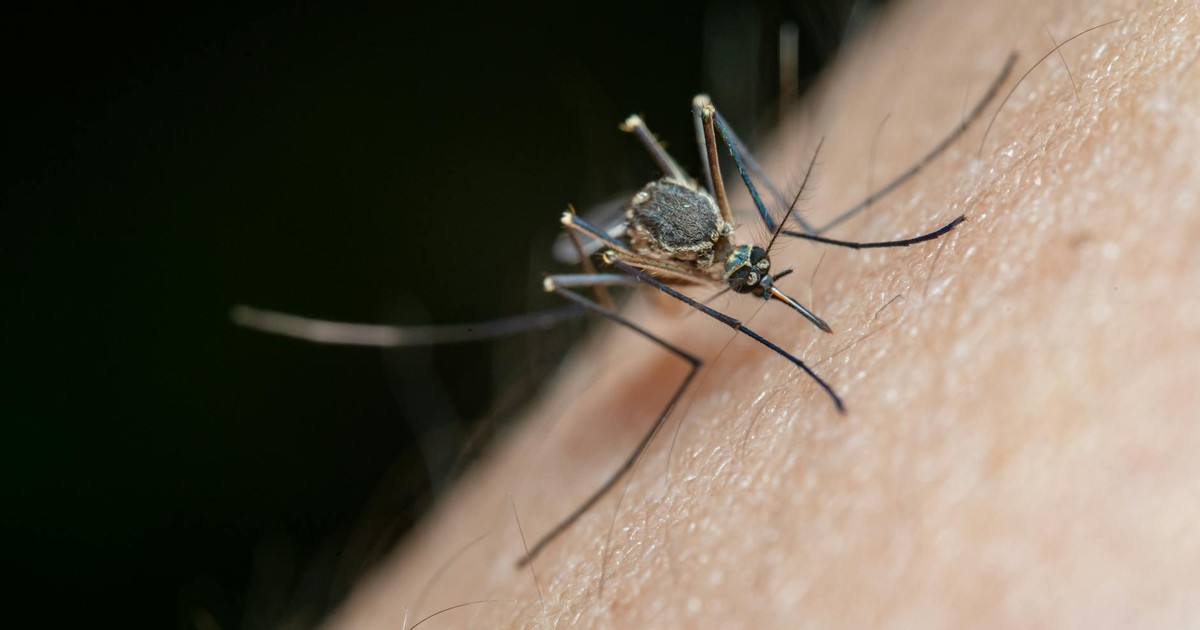
The 2026 study is the most rigorous evidence yet that patchouli oil and mosquitoes don’t mix well. Researchers published their new plant-based formulation – a patchouli oil-infused lotion that protected against mosquitoes as effectively as a commercially available DEET formulation. That’s not a minor result. DEET has been the gold standard for decades. Public health programs in dengue-endemic regions could potentially distribute a repellent made from a crop already widely cultivated across South and Southeast Asia.
That said, patchouli oil is not yet an approved EPA repellent, and researchers are clear that further work is needed. The team plans to conduct targeted toxicological and clinical studies to determine the new formulation’s long-term safety. For now, the practical takeaway is straightforward: if you’re in a low-risk area and want a natural option, a properly formulated patchouli lotion shows real promise. In high-risk disease areas, continue to follow current public health guidance until this formulation earns full regulatory review.
2. What Patchouli Oil Actually Is

Patchouli oil is an essential oil derived from the leaves of the patchouli plant, a type of aromatic herb. To produce it, the leaves and stems are harvested and allowed to dry out before undergoing a distillation process to extract the oil. The plant itself, Pogostemon cablin, is a bushy herb native to tropical Asia. Much like wine, the fragrant oil it produces gets better with age. The name patchouli comes from the Indian word “pacholi,” meaning “to scent.”
Native to the tropical regions of Southeast Asia, particularly Indonesia and the Philippines, the use of patchouli can be traced back hundreds of years. It was traditionally used for treating skin conditions, headaches, colds, and even snake bites. The dried leaves were also used as a moth repellent, particularly valuable in protecting cashmere shawls during the 19th-century trade between the East and Britain.
The oil’s chemistry explains much of what it does. Patchouli alcohol is the major bioactive constituent, exhibiting antimicrobial and antibiofilm activity. A 2019 analysis in the Journal of Essential Oil Research found that patchouli alcohol makes up 42.2 – 57.7% of the oil, with alpha-guaiene comprising 6.4 – 17.9% – the same compound that the 2026 study linked to DEET-comparable activity against mosquito receptors.
3. It May Help Fight Inflammation

Several studies have demonstrated that patchouli oil has an anti-inflammatory effect. Some promising research is beginning to show that it may have anti-inflammatory, antimicrobial, and pain-relieving properties, but further research is necessary to confirm these claims. Most of this work has been done in animal models or cell cultures, so it’s important to hold these findings appropriately – they’re promising, not proven in humans yet.
What the laboratory research does show is interesting. A 2016 study published on PubMed found that patchouli essential oil reduced the migration of immune cells called neutrophils in cultured cells – a mechanism linked to controlling inflammatory responses. A separate study from 2017 administered patchouli oil to rats with chemically induced inflammatory bowel disease and found less tissue damage and immune cell accumulation in treated animals. Further studies, including ones in human subjects, are necessary to justify the use of patchouli oil as an anti-inflammatory agent.
If you want to explore its potential, topical use (diluted in a carrier oil) on areas of localized discomfort is the most studied application. Consult your doctor before using it for any specific health condition.
4. It Has Antimicrobial Properties

Patchouli oil is widely recognized for its antifungal and antibacterial properties. Laboratory research has been fairly consistent on this point across multiple studies. A 2004 study found that patchouli oil, along with several other essential oils, inhibited the growth of methicillin-resistant Staphylococcus aureus (MRSA) strains and was identified as having potential for use in essential oil-impregnated wound dressings. MRSA is a particularly dangerous type of bacteria that resists standard antibiotics, so finding natural compounds that interfere with its activity is considered meaningful by researchers.
Separately, a 2013 study published on PubMed used molecular docking to show that patchouli oil has strong antimicrobial effects, with patchouli alcohol and pogostone identified as especially active compounds. That said, none of this translates yet into a medical recommendation to treat infections with patchouli oil. The research is largely in vitro (meaning in a lab dish, not in a person). If you have an infection, see a doctor. What the antimicrobial data does support is its use in personal care products – which is already widespread.
5. It Supports Skin Health

When diluted and used topically in cosmetic products, patchouli essential oil provides the skin with several benefits, including a complexion that looks vibrant and feels healthy and smooth. It is used to slow the appearance of aging by tightening and toning the skin, thereby reducing the look of wrinkles and blemishes.
Animal research has added some interesting depth here. Researchers found that mice treated with patchouli oil had less wrinkle formation and an increase in collagen content, though further research is necessary to see if the same benefit can be observed in people. This oil also has the potential to expedite collagen production and facilitate epithelialization, which are essential for wound healing. Epithelialization is the process by which new skin cells cover a wound – it’s a key part of how cuts and abrasions heal.
For practical skin use, apply 1 – 2 drops diluted in a carrier oil such as jojoba or coconut oil and massage into the target area. For those with oily or acne-prone skin, patchouli can help balance out the overproduction of oil and help regulate blemishes. Always patch-test first on a small area of skin before wider use.
You can also explore other natural mosquito repellent oils to build out a broader plant-based routine during mosquito season.
6. It May Help With Stress and Mood

Patchouli oil is used in aromatherapy practices to relieve stress, anxiety, and depression. This is arguably its most well-known non-fragrance use, and there is some biological reasoning behind it. Because of the impact that inhaling patchouli oil has on hormones, it may encourage the release of serotonin and dopamine – neurotransmitters that ease feelings of anger and anxiousness. Most of the direct evidence for this comes from animal research, so treat these claims as preliminary.
When everyday stress builds up, patchouli’s calming and grounding properties may help ease nervous tension. Diffusing it during meditation or yoga may help focus the mind. A simple way to try this: add 3 – 4 drops to a diffuser for 30 – 60 minutes in the evening. Combining patchouli with lavender and black spruce before bedtime may help encourage a good night’s rest.
7. How to Use It Safely
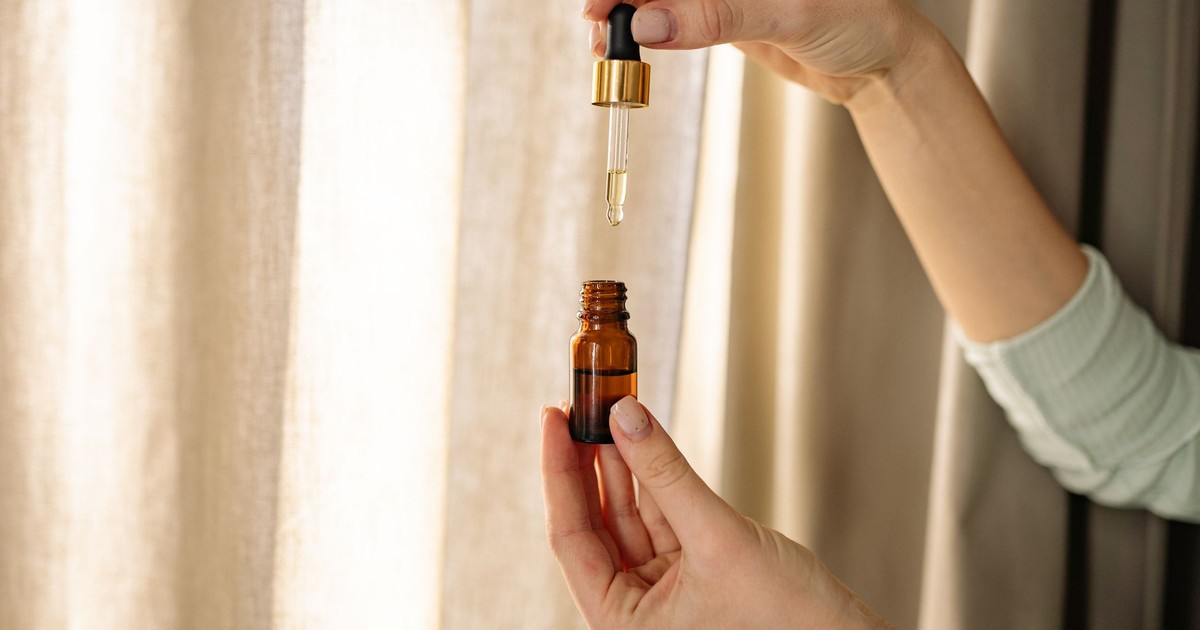
Patchouli oil’s safety profile is generally considered favorable for external use, but it’s not without cautions. While research suggests there are health benefits, the FDA doesn’t monitor or regulate the purity or quality of essential oils. That means quality varies significantly between brands, and what’s on the label may not reflect what’s in the bottle.
A 2025 safety assessment published in the NIH database found that patchouli essential oil “should be considered as irritant to skin and eyes, and a respiratory sensitizer” at high concentrations. This reinforces the fundamental rule of essential oil use: always dilute before applying to skin. Essential oils should never be applied directly to the skin. They are always diluted in a carrier oil such as almond or jojoba oil, typically at 3 to 5 drops per 1 ounce of carrier oil.
Always do a patch test before trying a new essential oil. Apply a small diluted amount to your inner forearm, wait 24 hours, and check for any redness, itching, or reaction before using more broadly. Do not take patchouli oil by mouth due to potential risks and the lack of sufficient scientific research on its safety for oral consumption.
Read More: 6 Essential Oils You Need for an Effective Natural Mosquito Repellent
What to Do Now
Patchouli essential oil has moved well beyond its reputation as a fragrance note. A rigorous 2026 study in ACS Omega showed a patchouli oil lotion matching the mosquito repellent performance of DEET against one of the world’s most dangerous disease-carrying mosquitoes – for a full three hours, at a relatively low concentration. That’s a result that deserves attention, especially for anyone looking for a plant-based alternative to synthetic repellents for everyday, low-risk use.
At the same time, keep the evidence in proper perspective. DEET remains the most thoroughly researched and EPA-approved repellent available, with decades of safety data behind it. Much of the evidence for the broader benefits of patchouli oil is still preliminary, and more human clinical trials are needed before firm medical recommendations can be made. If you are traveling in an area where mosquitoes are known to carry diseases such as malaria, yellow fever, or Zika, doctors advise using a chemical mosquito repellent to reduce the odds of contracting a dangerous illness.
For everyday use, patchouli oil – properly diluted in a carrier oil or unscented lotion – is a well-studied, sensibly priced addition to a natural wellness toolkit. Buy from reputable brands that disclose sourcing and purity testing. Patch-test before use. And watch this space: the researchers behind the 2026 study are pushing forward with toxicological and clinical work that could lead to the first fully validated patchouli-based repellent product on the market.
Disclaimer: This information is not intended to be a substitute for professional medical advice, diagnosis, or treatment and is for information only. Always seek the advice of your physician or another qualified health provider with any questions about your medical condition and/or current medication. Do not disregard professional medical advice or delay seeking advice or treatment because of something you have read here.
AI Disclaimer: This article was created with the assistance of AI tools and reviewed by a human editor.