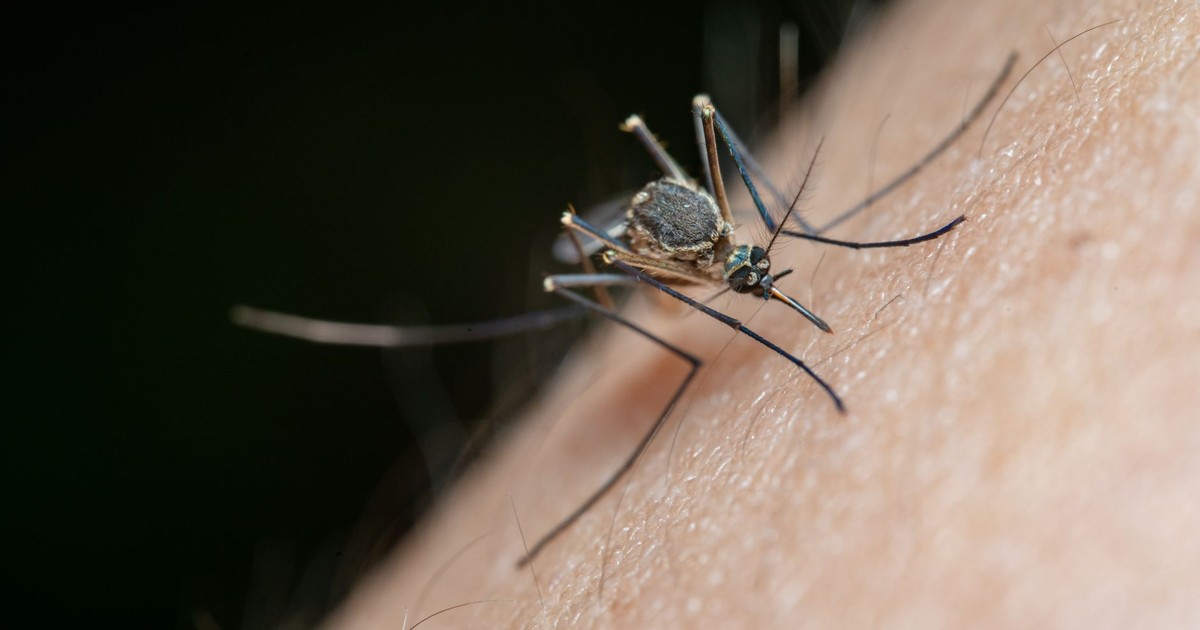

A female mosquito only needs a tablespoon of standing water on a bucket lid or in a clogged gutter to lay her eggs, and the eggs she deposits there can hatch in under 48 hours under warm conditions. That’s the part most people overlook when they’re busy lighting a citronella candle or spraying themselves down before stepping outside. The real fight against mosquitoes doesn’t start on your skin. It starts with understanding what’s actually going on in your yard.
The full mosquito life cycle, from egg to adult, can take as little as two to three weeks, depending on temperature and water availability, passing through four distinct stages: egg, larva, pupa, and adult, with the first three occurring entirely in water. That speed is what makes them so hard to control once a population takes hold. As much as 30% of the adult mosquito population can die per day, but females compensate by laying large numbers of eggs to assure the continuation of the species.
Mosquitoes are also extremely vulnerable at multiple points in that cycle, and several of those weak points are fully within your control at home. If you’re serious about figuring out how to stop mosquitoes from taking over your yard and your evenings, these five methods, applied consistently, are where to focus.
1. Drain Every Drop of Standing Water – Then Wait a Week

Mosquitoes lay their eggs in standing or stagnant water, and it doesn’t take much. Common outdoor breeding sites include ponds, puddles, ditches, clogged gutters, birdbaths, pet bowls, buckets, old tires, flower pots, and unused pools. Walk your yard with fresh eyes once a week and treat every container you find as a potential nursery. The goal is not just to empty these items but to scrub them. Mosquito eggs can stick to the walls of containers above the waterline, surviving until the next rain refills the vessel.
Mosquitoes can also breed indoors if standing water is present, including in floor drains, sump pumps, leaky pipes, or overwatered houseplant trays. Check these spots too, particularly in summer. According to the CDC, the weekly routine should include emptying, scrubbing, turning over, covering, or discarding any item that holds water, from tires to buckets to planters.
Eggs laid on water can hatch within 24 to 48 hours under ideal conditions. According to the EPA’s mosquito life cycle resource, mosquito eggs can survive dry conditions for a few months before hatching once exposed to water again – a fact that matters for anyone who puts a bucket away wet and thinks they’ve solved the problem. According to San Diego County’s Department of Environmental Health, even after removing all breeding sources, it may take about a week to see the number of adult mosquitoes decrease. Stick with it – that lag is normal, not a sign the method isn’t working.
2. Mow the Lawn and Cut Back Vegetation
Adult mosquitoes don’t just breed. Between blood meals, they rest – and they’re very particular about where. Mosquitoes hide in shaded, humid areas like tall grass, dense shrubs, and leaf piles during the day. Mowing lawns and trimming bushes regularly reduces these resting zones and improves airflow across the yard.
Grass kept between two and a half and three and a half inches tall stays healthier and dries faster after rain or morning dew, making it less attractive as a resting spot. Letting the lawn go too long between mowings creates a damp, sheltered microclimate close to the ground where mosquitoes thrive. Tall grass also traps moisture between the blades, which compounds the problem. Even cutting back a shady corner near the foundation or trimming a weedy fence line can meaningfully reduce where mosquitoes choose to wait out the afternoon.
Raking up leaves and disposing of yard waste promptly matters too, as these can harbor moisture and create a haven for mosquitoes. Don’t overlook the area under decks, behind fences, and along the north-facing walls of the house – these spots stay damp the longest and are often exactly where mosquitoes cluster. Mowing alone won’t eliminate a population, but combined with water removal, it takes away two of the three things mosquitoes need most: shelter and humidity.
3. Use Mosquito Dunks in Water You Can’t Drain
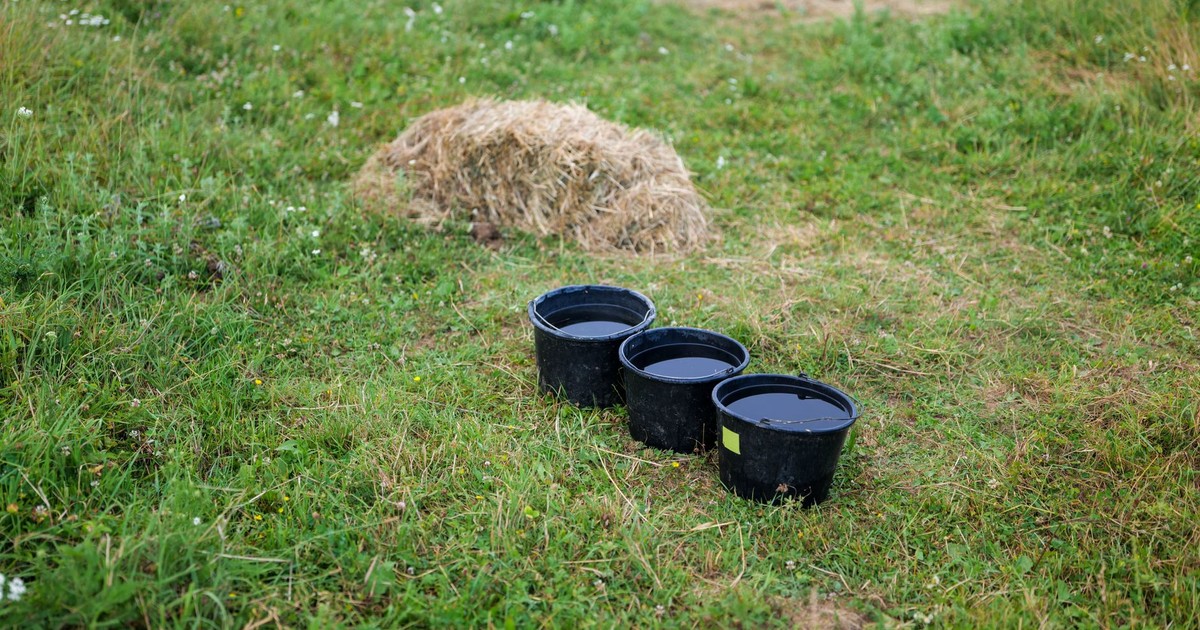
Some water features can’t simply be emptied. Ornamental ponds, rain barrels, birdbaths you want to keep filled, and water that collects in ground depressions all present the same problem: you can’t drain them, so how do you stop mosquitoes from breeding in them?
A biological larvicide called Bacillus thuringiensis israelensis, Bti for short, is your most practical option. It’s a naturally occurring soil bacterium that produces proteins toxic to mosquito larvae but completely harmless to fish, birds, pets, and humans. It comes pressed into small donut-shaped rings called “mosquito dunks” that you drop into standing water. As the dunk slowly dissolves, it releases Bti that kills larvae before they can develop into biting adults.
According to Summit Chemical’s product specifications, each dunk treats up to 100 square feet of water surface and remains effective for 30 days or more. If you have a decorative pond, adding goldfish or gambusia (mosquitofish) provides an additional layer of control – fish are among the natural predators you can introduce to water features to discourage egg-laying and reduce larval populations. For water that isn’t suitable for fish, the Bti dunk is your best option.
4. Know How to Stop Mosquitoes From Biting You – and Apply Repellent Correctly
What’s on your skin and how you apply it determines how much protection you actually get. According to a study in the Malaria Journal, DEET is the most effective insect repellent available and has been in widespread use for more than half a century. The CDC confirms that EPA-registered repellents containing DEET are proven safe and effective, including for pregnant and breastfeeding women when applied as directed.
Concentration affects duration, not strength. According to OFF!’s DEET education page, a repellent with 15% DEET typically provides up to six hours of protection, while 25% DEET extends that to up to eight hours. Choose your concentration based on how long you’ll be outside, not on the assumption that more is better. For people who dislike DEET’s oily texture or mild chemical smell, picaridin at 20% concentration is a strong alternative – research has found it delivers comparable protection without the skin irritation that some DEET users experience.

Apply repellent to all exposed skin, including the back of the neck and the tops of your feet – areas people routinely miss. Don’t apply it under clothing, and don’t spray it on your face directly; instead, spray it onto your hands and then rub it across your face, avoiding eyes and mouth. Reapply according to the product’s stated duration if you’re still outdoors after it expires.
You can pair skin-applied repellent with permethrin-treated clothing for significantly better protection. Permethrin is an insecticide that kills or repels mosquitoes, and you can buy pre-treated clothing and gear or treat items yourself – including boots, shirts, pants, socks, and tents. Permethrin-treated items provide protection after multiple washings, making them a practical long-term investment. Permethrin goes on clothing and gear only, never directly on skin. If you’re weighing other natural approaches, research on vitamin-based repellent alternatives covers what the science does and doesn’t support.
Read More: These 8 States Have the Worst Mosquito Problems in 2026 – Is Yours on the List?
5. Seal Your Home and Fix Your Screens
Mosquitoes don’t just bite outdoors. Indoor breeding can occur if standing water is present inside the home, and mosquitoes that do get indoors tend to stay – resting in exactly the kinds of spaces most people don’t think to check. The CDC notes that mosquitoes rest in dark, humid places like under sinks, in showers, in closets, under furniture, and in the laundry room.
Window and door screens are your first physical barrier. A screen with holes larger than 1.2mm will let smaller mosquito species pass through. The CDC recommends choosing screens with 156 holes per square inch – this is roughly an 18×16 mesh, which blocks mosquitoes while still allowing adequate airflow. Check your existing screens every spring. A single small tear is enough to let mosquitoes in all season.
Walk around the exterior of your home and seal any gaps where screens meet frames, around pipe penetrations, and along the bottom edges of exterior doors. A door that doesn’t close flush against its weather stripping is an open invitation. If you use fans in windows or doorways for airflow, make sure they’re accompanied by screens – mosquitoes are weak fliers and struggle against even a moderate breeze, but they will take advantage of any static opening. Running a ceiling fan on the porch or patio also provides a practical layer of deterrence for outdoor gatherings.
Start This Week
Mosquito control at home works best as a layered system. No single trick does the whole job. After a blood meal, a female mosquito will immediately search for standing water to lay her eggs, which means the two biggest levers you have are removing that water and putting an effective barrier between her and your skin.
Start with the walk-through: drain, scrub, and cover every water source on your property every week. Keep the lawn mowed and the leaf litter cleared. Add Bti dunks to any water you can’t remove. Apply an EPA-registered repellent correctly when you’re outside, and treat your outdoor clothing with permethrin at the start of the season. Check your screens and seal any gaps before peak mosquito season begins in your region. These five steps, stacked together, remove the conditions mosquitoes need to survive – and you’ll typically notice fewer bites within a week of consistent effort.
Disclaimer: This information is not intended to be a substitute for professional medical advice, diagnosis, or treatment and is for information only. Always seek the advice of your physician or another qualified health provider with any questions about your medical condition and/or current medication. Do not disregard professional medical advice or delay seeking advice or treatment because of something you have read here.
AI Disclaimer: This article was created with the assistance of AI tools and reviewed by a human editor.
Read More: Why Mosquitos But Some People More Than Others