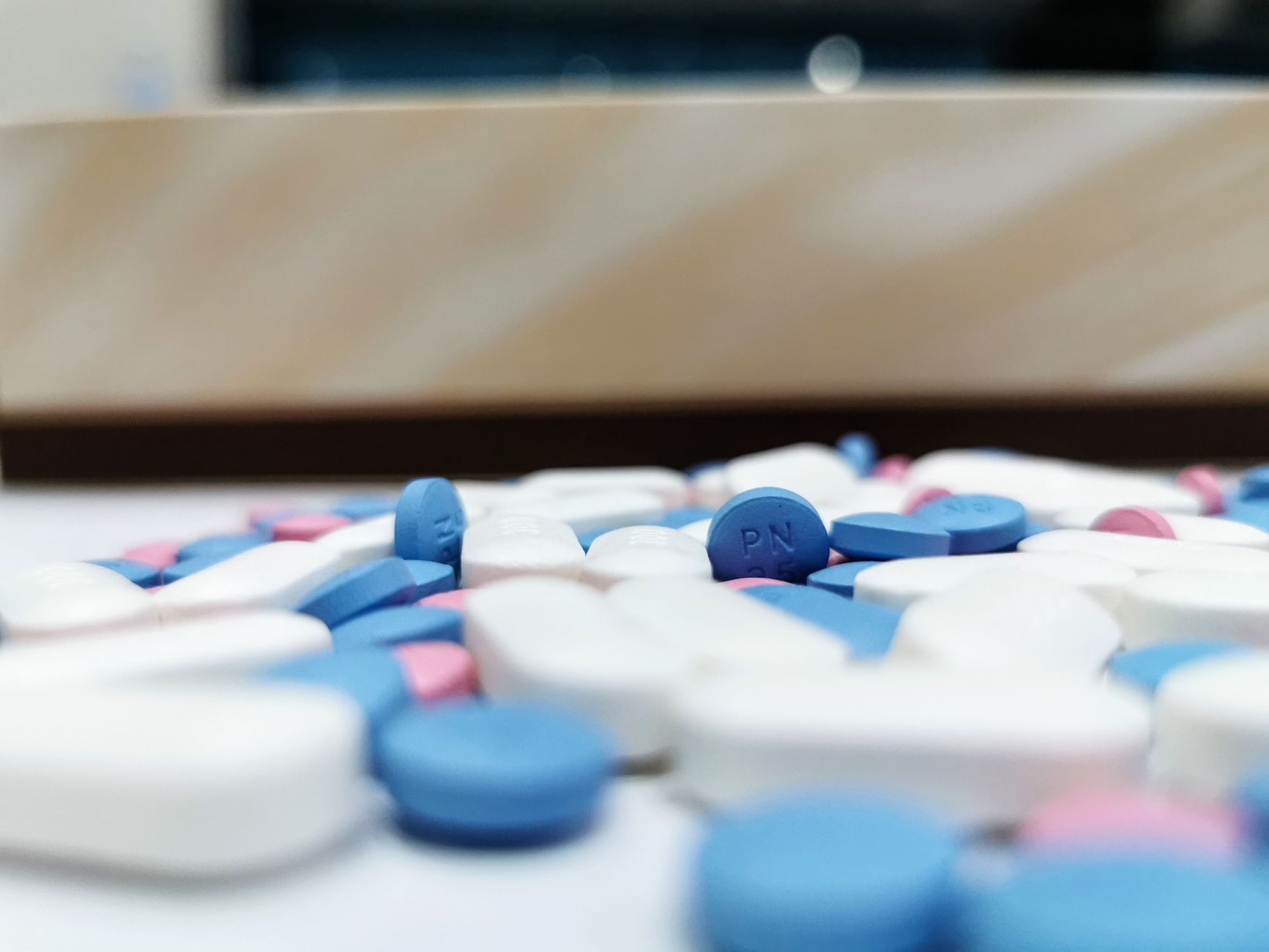

Millions of people have trouble sleeping, but insomnia can sometimes be a sign of an underlying condition such as obstructive sleep apnea, a common and often undiagnosed sleep-breathing disorder. As more patients seek relief through medication, researchers are taking a closer look at whether commonly prescribed sleep aids are helping, or potentially creating new risks.
Doctors wrote more than 10 million prescriptions for quetiapine in the United States in 2023, and 76% of those were at doses below the drug’s FDA-approved levels, according to Study Finds. Most of those low-dose prescriptions weren’t for schizophrenia or bipolar disorder, the conditions quetiapine was actually designed and approved to treat. They were written for people who simply couldn’t sleep.
That quiet shift in how a powerful antipsychotic gets used has been building for years. Quetiapine (commonly sold under the brand name Seroquel), approved for schizophrenia and bipolar disorder, is increasingly prescribed at low doses for insomnia and anxiety because of its sedative effects. Clinicians and patients alike have embraced the idea that a small nightly dose, typically 25 mg to 50 mg, carries little risk compared to habit-forming benzodiazepines. A new clinical trial, published in June 2026, suggests that assumption deserves serious scrutiny, particularly for the millions of people whose insomnia may be masking an underlying sleep breathing disorder they don’t know they have.
Amid growing concern about the widespread off-label use of sedative medications for sleep problems, Flinders University researchers led a world-first clinical trial examining how a commonly prescribed sleep pill affects sleep, breathing, and next-day performance. Published in the Annals of the American Thoracic Society, the study found that low-dose quetiapine, frequently prescribed off-label for insomnia, modestly improved sleep quality and reduced obstructive sleep apnea severity, but significantly impaired alertness and driving performance the following day.
What the Flinders University Trial Actually Found
Researchers from Flinders University in Adelaide, Australia, conducted the study in 15 adults with obstructive sleep apnea (OSA) who also had difficulty maintaining sleep. Each participant underwent two overnight sleep studies approximately one week apart. The participants took 50mg of quetiapine before bed one night and took a placebo the following night. OSA is a condition in which the airway repeatedly collapses during sleep, cutting off breathing for seconds at a time and fragmenting rest.
The sleep numbers looked encouraging on the surface. Participants who took quetiapine had more than 40 minutes more total sleep time and 45% less wakefulness during the night. Their apnea-related events also reduced from 27 to 20 events per hour. For someone who has spent months lying awake at 3am, those figures sound like a win.
The morning-after data told a different story. Performance was assessed using a driving simulator test and a 10-minute reaction time test administered within 30 minutes of waking. Those taking quetiapine experienced more than triple the number of attention lapses and swerved out of their lane more often in the driving simulator. Reaction times were measurably slower as well, and researchers at Flinders reported that simulated driving performance was noticeably worse the next morning despite participants sleeping more.
The side effects weren’t subtle. Quetiapine has become the go-to medication for insomnia, minor anxiety, and other off-label concerns, but studies suggest that there may be outsized risks: weight gain, heart-rhythm abnormalities, falls, and dementia. In this trial specifically, more than 75% of participants experienced grogginess, dizzy spells, and blood-pressure dips after a single dose. One participant required medical review after a fall during the study period.
The Blind Spot: Not Knowing You’re Impaired
One of the more unsettling findings from the trial wasn’t what the drug did to people’s performance – it was what it did to their ability to recognize that impairment. About 25% of trial participants did not recognize their impairment despite worse test performance, with four participants reporting no change or feeling more alert even as their objective results deteriorated.
That gap between perceived and actual function matters enormously for daily safety. Someone who feels rested after a quetiapine-aided night’s sleep may assume they’re fine to drive, operate machinery, or make high-stakes decisions when their reaction times suggest otherwise. Researchers recommended avoiding driving for at least 9.5 hours after taking quetiapine. For someone who takes a 50mg tablet at 10 pm and wakes at 6:30 am, that window hasn’t closed.
Women may face a steeper risk than men. Fox News health reporting on the study noted that women metabolize quetiapine more slowly than men, meaning the drug stays active in the body longer and increases the likelihood of lingering next-day side effects, including impaired alertness behind the wheel.
The Undiagnosed Sleep Apnea Problem
The trial’s findings carry a specific warning for a much larger group of people than the 15 who participated in it. It’s estimated that up to 80% of OSA sufferers go undiagnosed. That’s a staggering number. Many people who believe their problem is simply insomnia, difficulty staying asleep, waking too early, or never feeling rested may actually have undiagnosed OSA driving those symptoms. The two conditions share so many features that even doctors can find it hard to distinguish without a formal sleep study.
For that group, the quetiapine picture is particularly concerning. The drug may deliver some short-term sleep improvement while masking the breathing disruption happening underneath, all while compounding next-day sedation that the person has no way to attribute to a drug they took before bed.
If you regularly wake unrefreshed, snore, or notice gaps in your breathing at night (or a partner does), it’s worth asking your doctor about a sleep study before accepting a prescription sleep aid. Sleep disorders in this overlap zone, where insomnia and OSA coexist, are best managed through targeted diagnosis, not through sedation. You can read more about the warning signs of sleep apnea and what to do about them if you’re unsure whether your sleep trouble has a breathing component.
The Broader Risk Profile of Low-Dose Quetiapine
The driving impairment finding is the most acute quetiapine sleep risk from this trial, but it sits alongside a longer-running concern about the drug’s metabolic effects. Even at low doses taken for sleep, quetiapine carries several risks to consider, including weight gain and increased blood pressure and cholesterol levels. Studies have also found a higher risk of cardiovascular events, such as a heart attack.
Recent studies have revealed that low-dose use of quetiapine doesn’t negate its risks, which include weight gain, metabolic disease, heart-rhythm abnormalities, and movement disorders. The Cleveland Clinic Journal of Medicine has also noted that quetiapine, compared to many other antipsychotics, tends to cause weight gain and metabolic syndrome, which matters in a population already vulnerable to those outcomes. That’s not a theoretical concern for the millions of people taking it nightly for sleep.
The evidence base for using quetiapine as a primary sleep aid is also thinner than most patients realize. Research found that quetiapine is not approved nor recommended for primary insomnia, and that only one randomized controlled trial had examined its use specifically in insomnia patients. That trial found no benefit. There are currently no published RCTs comparing quetiapine directly with other sleep medications for insomnia.
What the Guidelines Actually Recommend
Cognitive behavioral therapy for insomnia (CBT-I) is the first-line, evidence-based treatment for chronic insomnia, addressing behaviors and thoughts that disrupt sleep. This recommendation isn’t obscure or contested. Guidelines from the American College of Physicians, the American Academy of Sleep Medicine, the British Sleep Society, the German Sleep Society, and the European Sleep Research Society largely agree: CBT-I, a multicomponent psychotherapeutic approach, is unequivocally recommended as first-line treatment.
Unlike pharmacological approaches, CBT-I focuses on identifying and modifying the thoughts and behaviors that perpetuate sleep difficulties. It has been shown to produce marked improvements in sleep onset, sleep maintenance, and overall quality of life, with benefits that extend beyond the treatment period. CBT-I is typically delivered over six to eight sessions, either in person or by telehealth.
Psychiatric News reported in 2025 that psychiatrists are actively exploring alternatives to quetiapine for insomnia, with evidence-based psychotherapy and behavioral interventions preferred over antipsychotics for patients without comorbid psychotic or bipolar disorders. The Cleveland Clinic Journal of Medicine’s review noted similarly that quetiapine use for insomnia should be confined primarily to patients with comorbid mood or schizophrenia-spectrum disorders, not the general population struggling to sleep.
Read More: Sleep Paralysis Explained: Why the Body Freezes While the Mind Wakes
What to Do Now
If you’re currently taking low-dose quetiapine for sleep, don’t stop abruptly without talking to your doctor. Stopping antipsychotic medications without tapering can cause withdrawal effects, including rebound insomnia. What this finding does justify is a direct conversation with your prescribing physician about whether the drug is still appropriate for your situation, especially if you snore, feel unrefreshed in the mornings, or have any risk factors for sleep apnea.
Practical steps worth raising with your doctor include requesting a sleep study to rule out OSA before continuing any sedative sleep medication, asking about a referral to a CBT-I program (including digital options, which the FDA has now authorized for insomnia), and discussing a medication review if quetiapine was prescribed more than a few months ago without a formal reassessment. If driving or operating machinery is part of your daily routine, the 9.5-hour post-dose window is not a rough guideline – it’s the minimum safety margin researchers identified in this trial, and it applies even after a single dose.
The Flinders University study was small, with 15 participants, and the researchers themselves acknowledged that larger trials are needed to confirm and extend its findings. But the consistency of the next-day impairment data, the high rate of side effects, and the startling proportion of participants who didn’t recognize their own sedation all point in the same direction. Getting more sleep by chemical means doesn’t automatically mean functioning better the next day, and for people with undiagnosed OSA, it may quietly make both problems worse.
Disclaimer: The author is not a licensed medical professional. The information provided is for general informational and educational purposes only and is based on research from publicly available, reputable sources. It is not intended to constitute, and should not be relied upon as, medical advice, diagnosis, or treatment. Always consult a licensed physician or other qualified healthcare provider regarding any medical condition, symptoms, or medications. Do not disregard, avoid, or delay seeking professional medical advice or treatment because of information contained herein.
AI Disclaimer: This article was created with the assistance of AI tools and reviewed by a human editor.
Read More: These 2 Sleep Disorders Together Can Triple Your Risk of Heart Disease