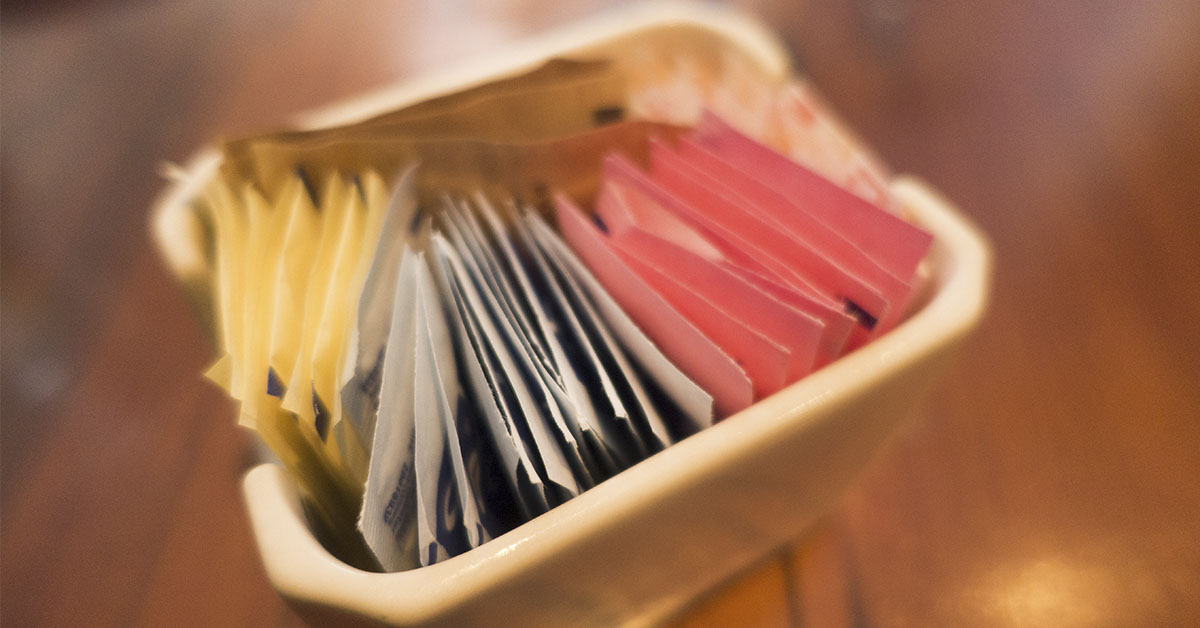

In recent years we’ve begun to start understanding just how bad the overconsumption of sugar is for our health. Illnesses like obesity and diabetes were not problems until we created extremely high-sugar products that are now ubiquitous in society. Today, so many of our regular, every-day products are laden with sugar – and we’re not just talking about sodas, candies, and other sweet things.
This includes sauces, soups, fruit juices, other condiments, yogurts, cereals, and even bread. If you shop at a regular supermarket, chances are you are consuming far more sugar than you realize. In an effort to keep things sweet but cut out the sugar, artificial sweeteners and other low calorie or non-nutritive sweeteners, such as sugar alcohols have been used.
At first, these seemed like the answer we’d all been looking for. We could keep our foods at the level of sweetness that we’d grown accustomed to without eating all the sugar. Unfortunately, it was perhaps too good to be true. Amongst other research showing health issues that can arise from regular consumption of certain low calorie sweeteners, new research shows that they may be affecting your brain.
New Study Links 6 Low Calorie Sweeteners to Faster Cognitive Decline

A recent study published in the journal Neurology suggests a connection between the consumption of several common sweeteners and an accelerated rate of cognitive decline. While previous research has explored the health impacts of these sweeteners, this new study specifically links their intake to measurable changes in thinking and memory. This is an important study, especially considering age-related diseases like dementia and Alzheimer’s are on the rise and a leading cause of death in the United States.
The Study’s Findings

The research, which involved over 12,000 adults, found that those who consumed the highest amounts of low- and no-calorie sweeteners experienced the most significant declines in brain function. This was particularly evident in their thinking and memory skills. The study’s authors suggest that this decline is equivalent to an additional 1.6 years of brain aging. The findings showed a clear dose-response relationship:
- Moderate consumers experienced a 35% faster rate of decline in memory and thinking.
- High consumers showed a 62% faster rate of decline in memory and thinking.
The study also found that the link was even stronger for people under 60 and for those with diabetes. While the study does not prove that the sweeteners are the direct cause of the decline, it proposes that they may contribute to factors like inflammation and gut microbiome disruptions, which can negatively affect brain health.
Sweeteners to Watch
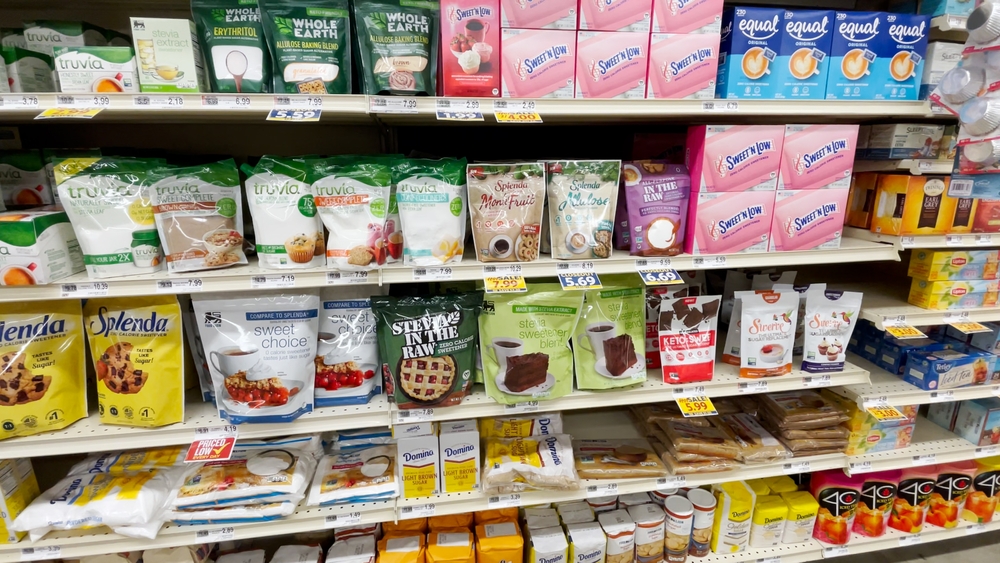
The study specifically identified a link between cognitive decline and the following six low calorie sweeteners:
- Aspartame
- Saccharin
- Xylitol
- Erythritol
- Sorbitol
- Acesulfame K
The researchers studied a seventh sweetener, Tagatose, but did not find it to be associated with cognitive decline in this research.
Where are These Sweeteners Usually Found
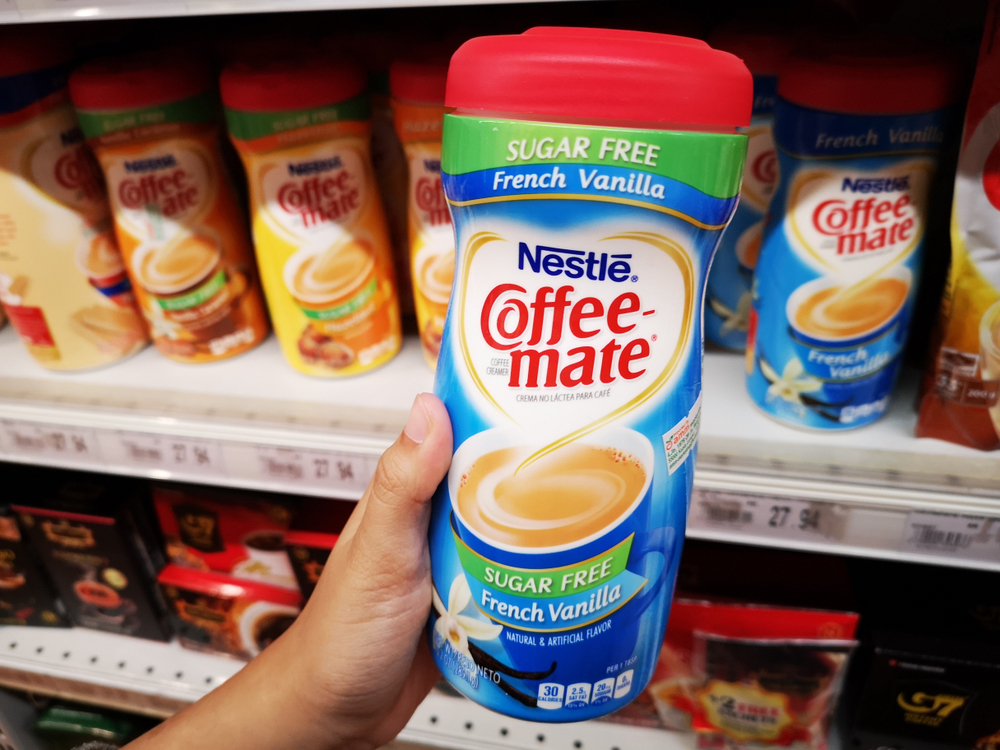
If you are unsure about whether or not you are regularly consuming these sweeteners, they are quite commonly in a wide variety of “sugar-free,” “diet,” and “no-calorie” products. If you regularly consume these kinds of products, then you likely do have these often. Aspartame and Acesulfame K are frequently found together in diet sodas and other beverages, as well as in chewing gum, yogurts, and table sweeteners. The sugar alcohols, including Xylitol, Erythritol, and Sorbitol, are used to sweeten sugar-free candies, gums, and baked goods. They are also found in some toothpastes and medicines. Saccharin, known for its bitter aftertaste, is often used in combination with other sweeteners and is found in diet sodas and table sweetener packets.
Alternative sweeteners
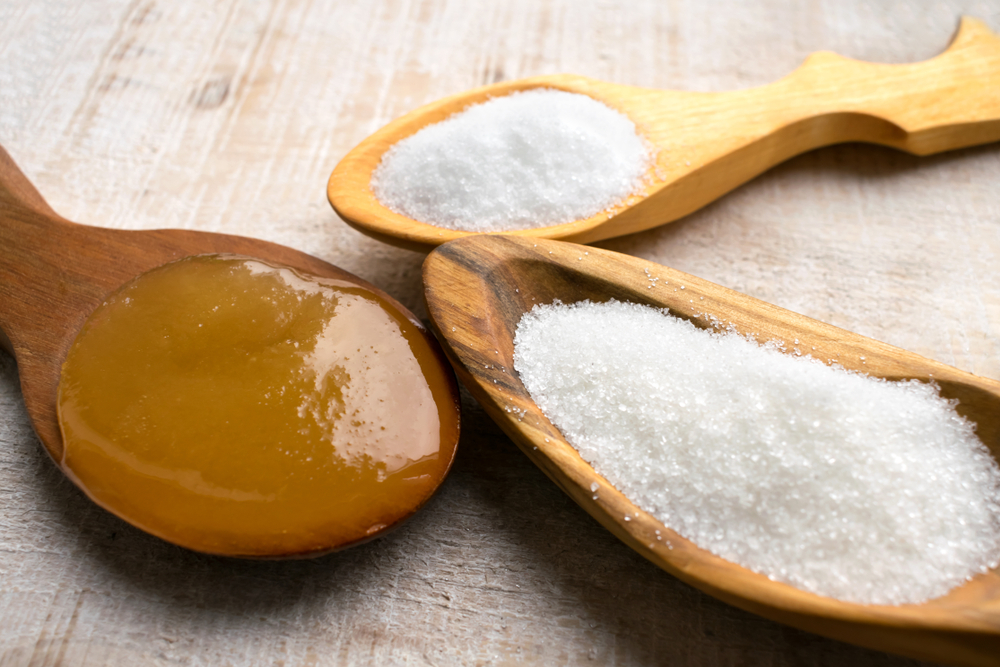
The first step to take in order to prevent yourself from accidentally consuming these is to read the ingredients list on your products. Any product claiming to be low-sugar or no-sugar, or low-calorie or no-calorie, likely contains some kind of sugar alternative. Check your labels before buying.
For those looking for alternatives to these sweeteners, a variety of options are available. Stevia and monk fruit are popular plant-based, zero-calorie sweeteners that can be used in place of sugar, artificial substitutes, and popular sugar alcohols like sorbitol. They do tend to have a slight aftertaste, however, so depending on your palette you may or may not appreciate them. Other natural, low-calorie alternatives include allulose, which is found in small amounts in some fruits. For those who don’t mind a small amount of calories, pure maple syrup and honey can be used in moderation, as they contain some beneficial antioxidants. That being said, maple syrup and honey is still sugar, and your body will treat it as so, therefore they can still affect your blood sugar. If you have diabetes, you will need to talk to your doctor about how much you can rely on these products.
We Need To Desensitize Ourselves To Sweetness
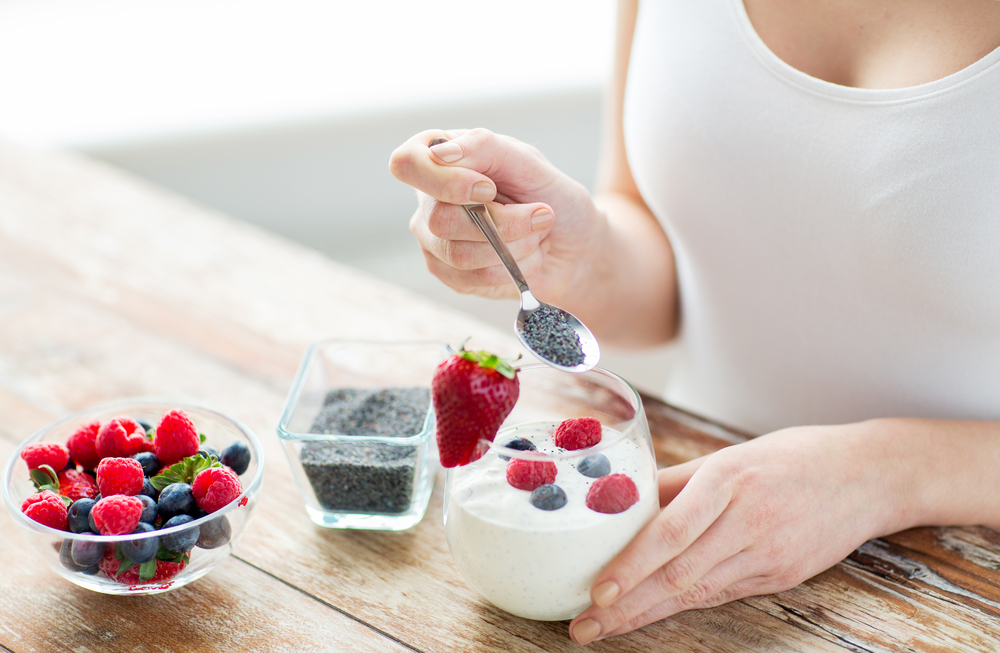
Ultimately, the most recommended alternative is to simply reduce your intake of all sweeteners and sweet foods. This will mean having to cut out many store-bought sauces, condiments, soups, breads, and other products. You may find that it takes time to get your palette used to things being, in general, less sweet. Over time, however, your palette will change, and then when you do occasionally eat something conventionally sweet, you will likely find it to be too much. While consuming sweeteners every once in a while likely won’t do you much harm, just as the occasional sweet treat won’t, either, the part to focus on regular consumption and overconsumption. Keep everything in moderation and stick to real, whole foods and you will be fine.
Disclaimer: This information is not intended to be a substitute for professional medical advice, diagnosis or treatment and is for information only. Always seek the advice of your physician or another qualified health provider with any questions about your medical condition and/or current medication. Do not disregard professional medical advice or delay seeking advice or treatment because of something you have read here.
Correction Notice (September 30, 2025):
A previous version of this article erroneously referred to the low-calorie sweeteners as solely artificial sweeteners. This was categorically incorrect, as only three of the sweeteners, aspartame, saccharin, and acesulfame K, are considered truly artificial. The other three, xylitol, erythritol, and sorbitol, are naturally derived low-calorie sweeteners. The body of the article and its titles have been modified accordingly.
Read More: The Next-Gen Artificial Sweetener You Might Already Be Eating (and Breathing)