

According to the CDC’s statistics in 2024, around 98 million American adults have prediabetes. That is a very large number of the population, accounting for around 1 out of 3 adults in the United States. This condition is characterized by high blood sugar levels, but not yet to a degree that leads to a type 2 diabetes diagnosis. The CDC further states that more than 38 million Americans have diabetes, which is around one out of every 10 people. A new study has suggested that certain groups may benefit from using vitamin D for blood sugar issues. This could help prevent people with prediabetes from developing diabetes by sustaining normal blood sugar levels. Let’s take a closer look at the potential link between vitamin D and diabetes prevention.
The Study on Using Vitamin D for Blood Sugar Levels

The researchers of this new study analyzed data from nearly 4,500 individuals diagnosed with prediabetes, sourced from 10 clinical trials. The study revealed that 18.5% of the individuals who consumed vitamin D attained normal blood sugar levels. Furthermore, only 14% of those who took a placebo reached normal levels. Additionally, they found that the individuals with prediabetes who consumed vitamin D were more likely to reach healthy blood sugar levels in all of the trials.
A similar study published in 2023 in the Annals of Internal Medicine found that 22.7% of those who consumed vitamin D subsequently developed type 2 diabetes, whereas 25% of the participants who took a placebo later developed the condition. It is not a significant difference, so taking vitamin D alone won’t ensure type 2 diabetes prevention. However, the small difference is still enough to warrant further research.
The Potential Link Between Vitamin D and Diabetes Prevention

Vitamin D is known to play many important roles in the body, from helping your gut absorb calcium to reducing inflammation and supporting the metabolism of blood sugar. But how does the vitamin help maintain healthy blood sugar levels? Researchers believe that vitamin D affects glycemic control, which is how your body manages blood sugar. Vitamin D is a hormone, and it is theorized that having optimum vitamin D levels helps regulate other hormones. This helps support endocrine function, which is typically impacted by type 2 diabetes.
Taking vitamin D is also associated with a lower likelihood of developing insulin resistance, a known precursor to type 2 diabetes. One of the known risk factors for developing diabetes is inflammation, and vitamin D is known to have anti-inflammatory properties. However, the exact mechanisms behind how vitamin D lowers type 2 diabetes risk remain largely unknown. Researchers, though, have shown that vitamin D may play a role in pancreatic β-cell function. Impaired function of these cells has been linked to the development of type 2 diabetes.
Lowering Your Type 2 Diabetes Risk
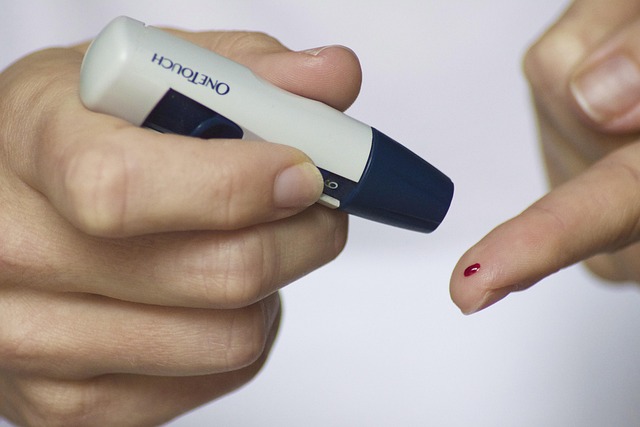
At the moment, using vitamin D to help manage prediabetes has not been officially recognized or recommended. However, if you have a risk of developing type 2 diabetes, it is recommended that you have your vitamin D levels tested. Even if vitamin D is shown to help with diabetes prevention, it won’t work all on its own. It will work best as part of a larger strategy to lower your diabetes risk. This strategy should also include eating a low-glycemic diet and losing extra weight. People with prediabetes should aim to lose at least 5% to 7% of their body weight to prevent diabetes, according to the American Diabetes Association.
You should also aim to be more physically active, focusing on aerobic and strength training exercises, as well as balance training. If you work at a desk for long hours, make sure that you get up regularly and do some light exercises. When it comes to your diet, aim to eat healthy plant foods and good fats. Also, avoid eating fatty foods that are high in calories. Saturated fats, commonly found in meat and dairy products, should only form a very small part of your diet. You should also try to reduce your stress levels by getting around 7 to 9 hours of sleep every night.
The Bottom Line

These recent studies have suggested that taking vitamin D can potentially lower your risk of developing diabetes. The vitamin has been linked to a lower risk of insulin resistance. This is significant as insulin resistance is often observed in prediabetes and is a known type 2 diabetes precursor. However, taking vitamin D should form only a part of a larger overall plan to manage your blood sugar levels. This includes taking steps such as eating healthily, losing extra weight, and exercising regularly. If you have been diagnosed with prediabetes, it is important that you speak to your healthcare provider to work out the best plan based on your personal needs.
Disclaimer: This information is not intended to be a substitute for professional medical advice, diagnosis or treatment and is for information only. Always seek the advice of your physician or another qualified health provider with any questions about your medical condition and/or current medication. Do not disregard professional medical advice or delay seeking advice or treatment because of something you have read here.
Read More: The Link Between Vitamin D Deficiency and Fatty Liver