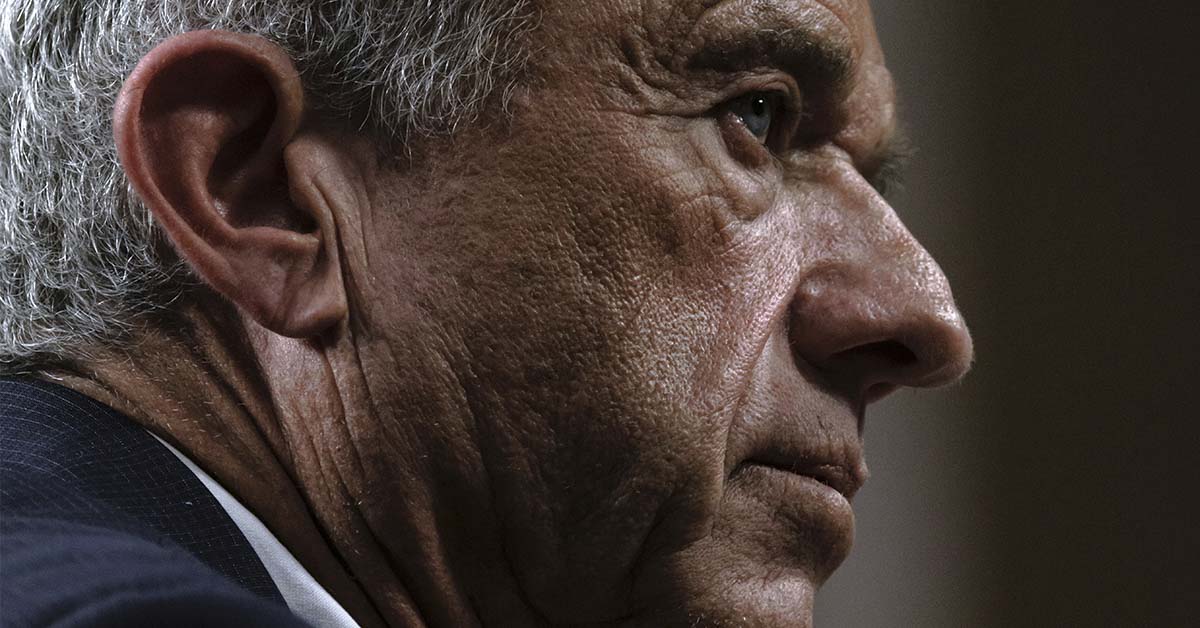

The U.S. Senate Finance Committee hearing was held on the 4th of September 2025. It put Health and Human Services Secretary Robert F. Kennedy Jr. under an intense spotlight. Senators from both parties pressed him on vaccine policy, his firing of the CDC director, and sweeping personnel changes. Kennedy defended the shake-ups, regarding them as overdue corrections after the pandemic, while critics said they undermined confidence and access. President Donald Trump backed his health chief after the hearing, praising his unconventional views, which kept the political stakes high. In this article, we will recap the hearing and examine the RFK Jr. health policies, noting where any controversy lies.
What Went Down at the Senate Hearing on the RFK Jr. Health Policies
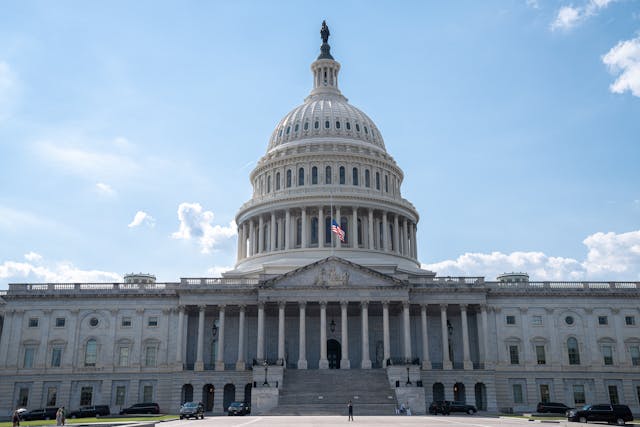
In total, the entire session ran for roughly three hours. It featured repeated clashes over topics like vaccine evidence, CDC leadership, and the replacement of the government’s independent vaccine advisers. Kennedy basically argued that COVID-era guidance was confusing and sometimes wrong; therefore, a reset was necessary. He denied directing the fired CDC director, Susan Monarez, to pre-approve decisions, and stated that reform would restore trust. However, democrats accused him of restricting access to COVID boosters and creating chaos across HHS agencies. Several Republicans, including physicians Bill Cassidy and John Barrasso, asked pointed questions about safety data and his campaign against mandates.
Trump subsequently expressed his support later that evening, calling Kennedy’s take “different” yet valuable. Yet, these exchanges moved beyond routine oversight. They signaled that vaccine policy will likely remain a major subject of debate, even within the party that currently holds the White House. The media’s contemporaneous account captured the striking dynamic. Kennedy continuously pushed claims that clashed with established vaccine findings. Meanwhile, the senators pressed him to reconcile his rhetoric with the scientific record and agency data. That intense friction dominated the proceedings, framing the debate over whether his leadership strengthens evidence-based policy or politicizes core functions. The official committee materials noted how unusual the circumstance was, since a secretary rarely faces bipartisan skepticism about vaccine recommendations.
Vaccine policies

Kennedy has long argued for re-evaluating vaccine safety, in addition to opposing mandates and questioning parts of the schedule. He says that transparency is lacking and that the government’s risk communication has been inconsistent. However, modern immunization programs rest on large bodies of safety and effectiveness data that span decades. The CDC’s Advisory Committee and allied professional groups state that recommended vaccines prevent severe disease and death in real-world settings. During the hearing, Kennedy initially hesitated to quantify lives saved by vaccines, then acknowledged they saved “quite a few” lives. However, independent estimates suggest far more. For example, modeling in The Lancet Infectious Diseases found approximately 14.4 million deaths prevented globally in the first year of vaccination.
A recent review in JAMA Health Forum summarized similar findings and methods. U.S. mortality surveillance also provides important context. Provisional CDC data show over a million deaths involving COVID-19 across the pandemic period. These tallies are updated as death certificates are processed. Those statistics help determine the contribution of vaccines, especially during waves that put heavy strain on hospitals. While no medical product is risk-free, the CDC’s general best-practice guidance emphasizes that authorized vaccines are safe and effective. Furthermore, any adverse events are monitored and investigated through multiple systems. Therefore, the weight of evidence continues to support routine vaccination and targeted booster campaigns for groups at highest risk.
The CDC Shake Up
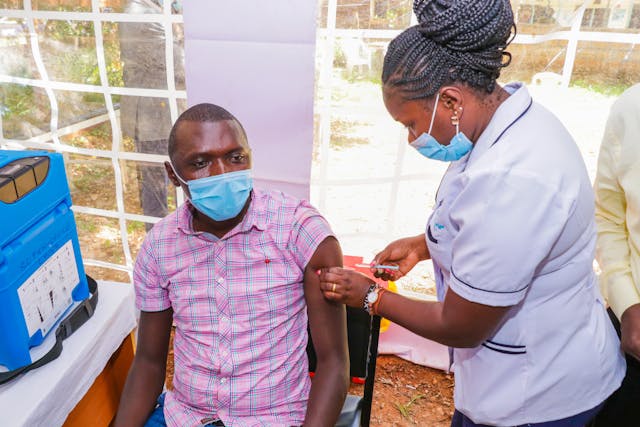
Beyond the rhetoric, the most disruptive RFK Jr. health policies targeted vaccine oversight. He dismissed the CDC director he had himself appointed months earlier. Furthermore, he removed the members of the long-standing independent advisory panel that reviews evidence and crafts recommendations. He later appointed several skeptics, arguing that dissent would improve rigor. However, many critics argued that the shake-up replaced expertise with ideology, risking confusion among both clinicians and families. The Senate hearing probed whether those firings were retaliatory and whether a demand to pre-approve decisions occurred. Kennedy ended up denying that claim, insisting the agency needed a deep reboot after pandemic-era mistakes. The committee’s own materials document the scope of the overhaul and the bipartisan discomfort it ultimately created. The controversy hinges on whether disrupting the advisory pipeline actually improves accountability. Many feel that it simply weakens a mechanism that previously protected technical recommendations from partisan disagreements.
The episode also collided with the seasonal booster policy. ACIP continued to recommend vaccination for everyone six months and older, with emphasis on seniors and those at higher risk. Public communication stressed the importance of individual risk assessment for people under 65 and the significant benefit for seniors. However, Kennedy criticized elements of those positions while narrowing booster access in certain programs. Senators argued that this move ultimately restricted choice. HHS’s summary of ACIP says vaccines should be offered based on a person’s risk, not banned. This makes the argument that experts were blocking access slightly more complicated.
Nutrition and Ultra-processed Foods

Image Credit: Pexels
The RFK Jr. health policies support limiting ultra-processed foods and reforming school meals, with additional scrutiny on additives and dyes. That specific agenda aligns with a growing body of epidemiology connecting high UPF intake with worse cardiometabolic outcomes. A 2024 review in The BMJ reported associations between UPFs and higher risks for cardiovascular disease, diabetes, and mental health. While associations are not proof of harm, they are consistent across many countries. Therefore, many experts tend to favor policies that make minimally processed foods easier to afford and find, especially for children.
Global institutions are moving in similar directions across the world. In 2025, the WHO started formally developing guidelines regarding UPF consumption, seeking external experts and a standardized evidence review. This process will take time, since guideline panels need to weigh observational data, potential mechanisms, and impacts on equity. Even before any formal WHO guideline, most nutrition authorities recommend reducing added sugars, sodium, and ultra-processed snacks. They also recommend increasing intake of fruits, vegetables, legumes, and whole grains. Basically, Kennedy’s proposals to improve school meals and restrict certain additives sit well within mainstream preventive nutrition policy. This explains the relatively low controversy associated with these changes compared to vaccines.
Environmental Toxins and Chemical Safety

Kennedy has long pushed for tighter regulation of pollutants and industrial chemicals. Many scientists agree that better protections are needed, especially for children and prenatal exposure. Yet the evidence linking specific chemicals to particular neurodevelopmental conditions remains mixed, and sometimes contested. For example, IARC classifies glyphosate as “probably carcinogenic to humans,” a judgment that weighs evidence from human and animal studies. However, the EPA, reviewing a broader set of data, concludes that glyphosate is not likely carcinogenic at typical exposures. These differences of opinion have helped fuel the ongoing regulatory debate. It also reveals how risk assessment can diverge across institutions using different methods and evidence thresholds.
Brain development research is complicated. Many studies link some pesticide exposure to ADHD or autism, yet findings often differ. Scientists are still studying how these chemicals might cause potential harm. Mixed exposures also make results harder to read. Because of this, experts urge caution while stronger evidence builds, especially for hormone-like chemicals. Therefore, Kennedy’s push for tougher chemical rules aligns with public health goals. Yet some specific claims he makes go beyond what evidence currently supports. The consensus is clear: reduce harmful exposures and improve tracking, without overstating what studies can currently prove.
Water Fluoridation

The new RFK Jr. health policies also oppose community water fluoridation, urging that municipalities stop adding fluoride. However, that particular position stands against decades of dental and public-health guidance. The CDC characterizes community water fluoridation as safe, cost-effective, and protective against tooth decay when maintained near 0.7 mg/L. Major professional bodies, including the American Dental Association, endorse fluoridation as a proven caries-prevention tool that reduces disparities. Recent pediatric statements again affirmed safety and effectiveness at the recommended levels. Therefore, the mainstream view remains that fluoridation should continue as a community intervention unless high natural fluoride issues require adjustment.
However, policy debates still surface. Some jurisdictions have paused, reduced, or even banned fluoridation, often citing contested claims about neurodevelopmental harm. Dental and public-health organizations dispute those claims and point to the broader evidence base. While science continues to evaluate high-dose or unusual exposure settings, the consensus supports ongoing fluoridation at guideline levels. Kennedy’s proposal to end fluoridation, therefore, is considered highly controversial. This is because it contradicts the balance of current evidence and the positions of leading health authorities.
FDA and HHS Reform

Kennedy has floated reforms to the FDA and HHS, including removing pharmaceutical “user fees” that help fund drug reviews. He argues that industry fees create conflicts of interest and that stricter firewalls are necessary for public trust. The user-fee system began in 1992 under the Prescription Drug User Fee Act and has been repeatedly reauthorized by Congress. The FDA describes these fees as critical for meeting timeliness goals, which can speed up access to new therapies. Congressional research summaries reveal that user fees now comprise a considerable share of the budgets for several FDA medical-product centers. The debate is less about whether conflicts should be managed and more about how to fund reviews without eroding capacity. Reformers propose stronger disclosure rules, more public advisory meetings, and better separation between pre-submission advice and later approval decisions. They do not typically argue for eliminating the program outright, because doing so could slow reviews unless Congress backfills the lost funding. Therefore, Kennedy’s anti-fee stance carries moderate controversy. Many experts welcome conflict-of-interest reforms, yet they caution that defunding without an alternative would undermine the very consumer protections reformers want strengthened.
Prevention-first Healthcare and Access

Kennedy also supports covering healthy food, exercise programs, and preventive services through federal payers, including Medicare and Medicaid. That particular idea overlaps with current “Food is Medicine” pilots and established efforts like the Medicare Diabetes Prevention Program. MDPP’s aim is to delay or prevent diabetes through structured lifestyle coaching, weight-loss targets, and sustained behavior support. Evaluations show participants who meet program goals lose modest weight and develop diabetes less often. Several analyses also suggest short-term savings from fewer hospitalizations and clinic visits.
However, these programs still face various obstacles, such as recruiting providers and financing sufficient program intensity. Beyond diabetes, lifestyle and dietary interventions lower cardiovascular risk and improve intermediate outcomes such as blood pressure and lipid profiles. The U.S. Preventive Services Task Force and professional societies have reviewed counseling programs and found small to moderate benefits. This was found to be especially true for people with elevated risk factors. Recent meta-analyses indicated that these prevention programs reduce the risk across many study designs. Yet these results are typically uneven when scaled to communities. In this case, Kennedy’s call to expand prevention coverage matches the scientific consensus.
Where the RFK Jr. Health Policies Land on the Controversy Spectrum

Looking at the full agenda helps us separate low-controversy ideas from high-controversy ones. His nutrition proposals align with global moves toward healthier public purchasing, especially for schools. They also match the growing research on ultra-processed foods and added sugars. His environmental plans gain broad support in principle, since fewer harmful exposures protect children and communities. Yet claims that specific chemicals cause specific disorders often outrun causal evidence and split regulators. His prevention-first financing approach is also well supported by trials and policy reviews. However, it needs clearer timelines, funding details, and accountability measures. These areas spark debate over execution, not core goals.
Vaccine policy and water fluoridation remain the flashpoints. The consensus still holds that routine vaccines are safe and effective for most people. Studies also show that COVID vaccination prevented many deaths in the first year. Evidence for community water fluoridation at recommended levels is similarly extensive and regularly reaffirmed. Dental and pediatric groups continue to endorse it as safe and effective. Kennedy’s positions in these two areas diverge from that consensus and invite strong criticism. Therefore, the Senate hearing became unusually combative and drew bipartisan scrutiny. Those breaks with consensus also explain worries about purging advisory panels and destabilizing CDC leadership. Lawmakers who back other administration goals still raised alarms about those moves.
Read More: Study Claims IQ Loss From Fluorinated Water Is Significant. Here’s What You Need to Know
The Bottom Line

The RFK Jr. health policies blend mainstream ideas with positions that conflict with established evidence. Cleaning up nutrition standards, investing in prevention, and tightening chemical protections align with current science. Reforming user fees is worth debating, as long as FDA capacity remains strong. His rejection of community water fluoridation and his continuing skepticism about vaccines stand apart. The evidence base and expert consensus strongly support both interventions. Additionally, the pandemic’s mortality record underscores how consequential such decisions can be. The hearing showed that many lawmakers can support accountable reform while resisting positions that erode trust. The next phase will hinge on whether Kennedy channels oversight into better evidence processes or continues to dismiss consensus on pillars of modern public health.
Disclaimer: This article was created with AI assistance and edited by a human for accuracy and clarity.
Read More: RFK Jr. Claims Circumcised Boys At Higher Risk of Autism. Here’s What The Evidence Says.