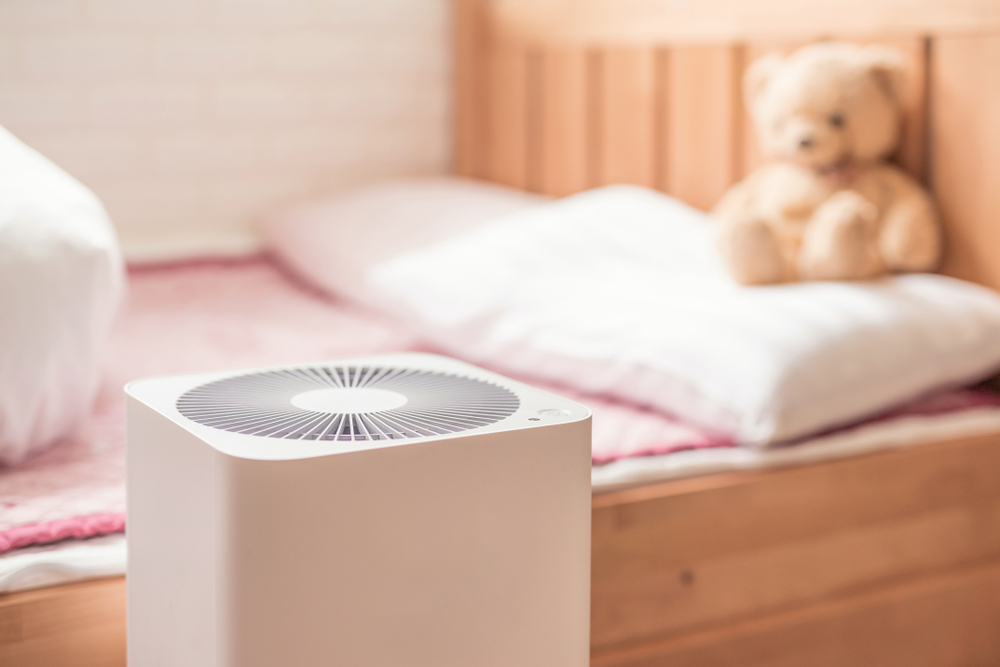
The air in most bedrooms has tiny particles from car exhaust, smoke, and burning fuel. In people with prediabetes, breathing that air while sleeping seems to affect blood sugar the next morning. Scientists have seen signs of this link for years. Now researchers at NYU Langone Health have tested it directly in people for the first time. In their trial, some people got real air purifiers and others got fake ones. This let the team see how cleaner air alone affected blood sugar swings.
More than 2 in 5 American adults, 115.2 million people, have prediabetes. With prediabetes, blood sugar is higher than normal but not high enough to be called diabetes. Up to 70% of people with prediabetes eventually develop type 2 diabetes. Diet, exercise, and weight control are still the main ways to manage it. The NYU Langone study adds something most doctors don’t talk about yet: the air inside your home. And it tested this in a controlled trial, not just by watching people or studying animals.
The prediabetes burden
Prediabetes usually has no clear symptoms, so most people who have it don’t know. The standard advice is to cut back on refined carbs like white bread and sugar, lose extra weight, and exercise. This advice is backed by research and it works. The hard part is sticking with it. Lifestyle changes take long-term effort, and many people struggle. So researchers are looking for easy extra tools that can help. The NYU Langone air filter study is one of them.
How can air pollution affect blood sugar?
PM2.5 is the name for very fine particles in the air. They are smaller than 2.5 micrometers across, far thinner than a hair. They come from car exhaust, factories, and burning fuel. They are small enough to get deep into the lungs and into the blood. Research published in Diabetes has linked air pollution to insulin resistance and to the body changes behind type 2 diabetes.
PM2.5 particles trigger systemic inflammation that damages cells and disrupts how they respond to insulin. Insulin is the hormone that moves sugar from the blood into cells. Insulin resistance is the main problem in prediabetes. The body makes insulin, but cells don’t respond to it well, so sugar stays high in the blood. Research in Environmental Health Perspectives found that even short-term PM2.5 exposure can cause insulin resistance in blood vessels. It does this through stress in the lungs. That may speed up insulin resistance across the whole body.
Read More: 10+ Foods to Help Lower Your Blood Sugar
All of this research suggests air pollution harms metabolism, not just the lungs. That is why the NYU Langone team ran their trial.
What did the NYU Langone trial find?
The NYU Langone trial is the first to test whether in-home HEPA filtration can improve glucose control in adults with prediabetes. The study included more than 150 men and women with prediabetes. They were split into two groups. One group had a working HEPA air purifier in the bedroom. The other group had a fake device with the filter taken out. No one knew which kind they had, so the results weren’t affected by people expecting to feel better. All participants wore continuous glucose monitors during the trial. These are small sensors worn on the body that check blood sugar every few minutes.
The people in the study had prediabetes but no hardened arteries. So the results don’t directly apply to people who already have diabetes or serious heart disease.
What the HEPA filters achieved
The active air filters cleared 36% of harmful air particles in the bedroom environment. With fewer particles in the air, blood sugar changed in ways the monitors could measure. Cleaner air was linked to almost 8% smaller blood sugar swings. These are the daily ups and downs in blood sugar. Over time, big swings are linked to worse insulin resistance.
The biggest effects showed up in the morning. In prediabetes, blood sugar is often high after waking. This is called the dawn phenomenon. cortisol and growth hormone peak during the predawn hours, signaling the liver to release glucose to get the body ready to wake up. Insulin levels can also drop overnight, which makes it worse. So by breakfast, blood sugar is already high in someone with prediabetes. Food then pushes it even higher, and it stays high longer than in someone whose body handles insulin well.
Total blood sugar after breakfast fell by 17% on average among participants using real HEPA filters, and peak post-breakfast glucose levels were lowered by 13% compared with people using fake devices. Blood sugar spikes after meals can wear on the body over time. Longer studies are needed to see if these short-term drops change how prediabetes progresses.
What you eat for breakfast matters too. Research on foods that help stabilize blood sugar points to foods high in protein and fiber to help keep morning blood sugar from spiking.
What the researchers said
The lead author is Sharine L. Wittkopp, MD, PhD, a heart doctor. She said the bedroom is the most important room to focus on. You spend hours there at night breathing the same air, so that’s where filtering seems to help blood sugar. “Our findings suggest that cleaner air at home, especially in the bedroom, may help people with prediabetes keep their blood sugar steady,” she said.
The senior author is Jonathan Newman, MD, MPH. He is clinical research director at NYU Langone’s Center for the Prevention of Cardiovascular Disease. He said the results add to proof that bad air affects the heart and metabolism, not just the lungs. He said doctors should think about indoor air when helping patients lower their risk of heart disease and diabetes. The team plans longer studies. They want to see if air filters can slow or stop prediabetes from turning into diabetes, and lower the risk of heart attacks and strokes. Those studies will show whether the four-week blood sugar gains last.
Limitations to acknowledge
The study lasted four weeks. That’s long enough to see short-term changes in blood sugar, but not long-term effects. It took place in New York City, where pollution may be higher than in suburbs or the countryside. So the benefit of an air filter could be different depending on where you live. The study only included adults with prediabetes and no hardened arteries. More research is needed to know if the results apply to other people.
What HEPA filtration actually does
HEPA stands for High-Efficiency Particulate Air. The U.S. Department of Energy standard requires HEPA filters to capture 99.97% of particles as small as 0.3 microns. That’s smaller than most bacteria. These filters trap dust, pollen, mold, smoke, and the fine particles from burning fuel that cause the inflammation described above.
HEPA air purifiers are easy to buy in stores. You don’t need a prescription or a doctor’s visit. You just plug it in and change the filter as the maker suggests. Unlike most medical treatments, there are no side effects and no insurance approval needed.
The researchers were clear that an air filter adds to standard care. It does not replace it. Installing a HEPA filter works alongside healthy eating, regular exercise, and prescribed medications. Someone with prediabetes who uses an air purifier but keeps eating lots of refined carbs won’t reverse their condition. The purifier is just one piece of a bigger picture.
What to do with this information
Most people in U.S. cities and suburbs breathe some air pollution where they sleep. If you have prediabetes, a bedroom air filter is a cheap, easy option to talk about with your doctor. Putting a certified HEPA purifier in your bedroom and running it overnight is the same basic setup tested in this trial (NCT05994937). The results were presented at the American Heart Association Scientific Sessions on November 8, 2026.
In this controlled trial, cleaner air cut daily blood sugar swings by almost 8%. It cut blood sugar after breakfast by up to 17%. Over time, strain on the pancreas often decides whether prediabetes turns into type 2 diabetes. These results are worth keeping in mind along with the usual diet and lifestyle advice from your doctor.
If you have prediabetes, ask your doctor about the air in your home at your next visit, along with your HbA1c. HbA1c is a blood test that shows your average blood sugar over about three months.
Disclaimer: This information is not intended to be a substitute for professional medical advice, diagnosis, or treatment and is for information only. Always seek the advice of your physician or another qualified health provider with any questions about your medical condition and/or current medication. Do not disregard professional medical advice or delay seeking advice or treatment because of something you have read here.
AI Disclaimer: This article was created with the assistance of AI tools and reviewed by a human editor.