

As we go through life, most of us focus on the physical markers of aging. We notice the fine lines around our eyes, the silver creeping into our hair, or the way our knees protest a bit more loudly after a long walk. We invest in skin creams, join gyms, and watch our cholesterol. But there is another kind of aging that happens more quietly, often beneath the surface of our conscious awareness. This is the aging of the spirit – the gradual hardening of our attitudes, the shrinking of our social circles, and the subtle shift from a life of doing to a life of defending.
Age-Related Habits That Creep Up On Us Over Time

Image credit: Shutterstock
These habits don’t arrive with a fanfare; they creep up on us, disguised as comfort, tradition, or simply the ‘wisdom of age.’ Left unchecked, they can make our world feel smaller and more rigid long before our bodies actually give out. The good news is that just as we can exercise our muscles, we can exercise our outlook. This can be started from any age – whether you are still in your twenties or you’ve long since reached your golden years.
1. Clinging to “the Way Things Used to Be”
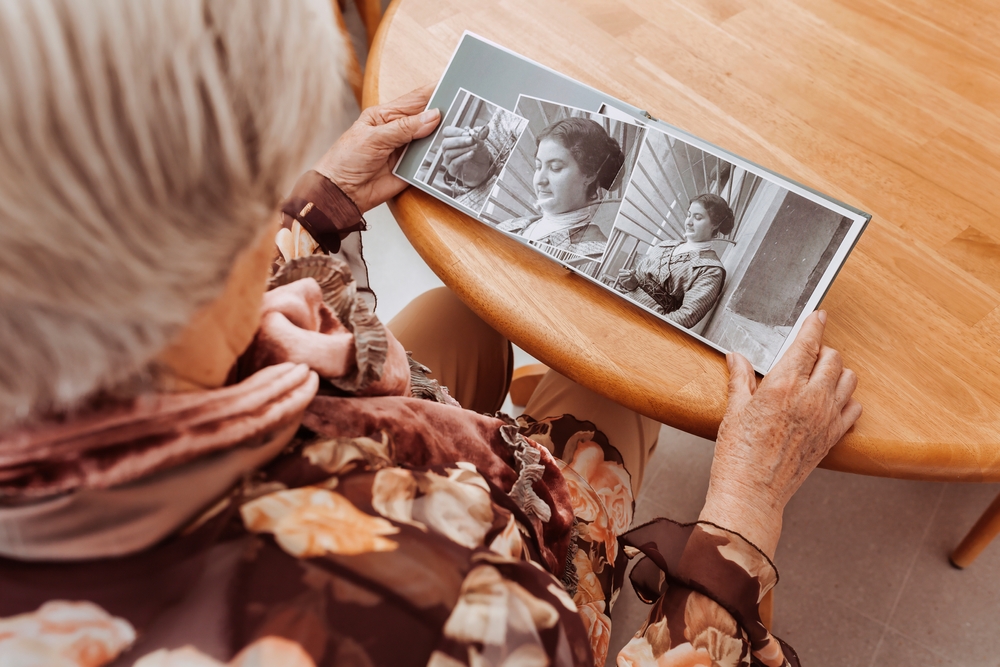
Nostalgia is a beautiful thing, but it becomes a trap when it turns into a refusal to live in the present. You might find yourself constantly comparing today’s world to a “golden age” of the past. This could be the way people dressed, the music they listened to, or even simply the cost of a gallon of milk. While it’s not wrong to reminisce on good times of old, getting stuck on them prevents you from enjoying all the wonderful things that life still has to offer.
What to do about it: Recognize that the past is a place of reference, not a place of residence. When you feel the urge to say “in my day, we didn’t do it this way…”, pause. Instead, try to find one thing about the current moment that is an improvement or simply interesting. Practice present-moment curiosity. Ask yourself: What is unique about today that I couldn’t have experienced 40 years ago?
2. Saying “Yes” When Your Body and Heart Say “No”

Interestingly, as we age, we often carry the people-pleasing habits of our younger years. We feel obligated to host every holiday, volunteer for every committee, or babysit whenever asked, even when we are exhausted. Over-committing leads to resentment, which is a fast track to aging your spirit.
What to do about it: Embrace the “elegant no.” Your time and energy are finite resources. Learning to set boundaries isn’t selfish; it’s a form of self-respect. If an invitation or request feels like a heavy weight rather than a joy, give yourself permission to decline. You’ve earned the right to be selective about where you spend your vitality.
3. Isolating Because Connection Feels Like “Too Much Effort”

That being said, sometimes you do have to push yourself out of your comfort zone. While it’s a physiological fact that as we age, the energy required to socialize can feel higher, it doesn’t change the fact that we need social interaction for our health and longevity. Yes, it’s easier to stay home in your slippers than to navigate traffic, noise, and conversation. However, isolation is one of the most significant accelerators of cognitive decline and spiritual wilting.
What to do about it: Think of social interaction as a vitamin for your brain. You don’t need to go to a loud party every night. Small, meaningful doses of connection – a 20-minute coffee with a friend, a quick phone call, or a brief chat with a neighbor – can be enough to keep the spirit engaged. These smaller connection moments can be speckled throughout your everyday life, with larger connection moments spattered throughout your weeks and months. Don’t wait for the feeling of wanting to go out, sometimes you have to act your way into the feeling.
4. Treating Your Body Like It’s “Broken”
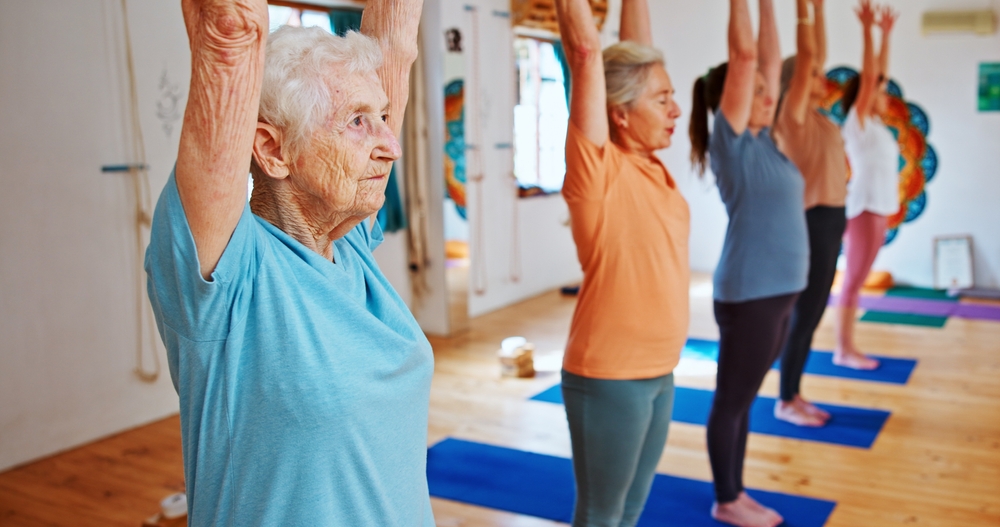
I remember when I was still in University I was stretching after my workout at the gym. On the mat next to me, there was a woman working with a personal trainer. The trainer was trying to encourage her to do some 10-second planks. At one point, she said to him, “This 52-year-old body just can’t do those things.” My own mother was in her mid-fifties at that point. She was running and lifting weights every single day, and I had never heard her complain that she couldn’t do something because of her age. Often, as we get older, it becomes easier to adopt a “medicalized” identity, where conversations revolve around doctors’ appointments and what hurts. When you start viewing your body as a failing machine, you stop moving it. This creates a self-fulfilling prophecy of decline.
What to do about it: You must shift your thinking from limitations to capabilities. Your body is capable of so much more than you think it is. For my mother, that was still running marathons even into her 50s. While that might not be for you personally, it can be other actions. If it has been a while since you’ve moved with intention, started with asking yourself can I stretch? From there can I walk to the end of the block? Can I garden? And so on. Focus on what your body can still do and treat it with gratitude. Gentle movement, like Tai Chi or swimming, reminds your spirit that you are still an active participant in life.
5. Numbing Yourself with Mindless Consumption
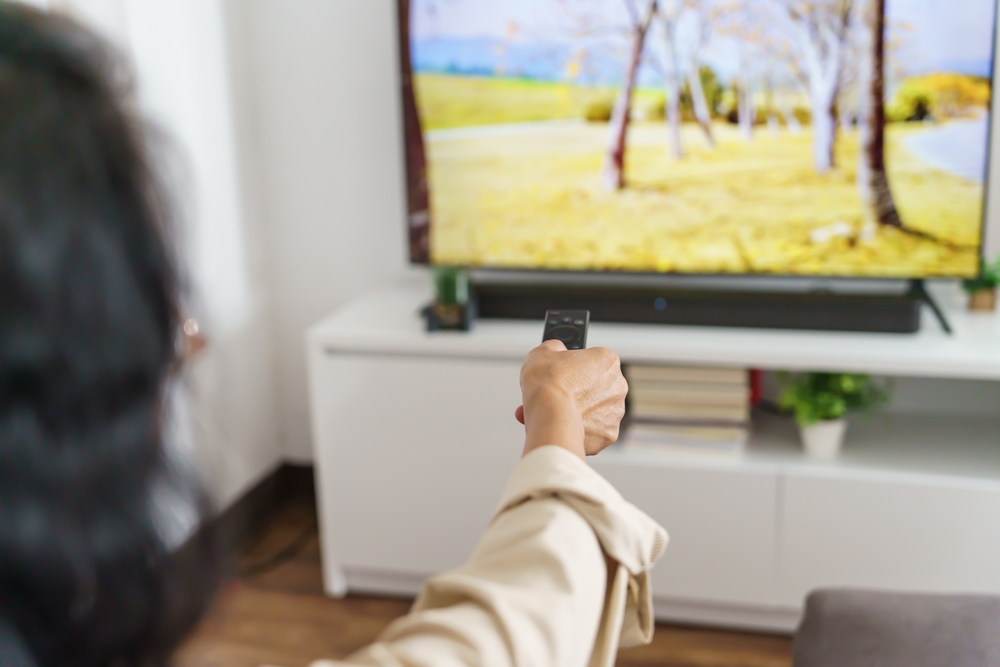
In retirement or later life, the structure of work disappears. It’s incredibly easy to fill those empty hours with eight hours of cable news or endless scrolling on social media. This is passive consumption, and it puts the spirit on standby.
“After retiring, I went through a period where I’d spend entire afternoons watching mystery shows. Not because I particularly enjoyed them, but because it filled the hours. It was my wife who finally asked me, “Are you watching this because you want to, or because you don’t know what else to do?” Farley Ledgerwood wrote in his piece on the topic for the Expert Editor. “Ouch. But she was right. When we numb ourselves with passive consumption, we’re essentially putting our spirit on standby. We’re not engaged, not creating, not connecting. We’re just… existing.”
What to do about it: Balance consumption with creation. For every hour you spend watching TV, spend thirty minutes doing something active. This could be writing a letter, cooking a new recipe, woodworking, going for a walk, or even just doing a crossword puzzle. The goal is to be a participant in your life, not just a spectator.
6. Refusing to Learn New Things

Image credit: Shutterstock
You can’t teach an old dog new tricks is perhaps the most damaging lie we tell ourselves. The moment we decide we are too old to learn how to use a new app, understand a new social concept, or pick up a hobby, we stop the process of neuroplasticity.
What to do about it: Be a beginner again. There is a profound humility and joy in being bad at something new. Whether it’s learning a language on Duolingo or figuring out how to use a smart-home device, the struggle is where the growth happens. It keeps your mind sharp and your spirit youthful. Remember, you don’t have to be good at things to try them or enjoy them, especially when it’s something new. Just start trying.
7. Carrying Resentments Like “Precious Cargo”

Image credit: Shutterstock
As we age, we accumulate a “backpack” of old hurts: the promotion we never got, the friend who betrayed us, the child who doesn’t call enough. Carrying these resentments is like drinking poison and expecting the other person to die. It makes us bitter and brittle.
What to do about it: Practice the art of the exhale. Forgiveness isn’t about saying the other person was right; it’s about deciding that you no longer want to carry the weight. If you find yourself replaying an old argument, consciously tell yourself, “I am choosing to put this down now.”
8. Believing Your Best Days are Behind You
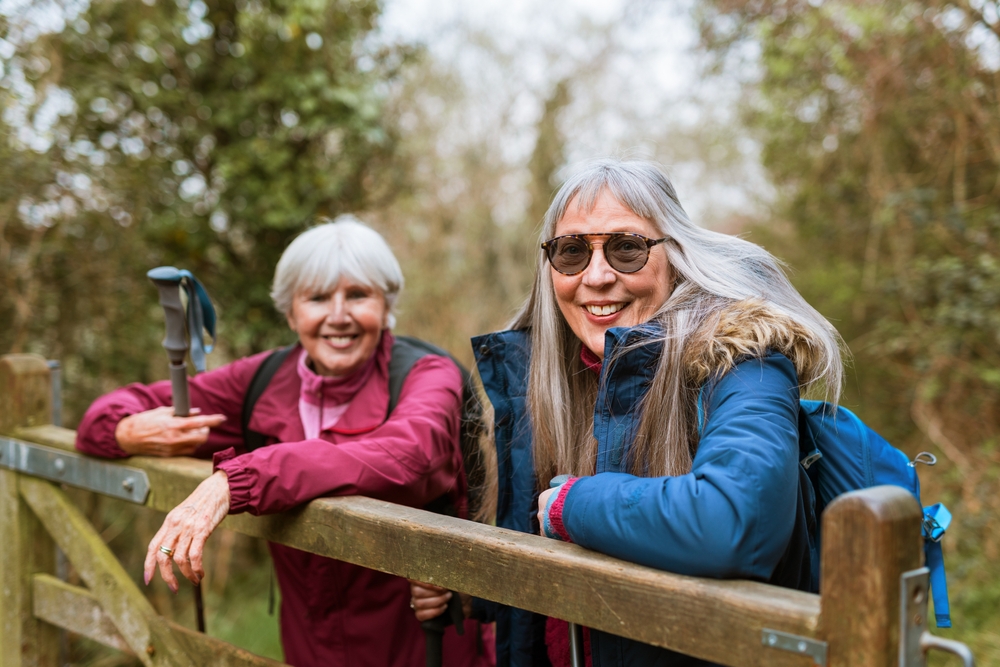
This is the ultimate spirit-ager. If you believe that your purpose has already been fulfilled and you are just waiting out the clock, your spirit will reflect that. You will seem older than you actually are quite rapidly.
What to do about it: Redefine your peak. Your peak isn’t a single point in your 20s or 30s; whenever you are living most authentically. Find a ‘why’ for your current stage of life. Maybe your purpose now isn’t to build a career, but to mentor others, to create art, or to simply be a peaceful presence in your family.
9. Criticizing Younger Generations

This habit is often born from a feeling of being ‘left behind’ by a fast-changing world. It manifests as complaining about the kids these days – their work ethic, their technology use, or their values. This creates a them vs. us mentality that effectively severs your connection to the future.
What to do about it: Seek to understand rather than to judge. Every generation faces unique challenges that the previous one didn’t have to navigate. Instead of criticizing, ask questions. I see you using that app; how does it work? Why do you like it? You’ll find that younger people are often more than willing to bridge the gap if they don’t feel judged. Remember: being the ‘grumpy elder’ is a choice, not a requirement.
10. Rejecting New Things Automatically

Image credit: Shutterstock
Whether it’s a new type of food, a new genre of music, or a new way of communicating, the automatic no, I don’t like that is a sign of mental rigidity. This habit creeps up as a way to maintain control in a world that feels increasingly unfamiliar.
What to do about it: Adopt a “Try It Once” policy. If a grandchild suggests a new restaurant or a friend mentions a new podcast, give it a fair shot before dismissing it. Staying open to newness keeps the world from shrinking. It keeps you current and makes you a much more engaging person to be around.
11. Constant Complaining

It starts small. A comment about the weather, the service at a restaurant, or a minor ache. But complaining can become a default setting for the brain. It’s a way of seeking attention or venting frustration, but it eventually repels the very people we want to be close to.
What to do about it: Implement the “Gripe-to-Gratitude” ratio. For every complaint you voice, you must vocalize two things you are grateful for. This trains your brain to look for the positive. If you’re unhappy with something, ask yourself: Can I change this? If yes, take action. If not, complaining about it only ruins your own mood and the moods of those around you.
12. Assuming Respect is a “Right” of Age
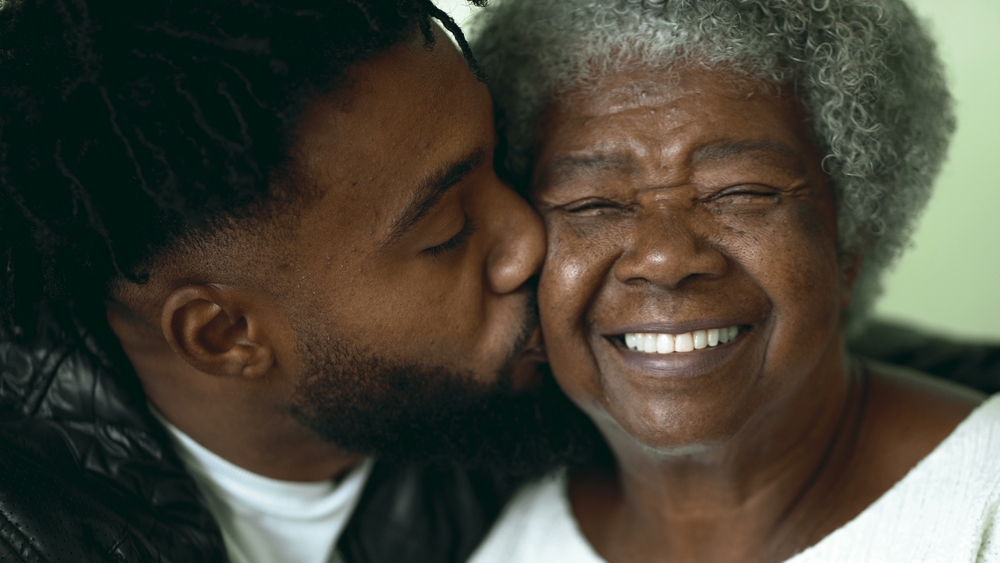
Image credit: Shutterstock
There is a common trap of assuming that simply because you have lived more years, you deserve automatic deference, regardless of how you treat others. Demanding respect rather than receiving thanks for your kindness and character is a surefire way to create friction in your relationships.
What to do about it: View respect as a two-way street. True elder-wisdom is characterized by humility, not entitlement. When you treat people of all ages with genuine interest and respect, you will find that it is returned to you tenfold. Focus on being a person people want to respect, rather than someone that have to simply because you are older.
Read More: Seniors With Higher ‘Bad’ Cholesterol May Enjoy Greater Longevity in This Country
The Art of Aging “Upward”

Image credit: Shutterstock
Aging is inevitable, but becoming old is, in many ways, an elective process. The habits we’ve discussed, from clinging to the past and isolating ourselves to criticizing the young and demanding respect, are all forms of spiritual gravity. They pull us down, making us heavier, more rigid, and less joyful.
The antidote to these habits is a conscious decision to stay light. It requires a daily commitment to curiosity, a willingness to be a beginner, and the courage to let go of old identities that no longer serve us. It means recognizing that while our physical stamina might decrease, our capacity for wonder, empathy, and growth can actually increase with age.
By identifying these subtle habits as they creep up, we can gently redirect our path. We can choose to be the person who is excited about a new discovery at 80, the person who listens more than they lecture, and the person who views every day as an opportunity to add a new chapter to their story rather than just re-reading the old ones. Your spirit doesn’t have an expiration date. Keep it fed with curiosity, connection, and a healthy dose of ‘yes.’
Disclaimer: This information is not intended to be a substitute for professional medical advice, diagnosis or treatment and is for information only. Always seek the advice of your physician or another qualified health provider with any questions about your medical condition and/or current medication. Do not disregard professional medical advice or delay seeking advice or treatment because of something you have read here.
Read More: Eat These 10 Foods to Fight Aging From the Inside Out