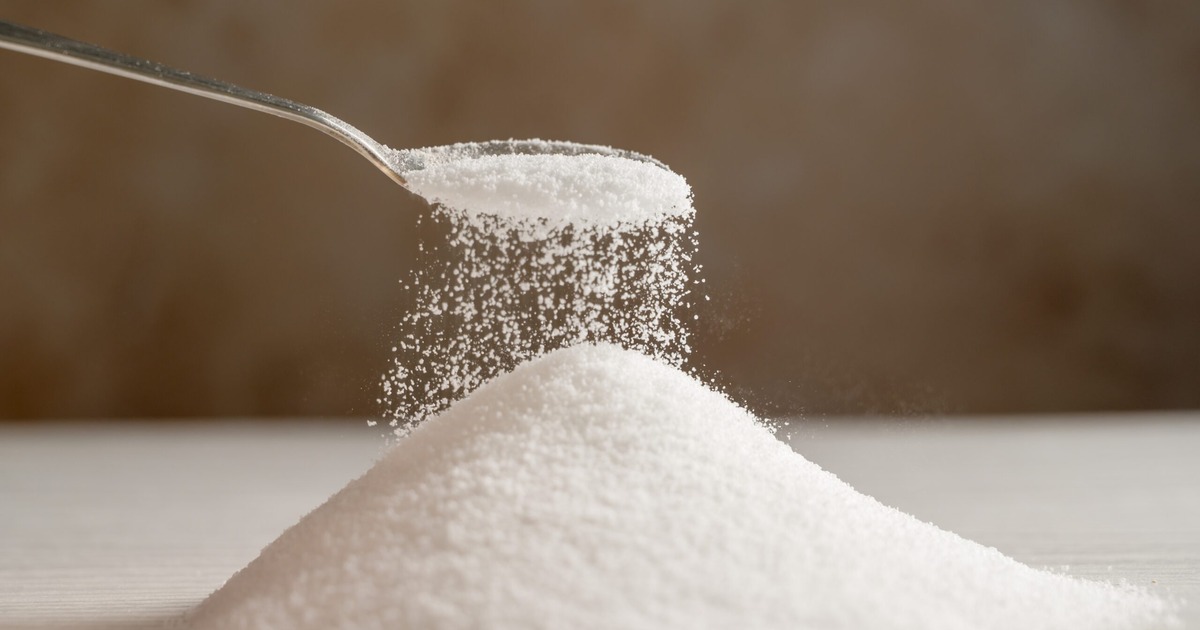

A large study found that Korean women who ate high-sugar foods more than twice a week had a 28% higher breast cancer risk. The comparison group was women who ate those foods less than once a month. The study was published in the European Journal of Nutrition in October 2026.
In 2024, an estimated 2.4 million women worldwide received a breast cancer diagnosis. That same year, 694,000 women died from the disease. This makes breast cancer the most common cancer among women globally. Diet is one of the few risk factors you can change, and researchers keep returning to it. The question of sugar intake and breast cancer risk now has one of its largest datasets yet.
Researchers at Seoul National University led the work. They tracked more than 71,000 women for nearly a decade. The findings are specific, the numbers are striking, and the limitations are real. All three things matter for understanding what this research actually means.
What the Study Found About Sugar Intake and Breast Cancer
The Health Examinees-Gem (HEXA-G) study enrolled women aged 40 to 69 in Korea between 2004 and 2013. After study-specific exclusions, 71,264 women were included in the final analysis. Over a mean follow-up of 9.2 years, 713 new breast cancer cases occurred.
The analysis looked at seven high-sugar food groups. When they joined the study, each participant filled out a food frequency questionnaire covering seven high-sugar food groups. They reported how often they ate each of the seven high-sugar food groups.
Women who ate more than two servings of these high-sugar foods per week had a 28% higher breast cancer risk (HR 1.28; 95% CI 1.02-1.61). The comparison group ate these foods no more than once a month. That figure is an adjusted hazard ratio. It means the researchers accounted for other factors that could affect breast cancer risk. It shows a relative difference between the diet groups in the study. It does not mean any one woman’s overall risk rises by 28 percentage points.
Read More: New Study Links High Sugar Diet to Lung Cancer, Shedding Light on Diet’s Role in Health
Two specific foods showed particularly strong associations. Eating ice cream at least once a week was linked to a 26% higher breast cancer risk, though that estimate was borderline. Eating sugary cereals at least once every two months was linked to a 34% higher breast cancer risk, compared with women who did not eat them at all. The authors noted that sugary cereal intake in this group was relatively low.
Among women under 50, those in the highest quarter of high-sugar food intake had a 52% higher breast cancer risk than those in the lowest quarter. A test of whether age changed the overall result was not significant, so this should be read with care.
Fruit Sugar Is Not the Same as Added Sugar
One of the study’s most important findings is what it did not find. Fruit intake showed no statistically significant link to breast cancer risk. This was true even though fruit made up 42.89% of total sugar intake in the study group. Total sugar intake, looked at as a whole, was not strongly linked to breast cancer risk in this analysis.
That distinction shifts the question. The issue is not how much sugar you eat in total. The findings point to where that sugar comes from. Fruit has fiber, vitamins, and plant compounds. These compounds help fight damage and swelling in the body. It does not appear to carry the same risk as sugar-sweetened processed foods. A bowl of berries and a bowl of frosted cereal both have sugar. But they affect the body in different ways.
One proposed biological explanation involves insulin. When blood sugar spikes often, insulin rises with it. This chain of events makes sense biologically. But it has not been proven in human clinical trials.
Why This Study Applies Carefully to American Women
This was an observational study of Korean women, not American ones. That distinction matters for two reasons.
The 28% figure comes from comparing dietary groups within this one study. It is not a prediction for any individual woman. It is also not a figure calibrated to U.S. dietary patterns, body weight, alcohol use, or hormone therapy rates.
Second, Korean dietary patterns differ from American ones. The study’s high-sugar food list includes “Korean traditional sugar-based tea,” which has no direct American equivalent. The main finding is in line with other research. In this study, eating more high-sugar foods was linked to a higher breast cancer risk. Eating fruit was not. Even so, the specific size of the risk should not be applied to U.S. women without that caveat.
Diet was assessed only once, at enrollment. The study could not tell added sugars apart from natural sugars in the same food. A cookie and a sweet potato both contain sugars, but the questionnaire could not separate them. That limits what the data can tell us.
Breast cancer is also caused by many factors working together. About 80% of cases occur in women with no specific risk factors other than sex and age. Diet is one piece of a much larger picture. Genes, body weight, pregnancy history, alcohol use, and exercise also play a role.
Practical Steps Based on These Findings
None of this means you need to give up ice cream or swap every breakfast food you enjoy. The study found associations, not causes. The data come from one group of people. Diet was measured only once. These findings suggest that where sugar comes from may matter, along with how much sugar you eat.
Fruit can stay on your plate. In this group, fruit made up nearly 43% of total sugar intake. Yet eating fruit was not linked to a higher breast cancer risk.
The data become more actionable when you look at frequency. The risk threshold in this study was eating high-sugar processed foods more than twice a week. Sweet cereals at breakfast or ice cream as a nightly snack are examples of foods that cross that line. Eating those foods less often is a practical, low-disruption change. The key is not replacing them with other calorie-dense packaged foods.
If you have other breast cancer risk factors, talk with your doctor about diet and overall cancer risk. No dietary change replaces screening. No single study result should trigger a dramatic overhaul of how you eat.
Talk to Your Doctor
Ask your doctor or a registered dietitian how your eating habits fit with your personal breast cancer risk. This is especially useful if you have other known risk factors. Ask your doctor about your screening schedule. Changing your diet is never a stand-in for mammograms or breast exams.
For everyday decisions, this research points in a clear direction. The form sugar comes in appears to matter as much as the amount. Whole fruit eaten in its natural form did not appear to raise breast cancer risk. This held true across more than 71,000 women followed for an average of 9.2 years. Sugary cereals and ice cream did. Try to swap your usual sweet foods for whole fruit. Treat packaged sweet foods as an occasional choice, not a daily one. This fits with what the study found.
Disclaimer: The author is not a licensed medical professional. The information provided is for general informational and educational purposes only and is based on research from publicly available, reputable sources. It is not intended to constitute, and should not be relied upon as, medical advice, diagnosis, or treatment. Always consult a licensed physician or other qualified healthcare provider regarding any medical condition, symptoms, or medications. Do not disregard, avoid, or delay seeking professional medical advice or treatment because of information contained herein.
AI Disclaimer: This article was created with the assistance of AI tools and reviewed by a human editor.