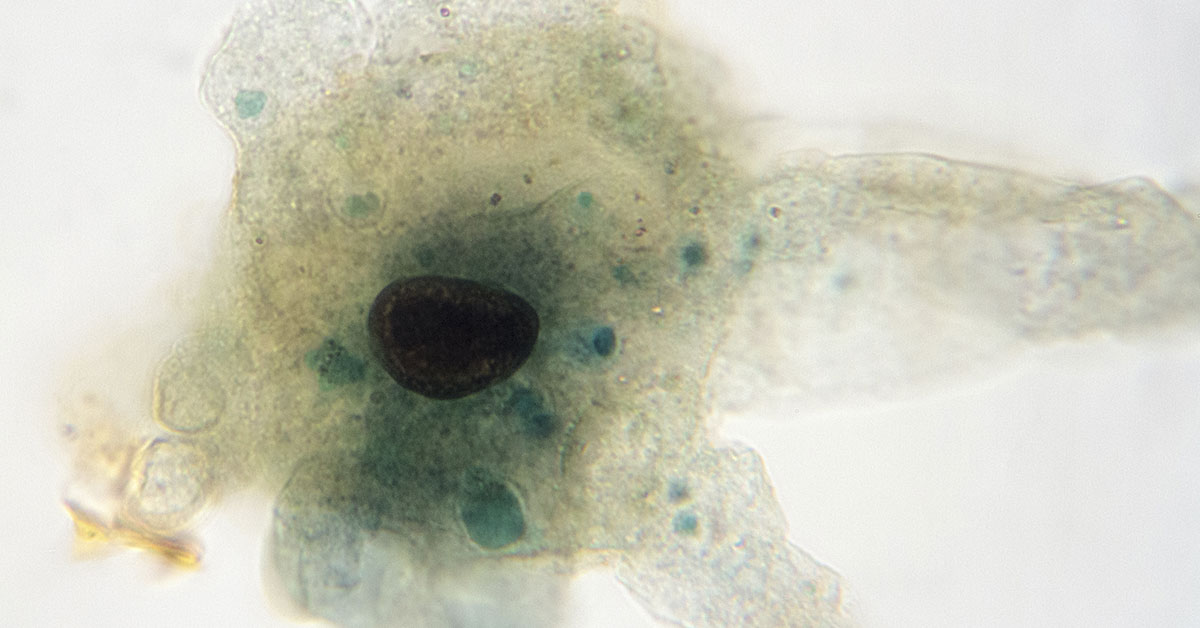

Most people would think that using a nasal irrigation device would be harmless to their health. For one woman, the results were fatal. The 71-year-old woman was staying at a campground in Texas. Reports show that she used water from her RV to fill the nasal rinse. Within 4 days, she was showing severe health symptoms and was admitted to the hospital. Despite the doctor’s efforts, the woman started having seizures and died 8 days later from a brain-eating amoeba.
The woman was first treated in the hospital for a suspected primary amebic meningoencephalitis, or PAM infection. The CDC later confirmed the presence of Naegleria fowleri, an organism that causes infection in the brain. In most cases, it is almost always fatal.
What Is PAM And How To Avoid It
PAM infections are generally linked to recreational water sports and activities. The Naegleria fowleri organism, more commonly known as the brain-eating amoeba, thrives in warm and stagnant fresh water. Rivers, hot spring’s and lakes are common places that become infected with this organism during the hot summer months. In rare cases, pools and splash pads become contaminated when they don’t contain enough chlorine.
Infection occurs in humans when contaminated water enters through the nose and into the brain. The most common symptoms are fever, headaches, and altered mental states. Patients may also show neurological symptoms, which can lead to seizures.
To avoid this happening, the CDC recommends plugging your nose when jumping into the water or using a nose clip to avoid water entering through the nose. If the quality of the water is unknown, it might be best to avoid swimming altogether. It is recommended when using a nasal rinse to always use sterile, distilled, or boiled and cooled tap water.
The CDC’s Investigation
After the death of the 71-year-old woman, the CDC opened an investigation into the matter. Lab tests confirmed the presence of brain-eating amoeba in the woman’s cerebrospinal fluid.
Later, officials confirmed that the woman did not participate in any recreational water activities during her stay at the campground. The CDC identified two possible water sources that may have led to the woman’s death.
The first possible source was the RV’s portable water supply, which the previous owner had filled three months earlier. The second was the municipal water system, which someone had connected to the RV’s portable water system using a hose and water filter, bypassing the tank entirely.
The CDC took water samples from both suspected water supplies used for the nasal rinse, including samples from the woman’s shower head and faucets in the RV. The samples were all tested for the presence of Naegleria fowleri and other amoebae, but the results came back negative.
The CDC did, however, notice that the samples from the municipal water did not reach the minimum disinfectant residual levels for Texas. This may have caused biofilm growth in the water and resulted in making the amebas less susceptible to disinfectant.
Researchers also noticed the cloudiness of the water samples from the RV was above normal, which suggests a disinfection breakdown in the water. This may have contributed to the presence of thermophilic amoebae, although there was no detection in the water samples.
It is, however, noted that the water samples were taken 23 days after the woman’s case was reported. This could explain why there was no detection of the organism and resulting in the exact source of the contamination being inconclusive.
Conclusion
This unfortunate story highlights the importance of always using distilled or sterile water with a nasal irrigation device. With water contamination becoming more and more common during summer months, people need to be aware of the possible risks. Even water that looks clean can carry invisible threats like Naegleria fowleri, especially in untreated or poorly maintained sources.
Be sure to check local news and reports on water quality where you live or plan to vacation this summer. If the water quality is unknown, be sure to use precautions or perhaps skip swimming in the lake this year. Likewise, always use sterile or properly boiled water for nasal rinsing, humidifiers, or any activity that may introduce water into your nose.
Staying cautious doesn’t mean giving up summer fun. It simply means making informed choices that keep you and your family safe. Remember, infections like PAM are rare, but they can progress quickly and turn fatal. Fortunately, they are also preventable with simple habits and awareness. By staying vigilant and making smart water choices, you can enjoy the season without unnecessary risks.
Read More: 10 Natural Remedies To Help Deal With a Sinus Infection