
During the 1990s, a few chefs in Minneapolis quietly swapped filet mignon on their menus for a different cut entirely, one pulled from the shoulder of the steer, and most diners never noticed the difference. The story, which circulated for years as something of an urban legend, goes that when filet prices spiked, some Twin Cities chefs began serving cuts from the teres major without changing the name or the price on the menu. Whether or not every detail of that story holds up, it captures something real about this cut: it’s that good, and almost no one outside professional kitchens knows it exists.
The teres major steak goes by several names. Snake River Farms lists it as the chuck shoulder tender, petite tender medallions, or shoulder tender medallions. You might also see it labeled a bistro filet at higher-end restaurants. Regardless of the label, the cut is the same thing: a small, remarkably tender muscle from the shoulder of the steer that consistently earns comparisons to beef tenderloin at a fraction of the price.
Cut from the beef chuck, the teres major is a juicy muscle from the shoulder near the top blade, offering versatility and an upscale plate presentation similar to beef tenderloin. It sits right next to the flat iron steak in the shoulder clod, which is why skilled butchers are the ones who most often know it’s there.
What Makes Teres Major So Tender
Roughly the size of a pork tenderloin, the teres major is the second or third most tender cut on a cow, sitting right behind the tenderloin and ribeye. That tenderness comes down to how much, or rather how little, the muscle actually works. Food writer Dara Moscowitz, who covers the food culture of the Foodie and Wine blog, describes testing the cut firsthand and finding it delivers “the rich beefy flavor and tenderness of a beef tenderloin, thanks to limited connective tissue, at a fraction of the cost.”
The flavor side of the equation comes from a different mechanism. The teres major has considerably more flavor than a tenderloin because it comes from a more active muscle – one that gets more blood flow, which helps develop complex, rich beefy flavor with hints of iron, similar to a hanger steak. In practical terms, that means you get the buttery texture people love about filet mignon alongside the deeper, more satisfying beef taste that filet famously lacks.
The teres major comes from the chuck primal, specifically the shoulder clod, sitting at the top of that region right next to the top blade (flat iron). Butchers have to trim away fat, silver skin, and connective tissue to get it ready. That trimming step is part of why this cut stays obscure. Extracting a teres major requires a skilled butcher, which is why it’s not commonly found in grocery meat cases.
Why It’s So Hard to Find (and What to Do About It)
The muscles surrounding the teres major are developed by the animal’s active life on pasture, and there’s a lot of work involved in retrieving these small steaks. Porter Road, a premium online butcher and meat delivery company based in Nashville, claims to get only 2 pounds from every 1,400 pounds of beef. That extreme scarcity is baked into the cut’s nature, not just its reputation.
As of 2025, teres major steak typically costs $14-$22 per pound in the United States, with prices varying depending on grade and source. Compare that to beef tenderloin, which routinely runs $25 to $40 or more per pound at comparable quality. The gap is significant enough that a teres major dinner for two costs roughly the same as a single filet mignon at a steakhouse.
Chris Mata, Executive Chef of Pappas Bros. Steakhouse in Dallas, Texas, describes the appeal simply: “In many ways, it’s one of the industry’s best kept secrets, a true ‘butcher’s cut.’ While tenderloin often gets the spotlight, teres major delivers a similar eating experience with deeper beef flavor, making it a favorite among chefs and butchers who appreciate discovering exceptional cuts beyond the traditional ribeye, strip, or filet.”
Your best bet for finding it is a dedicated butcher shop rather than a standard supermarket. Most butchers recognize the cut by different names, so using the right terminology helps. Asking specifically for the “teres major or petite tender” and describing it as “the small, lean muscle from the shoulder, sometimes labeled as the shoulder tenderloin or bistro filet” signals that you know what you’re looking for. Online meat retailers, including Snake River Farms and Porter Road, also carry it, though stock moves quickly. Some restaurant supply stores, including Costco Business Centers in the US, carry teres major in vacuum-sealed packs, typically four to six pieces per pack.
When selecting at the counter, look for good marbling and a deep, vibrant red color. Fresh steak and other cuts of beef appear purple or bright cherry red when they’re at their best. You can learn more about how to pick the freshest beef at the counter from a butcher’s perspective. The average teres major weighs around 1.25 pounds, and butchers typically take it out as a whole muscle and either leave it that way or cut it into smaller, medallion-shaped steaks that look much like filet mignon.
How to Cook Teres Major Steak
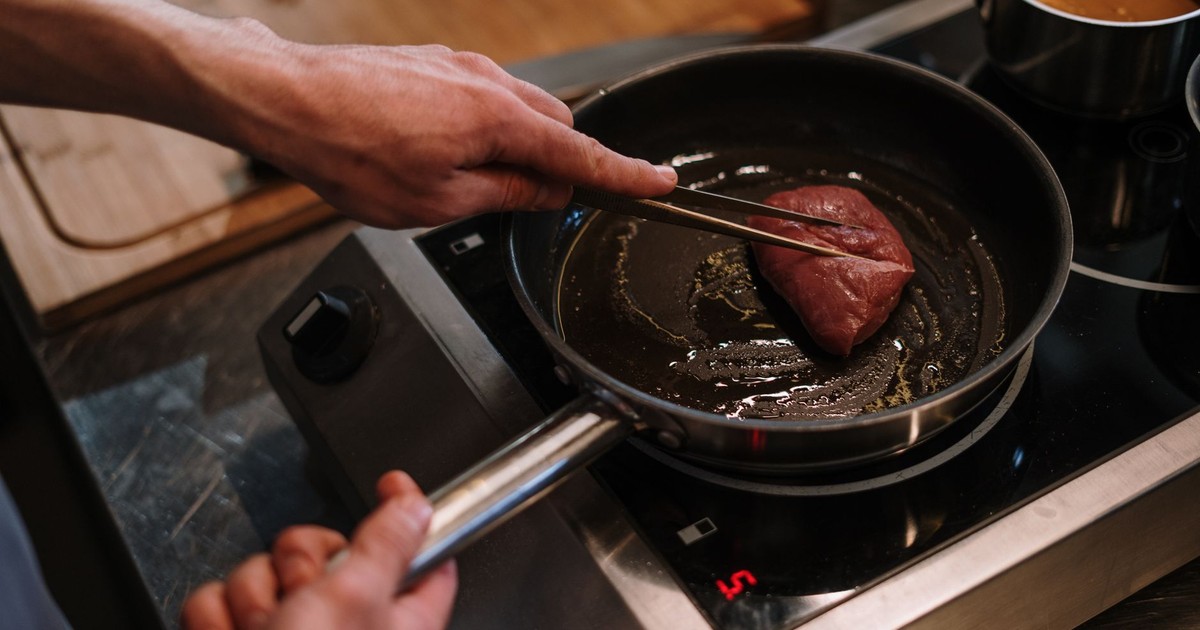
High heat is the right approach here. Pan-searing in a cast-iron skillet or grilling are the best methods for teres major, because the high heat creates a delicious crust on the outside while keeping the inside tender. Skip elaborate marinades – the flavor of this cut doesn’t need help. Kosher salt and freshly cracked black pepper applied generously before cooking is all the seasoning the cut needs, a philosophy consistent with how professional kitchens treat it.
Temperature control matters more with teres major than with most cuts. For a medium-rare result, pull the steak from the heat at 130°F, because carryover cooking raises the internal temperature by approximately 5-10°F after the steak is removed from the heat source. Aiming for 125-130°F at the point of removal will land you at medium-rare, the ideal level of doneness for this cut. Anyone following safe food handling guidelines should note that the USDA’s Food Safety and Inspection Service recommends a minimum internal temperature of 145°F for beef steaks, though many experienced cooks choose medium-rare for whole-muscle cuts.
A cooked teres major must rest properly after leaving the heat. Skip that step and the steak gives off considerably more juice than most other cuts. The increased blood flow this muscle receives means it takes around twice as long to rest compared to other beef cuts. An 8-ounce teres major should rest in a warm place for about 15 minutes before slicing for the best result.
Resting lets the internal temperature equalize and allows the juices to be reabsorbed throughout the meat. The Forager Chef, which has documented this cut extensively, notes that non-rested steaks can lose significantly more juice during slicing than properly rested ones, with the difference visible in the amount of liquid that pools on the cutting board.
Once rested, slice the teres major against the grain at 90 degrees to the direction of the muscle fibers, which run the length of the steak. Those shorter fiber segments are what make each bite melt rather than chew. A light sprinkle of flaky finishing salt after slicing adds texture and brings the flavor forward without masking it.
Read More: People are Surprised to Learn That The Red Juice From Your Steak Isn’t Blood
What to Do With This Information
Beef prices rose 16% from September 2024 to September 2025, driven by the smallest national cattle herd since 1951, according to the USDA Economic Research Service. Against that backdrop, the teres major steak is a smarter buy than ever. It delivers the eating experience of a premium center-cut at a price point that’s genuinely practical. The challenge is sourcing it. For most people, that means calling ahead to a local butcher shop, using the specific terminology above, and being prepared to wait for a special order if needed.
When you do find it, the approach is simple: season with kosher salt and black pepper, cook over high heat to 125-130°F, rest for 15 minutes minimum, then slice against the grain. No special equipment, no complicated sauces, no lengthy prep. The teres major is tender with a lot of beef flavor, and it’s delicious with just salt and pepper, though it works equally well with your favorite seasonings and sauces.
The cut’s obscurity is what keeps the price down. Once word travels far enough that demand in mainstream retail outpaces the limited supply from each animal, that pricing advantage will likely close. For now, the people who know about teres major are paying chuck prices for a steak that eats like a luxury cut, and most of the steak-buying public is still putting filet in their cart instead.
AI Disclaimer: This article was created with the assistance of AI tools and reviewed by a human editor.