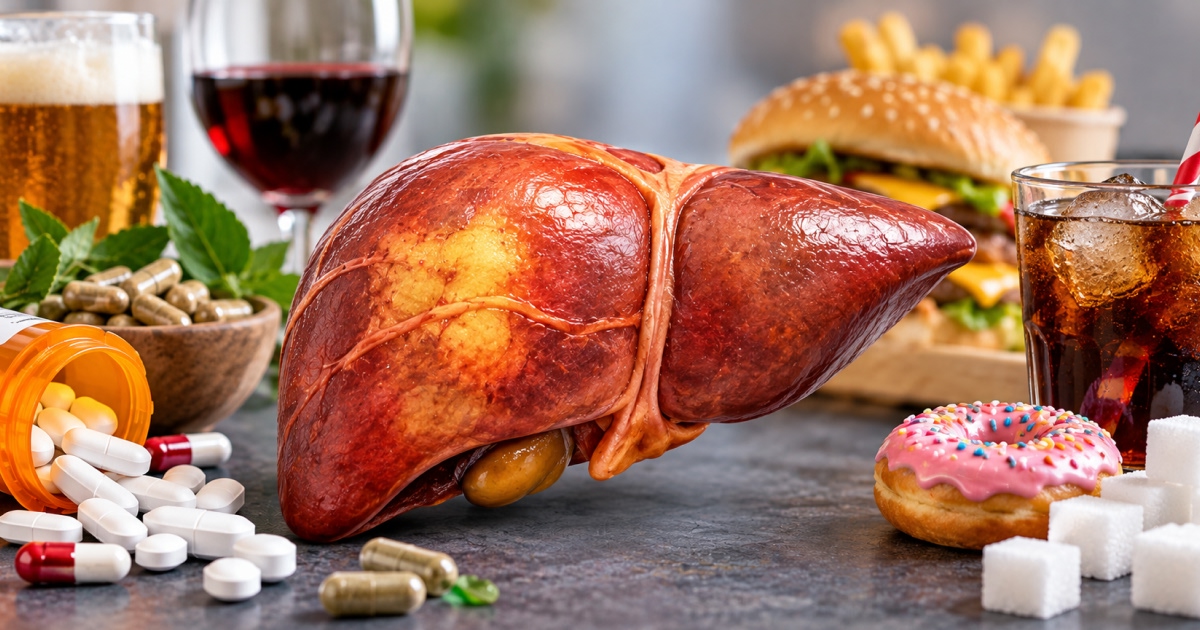

When people think about liver damage, heavy drinking may be the first thing that comes to mind. But alcohol is only one of many things that can affect this hardworking organ.
Certain medications, supplements, infections and metabolic conditions can also contribute to liver injury or the buildup of fat in the liver. That doesn’t mean normal exposure to these things is inherently dangerous. Dose, duration, genetics, existing health conditions and other factors can all influence risk.
Another challenge is that early liver disease may cause few obvious symptoms. Here are nine potentially overlooked things worth knowing about.
1. Taking Too Much Acetaminophen
Acetaminophen, also known as paracetamol and sold under brand names such as Tylenol, is safe for most people when used as directed. Taking too much, however, can cause severe liver injury and even liver failure.
Accidental overdoses can happen because acetaminophen is found in many combination cold, flu and prescription pain medications. Someone may take Tylenol for a headache and a cold medicine containing acetaminophen without realizing they’re doubling up.
The FDA advises adults and children 12 and older not to exceed a total of 4,000 mg in 24 hours and warns against using more than one acetaminophen-containing product at the same time.
Checking the active ingredients on medications and following the dosing instructions can help prevent accidental overuse.
2. Some Herbal and Dietary Supplements
“Natural” doesn’t automatically mean harmless.
Herbal and dietary supplements have been linked to cases of drug-induced liver injury, although serious reactions remain uncommon overall. The NIH’s LiverTox database documents liver injuries associated with a number of herbal and dietary supplements, while noting that multi-ingredient products can make identifying the responsible ingredient difficult.
For example, LiverTox reports that clinically apparent liver injury has been associated with ashwagandha, although the reaction appears to be rare.
Tell your doctor or pharmacist about supplements you take, particularly if you use several products or already have liver disease.
3. Insulin Resistance and Type 2 Diabetes
You don’t have to drink heavily to develop fat in your liver.
According to the NIDDK, metabolic dysfunction-associated steatotic liver disease, or MASLD, occurs when excess fat accumulates in the liver alongside metabolic risk factors. Insulin resistance and type 2 diabetes are closely connected with the condition.
For many people, liver fat doesn’t initially cause obvious symptoms. In some cases, however, MASLD can progress to inflammation and eventually fibrosis.
Managing blood sugar, eating a balanced diet, exercising regularly and addressing other metabolic risk factors can benefit both liver and overall metabolic health.
4. Regularly Drinking Sugary Beverages
An occasional soda isn’t going to suddenly damage your liver. Regularly consuming large amounts of sugar-sweetened beverages is another matter.
A systematic review and meta-analysis involving more than 35,000 people found that higher consumption of sugar-sweetened beverages was associated with progressively greater odds of NAFLD, now generally called MASLD.
That doesn’t prove soda alone causes liver disease. Sugary drinks can contribute to excess calorie intake, weight gain and metabolic dysfunction, all of which are relevant to liver health.
Making water your usual drink and treating sugary beverages as an occasional choice can help reduce overall sugar and calorie intake.
5. Certain Prescription Medications
The liver helps process many medications, and in rare cases a drug can trigger drug-induced liver injury, or DILI.
The NIH’s LiverTox resource on drug-induced liver injury documents medications that have been associated with liver injury, including certain antibiotics, anticonvulsants and other prescription drugs. The likelihood and type of injury vary considerably between medications and individuals.
This is not a reason to stop a prescribed medication because you’ve heard it can affect the liver. Stopping some medications abruptly can itself be dangerous.
Take prescriptions as directed and tell your healthcare provider about all medications and supplements you use. Liver testing may be recommended for certain drugs or individual risk factors.
6. Drinking More Alcohol Than You Realize
Counting drinks isn’t always as straightforward as it sounds.
A generously poured glass of wine, strong craft beer or cocktail may contain considerably more alcohol than someone realizes. That can make it easy to underestimate total alcohol consumption.
Repeated excessive alcohol exposure can cause fat to accumulate in the liver and, in some people, contribute to inflammation, fibrosis and eventually cirrhosis. The NIDDK explains that heavy alcohol use is one of the conditions that can eventually lead to cirrhosis.
Paying attention to both serving size and alcohol percentage can provide a better picture of how much alcohol you’re actually consuming. Drinking less reduces alcohol-related health risks.
7. High Doses of Vitamin A
Vitamins can be harmful at excessive doses too.
Vitamin A is fat-soluble, so excessive amounts of preformed vitamin A can accumulate in the body. LiverTox reports that normal doses aren’t associated with liver injury, while chronically high doses can damage the liver and eventually contribute to fibrosis.
This shouldn’t be confused with beta-carotene in foods such as carrots and sweet potatoes. The body converts beta-carotene into vitamin A as needed. Preformed vitamin A can be found in supplements as well as certain foods, particularly liver.
Avoid high-dose vitamin A supplements unless there’s a medical reason to take them, and check multivitamin labels before combining products.
8. Hepatitis B and C
Some liver damage can develop silently for years.
Hepatitis B and C are viral infections that can become chronic and gradually damage the liver. Over time, chronic infection can contribute to fibrosis, cirrhosis and liver cancer.
CDC information on hepatitis B explains that the virus can spread through blood, semen and certain other body fluids, and vaccination can prevent hepatitis B. There is currently no hepatitis C vaccine, but CDC guidance on hepatitis C notes that modern antiviral medications can cure more than 95% of people with the infection.
Because chronic viral hepatitis can remain symptom-free for a long time, appropriate screening can identify infections before advanced liver damage develops.
Ask your healthcare provider whether you’ve been vaccinated against hepatitis B and whether hepatitis testing is appropriate for you.
Read More: 5 Herbal Supplements That Can Damage Your Liver
9. Carrying Excess Visceral Fat, Even Without Obvious Symptoms
The number on the scale doesn’t tell the whole story about liver health.
Visceral fat is stored around internal organs and is closely connected with insulin resistance and other metabolic abnormalities that can contribute to MASLD. Importantly, fatty liver disease can also occur in people whose BMI falls within the normal range.
Research has found that central obesity can be associated with advanced liver fibrosis even among people with a lean overall body weight. Genetics, insulin resistance, visceral fat and other metabolic factors can all influence risk.
In other words, someone doesn’t necessarily have to look overweight to have metabolic risk factors affecting the liver. Liver health is better viewed as part of overall metabolic health rather than something that can be judged by appearance alone.
Protecting Your Liver Doesn’t Have to Be Complicated
The takeaway isn’t that everyday medications, supplements or an occasional sugary drink are secretly destroying your liver. Exposure and risk aren’t the same thing.
Many liver problems develop when repeated or excessive exposure combines with other factors, such as metabolic health, genetics, infection or existing liver disease. And because early liver problems don’t always cause obvious symptoms, prevention and appropriate medical care matter.
Reading medication labels, being cautious with high-dose supplements, moderating alcohol, supporting metabolic health and following appropriate hepatitis screening and vaccination recommendations can all help protect the liver.
And if a medication discussed here was prescribed to you, don’t stop taking it because of concerns about liver damage. Talk with your doctor or pharmacist about your individual risk and whether any monitoring is necessary.
Disclaimer: The author is not a licensed medical professional. The information provided is for general informational and educational purposes only and is based on research from publicly available, reputable sources. It is not intended to constitute, and should not be relied upon as, medical advice, diagnosis, or treatment. Always consult a licensed physician or other qualified healthcare provider regarding any medical condition, symptoms, or medications. Do not disregard, avoid, or delay seeking professional medical advice or treatment because of information contained herein.
AI Disclaimer: This article was created with the assistance of AI tools and reviewed by a human editor.
Read More: Your Fatty Liver Could Be Hurting Your Heart and Kidneys Too