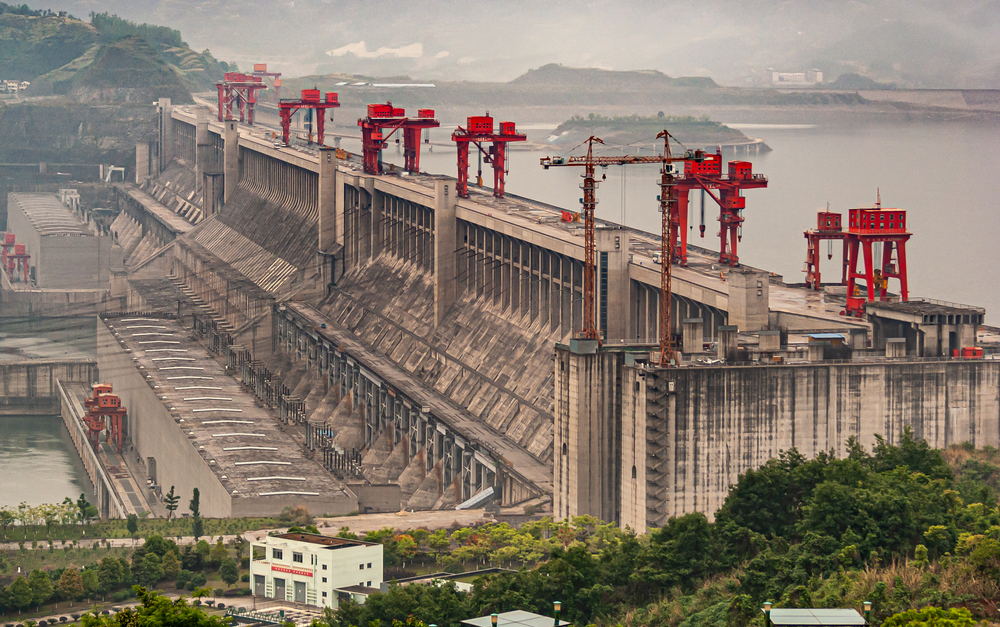

Stretching across the Yangtze River in central China, the Three Gorges Dam is the largest hydroelectric power project in the world. It represents one of the most ambitious engineering efforts ever attempted, blending enormous benefits with equally large controversies. Construction required almost two decades and displaced millions of people, reshaping the river, the environment, and communities in the process. While praised for its ability to generate renewable power and control devastating floods, it has also been criticized for ecological damage and cultural loss. Whether viewed as a marvel of human ingenuity or a cautionary tale, its legacy is impossible to ignore. Here are 16 fascinating facts that capture the true scale and complexity of this megastructure.
1. Largest Hydroelectric Plant on Earth
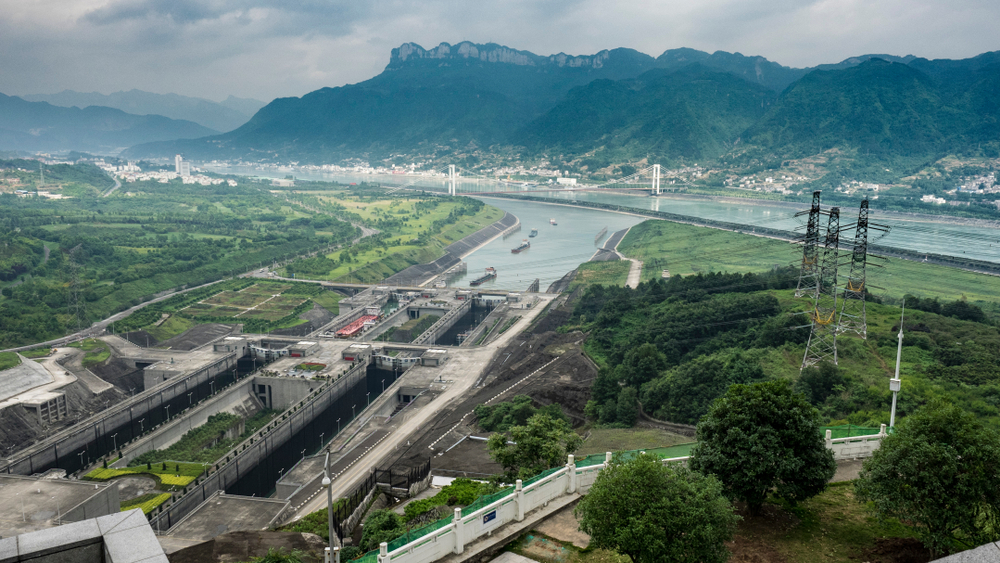
Beyond its massive power output, the Three Gorges Dam also plays a crucial role in flood control and river navigation. Stretching more than 2 kilometers across the Yangtze River, it has significantly reduced downstream flooding risks while allowing larger ships to travel further inland.
The Three Gorges Dam has an installed capacity of 22,500 megawatts, making it the largest hydroelectric station in operation. By comparison, the Hoover Dam in the United States produces about 2,080 megawatts, less than one-tenth of its output. At full capacity, the dam can generate enough electricity to power 20 million households annually. Its turbines number 34 in total, each one weighing hundreds of tons. This staggering power output contributes significantly to reducing China’s dependence on coal-fired plants. Few structures on Earth rival this level of renewable energy production.
2. Millions Relocated for Construction
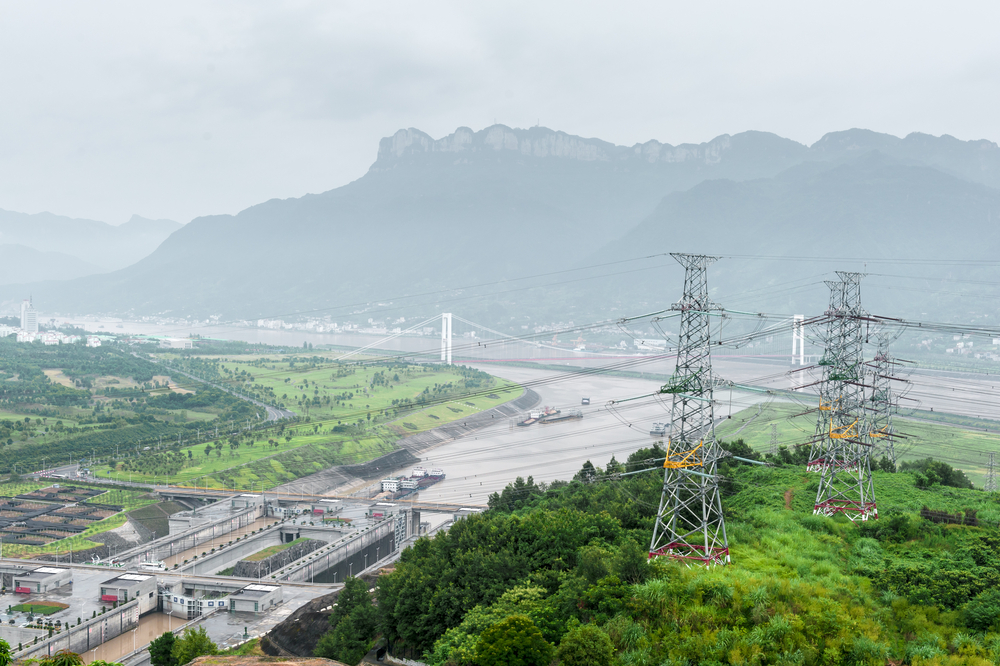
Many displaced families reported economic hardship after relocation, as farmland was scarce and jobs in new urban centers were limited. The loss of ancestral homes and community ties added emotional strain, fueling ongoing debate about whether the dam’s benefits outweigh its human cost.
To make way for the massive reservoir, approximately 1.3 million people were relocated. More than 1,500 towns, 140 cities, and countless villages were submerged under water. This represents one of the largest human displacements ever caused by an infrastructure project. Families were moved to newly built communities far from their ancestral homes. While the Chinese government provided housing and compensation, the loss of cultural ties and local economies was profound. The social cost of this migration remains one of the most controversial aspects of the dam.
3. It Changed the Earth’s Rotation Slightly

Another surprising effect of the Three Gorges Dam is its influence on local seismic activity. Researchers have noted that the weight of the water in the reservoir increases pressure along fault lines, raising the risk of landslides and minor earthquakes in the surrounding region
The reservoir holds about 42 billion tons of water, enough weight to subtly alter the planet itself. NASA scientists reported that the redistribution of mass contributed to slowing Earth’s rotation, lengthening the day by approximately 0.06 microseconds. While such a tiny difference is not noticeable in daily life, the phenomenon highlights the extraordinary scale of the project. Few human-made structures have ever been linked to changes in planetary mechanics. It stands as a reminder that altering nature at this level has far-reaching consequences, some of which extend beyond Earth’s surface.
4. Engineering on a Record Scale
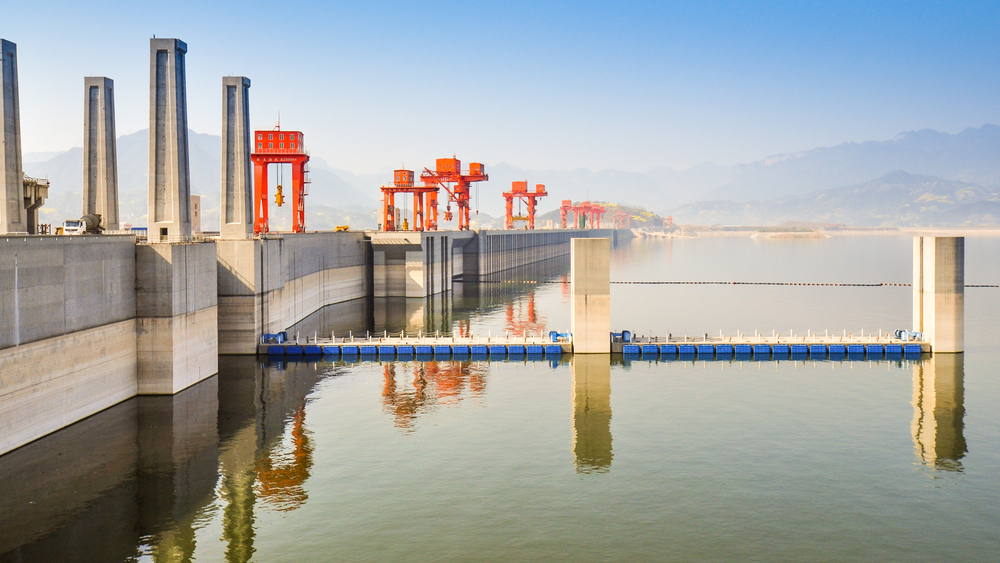
Construction of the Three Gorges Dam also demanded one of the largest labor forces in modern engineering, with more than 40,000 workers involved at its peak. Specialized equipment had to be developed to pour and cool the enormous concrete blocks, preventing cracks from forming as the structure set.
Building the dam required 27.2 million cubic meters of concrete and 463,000 tons of steel. To give perspective, the steel alone could construct more than 60 Eiffel Towers. The dam stretches 7,661 feet in length and rises nearly 600 feet above the riverbed. Construction officially began in 1994 and continued in phases until 2012. Coordinating resources and labor on this level demanded unprecedented logistical planning. The sheer size of the project makes it one of the greatest engineering challenges of the 20th and 21st centuries.
5. Impact on Endangered Species
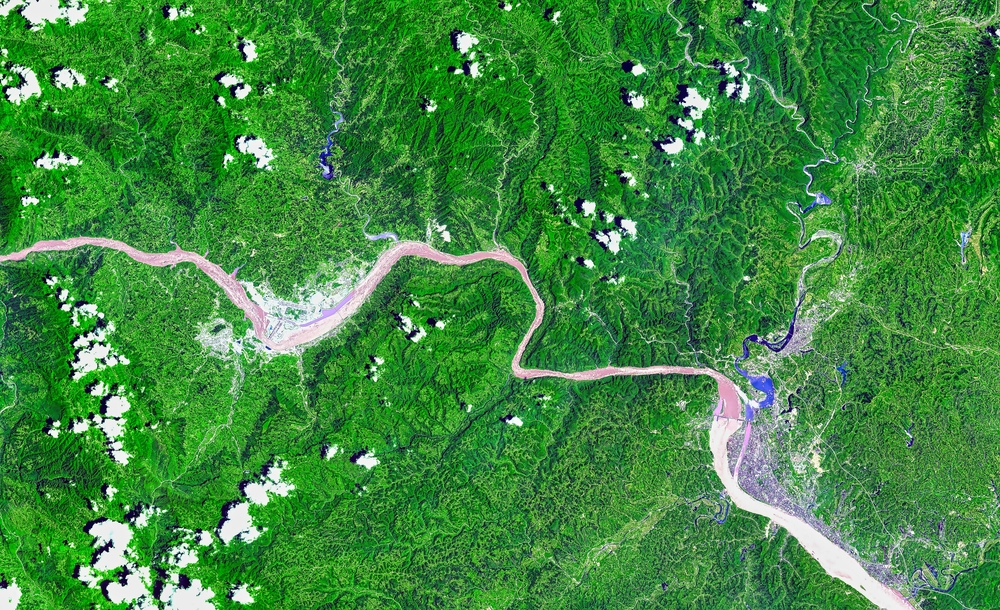
The creation of the Three Gorges reservoir placed enormous pressure on biodiversity. Species like the Chinese sturgeon and the critically endangered Yangtze river dolphin lost much of their habitat, pushing them closer to extinction. Conservation programs were launched, but many scientists argue that the ecological balance has been permanently altered.
The Yangtze River was home to unique and fragile ecosystems. Following construction, the critically endangered Yangtze River dolphin was declared functionally extinct, with the dam cited as a key factor. Sturgeon populations also collapsed due to disrupted migration and breeding patterns. More than 4,000 square miles of habitat were altered by rising water levels. Environmental scientists warn that biodiversity loss of this scale has long-term consequences. It underscores the trade-offs between human progress and ecological preservation.
6. Flood Control for Millions
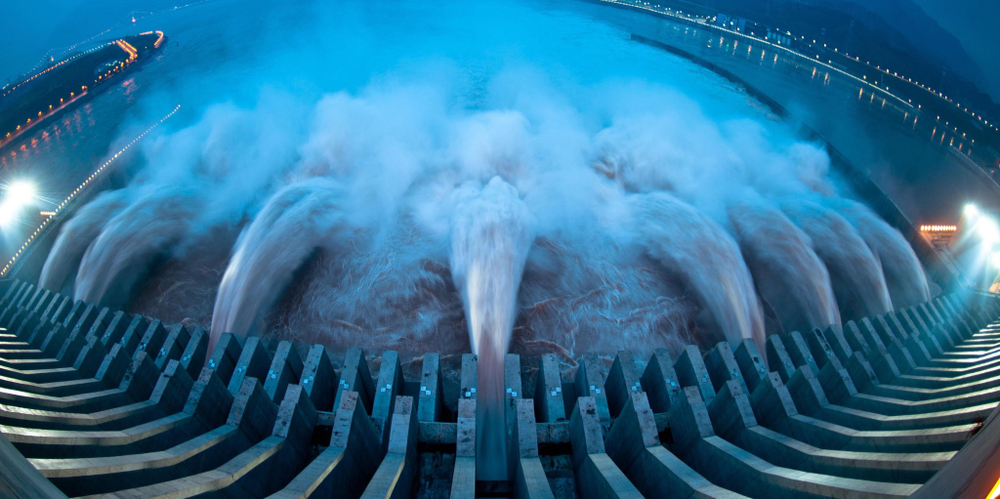
The Three Gorges Dam helps protect millions of people living along the Yangtze River. With its massive flood storage capacity, it reduces dangerous water surges, preventing widespread destruction, saving countless lives, and minimizing economic losses during China’s flood season.
Historically, the Yangtze River caused devastating floods, some causing loss of life for hundreds of thousands of people in a single event. The dam’s reservoir has a flood storage capacity of 22 billion cubic meters. This allows authorities to control water flow and reduce downstream flood risks significantly. Cities like Wuhan, Nanjing, and Shanghai benefit from this protection. Although not a perfect solution, it has already prevented billions of dollars in potential flood damage. The dam’s role in safeguarding lives remains one of its strongest justifications.
7. A Tourist Attraction of Enormous Scale
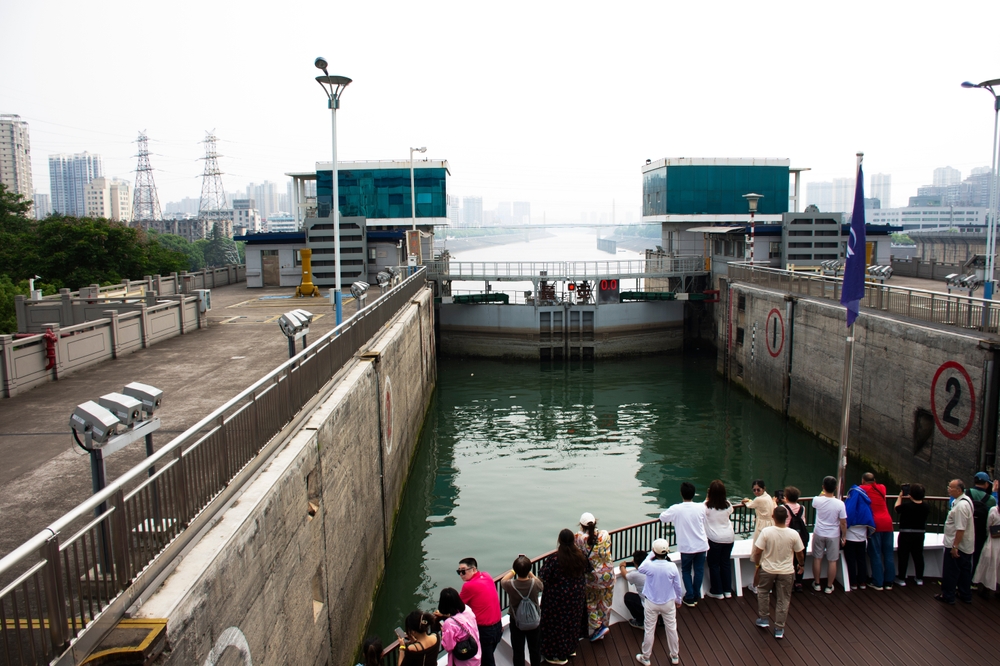
The Three Gorges Dam has become a major tourist destination, drawing millions annually. Visitors explore the massive structure, cruise the scenic reservoir, and learn about its engineering feats, environmental impact, and cultural history, making it both an educational and sightseeing attraction.
The dam and surrounding region attract millions of visitors every year. Observation decks allow tourists to see the immensity of the concrete structure, while river cruises showcase the famous cliffs of the Three Gorges. Exhibits and guided tours explain the complex history and engineering behind the project. For many, the appeal is standing before one of the largest structures ever built by human hands. Tourism has become an unexpected secondary benefit of the project, supporting the local economy and increasing global visibility.
8. Sediment Build-Up Problems
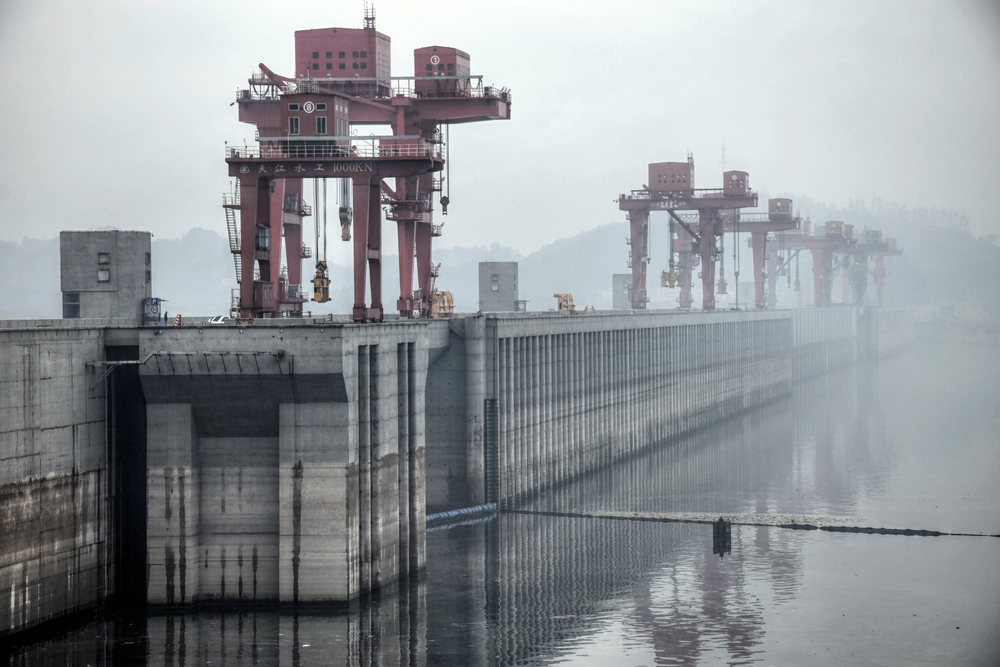
The Biggest Hydroelectric Power Station in the World – Three Gorges Dam on Yangtze river in China
The Yangtze River carries 500 million tons of silt annually, much of which now settles in the reservoir. This sediment buildup reduces water storage capacity and threatens long-term efficiency. Accumulated silt can also raise water levels, increasing the risk of upstream flooding. Engineers must constantly monitor and manage the flow to minimize these effects. Left unchecked, sedimentation could reduce the lifespan of the dam. Addressing this challenge requires ongoing technical solutions and large-scale maintenance efforts.
9. Climate and Weather Changes
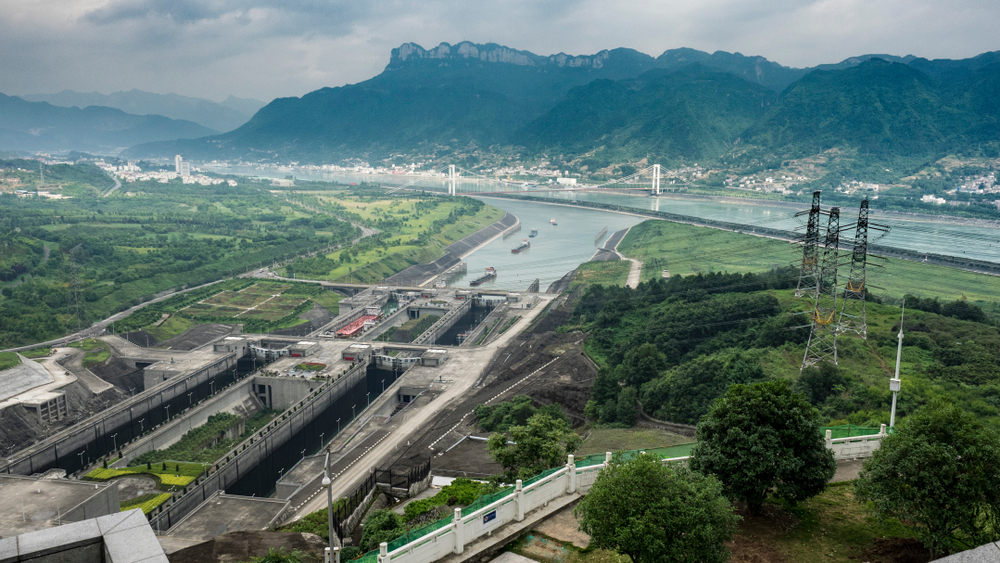
The massive reservoir created by the Three Gorges Dam has altered local weather patterns. Increased humidity and surface water temperatures affect rainfall, fog formation, and seasonal temperature fluctuations, demonstrating how large-scale infrastructure can reshape regional microclimates over time.
Scientists observed that the reservoir has influenced local microclimates. Increased humidity and fog have been reported in nearby regions due to higher evaporation rates. Some studies suggest that weather patterns may have shifted downstream as a result. These localized changes affect agriculture, transportation, and even daily life for surrounding communities. Altering a river of this scale inevitably impacts more than just water levels. The phenomenon reflects how human engineering can reshape not only landscapes but also atmospheric conditions.
10. Cultural Heritage Lost Underwater
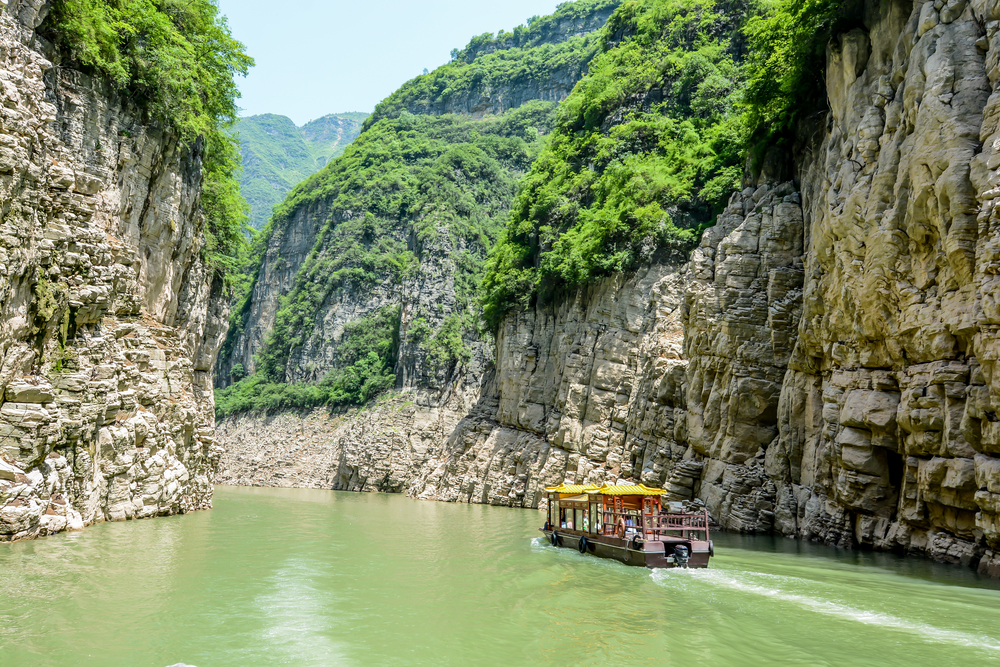
Rising waters from the Three Gorges Dam submerged over 1,000 archaeological and cultural sites, including centuries-old temples, historic villages, and invaluable artifacts. Many treasures were documented or relocated, but countless pieces of China’s heritage remain permanently underwater.
When the waters rose, more than 1,000 archaeological and cultural sites were submerged. Temples, villages, and ancient artifacts were lost, some dating back thousands of years. While certain relics were relocated, many could not be saved. Historians and preservationists view this as one of the greatest cultural losses tied to development projects. Future generations will never experience these sites as they once stood. The cost of progress in this case included irreplaceable history.
11. Earthquake Concerns
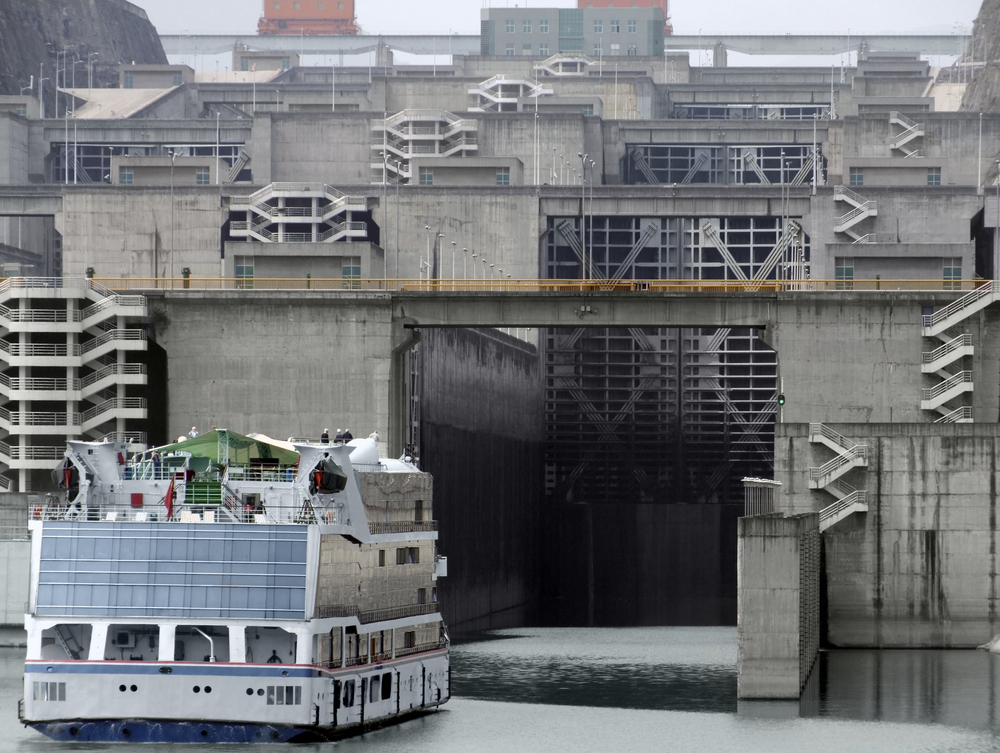
The enormous weight of the Three Gorges Dam’s 22-billion-cubic-meter reservoir increases pressure on local fault lines, contributing to minor earthquakes and landslides. Meanwhile, the deepened waterway allows massive cargo ships to navigate farther inland, boosting trade along the Yangtze.
Geologists have raised concerns about reservoir-induced seismicity, which occurs when large amounts of water exert pressure on the Earth’s crust. The weight of the Three Gorges reservoir has already been linked to small tremors in the region. While most remain minor, they raise questions about long-term safety for downstream communities. The possibility of larger events, though considered low, cannot be dismissed entirely. Monitoring continues to ensure the structure and nearby regions remain stable. These concerns highlight the balance between engineering strength and natural forces.
12. Global Symbol of Ambition
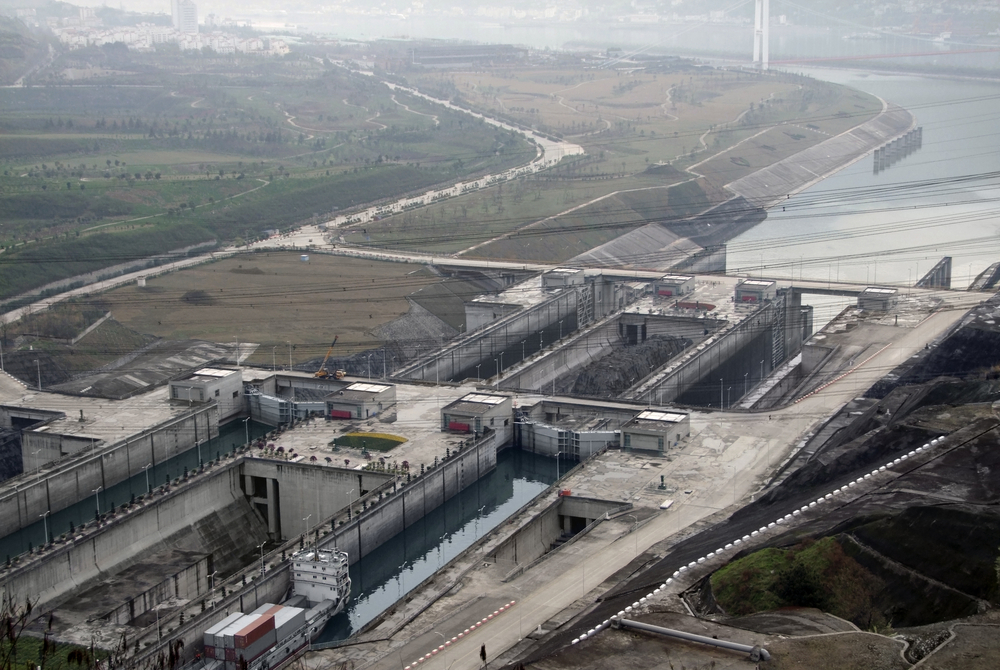
The Three Gorges Dam represents China’s ambition in engineering and infrastructure. Beyond flood control and renewable energy, it showcases the country’s ability to execute large-scale projects, attract tourism, and assert leadership in sustainable hydropower on the global stage.
The dam symbolizes China’s determination to pursue massive infrastructure projects. For supporters, it reflects energy independence, flood protection, and global leadership in renewable energy. For critics, it embodies the risks of prioritizing ambition over environmental and social stability. Its completion required immense political will and billions of dollars in investment. Regardless of perspective, it has become one of the most recognized icons of China’s modern development. Its influence reaches beyond the river, shaping global perceptions of progress.
13. Unmatched Energy Output
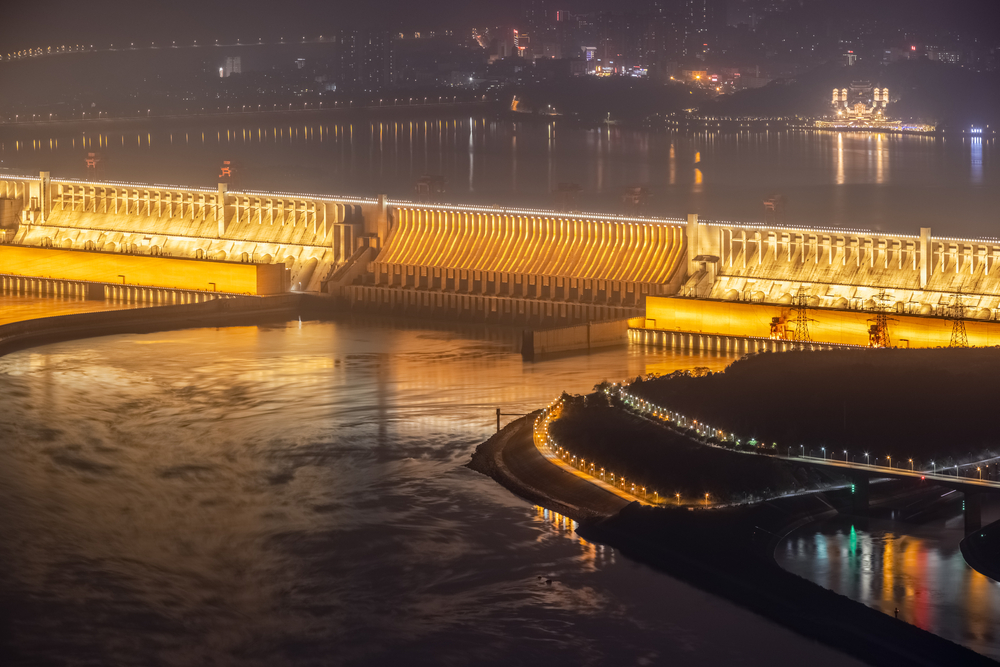
In 2020, the Three Gorges Dam produced a record 111.8 terawatt-hours of electricity, enough to power millions of households. This milestone highlights its role as the world’s largest hydroelectric facility and a cornerstone of China’s renewable energy strategy.
In 2020, the dam set a record by generating 111.8 terawatt-hours of electricity in a single year. That figure surpasses the total annual energy production of many smaller countries. The dam’s contribution to China’s grid accounts for roughly 3% of the nation’s total power demand. While seemingly small, this percentage represents a staggering amount of electricity for such a populous country. Its performance continues to demonstrate the possibilities of renewable power at scale. Few projects worldwide come close to this level of sustained output.
14. Water Pollution Challenges
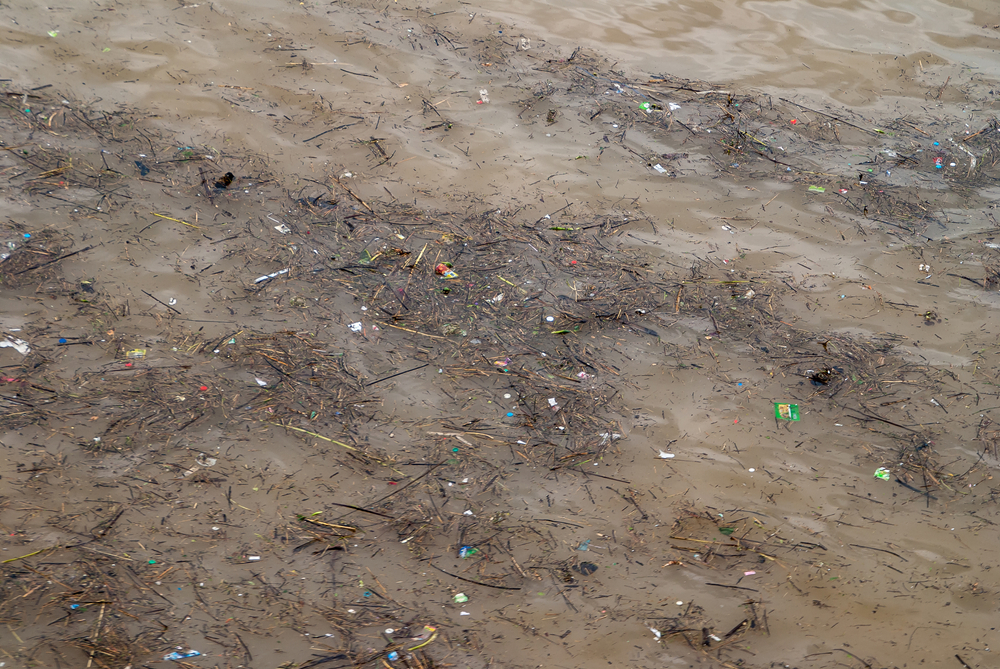
The slowed currents of the Three Gorges reservoir have intensified pollution concerns. Industrial runoff and untreated sewage accumulate, reducing water quality, threatening aquatic life, and forcing stricter monitoring and management to protect both ecosystems and communities downstream.
Beyond sedimentation, the reservoir has also worsened existing water quality problems. Industrial waste and untreated sewage flow into the Yangtze, now trapped by the slower-moving waters. Stagnant conditions increase algae blooms and reduce oxygen levels, harming fish and plant life. Experts estimate that over 265 million gallons of sewage enter the river annually. Addressing this pollution requires better waste treatment infrastructure throughout the region. Without action, water quality will remain a long-term challenge.
15. Advanced Ship Lift Technology
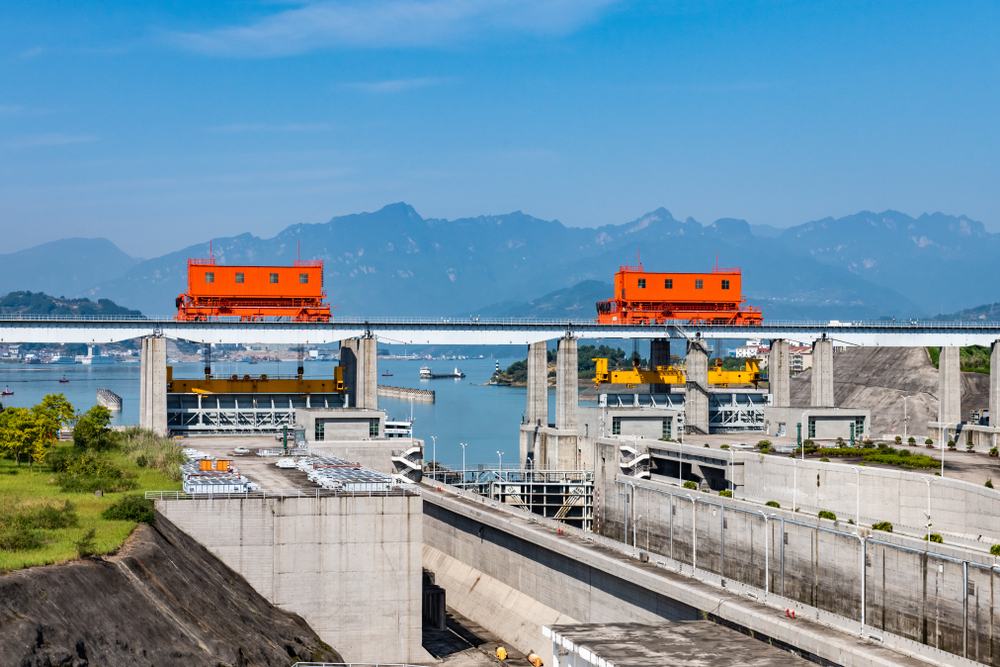
China’s Three Gorges Dam includes a ship lift that moves vessels weighing up to 3,000 tons, cutting the previous six-day river journey to just a few hours. Its operation demonstrates innovative hydraulic engineering and supports regional economic development along the Yangtze.
The dam includes the world’s largest ship lift, designed to transport vessels weighing up to 3,000 tons. Unlike the locks, which can take hours, the ship lift completes the process in about 40 minutes. The platform itself is more than 120 meters long and relies on a counterweight system for balance. This innovation makes river transport faster and more efficient for smaller cargo ships. It is a striking example of how the project combined raw scale with cutting-edge engineering.
Beyond Comprehension
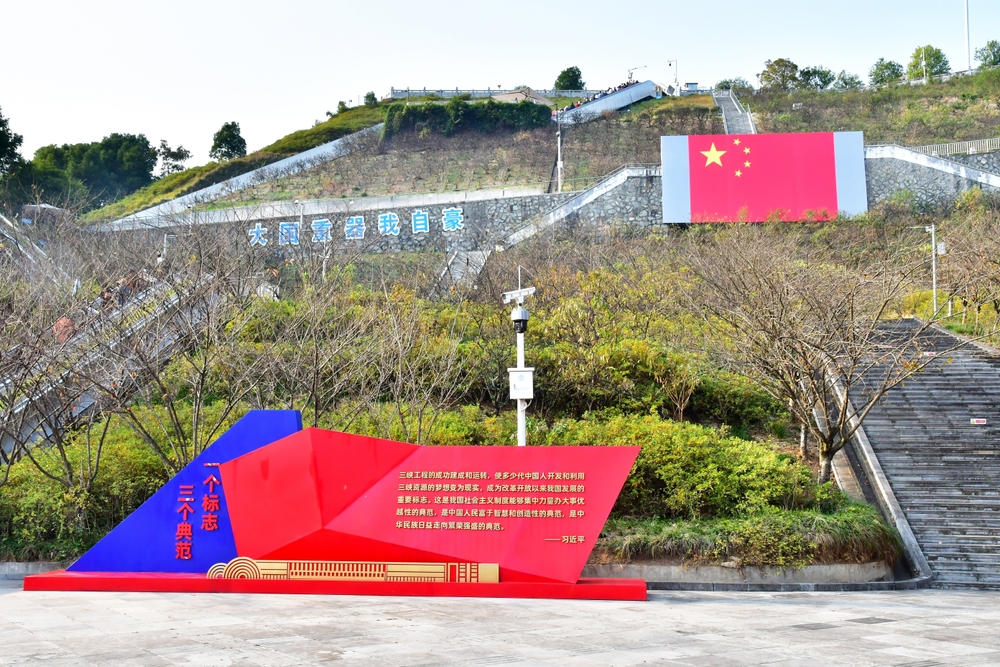
Sandouping; China – The Three Gorges Dam site on the Yangtze river. The largest power station in the world.
The Three Gorges Dam is one of humanity’s boldest and most controversial engineering achievements. Its benefits include renewable power, flood protection, and enhanced trade routes, but its costs range from ecological damage to cultural loss. At more than 7,600 feet long and producing over 100 terawatt-hours of electricity annually, its scale is almost beyond comprehension. Whether viewed as a triumph of engineering or a warning about unchecked ambition, it remains a defining feature of modern China. Projects of this magnitude remind us that innovation always comes with consequences, and the Three Gorges Dam will continue shaping both rivers and debates for generations.
Read More: Prehistoric Dam Unearthed Near Biblical Pool Linked to Jesus’ Miracle
Disclaimer: This article was created with AI assistance and edited by a human for accuracy and clarity.