
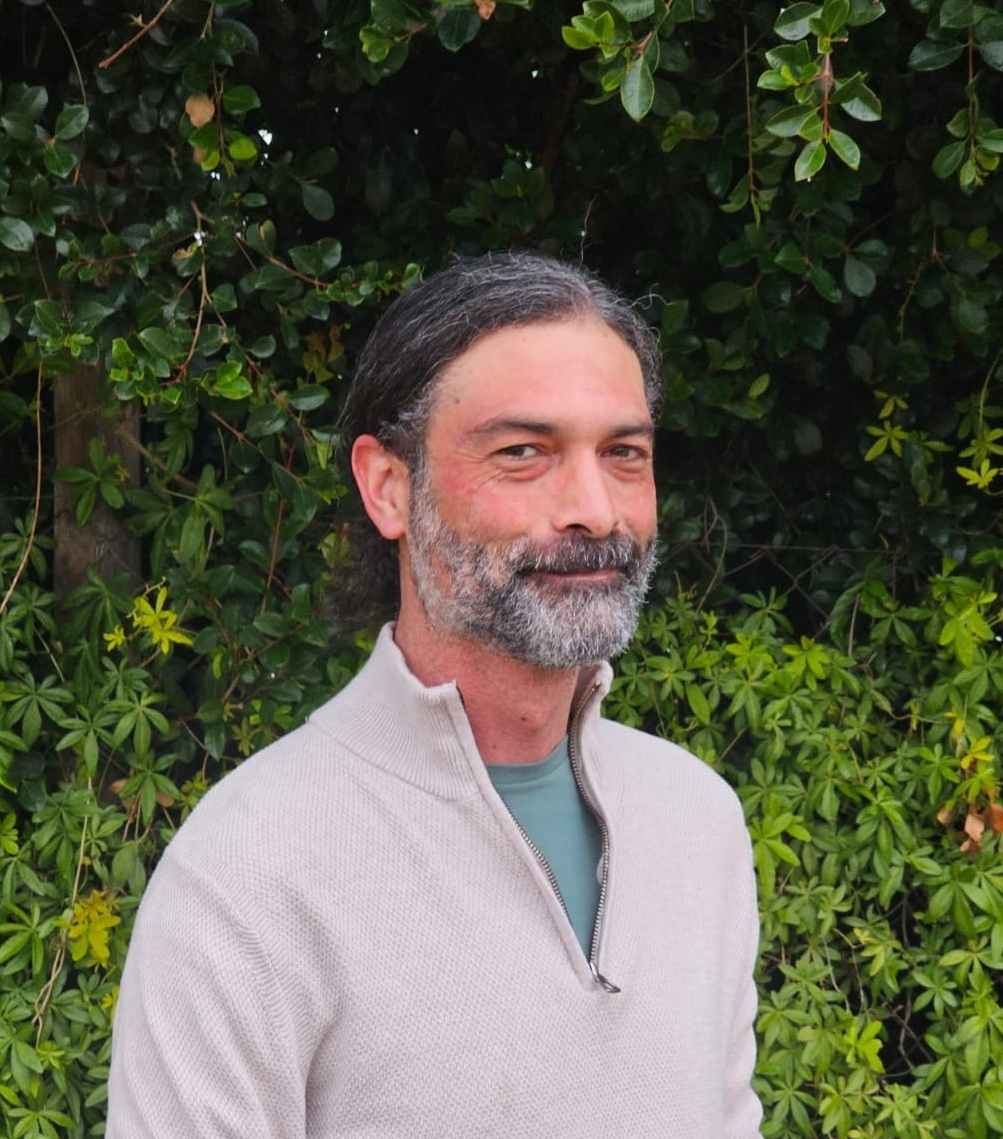
Tim Sweeney is best known as the Epic Games CEO behind Fortnite and the Unreal Engine, yet his most important project may be invisible from space. While other billionaires buy superyachts or rockets, Tim Sweeney has quietly spent years buying forests, wetlands, and mountain slopes across North Carolina, then putting them under permanent protection. As one conservation group notes, “Natural climate solutions are actions to protect, better manage and restore nature to reduce greenhouse gas emissions and store carbon.” In practice, that is exactly what Sweeney is funding. He has acquired tens of thousands of acres with high conservation value, fought off development pressure, and worked with public agencies to secure long-term protection.
His approach links billionaire philanthropy directly to climate stability because intact forests lock away carbon, shelter biodiversity, and buffer floods and heat. Nature organisations now stress that “protecting and restoring forests, wetlands, grasslands and other habitats could provide up to a third of the emission reductions needed to prevent catastrophic temperature increases. Sweeney’s story shows how one gaming fortune can become a land protection machine. It also raises harder questions about private control of climate-critical landscapes, and about why billionaires and climate action so often meet only at the margins of policy.
A Billionaire Gamer who Chose Forests over Yachts

Tim Sweeney built his wealth through code, not coal or oil. He founded Epic Games in the early 1990s, created the Unreal Engine, and helped launch blockbuster games that turned Epic into a global powerhouse. Today, estimates place his net worth in the multi-billion-dollar range, driven largely by Fortnite and licensing of Epic’s technology. Yet when the real estate bubble collapsed in 2008, Sweeney saw something different from a buying opportunity for luxury property. Reports from local outlets describe how he began quietly purchasing rural tracts across North Carolina with old forests, rare habitats, and clean headwaters.
Over time, those deals made the Epic Games CEO one of the state’s largest private landowners, with roughly 50,000 to 60,000 acres under his control. Sweeney has repeatedly framed these purchases as a conservation mission, not an investment portfolio. In one interview, he said, “All of the land I’ve bought is on track for eventual permanent conservation.” That sentence captures a key difference from more usual billionaire philanthropy. The land is not a playground or a brand extension. It is a carbon sink and a biodiversity refuge that he intends to hand over to the public realm or to conservation trusts.
The Importance of Forests
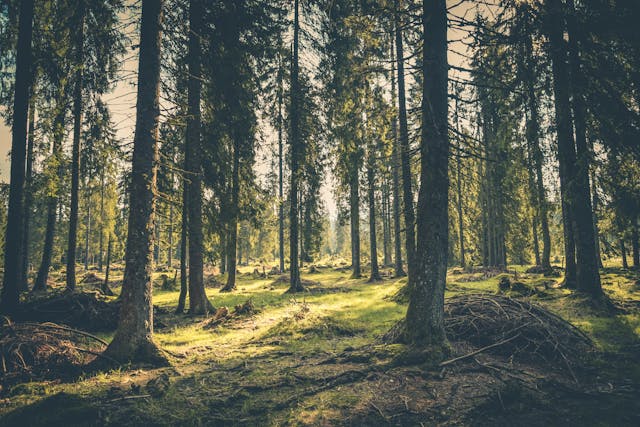
At first glance, Sweeney’s work looks local. He buys a mountain here, a forest valley there, and donates easements to land trusts. The climate payoff becomes clearer once you zoom out. Scientists now describe forests as core climate infrastructure. A review in Forests and Global Change notes that “Forests are a major carbon sink and play a significant role in the carbon cycle.” When intact forests store carbon in trunks, roots, and soil, they slow the buildup of greenhouse gases. When those forests are cleared or fragmented, stored carbon leaks back into the atmosphere, while wildlife loses habitat and watersheds destabilise.
Conservation organisations point out that “protecting and restoring forests, wetlands, grasslands and other habitats could provide up to a third of the emission reductions needed to prevent catastrophic temperature increases.” This is where billionaire philanthropy and climate action intersect. Many climate plans still focus almost entirely on energy systems, yet nature groups stress that “Nature is one of the most effective ways to stop climate breakdown.” Sweeney’s decision to protect whole landscapes fits directly into that science. By keeping forests standing and connected, he is not only saving views. He is backing one of the most cost-effective tools available to slow warming while also safeguarding species and water supplies.
How the Epic Games CEO Became a Major Landowner

Public records and reporting show that Sweeney began his large-scale buying after 2008, when land prices dropped. A detailed account in a conservation essay explains that by 2017, he had acquired about 10,000 acres in the Blue Ridge, 20,000 acres in the South Mountains, and another 10,000 acres in the Piedmont. Much of this land holds rare plant communities, old forests, or strategic positions between existing protected areas. Sweeney usually buys land through an entity called 130 of Chatham, named for a rural road. Local land trusts describe how his team identifies properties with high ecological value and then moves quickly when they come on the market.
In many cases, conservation groups later buy the land at cost or receive it as a donation, once they have funding in place. As prices rose again, Sweeney adjusted his approach. Speaking to The News & Observer, he said, “Since 2021, the economy has been stronger, land has become more expensive.” Instead of scattering purchases, he now focuses on large, contiguous blocks that can become future parks, game lands or conservation easements. The result is a patchwork that increasingly looks like one long, green corridor stitched across the western half of the state.
Box Creek Wilderness

Sweeney’s most famous project is Box Creek Wilderness, a 7,000-acre tract in the foothills near the Blue Ridge Mountains. Biologists describe Box Creek as a hotspot, with more than 130 rare or watch-list plant and wildlife species and several globally rare natural communities. The site contains a mosaic of forest types, rocky outcrops, and wetlands that offer habitat to plants and animals found in few other places. When a local power company proposed a new transmission line corridor through the area, Sweeney fought back in court. The company sought condemnation rights, which would have carved a wide, permanent scar through the forest. Instead of accepting that route, he funded surveys, hired experts, and pushed regulators to consider biodiversity alongside infrastructure.
The eventual settlement rerouted the line and opened the way for a conservation easement. As Sweeney told one interviewer, “It’s still in private ownership, but the easement ensures it can never be developed.” He later added his thanks to political and agency allies, saying, “I’m grateful for the efforts of Senator Burr to help protect Box Creek Wilderness.” That easement is now held by the U.S. Fish and Wildlife Service, which manages Box Creek as a permanently protected site. For climate, the outcome is simple. A biologically rich forest that could have been fragmented by clearing and access roads now continues to store carbon and shelter species under a legally binding agreement.
Roan Highlands
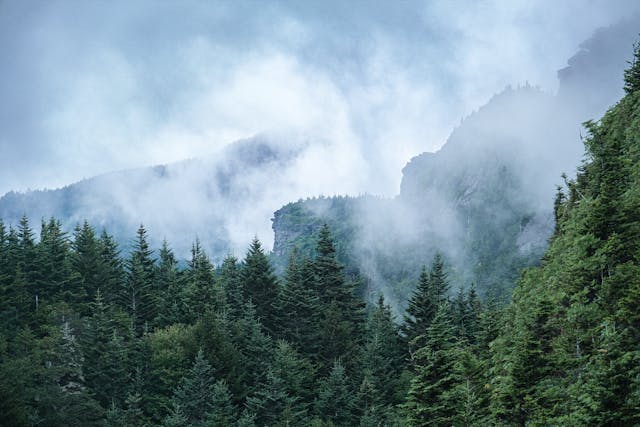
Box Creek is only one chapter in this story. In 2021, Sweeney made what land trusts called the largest private conservation land donation in North Carolina history. His company, 130 of Chatham, transferred about 7,500 acres in the Roan Highlands to the Southern Appalachian Highlands Conservancy. The property includes high elevation spruce fir forests, grassy balds, and headwaters that feed streams on both sides of the mountain crest. The conservancy plans to manage the land as a nature preserve, with limited public access for guided hikes and scientific research. Conservation advocates note that these cold, wet mountaintops are especially important under climate change, because species can shift upslope as temperatures rise.
They also store deep layers of carbon-rich soils and moss, which are vulnerable if forests are cleared. Sweeney has also helped expand Mount Mitchell State Park, home to the highest peak in the eastern United States. State records show that he participated in projects that added about 1,500 acres to the park, and more recently, helped transfer another 200-plus acres of high-elevation forest. Looking across his whole portfolio, he has said, “All of the land I’ve bought is on track for eventual permanent conservation.” Each of these gifts locks in more carbon storage and habitat at a time when mountain ecosystems face pressures from warming, pests, and tourism. The pattern shows how billionaire philanthropy, when focused on land, can support both local biodiversity and the global climate.
Building Wildlife Corridors in a Warming World

Image Credit: Pexels
Sweeney’s purchases follow a clear geographic logic. Conservation planners worry not only about isolated sanctuaries but also about connections between them. Species need to move to follow food, water, and tolerable temperatures as the climate shifts. Fragmented forests reduce that freedom. The Rewilding Institute’s account of his work explains that by the late 2010s, he was assembling properties that link South Mountains State Park and associated game lands with the Blue Ridge escarpment and nearby national forests. Many of these sites are registered heritage areas under North Carolina’s Natural Heritage Program, which recognises their exceptional diversity. The pattern suggests a deliberate attempt to turn scattered parcels into a functional wildlife highway across the region.
Sweeney himself has described a decades-long vision. In an interview quoted by local media, he said, “The whole project will likely take a couple of decades to complete.” His stated aim is a continuous corridor that stretches from the South Mountains west to Pisgah National Forest and Chimney Rock, creating one long chain of protected habitat. Climate researchers stress that such corridors have direct resilience benefits. A report on private land conservation notes that “Private land conservation strengthens climate change resiliency through protecting refugia and corridors identified under climate change scenarios.” In that sense, the Epic Games CEO is not just saving pretty ridgelines. He is helping design escape routes for species facing hotter summers, shifting rainfall, and new disease pressures.
Billionaire Philanthropy

Billionaires and climate action now intersect in many ways, from green tech investments to carbon removal startups. Yet only a small fraction of private climate funding goes to nature-based solutions. Conservation International notes that “Nature is one of the most effective tools to stop climate breakdown, yet natural climate solutions receive less than 3 percent of all global climate funding.” That gap leaves many high-value forests exposed to logging, mining, and suburban sprawl, even as scientists warn about shrinking carbon budgets. Sweeney’s approach looks almost old-fashioned compared with flashy climate technology bets, but it aligns closely with current science. The Nature Conservancy stresses that “Natural climate solutions are actions to protect, better manage, and restore nature to reduce greenhouse gas emissions and store carbon.”
Buying land and placing easements does exactly that. It does not require speculative technology, yet it delivers measurable carbon storage alongside water protection and species recovery. At the same time, Sweeney is not a traditional environmental philanthropist with a foundation brand. He has spent heavily from his personal fortune, while his public persona still revolves around Epic Games, antitrust fights with Apple and Google, and debates over platform control. In a sense, this contrast strengthens the story. The same person driving hard legal battles over digital ecosystems is quietly investing in the stability of real ecosystems that buffer climate shocks.
Limits and Criticisms
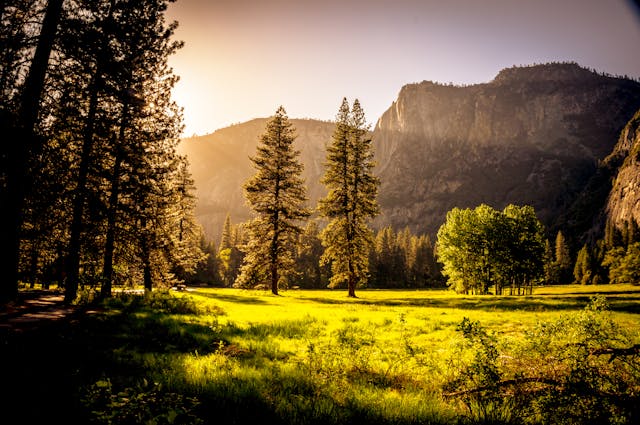
Private land conservation has real strengths but also real tensions. Academics studying the field note that it has “increased in profile among policymakers and academics,” while also raising questions about equity and accountability. When one billionaire controls tens of thousands of acres, decisions about access, hunting, and local economic use may shift from elected bodies to a single owner. Sweeney has tried to address some of these concerns by working closely with established land trusts and public agencies. Many of his tracts are either under conservation easements or destined for eventual transfer to state parks or game lands.
In Box Creek, he also allows limited public access, explaining, “It’s not open to anyone in the public at any time, but people can email and get a permission card and go and enjoy it.” That model keeps the area protected while still sharing its trails and streams with people who care enough to ask. Even so, the model depends on personal choices made by one Epic Games CEO. If billionaire philanthropy shifts away from forests toward more fashionable technologies, similar projects elsewhere could stall. Researchers emphasise that forests are a major carbon sink, yet deforestation and fragmentation continue on a huge scale. Sweeney’s efforts show what is possible, but they do not reduce the need for strong public policy on land use, indigenous rights, and climate regulation.
The Bottom Line
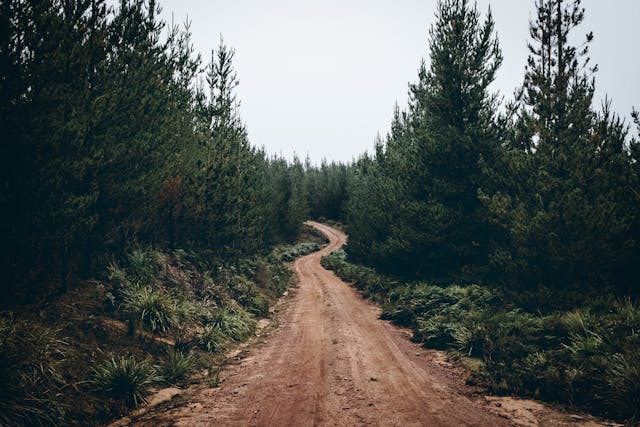
There is a temptation to treat Tim Sweeney as a feel-good exception, a billionaire who chose trees over toys. That misses the deeper lesson. Climate science now states clearly that forests and other ecosystems are not optional scenery. They are infrastructure that cools the planet, filters water, and shields communities from floods and fires. In that context, Sweeney’s decision to turn Fortnite profits into protected land looks less like a quirky personal hobby and more like a rational response to planetary risk. His own words underline the long horizon.
Climate work, especially land-based climate work, always unfolds over decades, which means early moves have an outsized impact. For billionaires and climate action, the question is no longer whether philanthropy can matter. It clearly can, when used to protect irreplaceable landscapes and support communities that depend on them. The harder question is whether such efforts will remain rare exceptions or become a new norm, where vast fortunes are judged not by yachts and rockets but by restored wetlands, thriving forests, and cooler, safer futures. Tim Sweeney has offered one answer. The rest of his peers now decide whether to follow.
Disclaimer: This article was created with AI assistance and edited by a human for accuracy and clarity.
Read More: This Couple Spent Over 20 Years Turning a Dead Piece of Land into Thriving Rainforest