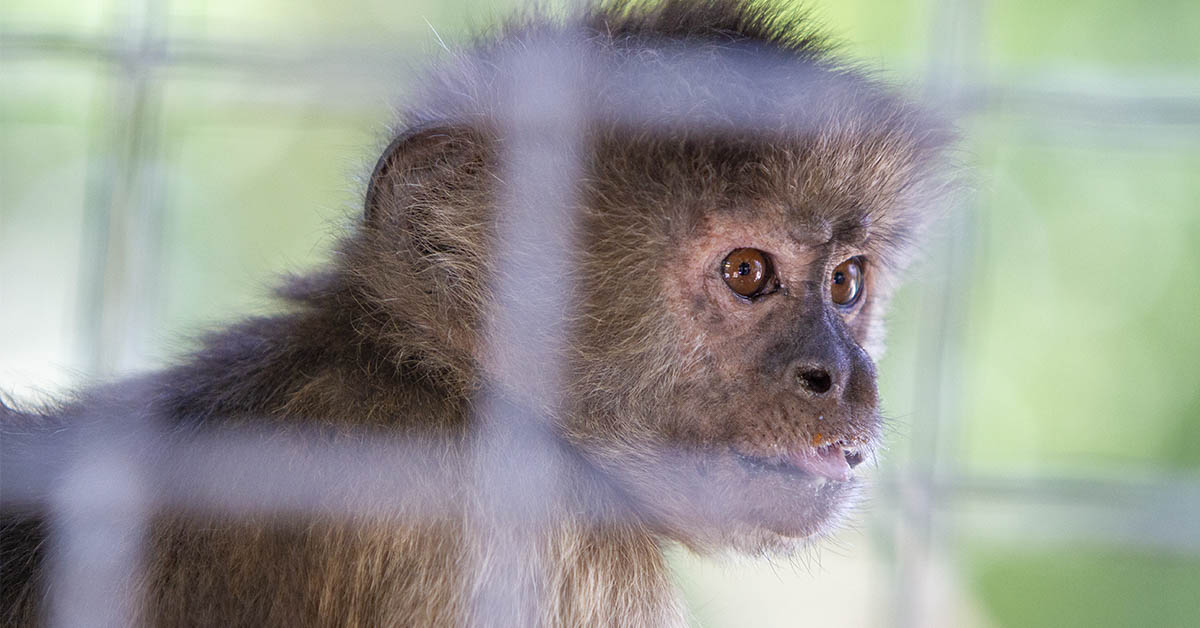

When a truck carrying lab monkeys overturned on a Mississippi highway, a normal day turned into chaos. Crates fell apart, monkeys ran into the trees, and soon rumors spread that the animals carried hepatitis, herpes, or even COVID. What started as a simple accident quickly became a public scare. As responders rushed in, the quiet town of Heidelberg found itself in the middle of a strange and worrying situation.
Chaos on the Highway
The crash happened on Interstate 59 near Heidelberg, in Jasper County. Officials said the truck had been transporting rhesus macaque monkeys, animals often used in medical studies because they are so much like humans. Witnesses said the truck lost control and overturned, sending metal cages and crates flying. Some monkeys broke free and ran off into the nearby woods. Reports state that one monkey is still unaccounted for.
Sheriff Randy Johnson said that a few monkeys were caught quickly, but others vanished into the thick brush. “They were scared and aggressive,” he told reporters. “We were told to wear full gear before going near them.” Parts of the highway were closed as search crews began looking for the animals. The state health department was called in, just in case any disease threat was real.
Panic and Confusion Spread Fast
At first, local officials told residents that the monkeys might carry dangerous diseases. The sheriff’s office mentioned hepatitis C, herpes, and COVID. That message spread fast online. Headlines called them “infected lab monkeys,” and social media was filled with nervous posts. One woman shared that she saw “a small monkey by the road” and didn’t know if it was safe to get close.
By the next day, things started to shift. The Tulane National Primate Research Center, near New Orleans, said the monkeys were not infected. They had not been part of any experiment and were being moved between facilities. Tulane staff said they were healthy animals. Still, the mixed messages left everyone confused. Some people thought the risks were being hidden, while others blamed the media for exaggerating.
A Frantic Search in the Woods
While confusion spread, teams searched the area for the missing monkeys. Helicopters circled above while traps were set in the forest. The animals were small, fast, and difficult to track. Rhesus macaques can climb trees easily and survive without food for days, making them hard to catch.
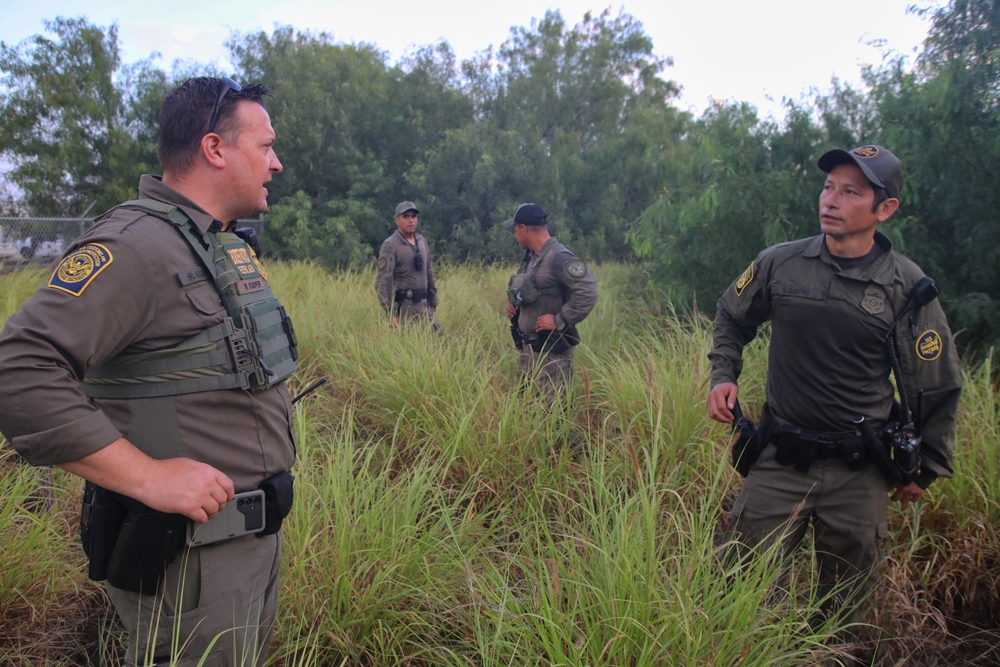
Officials warned residents not to chase or feed them. By the end of the second day, most of the monkeys had been recovered. Sadly, some were euthanized on the scene, which follows standard safety procedures for escaped lab animals. A few others were caught alive and taken to a secure facility for tests and quarantine. Authorities later said that none of the responders were injured or exposed.
What Makes Rhesus Macaques So Important
Rhesus macaques are common in science labs worldwide. They help scientists study diseases, test vaccines, and understand how the human body reacts to new drugs. Because of their close similarity to humans, they’ve played a role in many medical breakthroughs, from polio vaccines to modern COVID studies.
These monkeys usually travel in secure containers designed to keep them safe and contained. Each crate has locks and air filters. Still, when accidents happen, it can quickly turn dangerous, both for people and the animals.
The Fear of Infection
When the first reports said the monkeys had diseases, many people panicked. Words like “hepatitis” and “herpes” can spark fear even without proof. Herpes B, for instance, is common in macaques but very rare in humans. If it spreads, it can be deadly, which is why lab workers use gloves, goggles, and masks when handling monkeys.
Hepatitis C is not naturally found in macaques, though related viruses may be studied in labs. As for COVID, monkeys can catch versions of the virus, but it is uncommon outside controlled settings. Tulane officials later said the animals had not been infected or part of any active disease research. Still, the damage was done. People were already imagining the worst.
Mixed Messages Create Confusion
The back-and-forth between police and research officials made things worse. The sheriff’s team said they were told by the driver that the monkeys were “biohazardous.” Tulane’s staff said that was simply a label for safety, not proof of infection.
“All research animals are handled under biosafety rules,” one spokesperson explained. “That does not mean they carry disease.” For many locals, those words came too late. Once the idea of “infected monkeys” spread online, it was impossible to pull back. It showed how poor communication can create fear faster than facts can calm it down.
The Ethical Side of the Story
The crash also raised tough questions about using monkeys in research. Animal rights groups quickly spoke out, saying the transport itself was risky and cruel. They asked why live animals were being shipped hundreds of miles on public highways.
Groups like PETA and the Humane Society said this was proof that animal testing needs stricter rules, or perhaps should stop entirely. Scientists defended the practice, saying primate research is vital for medical progress. They argued that strict laws already exist to protect animal welfare and ensure humane treatment.
Still, the images of frightened monkeys running into the woods told a different story. Even if everything followed the rules, the crash made many people uncomfortable about the system as a whole.
This Isn’t the First Time
Incidents like this have happened before. In 2022, a similar truck crash in Pennsylvania released several monkeys. One woman who tried to help later got sick after touching one. That story also caused panic, leading to euthanizations and questions about how safely these animals are moved.
After that, the U.S. Department of Agriculture and CDC reviewed their rules, but no big changes followed. Now, after the Mississippi crash, people are once again asking whether it’s safe to move live primates through busy highways.
Accidents can happen anytime, but critics say that when research animals are involved, the risks are much higher.
Public Health Risks
Even if the monkeys were not infected, they still pose health risks. Macaques can carry bacteria and viruses that spread to humans. A bite or scratch could cause an infection. That is why first responders wore full suits and gloves during the search.
The Mississippi Health Department said that no one was hurt or exposed. All recovered monkeys were tested and quarantined before being moved again. Officials took every precaution, treating it as a possible biohazard until proven safe. That cautious approach is part of the reason no further incidents were reported.
How Animal Transport Works
Moving research animals is a serious process. The government has strict rules for temperature control, labeling, and containment. Drivers are trained to avoid unnecessary stops and never open cages during travel.
Each crate is built to resist impact, with double locks and ventilation systems. Still, a crash like this shows that even the best precautions cannot stop every danger. The roads are unpredictable, and when something goes wrong, everything depends on how fast people respond.
Shock in a Small Town
Heidelberg is a quiet place, so the crash shocked everyone. Seeing police chasing monkeys down rural roads looked almost unreal. Some locals joked about it at first, but others stayed nervous for days.
“I saw them on the news and thought it was a movie,” one resident said. “Then I realized it was happening right here.” Many people worried about their pets or kids playing outside. Others felt sad seeing the photos of the dead monkeys, wondering what kind of life they had before the crash.
Science and Safety
This incident showed how fragile the balance is between scientific progress and safety. On one side, research with animals has saved lives. On the other, it relies on a system that can break in moments.
Researchers often say animal testing is a necessary evil, but accidents like this make that phrase harder to defend. When the public sees suffering or chaos, it’s difficult to separate the good science from the risks that come with it.
Scientists point out that modern labs are much more humane than before. Monkeys live in enriched environments and get medical care. But once they leave the lab, they face a world of roads, crashes, and fear. It’s a reminder that progress always carries a cost.
The Role of Information
Another big lesson from this crash is about how information spreads. In the digital age, panic moves faster than truth. When officials spoke too soon, the wrong details took hold. Some social media users even claimed the monkeys were part of a secret government experiment.
Experts say public trust depends on quick, honest updates. When people feel misled, even by accident, they lose faith in institutions. “It’s not just about science,” one bioethicist said. “It’s about communication and respect. If people think they’re being kept in the dark, rumors fill the gaps.”
Read More: Global Concern Grows as New Covid Variant ‘Stratus’ Emerges
What Happens Next
Mississippi leaders now plan to review transport rules for lab animals. Federal agencies might look at tighter tracking or special vehicle standards. Some lawmakers want GPS systems that show when a transport stops or crashes.
Others think it’s time to cut down live animal shipments entirely and use more advanced lab technology instead. Virtual models and tissue cultures could replace many animal experiments. Whether this crash pushes policy change or not, the debate is far from over.
Lessons from the Monkey Crash
The Mississippi accident isn’t just about science or safety. It’s also about empathy. Behind every crate were living beings that never chose their fate. Behind the wheel was a driver who probably never expected to become part of a national story.
The event showed how fast life can shift from routine to chaos. It also showed that mistakes in communication can do as much harm as the crash itself. Fear spread faster than facts, and the real story got buried under panic.
If anything, it reminds us that progress should move with compassion. Science should serve humanity without losing its humanity.
A Reminder of Responsibility
The crash of the monkey transport truck in Mississippi may fade from memory, but its message should not. It exposed weak spots in how research animals are moved and how people are informed during emergencies.
It forced everyone, from scientists to citizens, to look at the line between progress and safety. For Heidelberg, it was a strange and frightening day. For researchers, it was a warning that safety rules only work if communication keeps up.
Accidents can teach hard lessons. This one showed how fragile trust can be and how quickly confusion can turn into fear. In the end, it’s not only about the monkeys that ran into the woods. It’s about the humans trying to understand what it means to be responsible in a world where science and ethics often collide.
Read More: ‘The Big One’ Could Be Deadlier Than COVID, Expert Warns of 7million+ Death Toll