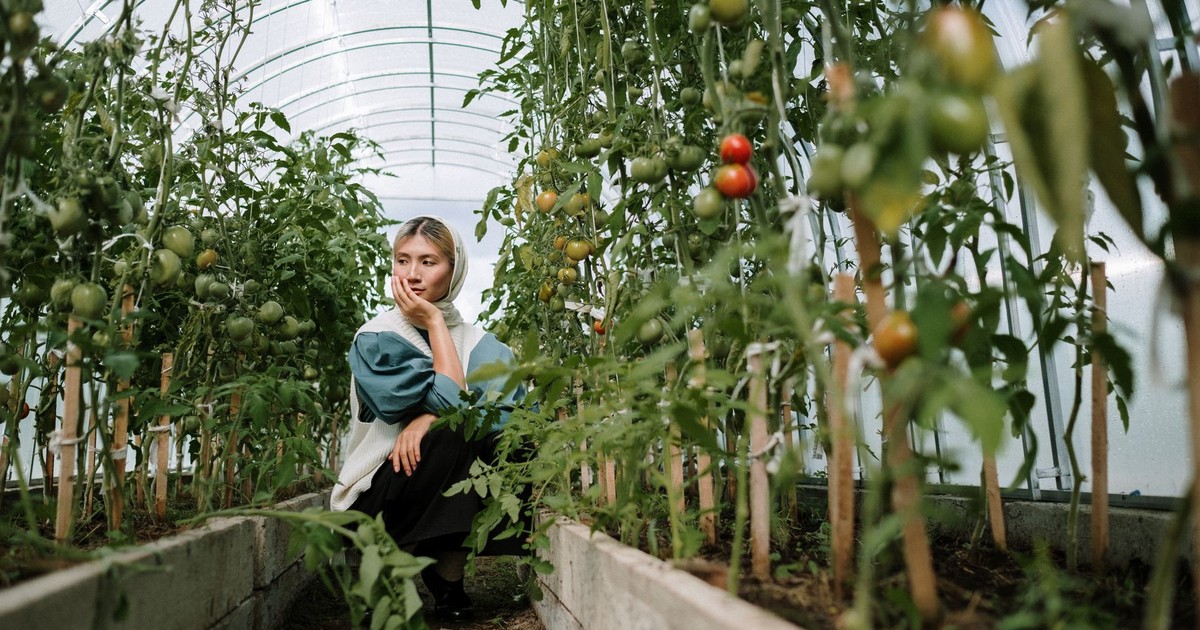

A private garden within 100 meters of your home is associated with a 6.8% lower risk of developing type 2 diabetes – a finding from one of the largest long-term studies conducted on residential green space and metabolic health. The study also found that living near multiple parks was linked to a 5.7% reduction in risk, and that the number of parks nearby mattered more than how close the nearest one was.
The researchers tracked more than 400,000 participants across a median follow-up of 15.4 years, recording new type 2 diabetes cases from hospital records. Both private gardens and public parks showed protective associations, though through mechanisms that appear to differ. Physical activity, vitamin D exposure, gut microbiome diversity, and stress reduction have all been identified as plausible contributors.
The Study: Scale, Design, and Core Findings
The research drew on data from 423,282 participants in the UK Biobank, tracking new type 2 diabetes cases over a median follow-up of 15.41 years. The team was led by Dr. Chinonso Odebeatu from the University of Queensland’s School of Public Health, with co-authors from Oregon Health & Science University.
To assess green space access, the researchers evaluated the availability of residential gardens and parks within an 800-metre radius of each participant’s home address using the OS MasterMap Greenspace Layer, a detailed geospatial dataset of UK green infrastructure. Type 2 diabetes incidence was determined from hospital records, giving the dataset a degree of clinical precision that self-reported studies typically lack.
People with a substantial garden within their residential area had a 6.8% lower risk of developing type 2 diabetes compared to those in the lowest quartile of garden access. People living near multiple parks were 5.7% less likely to develop the condition, according to the study published in BMC Public Health. Whether a park was within walking distance – measured either by nearest distance or straight-line distance – was not associated with reduced diabetes risk. The number of parks nearby mattered more than proximity to the nearest one.
The researchers adjusted for potential confounders including smoking status, alcohol intake, and family history of diabetes. As an observational study, the data can identify associations between green space and diabetes risk but cannot establish that gardens directly cause the reduction. Real-world cohort studies of this kind capture the complexity of how people actually live, which is both a strength and a methodological constraint.
The Global Diabetes Context
A 2023 systematic analysis published in The Lancet projected type 2 diabetes will rise from 529 million cases in 2021 to at least 1.3 billion by 2050, driven primarily by rising obesity rates. Against that trajectory, any modifiable environmental factor associated with reduced population-level risk becomes relevant to public health planning, even where effect sizes appear modest.
Genetic factors account for approximately 69% of type 2 diabetes risk among individuals aged 35 to 60, establishing genetics as the dominant driver while leaving the rest of risk mostly attributable to non-genetic factors. The environment a person inhabits sits within that modifiable portion, and the University of Queensland study adds a less-discussed dimension to that picture: the built environment outside a person’s home may be an independent variable in metabolic health.
The Physical Activity Link and Type 2 Diabetes Prevention
The most direct explanation for the green space association is increased movement. Research published in 2018 found that people living in neighborhoods with the most parks accumulated approximately 24 minutes more moderate-to-vigorous physical activity per week than those in areas with the least park access. Over months and years, that difference compounds.
Research published in Diabetes Care supports regular physical activity as a primary tool for reducing type 2 diabetes incidence. Separate data indicate that higher-intensity physical activity is associated with roughly a 60% lower risk of type 2 diabetes, suggesting that the intensity of activity in green spaces matters alongside the frequency.
Gardens may encourage consistent low-to-moderate activity – digging, weeding, planting, pruning – in ways that a nearby park does not automatically produce. Unlike a park, a garden creates a functional demand on the body that does not require a deliberate decision to exercise.
Vitamin D and Insulin Regulation
The pancreas’s insulin-producing cells carry vitamin D receptors, suggesting the vitamin may influence insulin release and blood sugar control. Outdoor time in a garden or park increases sunlight exposure, which drives vitamin D synthesis in the skin.
A study led by researchers at Tufts University, published in JAMA Network Open, found that prediabetic adults with certain variations in the vitamin D receptor gene had a 19% lower risk of developing type 2 diabetes when taking a high daily dose of vitamin D – 4,000 IU per day in the trial design. The benefit appears concentrated in people with specific genetic variants, not the general population. The Tufts study team cautioned against taking high-dose vitamin D supplements without medical supervision, noting that excess vitamin D has been associated with a greater risk of falls and fractures in older adults. Incidental sun exposure during outdoor activity carries none of that risk.
The Gut Microbiome and Outdoor Microbial Exposure
Gut microbiota composition is linked to type 2 diabetes risk and can be influenced through lifestyle factors including diet and physical activity. Spending time in a garden introduces the body to a wider diversity of environmental microbes than indoor or urban environments typically provide. Soil contact, plant matter, and outdoor air all carry microbial communities that may positively influence gut composition.
This pathway is less established than the physical activity or vitamin D mechanisms, but it is increasingly recognized in environmental health research as a plausible contributor to the health benefits of green space – particularly private gardens, where contact with soil is more direct and sustained than in a manicured public park.
You can read more about how blood sugar-regulating foods fit alongside environmental interventions in foods that help could help with diabetes management.
Stress, Mental Health, and Downstream Metabolic Effects
A study published in International Journal of Environmental Research and Public Health found that higher levels of green space are associated with reduced symptoms of depression, anxiety, and stress, and that people residing near green spaces are more likely to achieve recommended levels of physical activity. Chronic psychological stress drives cortisol elevation, which impairs insulin sensitivity and promotes visceral fat accumulation – both direct contributors to type 2 diabetes risk.
Associate Professor Nicholas Osborne, an epidemiologist at the University of Queensland and a co-author on the study, addressed this point directly. “Along with physical activity, being outside in a garden also helps with vitamin D levels and the restorative aspects of being outside, which can greatly benefit mental health,” Osborne noted, adding that outdoor microbial exposure may also improve gut health and immune function.
The Equity Problem: Who Actually Has a Garden?
People from lower socioeconomic positions are disproportionately less likely to have access to green spaces – a disparity that translates directly into unequal diabetes risk. The same populations most likely to develop type 2 diabetes are the least likely to live in homes with private gardens, and the least likely to live near well-maintained public parks.
Up to 3.4 billion people globally lack access to secure, safe, and adequate housing, according to the UN-Habitat World Cities Report 2026. In that context, a private garden – with established soil, privacy, and dedicated outdoor space – is an asset concentrated among households that can afford lower-density housing.
The UQ study’s authors were direct about the policy implication. “Current housing challenges mean there are more high-density residential dwellings under development, and this research shows public health considerations need to be prioritized when planning green spaces,” said Dr. Odebeatu. As cities densify to address housing shortages, the gardens that once came with single-family homes are being replaced by apartments and townhouses where outdoor space is shared, minimal, or absent.
Dr. Odebeatu noted that having several parks closer to home was associated with meaningful reductions in type 2 diabetes risk, highlighting the importance of public green spaces such as community gardens and parks. Public parks can serve as a partial substitute for private gardens in high-density environments – but only if they are genuinely accessible, safe, and diverse enough to support multiple types of use.
Read More: 10+ Foods to Help Lower Your Blood Sugar
What Urban Planners and Policymakers Should Take From This
The study called for green spaces to become a key consideration in urban planning, given the potential impact of city design decisions on the health of future generations. A prospective cohort study found that neighborhood greenspace was associated with a 21% lower risk of developing diabetes after adjustment for socioeconomic status, individual characteristics, and other neighborhood-level factors – suggesting the green space effect is not simply a proxy for wealth.
The University of Queensland research adds specificity that earlier literature lacked: not all green space is equivalent. The proximity of parks matters less than having multiple parks nearby. Private gardens generate a different protective association than public ones. Mown grass fields and ornamental lawns likely contribute far less than gardens with varied vegetation that invite sustained human engagement. These distinctions should inform how planners prioritize green infrastructure in new developments.
Key Takeaways
For individuals, the most practical implication is to treat outdoor green space as a health asset. Time spent in a garden – weeding, planting, or simply being present in the space – generates physical activity, sunlight exposure, and microbial contact simultaneously, without requiring a dedicated exercise routine. For those without private gardens, proximity to multiple parks appears to offer a meaningful, if somewhat smaller, protective association. Community garden programs, particularly in urban areas, offer one route to the kind of sustained, hands-on green space that private gardens provide.
For clinicians, the study adds environmental context to diabetes risk assessment. A patient’s residential setting – specifically whether they have meaningful access to outdoor green space – is a modifiable factor that can be addressed through community referrals and behavioral counseling alongside standard lifestyle advice. For policymakers and urban planners, the finding provides a quantifiable argument for embedding green space requirements into residential development standards. As density increases and private gardens disappear from urban housing stock, the public health cost shows up in hospital records as new cases of type 2 diabetes.
Disclaimer: This information is not intended to be a substitute for professional medical advice, diagnosis, or treatment and is for information only. Always seek the advice of your physician or another qualified health provider with any questions about your medical condition and/or current medication. Do not disregard professional medical advice or delay seeking advice or treatment because of something you have read here.
AI Disclaimer: This article was created with the assistance of AI tools and reviewed by a human editor.