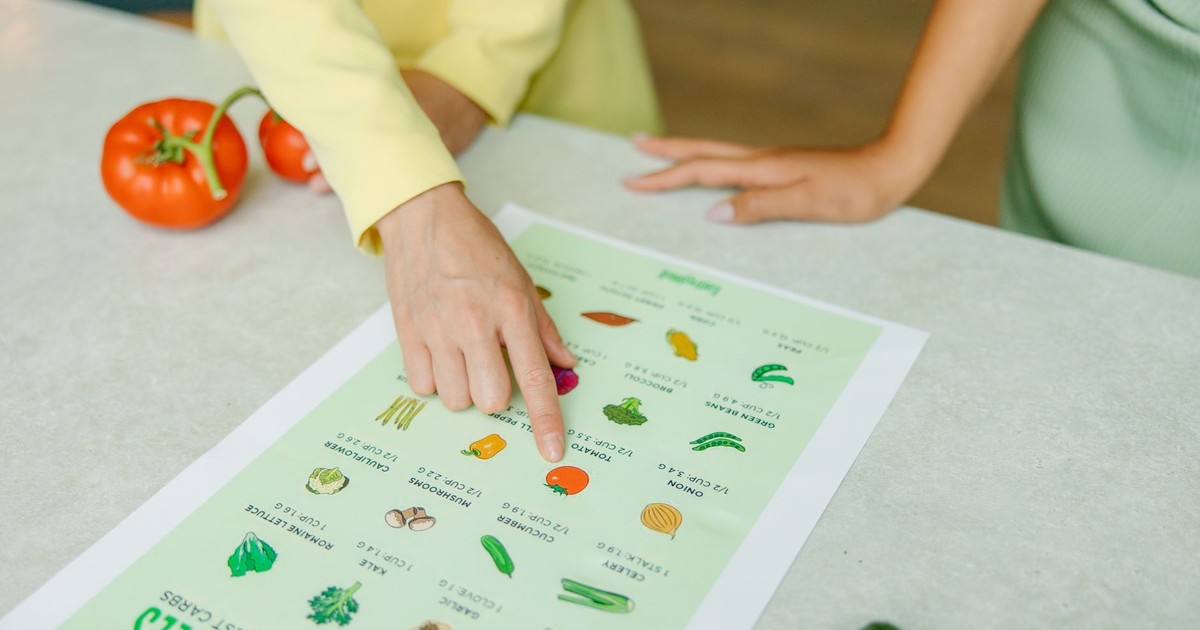

Even among people who regularly eat vegetables, many are still falling short of the specific plant compounds most strongly linked to heart health protection – and the gap has less to do with how much they eat than with which vegetables they’re choosing. That gap exists because some vegetables that sit at the very top of healthy eating lists behave quite differently in the body than most people expect.
The problem isn’t laziness. Certain ‘unhealthy vegetables’ – or more accurately, vegetables used in the wrong way – spike blood sugar, deliver little usable nutrition, or arrive loaded with sodium or pesticide residues. Others are genuinely good, just far outclassed by readily available alternatives that most people never bother to swap in.
All vegetables fit in a healthy diet, and in fact, most Americans don’t eat enough in the first place. According to the CDC, fewer than 1 in 10 children and adults eat the recommended amount of vegetables. That means the vegetable choices you do make carry significant weight. Here are 11 vegetables – and vegetable habits – that aren’t delivering what you think, and the better options worth adding to your diet. The core message here isn’t that some vegetables are ‘unhealthy’ but that some may offer more nutritional value than others.
1. Corn

Corn gets tossed into salads, served as a side dish, and counted as a vegetable serving, but it behaves far more like a grain than like broccoli or spinach. According to USDA FoodData Central, starch makes up the dominant macronutrient in corn by dry weight, putting it solidly in the same carbohydrate category as refined grains rather than non-starchy vegetables.
Corn does offer insoluble fiber and some B vitamins, and it’s not a food to fear in small portions. The issue is displacement. When corn fills the vegetable slot on your plate, it crowds out leafy greens and non-starchy vegetables that deliver far more micronutrient value per calorie. Swap it for roasted zucchini or a dark leafy green as your default side, and add corn occasionally rather than habitually.
2. White and Russet Potatoes
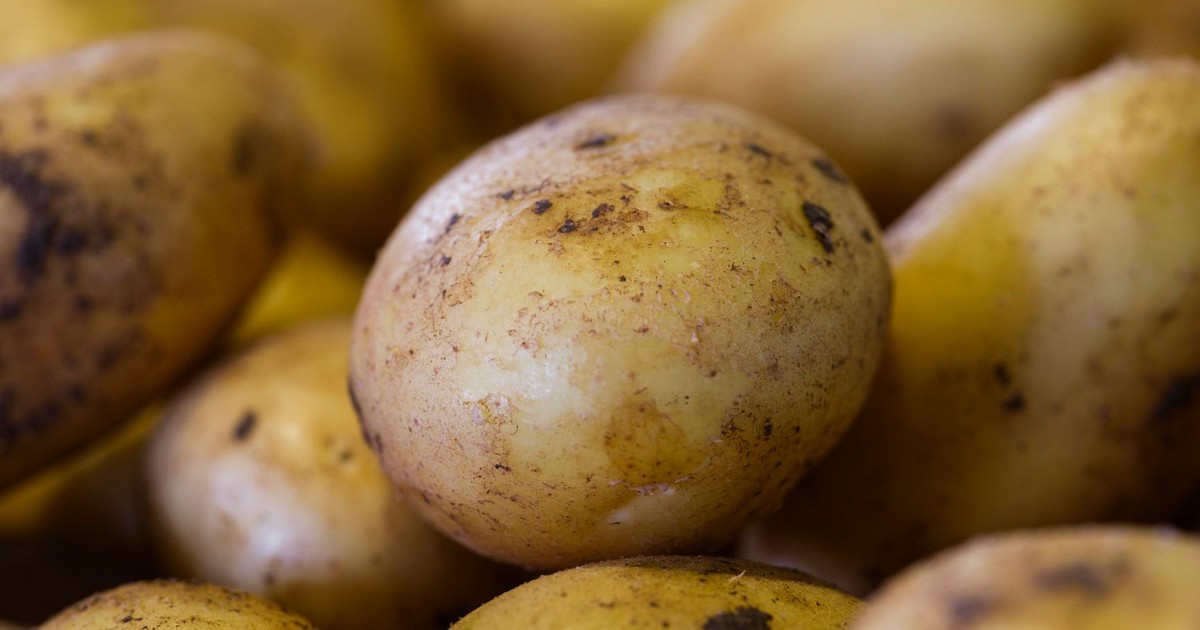
White and russet potatoes are genuinely nutritious in certain preparations. The concern is their glycemic index, a measure of how quickly a food raises blood sugar. A study published in the American Journal of Clinical Nutrition and summarized by researchers at the University of Toronto found that baked US Russet potatoes scored 77 on the glycemic index and instant mashed potatoes hit 88 – both in the high-glycemic range. Foods above 70 on the GI scale are classified as high-glycemic.
Sweet potatoes offer a meaningfully lower blood sugar impact. A boiled sweet potato comes in at a GI closer to 44, according to Rise Nutrition’s breakdown of starch research. Sweet potatoes also supply more beta-carotene, a precursor to vitamin A that supports eye health and immune function.
Preparation method matters here. Chilling cooked white potatoes increases their resistant starch content, which slows digestion and lowers their glycemic impact by roughly 40%, as NutritionFacts.org notes in its analysis of potato glycemic research. If white potatoes are a staple, try eating them cold in potato salads or swapping at least half your servings for sweet potatoes.
3. Iceberg Lettuce
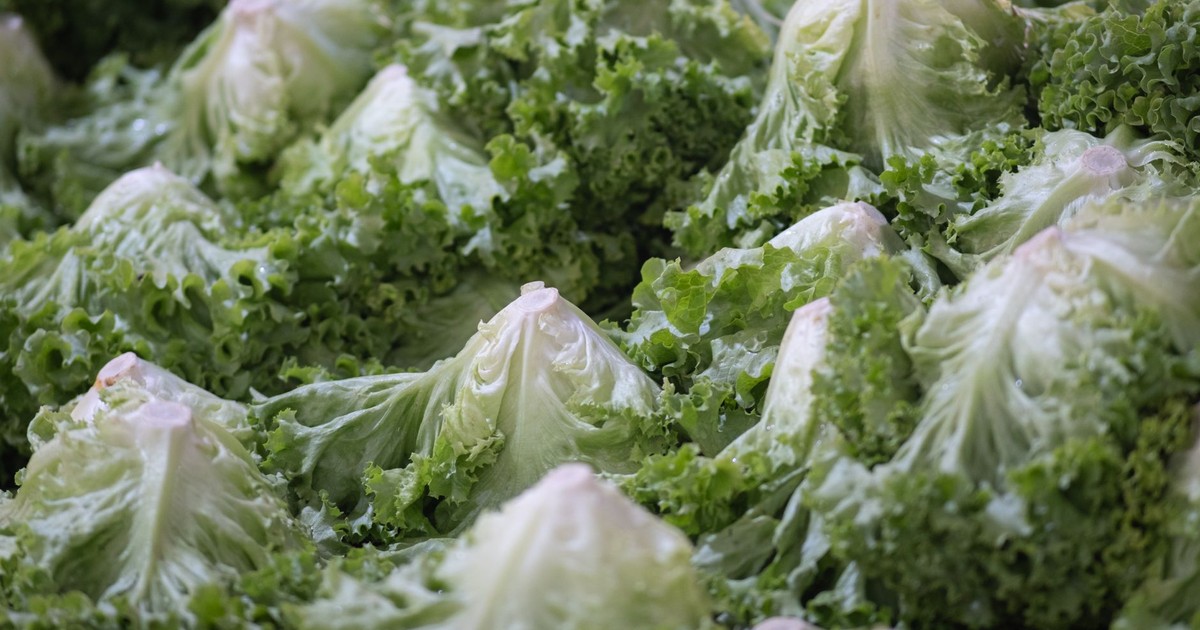
Iceberg lettuce is the default salad base in most American households. Harvard Health notes that iceberg “contains folate and vitamin A, but is otherwise known for being the least nutrient-dense salad green.” A cup of shredded iceberg is roughly 96% water and around 10 calories, which explains its hydrating crunch but also signals just how little nutritional density you’re working with.
Romaine lettuce contains almost 10 times more vitamin A than iceberg, and the gap widens further when you compare iceberg to spinach or arugula. Arugula contains 2.5 times more folate than iceberg, along with more calcium and beneficial plant compounds. None of this makes iceberg harmful. The issue is when it’s the only green on your plate. Replacing iceberg with romaine, spinach, or arugula in your regular rotation costs nothing extra and meaningfully upgrades the nutritional value of every salad you eat.
4. Canned Vegetables With Added Salt
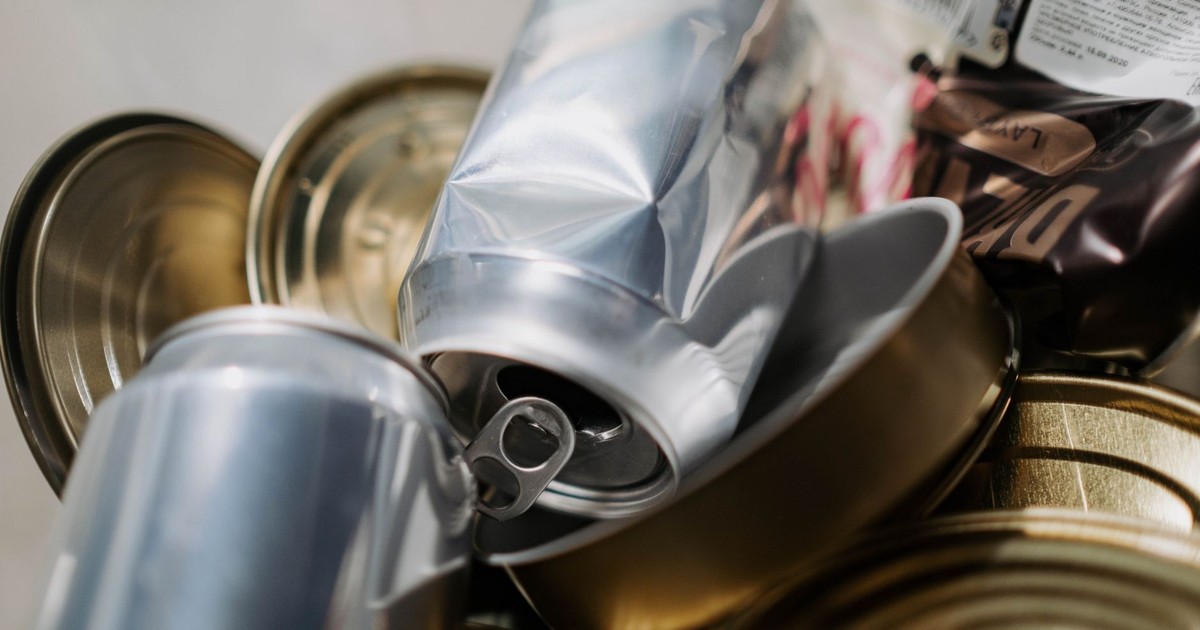
Canned vegetables get unfairly maligned for nutrient loss, but the real concern is sodium. Sodium levels are often higher in canned vegetables versus fresh because it’s commonly added for flavor and to extend shelf life. For people already eating too much sodium – which Harvard Health notes describes as the majority of Americans, averaging more than 3,400mg per day against a 2,300mg daily recommendation – a habit of reaching for standard canned vegetables without reading labels quietly compounds that intake every day.
The fix is straightforward. Draining and rinsing canned vegetables can reduce their sodium content by 36 to 41%, making them a genuinely competitive option compared to fresh. The canning process leads to some loss of heat-sensitive vitamin C, but other vitamins, fiber, and most minerals tend to remain intact. Some antioxidants, like beta-carotene in carrots, are actually more bioavailable from canned versions than fresh. The practical rule: choose “no salt added” or “low sodium” canned vegetables wherever available, and always drain and rinse standard canned vegetables before using them.
5. Vegetable and Fruit Juices
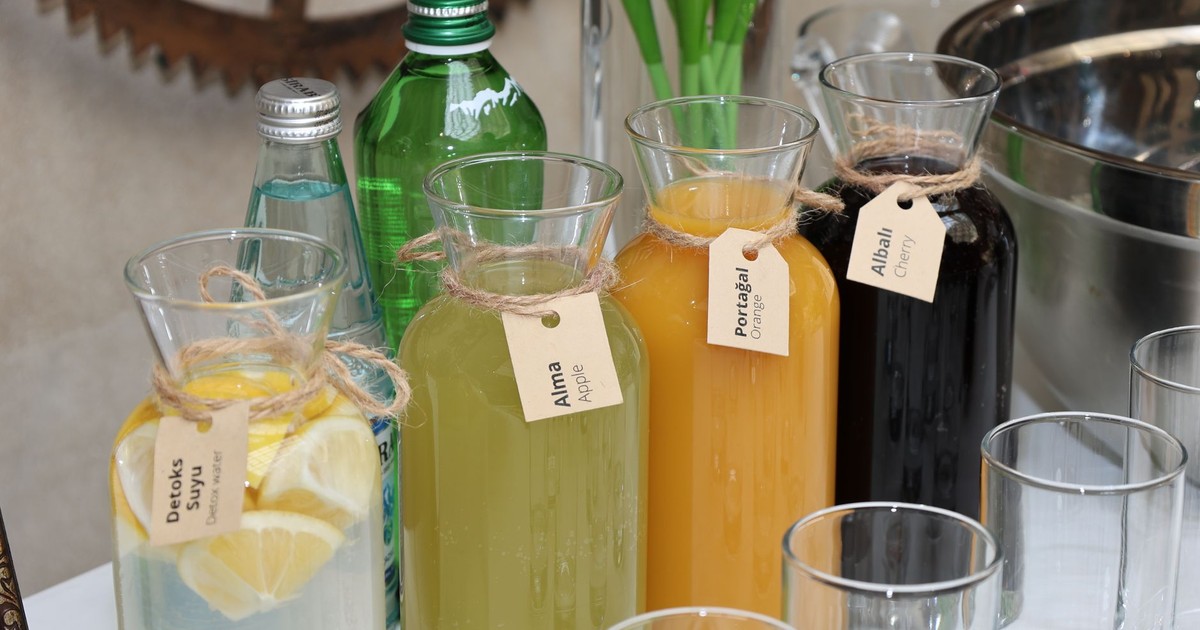
Cold-pressed vegetable juices have built a strong health reputation, and the marketing around them is persuasive. Juicing strips out dietary fiber – the component that slows sugar absorption and feeds gut bacteria – and concentrates the naturally occurring sugars from multiple servings of produce into a single glass. Juice also removes the physical structure of the vegetable, which plays a role in how slowly you absorb its carbohydrates.
Eat vegetables whole where possible. If you enjoy juicing, add it in addition to, not instead of, whole produce servings. A smoothie that retains the fiber is a substantially better choice than a pressed juice that discards it. The goal of getting more vegetables into your diet is better served by the whole food than by its liquid extract.
6. Low-Flavanol Vegetables
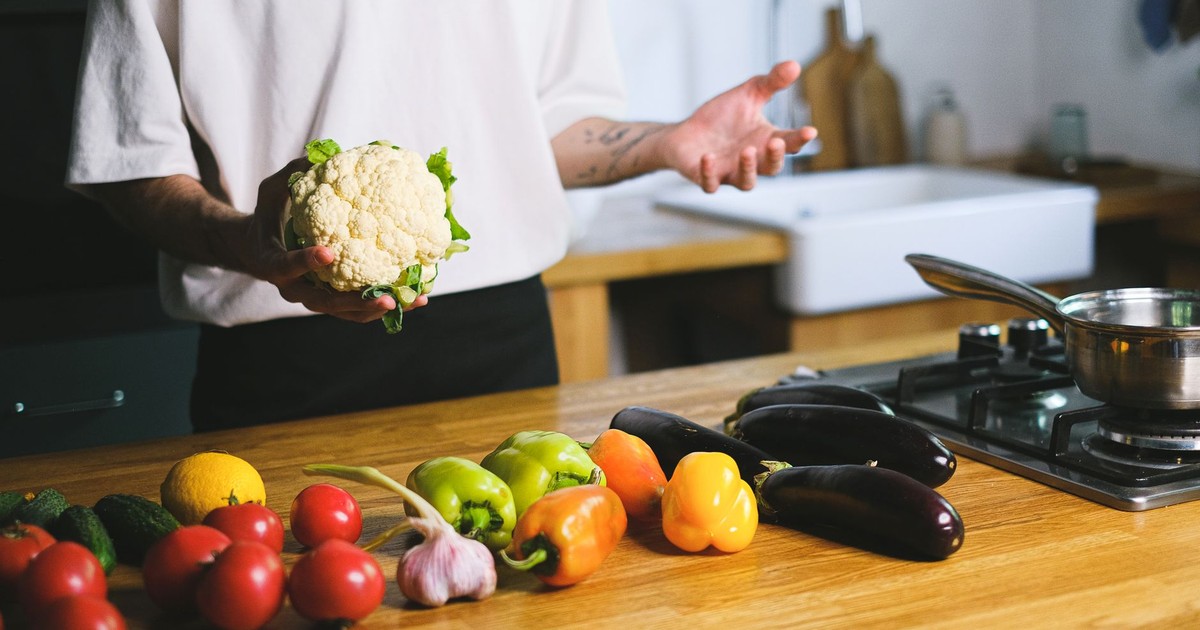
Five vegetable servings a day don’t automatically cover heart-protective plant compounds. Flavanols are a subclass of plant compounds (a type of antioxidant found in specific foods, not in most common vegetables) with a strong evidence base for cardiovascular protection. A vegetable plate built primarily around corn, peas, iceberg lettuce, and winter squash delivers almost none of them. The message here isn’t to reduce foods lower in flavanols, but to try to include others with higher amounts.
Research published in a 2025 study in Nature Food found that higher habitual consumption of several flavonoid subclasses is associated with lower risk of all-cause mortality and major chronic conditions, including cardiovascular disease. The vegetables and foods highest in flavanols include dark leafy greens, red onions, broccoli, apples, tea, and cocoa. Rotating these into your daily routine – rather than defaulting to the same three vegetables every week – builds cumulative protection over time that a high-volume, low-variety vegetable habit won’t replicate.
7. Overcooked Cruciferous Vegetables
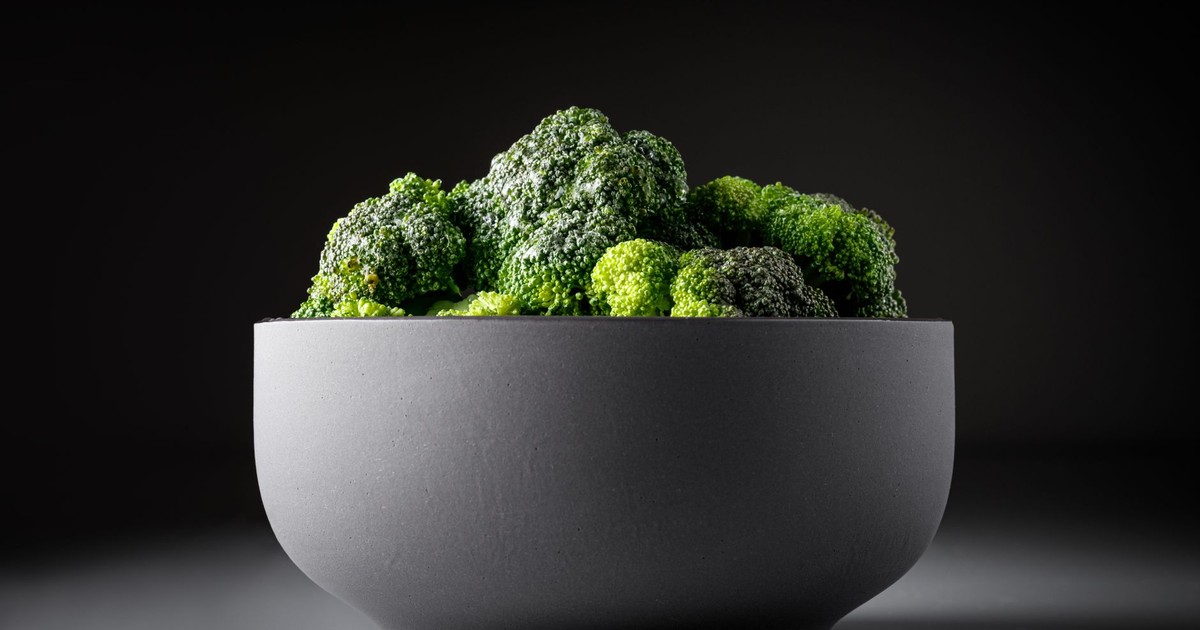
Broccoli, cauliflower, Brussels sprouts, and kale are among the most nutritionally dense vegetables available. They’re also among the most commonly ruined in preparation. Boiling these vegetables for extended periods destroys sulforaphane – the key bioactive compound responsible for many of their anti-inflammatory and cancer-protective properties – along with a substantial portion of their vitamin C content.
Research from the American Institute for Cancer Research consistently supports lightly steaming or stir-frying cruciferous vegetables to preserve their active compounds. The ideal approach is to cook broccoli and its relatives until they’re bright green and just tender, around three to five minutes of steaming, rather than boiling them to a soft, grey-green mush. Raw broccoli delivers maximum sulforaphane per serving, and most cruciferous vegetables work well raw in salads or with dips.
If cruciferous vegetables are a regular part of your diet (and they should be), preparation method is nearly as important as the choice itself. Roasting at moderate heat, brief steaming, or eating them raw preserves far more of what makes them valuable than extended boiling does.
8. Butternut and Acorn Squash
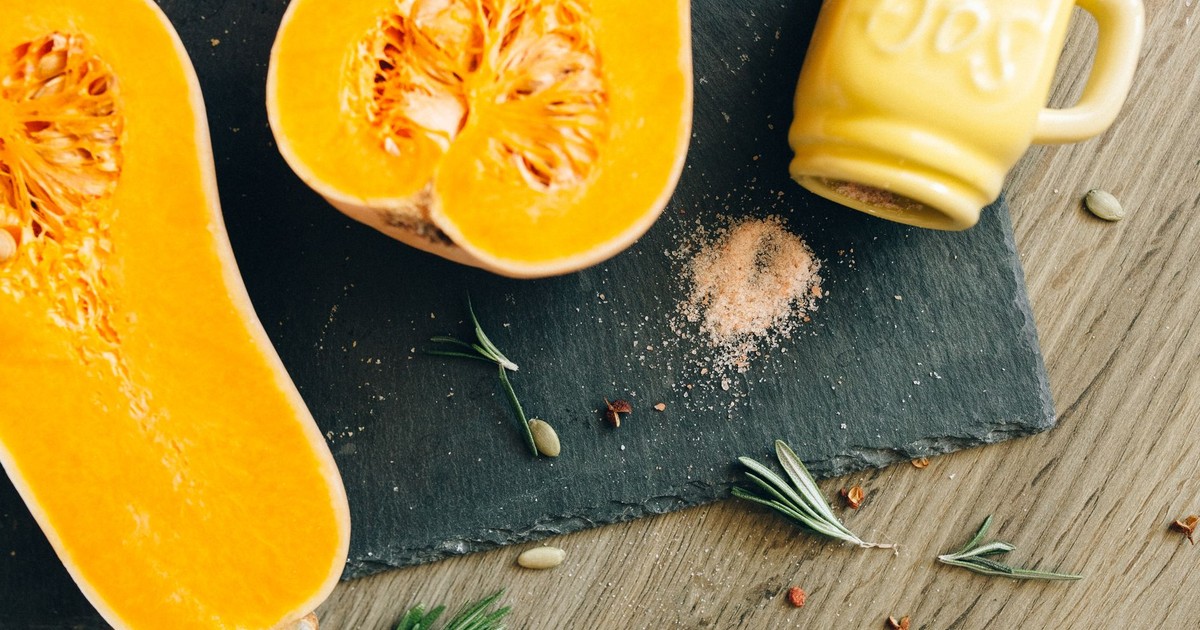
Winter squashes like butternut and acorn squash are genuinely nutritious, supplying beta-carotene, vitamin C, potassium, and fiber. Like corn and peas, they are starchy vegetables, meaningfully higher in carbohydrates than their reputation as “a vegetable” suggests. A cup of cooked butternut squash contains around 22 grams of carbohydrates, putting it closer to a grain serving than to a non-starchy vegetable.
This matters less if you’re substituting squash for bread or pasta – in that context, it’s a better swap. It matters more if you’re counting it as your main vegetable serving alongside other starchy sides. For better blood sugar management, pairing a portion of roasted squash with a large serving of non-starchy greens creates a more balanced plate than using squash as the vegetable centerpiece. Kabocha squash has a lower glycemic index and a richer flavor, and makes a reasonable swap. Sautéed kale or Swiss chard as a regular substitute reduces the carbohydrate load while adding more vitamins per serving.
9. Pre-Washed Bagged Salad Mixes
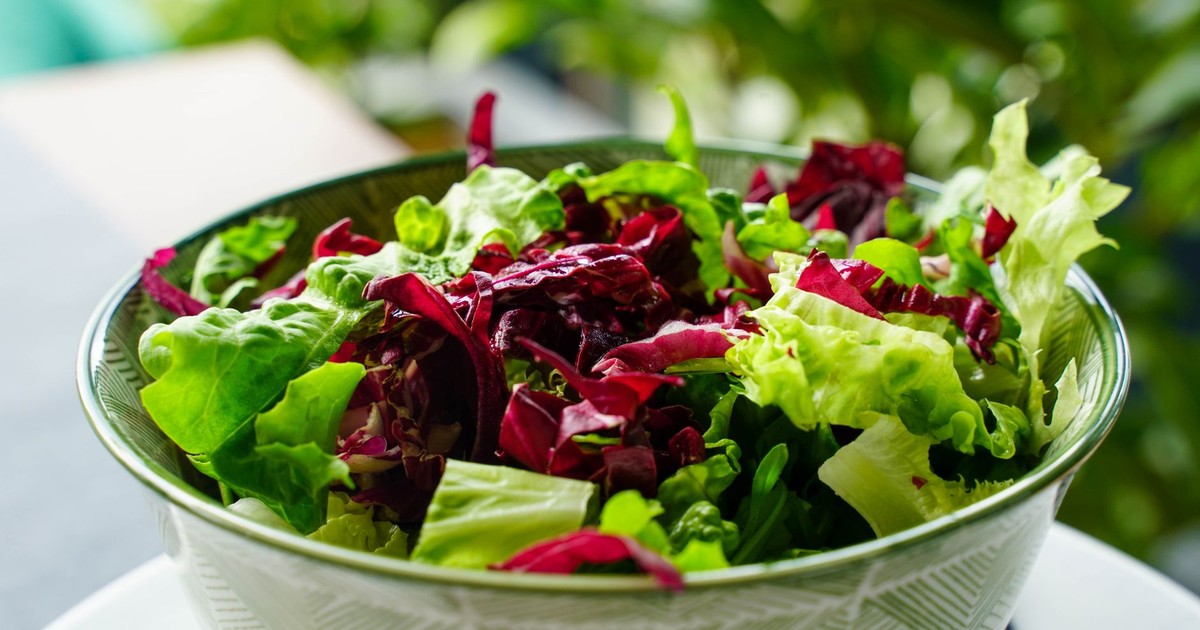
Pre-washed and packaged salad greens are a genuine convenience, and many people rely on them to add more vegetables to their diet without the prep time. Two problems persist. First, bagged salads are almost always dominated by iceberg or romaine hearts, the least nutrient-dense options in the lettuce family. Second, the “triple-washed” label can create false security around food safety.
Research found bacterial contamination in ready-to-eat packaged lettuces, with contamination sometimes higher in pre-packaged product than in whole fresh lettuce. You can read more about produce safety and leafy greens at Medical News Today. The extended time in the bag between cutting and consumption, combined with residual moisture, creates conditions that favor bacterial growth.
The fix is practical: choose bagged salad mixes that contain darker greens – arugula, spinach, or mixed field greens – rather than iceberg-dominant blends, and rinse the contents under running water even when the bag says pre-washed. Whole heads of romaine, spinach, or arugula, washed at home, offer better nutrition and better food safety than most convenience bags.
Read More: 100 of The World’s Most Nutritious Foods
What to Do With This List
The most useful shift isn’t eliminating any vegetable outright. Corn, iceberg lettuce, and white potatoes all have a place in a balanced diet. The issue is defaults and proportions. When these are your primary vegetables – the ones you reach for most days – you’re leaving substantial nutritional value on the table.
The concrete changes that make the biggest difference: make spinach, arugula, broccoli, or kale your default instead of iceberg; choose sweet potatoes over white potatoes most of the time; always drain and rinse canned vegetables; buy organic for spinach and bell peppers when budget allows; and lightly steam or eat raw any cruciferous vegetables rather than boiling them soft. Those five swaps, applied consistently, do more for your vegetable nutrition than any single superfood addition. Rotating flavanol-rich options – broccoli, red onions, dark leafy greens – into your weekly routine adds a layer of cardiovascular protection that a high-volume, low-variety approach simply won’t provide. Ultimately, getting an adequate number of daily servings of vegetables is most important. Eat what fits your budget, but also try to optimize by considering which vegetables make their way onto your plate.
Disclaimer: This information is not intended to be a substitute for professional medical advice, diagnosis, or treatment and is for information only. Always seek the advice of your physician or another qualified health provider with any questions about your medical condition and/or current medication. Do not disregard professional medical advice or delay seeking advice or treatment because of something you have read here.
AI Disclaimer: This article was created with the assistance of AI tools and reviewed by a human editor.
Read More: How These Common Vegetables May Aid in Liver Disease Reversal