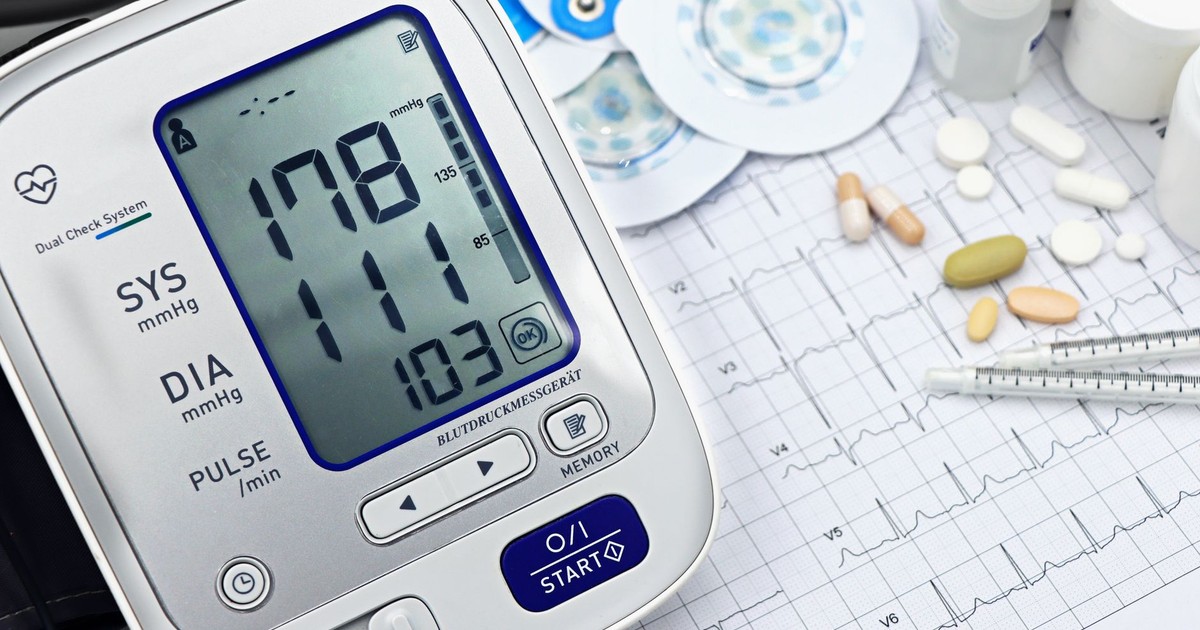

One bowl of canned chicken noodle soup can contain close to 1,000 milligrams of sodium. That’s not a quirk of one brand – it’s close to the average across the category, and most people eat the whole can, which lists two servings on the label.
That detail matters because the foods most likely to drive up blood pressure aren’t the ones that taste aggressively salty. They’re the ones that don’t taste salty at all – store-bought bread, flavored yogurt, bottled salad dressing, a glass of wine with dinner. Understanding which foods to avoid for hypertension starts with recognizing that sodium hides in places most people aren’t checking, and that sodium isn’t even the whole story.
Research published in the Journal of the American Heart Association found that exposure to nitrites from food additives – the preservatives used in processed meats – was associated with a 19% higher risk of hypertension. Separately, the Pan American Health Organization has identified that reducing sodium intake to less than 2,000 mg per day is an effective way to lower blood pressure and reduce risk of cardiovascular disease. Diet’s role in hypertension is more specific than most general advice suggests. Here are the eight categories of foods most consistently linked to raising blood pressure – and what to do about each one.
1. Processed and Cured Meats

Cured and processed meats – bacon, sausage, hot dogs, ham, and deli meats such as turkey, roast beef, and salami – often contain added nitrates and nitrites. These compounds prevent the growth of harmful bacteria, add a salty flavor, and give the meat its characteristic pink or red color. But their effect on blood pressure goes beyond the preservatives alone.
Higher nitrite and nitrate intake from processed meats contributes to an increase in diastolic blood pressure (the lower of the two numbers in a reading), with the effect compounded by total sodium intake. The sodium load in these products is substantial on its own. A single serving of bacon or deli meat can carry several hundred milligrams before anything else is added to the plate.
A study published in the European Heart Journal in May 2026 tracked the dietary habits of more than 112,000 adults in France for up to eight years and linked several common food preservatives to higher rates of high blood pressure and cardiovascular events. Sodium nitrite, widely used in processed meats like bacon and deli cuts, showed up in more than 73% of participants’ diets. Switching to fresh, unprocessed cuts of meat – chicken breast, lean beef, fish – removes both the nitrite exposure and a significant portion of hidden sodium in one step.
2. Canned Soups and Packaged Broths
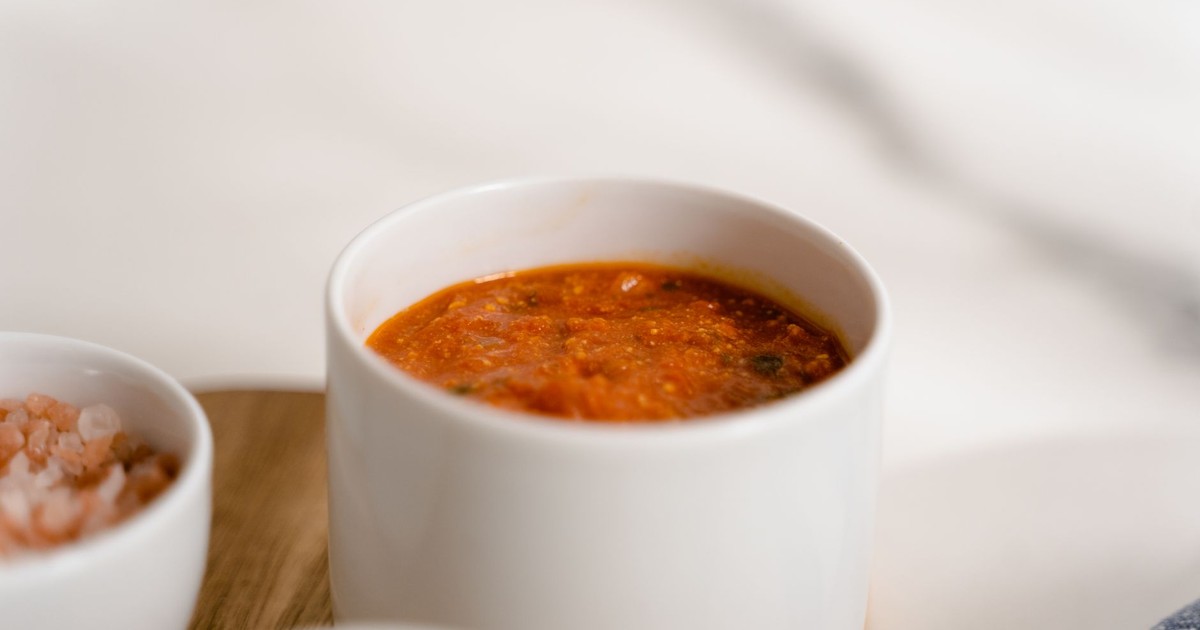
Many canned soups contain between 700 mg and 1,000 mg of sodium per serving. The problem is that most cans hold two servings, meaning finishing a single can – something most people do without thinking – could deliver 1,400 to 1,600 mg of sodium, which matches or exceeds the 1,500 mg daily target recommended for people with hypertension or cardiovascular risk.
According to the CDC, most sodium in the American diet comes from packaged and restaurant food, not the saltshaker. Canned soup is one of the clearest examples of that pattern – it’s a food most people associate with simplicity and comfort, not with cardiovascular risk. Packaged broths and stocks contain similar sodium amounts and can raise blood pressure in the same way.
The practical fix is straightforward: dietitians suggest aiming for soups with 400 mg of sodium or less per serving, and many brands now offer low-sodium or no-salt-added versions. Making soup at home from fresh ingredients gives complete control over sodium content and is the most reliable option for anyone actively managing blood pressure.
3. Ultra-Processed Foods and the Foods to Avoid for Hypertension
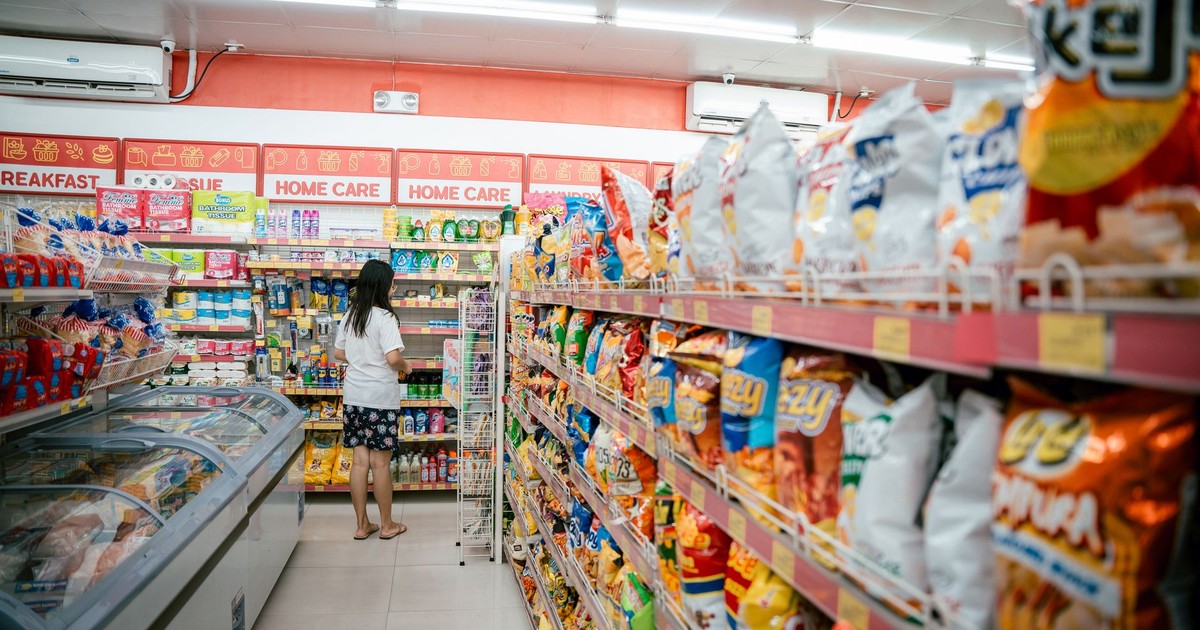
A 2026 analysis found that people eating the most ultra-processed foods face significantly higher risks of heart disease and high blood pressure. Ultra-processed foods (UPFs) are industrial formulations that go well beyond simple ingredients – they include packaged snacks, flavored crackers, breakfast cereals, frozen meals, and reconstituted meat products. The category is defined not just by sodium content but by the combination of additives, refined starches, and modified fats used to produce them.
A 2024 study found that high ultra-processed food consumption was associated with a 23% greater risk of developing hypertension compared to low consumption. That figure comes from a dose-response relationship, meaning the more UPFs in the diet, the greater the risk – not a binary on/off effect.
The European Society of Cardiology has flagged that eating foods with common preservative additives may increase risks of high blood pressure. Many of those additives are concentrated in ultra-processed products. Replacing even a portion of daily UPF intake with whole foods – fruit, vegetables, legumes, eggs, plain dairy – measurably shifts the dietary pattern toward one that supports lower blood pressure.
4. Foods with Hidden Added Sugars
Sugar doesn’t have an obvious salty taste, which is partly why its role in blood pressure often goes unacknowledged. Added sugars in processed foods and drinks are a primary driver of high blood pressure, operating through a separate mechanism from sodium: excess sugar drives insulin resistance and promotes fluid retention, both of which place upward pressure on blood pressure readings.
Diets high in refined carbohydrates are linked to the development of high blood pressure and coronary artery disease. The category of concern isn’t just obvious items like soda and candy – it includes flavored yogurts, store-bought salad dressings, tomato-based pasta sauces, granola bars, and low-fat packaged foods that use sugar to compensate for reduced fat content.
Reading ingredient labels for added sugar (listed separately from total sugar on nutrition panels since 2020) is the most direct defense. Foods that list sugar, corn syrup, dextrose, or fructose in the first few ingredients are contributing meaningfully to daily added sugar load. The American Heart Association recommends no more than 25 grams of added sugar daily for women and 36 grams for men – thresholds that a single flavored coffee drink or sweetened yogurt can exceed on its own.
5. Alcohol

Alcohol consumption is a well-established contributor to elevated blood pressure, a major cardiovascular risk factor. The mechanism involves alcohol’s direct effect on the sympathetic nervous system: it raises heart rate and, over time, promotes arterial stiffness – particularly with regular or heavy consumption.
The 2025 ACC/AHA guidelines recommend that people with hypertension limit alcohol to one drink daily for women and two drinks for men. Those limits assume standard drink sizes – 12 ounces of regular beer, 5 ounces of wine, or 1.5 ounces of spirits. Restaurant pours and home measurements frequently exceed those amounts without the person realizing it. Even reductions well below the guideline limits are associated with measurable blood pressure decreases, according to a 2025 review from the American College of Cardiology.
For anyone with elevated blood pressure readings, alcohol is one of the more modifiable risk factors in the diet – because cutting back produces results relatively quickly, often within a few weeks, in ways that some dietary changes take longer to show.
6. Salty Condiments and Table Sauces
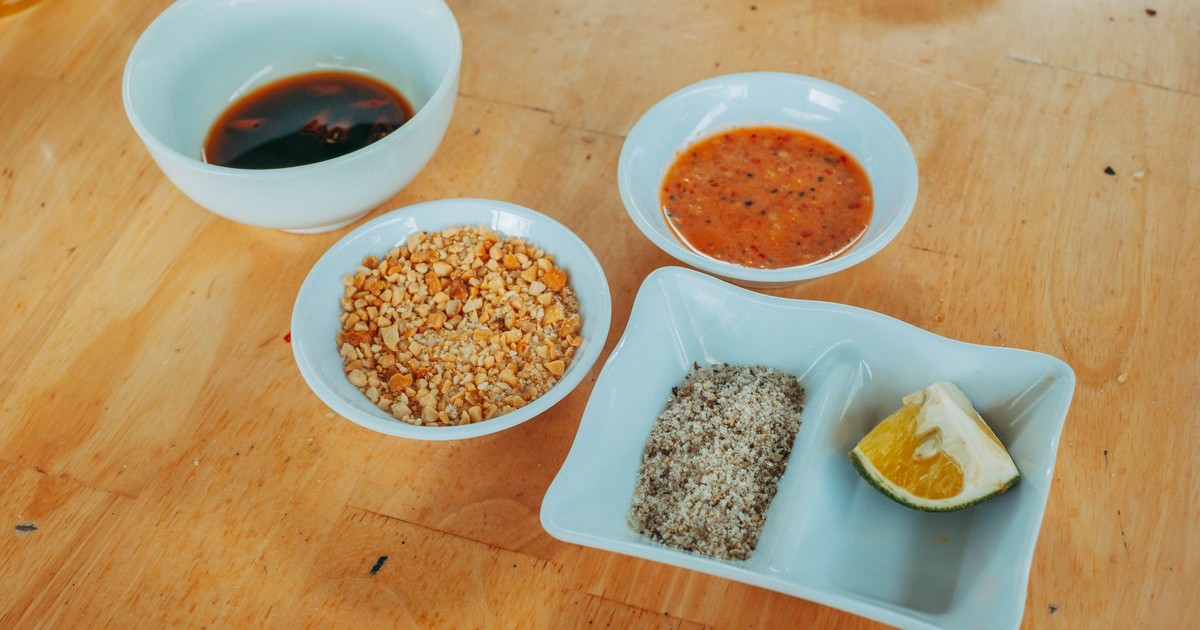
Soy sauce is one of the most sodium-dense foods in common use, with a single tablespoon carrying around 900 mg – more than a third of the recommended daily limit in one small pour. Ketchup, hot sauce, Worcestershire sauce, and even bottled salad dressings contribute meaningful sodium with every use, and unlike a bag of chips, they don’t register as “salty foods” in most people’s mental accounting.
The CDC notes that most sodium in the American diet comes from packaged and restaurant food, not from salt added at the table. Condiments sit squarely in that packaged category. The portion-size problem compounds the issue – nutrition labels for condiments list serving sizes of one tablespoon or one teaspoon, while real-world use is often three to four times that amount.
Swapping high-sodium condiments for herb-based alternatives – fresh garlic, lemon juice, vinegar, cumin, and paprika – can replace sodium-driven flavor without the blood pressure consequences. Low-sodium soy sauce, reduced-sodium hot sauces, and homemade dressings made with olive oil and acid are practical substitutes that don’t require significant flavor trade-offs.
7. Refined Carbohydrates and White Bread
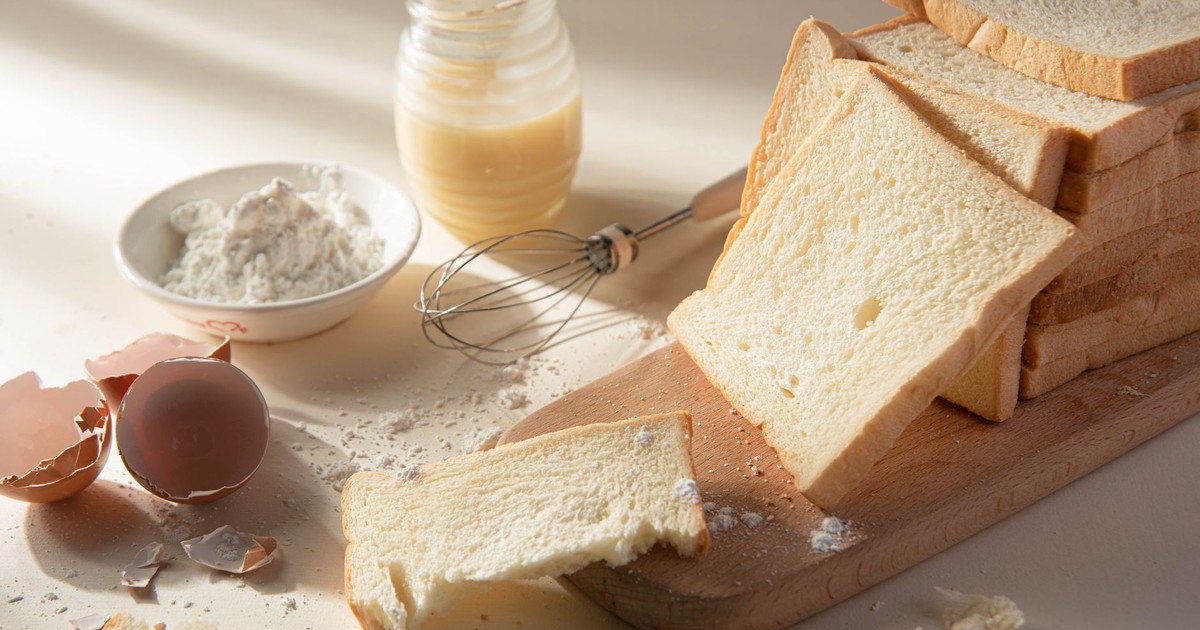
Diets high in refined carbohydrates are linked to both high blood pressure and coronary artery disease. White bread, white pasta, white rice, and similar products are made from grains stripped of their fiber and most of their nutrients during processing. Beyond the blood pressure effect, they digest rapidly and trigger insulin spikes, which over time can contribute to the same metabolic conditions that drive hypertension.
White bread is also a quietly significant sodium source. A standard two-slice serving of commercial white sandwich bread can contain 200 to 300 mg of sodium – not from any obvious seasoning, but from salt used during baking for texture and preservation. Across three meals a day built around refined grain products, the sodium accumulation is substantial.
You can find more on blood pressure and everyday diet at The Hearty Soul. Replacing refined grains with whole grain alternatives – whole wheat bread, brown rice, oats, quinoa – delivers more fiber, lower glycemic impact, and often less sodium per serving.
8. Caffeinated Energy Drinks
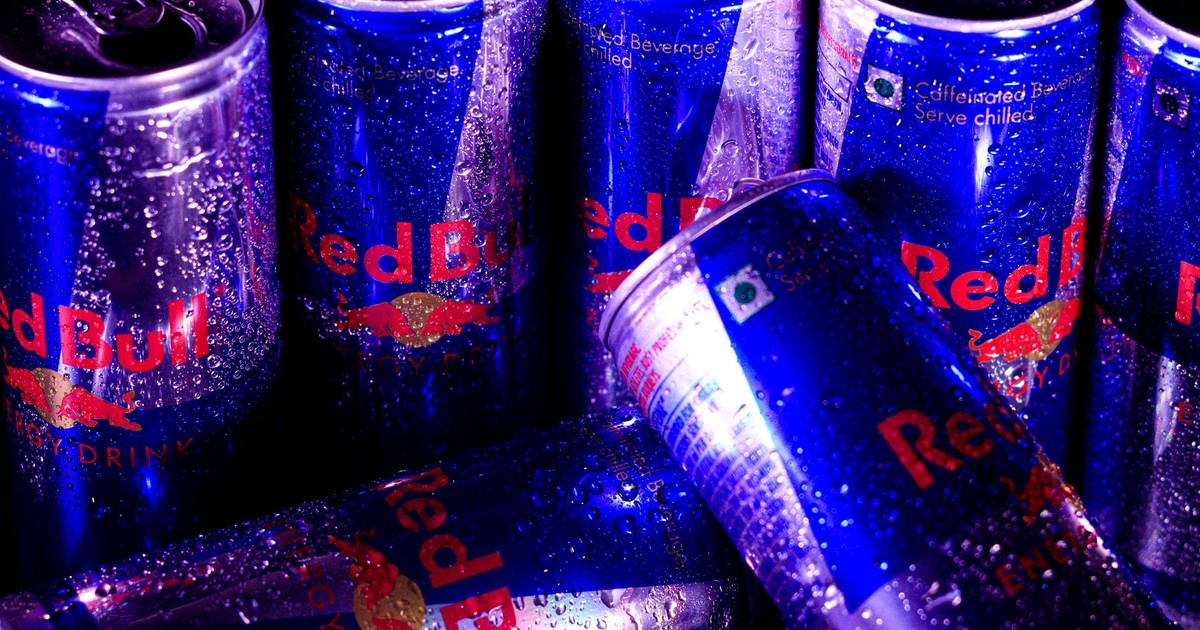
Coffee’s relationship with blood pressure is nuanced and varies by individual. Energy drinks are a different category entirely. Research has linked energy drinks to increased blood pressure and irregular heart rhythms, and in some cases, serious cardiac events. This goes beyond the caffeine alone – most energy drinks combine high-dose caffeine with other stimulants, added sugars, and herbal compounds that amplify cardiovascular effects.
Caffeine causes blood vessels to narrow, which increases adrenaline levels and raises both heart rate and blood pressure. For most healthy adults, a moderate amount of caffeine has a temporary and tolerable effect. But for people with high blood pressure, a caffeine limit of 200 mg per day or less is recommended – a threshold that a single large energy drink often exceeds on its own.
Standard 16-oz energy drinks routinely contain 150 to 200 mg of caffeine plus taurine and B vitamins, and some “extreme” products top 300 mg per can. For anyone managing hypertension, switching to plain coffee (capped at one or two cups) or unsweetened green tea gives a moderate caffeine effect without the concentrated stimulant cocktail that energy drinks deliver.
Read More: Common Food Preservatives Linked to High Blood Pressure and Heart Disease
What to Do Now

The Pan American Health Organization estimates that excessive dietary sodium intake causes approximately 30% of hypertension prevalence, and the WHO reports that average global sodium intake is more than double the recommended limit of less than 2,000 mg per day – meaning the typical diet is already operating well above the threshold where blood pressure effects appear.
The DASH diet – low in sodium and high in fruits, vegetables, fiber, potassium, and low-fat dairy – is supported by the 2025 AHA/ACC guidelines as a proven approach for people with elevated blood pressure or hypertension. Those same guidelines recommend increasing dietary potassium intake, which directly counteracts sodium’s blood-pressure-raising effect by helping the kidneys excrete excess sodium. According to the CDC, consuming too much sodium and too little potassium can raise blood pressure and increase risk of heart disease and stroke – and that dual shift, eating less of the foods above while eating more potassium-rich vegetables and legumes, is where the largest dietary gains for blood pressure are typically found. If you’re managing hypertension with medication, talk to your doctor before making significant dietary changes, especially around potassium intake, as some medications interact with potassium levels.
Disclaimer: The author is not a licensed medical professional. The information provided is for general informational and educational purposes only and is based on research from publicly available, reputable sources. It is not intended to constitute, and should not be relied upon as, medical advice, diagnosis, or treatment. Always consult a licensed physician or other qualified healthcare provider regarding any medical condition, symptoms, or medications. Do not disregard, avoid, or delay seeking professional medical advice or treatment because of information contained herein.
AI Disclaimer: This article was created with the assistance of AI tools and reviewed by a human editor.
Read More: Cardiologists Urge Caution When Combining This Supplement With Blood Pressure Meds