

At some point, many people notice the same unsettling pattern. You work hard, treat others fairly, and follow the rules. At the same time, someone else pushes ahead faster. They bend the truth, take credit, or ignore the impact of their actions. Despite that, they rise above others.
This experience can feel deeply discouraging. It often creates the impression that effort and integrity do not matter as much as confidence or aggression. Over time, that frustration grows, especially when reward and contribution do not seem to align.
Psychologists and behavioral scientists have studied this pattern for decades. Their findings suggest that success is not always linked to kindness or fairness. In certain environments, socially harmful traits can still offer strategic advantages. That does not mean cruelty guarantees success. Instead, it helps explain why success can appear unfair from the outside.
What People Usually Mean by “Bad People”
When people describe someone as “bad,” they usually mean morally questionable. Psychology approaches the issue differently. Rather than judging character, researchers focus on consistent patterns of behavior.
Many studies highlight traits such as manipulation, dishonesty, emotional detachment, and extreme self-focus. These traits often cluster together and show up repeatedly in competitive environments.
Importantly, people with these traits are not always obvious antagonists. Most function well in everyday life. They hold jobs, maintain social relationships, and can even seem charismatic. What separates them is not appearance, but strategy.
They tend to prioritize outcomes over process. If a shortcut delivers results, they take it. If others are harmed along the way, that harm feels secondary. In fast-moving systems, this approach can be mistaken for decisiveness or strength.
Understanding the Dark Triad
Psychologists often group several of these traits under what is known as the Dark Triad. This term refers to three related personality traits: Machiavellianism, narcissism, and psychopathy.
Machiavellianism centers on manipulation and strategic thinking. Narcissism involves grandiosity, entitlement, and a strong need for admiration. Psychopathy includes emotional coldness, impulsivity, and low empathy.
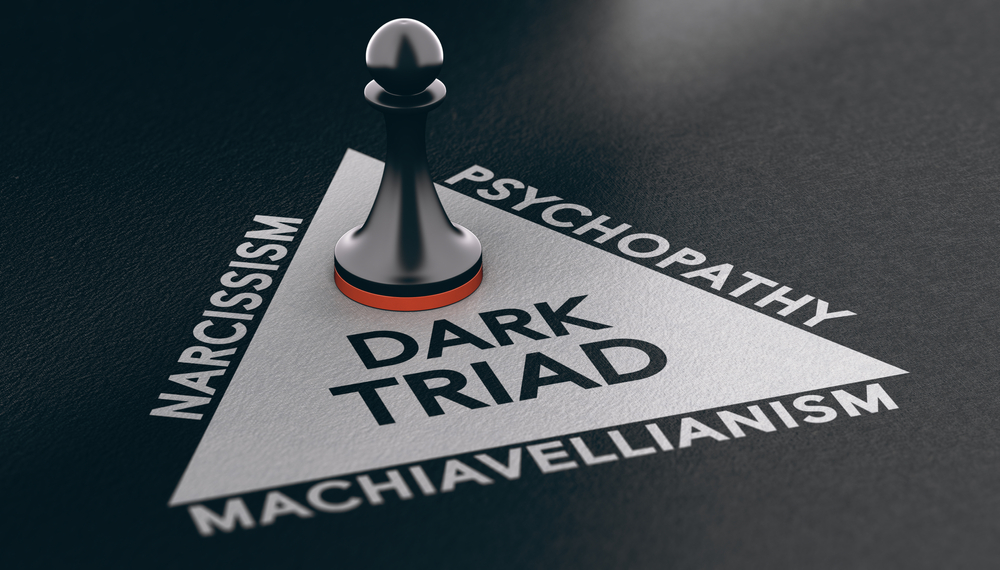
While these traits are distinct, they often overlap. People high in the Dark Triad tend to be socially bold, emotionally detached, and willing to exploit situations for personal gain.
Research shows that these traits can be advantageous in the short term. They are linked to confidence, risk-taking, and assertive behavior. In competitive systems, those qualities often get rewarded quickly.
However, the same research also links the Dark Triad to conflict, instability, and long-term relationship failure. What helps people rise can also undermine their ability to sustain success.
Strategy, Cynicism, and Machiavellian Thinking
Among the Dark Triad traits, Machiavellianism plays a central role in perceived success. This mindset is built on cynicism and calculation. People who think this way often assume others are self-interested. Because of that assumption, they feel justified in acting strategically at all times. Cooperation becomes a tool rather than a value.
They plan ahead, read social cues carefully, and adapt quickly. When honesty helps, they appear sincere. When manipulation works better, they use it without much internal conflict.

Image credit: Shutterstock.
Research suggests that Machiavellian individuals often remain calm under pressure. They rarely show vulnerability during conflict. In leadership or negotiation settings, this emotional distance can look like competence. Still, these advantages tend to surface early. Over time, patterns emerge. Trust weakens, and alliances become fragile. Unfortunately, early wins are what most people notice.
Why Confidence Often Outpaces Actual Skill
Another major factor is confidence. People high in Dark Triad traits often display strong self-assurance. They speak clearly, assert opinions quickly, and rarely express doubt.
In many professional environments, confidence gets confused with competence. When someone sounds certain, others assume they know more. As a result, confident individuals receive opportunities faster.
Narcissistic traits amplify this effect. Narcissistic people tend to overestimate their abilities, yet they also promote themselves relentlessly. They highlight successes while minimizing mistakes.
Meanwhile, more ethical or cautious people may hesitate. They wait to be asked. They soften their claims. In competitive systems, this restraint can slow visibility and advancement.

Image credit: Shutterstock.
Confidence does not equal ability. However, perception shapes opportunity, and opportunity often shapes outcomes.
Trust, Manipulation, and Human Nature
Human beings are wired to trust. Psychologists refer to this as the truth default. We generally assume others are honest unless something clearly signals otherwise. This tendency allows society to function. Without it, everyday interactions would become exhausting. However, it also creates vulnerability.
Manipulative individuals understand this instinct well. They mirror social norms, express warmth, and tell believable stories. Most people do not question them at first. Because manipulators do not feel the same obligation to return trust, they gain an edge. By the time others realize something is wrong, damage may already be done.
Ethical people often assume shared values. While that works in healthy environments, it can backfire in competitive or poorly regulated systems.
Systems That Reward Outcomes Over Ethics
Individual behavior does not exist in isolation. Instead, it responds to incentives built into systems. When systems reward results without examining methods, behavior shifts accordingly.
In many workplaces, performance metrics dominate decision-making. Sales numbers, growth targets, and public visibility often matter more than collaboration or integrity. As a result, employees learn quickly what actually gets rewarded. Over time, ethical shortcuts can start to feel practical rather than problematic.
Weak oversight makes this pattern stronger. When accountability is unclear, boundaries blur. People willing to bend rules gain speed, while those who pause to question ethics fall behind. Eventually, bending becomes normal.

Political and media systems often follow similar logic. Attention, certainty, and dominance can outweigh accuracy or fairness. The loudest voices gain platforms, while nuanced ones struggle for space.
Importantly, these systems do not create manipulative people; they simply reward them. Once rewards are visible, others adapt. Culture then shifts toward whatever behavior produces results fastest.
Short-Term Wins Versus Long-Term Consequences
Most stories about unethical success focus on early wins. Promotions arrive quickly. Influence expands fast. From the outside, it looks like proof that ruthless behavior pays.
However, research consistently shows a different long-term pattern. Over time, manipulation erodes trust. Colleagues disengage, teams fragment, and cooperation declines.
Studies in organizational psychology link Dark Triad traits to higher conflict, increased turnover, and burnout. While teams may perform well briefly, performance often drops once trust weakens.
Personal consequences also surface. Relationships built on manipulation rarely last. Social circles shrink and support networks thin out.
The reason this pattern feels invisible is timing. Short-term success is public and immediate, whereas long-term fallout is slower and quieter. By the time consequences appear, attention has moved elsewhere. This gap in visibility helps sustain the myth that unethical behavior leads to lasting success.
The Illusion of Success in the Digital Age
Modern success is increasingly tied to visibility rather than substance. Social media intensifies this dynamic. Platforms reward confidence, certainty, and simplicity. People who exaggerate achievements appear more successful, and those who express doubt or nuance receive less attention.
This creates a distorted reality. Audiences see highlight reels, not full stories. Failures stay hidden and ethical compromises remain invisible.

Over time, these curated images shape expectations. Viewers begin to associate success with boldness rather than depth. That association reinforces the belief that ruthless behavior works.
In reality, visibility and success are not the same thing. Many highly visible figures struggle privately. However, digital platforms rarely show that side. As a result, perception replaces evidence. The illusion grows stronger than the truth.
The Emotional Impact on Rule Followers
Many people are raised to believe that fairness leads to reward. When reality contradicts that belief, emotional strain follows.
Rule followers often trust systems to correct bad behavior. When correction does not happen, frustration builds. Some people disengage emotionally, and others grow cynical.
This reaction is not a weakness. It reflects a clash between expectation and experience. Over time, unresolved frustration can affect motivation, confidence, and mental health. Some people begin questioning their own values. Others blame themselves for not being tougher, and a few abandon ethics altogether.
Acknowledging this emotional impact matters. It allows people to process disappointment without internalizing it as personal failure.
Ethics Without Naivety
Ethical behavior is often misunderstood as passivity. In reality, ethics require awareness, not blind trust. Being fair does not mean being unprepared.
People can act with integrity while still protecting themselves. Setting boundaries matters. Writing things down matters. Asking clear questions early can prevent problems later. These actions do not signal distrust; they signal professionalism.
Understanding how systems work also makes a difference. When people learn how decisions are made, outcomes feel less random. Knowledge reduces shock and resentment and allows ethical people to respond instead of react.

Confidence plays a role here as well. Ethical people often hesitate to claim space, yet confidence does not require manipulation. Speaking clearly, naming contributions, and advocating for oneself can happen without harming others.
Ethics work best when paired with realism. Trust should be informed, not automatic. When people balance values with awareness, they reduce vulnerability without losing integrity.
Building Systems That Reduce This Pattern
Because behavior responds to incentives, systems matter more than personalities. Even well-intentioned people change their behavior when rewards shift.
Clear expectations help prevent abuse, and transparent promotion criteria reduce favoritism. When people understand how advancement works, resentment tends to decrease.
Shared oversight also matters. When decisions pass through multiple perspectives, manipulation becomes harder. Feedback channels allow problems to surface early rather than explode later.
Leadership sets the emotional tone. When leaders model fairness, others follow. When leaders excuse bad behavior because results look good, it spreads quickly in the workplace.
Cultural change takes time. Still, it always begins with what gets rewarded and what gets tolerated. Systems quietly teach people how to behave.
Read More: Turns Out People With This Quality Might Actually Be the Most Intelligent
Redefining Success
Success often gets defined narrowly. Money and power are obvious, as they attract attention. However, stability, trust, and fulfillment matter just as much. They simply show up quietly because people rarely post about peace of mind.

Fast climbs often hide costs. Stress increases, relationships weaken, and pressure builds. Slower paths may look less impressive, yet they often feel more sustainable. Comparing paths rarely helps, as every path includes tradeoffs. What matters is choosing the costs you can live with.
Defining success intentionally allows people to step out of constant comparison. It shifts focus from appearance to experience.
Closing Thoughts
Bad people do not always succeed. They often succeed faster and more visibly, and that difference shapes perception. Shortcuts can create momentum, but they rarely create stability. Over time, trust, consistency, and cooperation still matter.
Understanding this pattern does not require cynicism. It requires clarity. Seeing how systems and psychology interact helps restore balance. When people see the full picture, the myth loses its grip. Success becomes less about winning at all costs and more about building something that can last without falling apart.
A.I. Disclaimer: This article was created with AI assistance and edited by a human for accuracy and clarity.
Read More: 15 Ridiculous Ways Intelligent People Throw Their Money Away