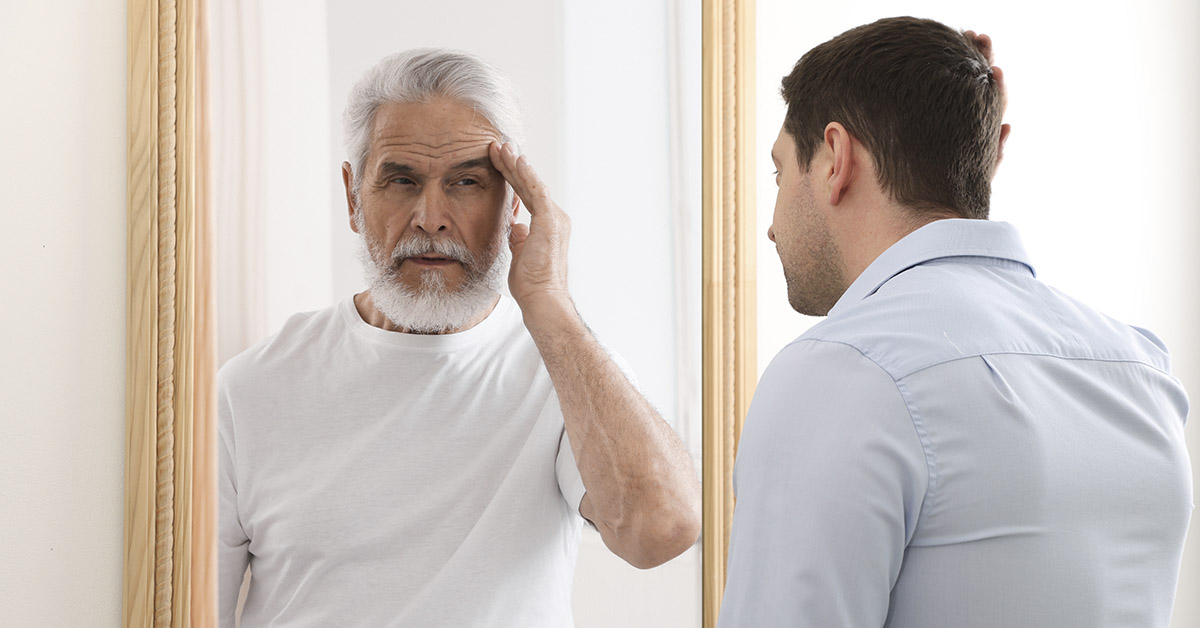

Curious why people today often look younger than their parents did? Do we age slower than past generations, or are we imagining it? Well, there are actually multiple reasons that it appears this way. For one, a person’s style and grooming affect our first impressions more than we even realize. Additionally, over the decades, smoking has declined, the air has gotten cleaner, and sunscreen habits have improved. We also learned more about the effects of nutrition and fortification, which gradually improved deficiencies that once dulled our skin.
Furthermore, dentistry, dermatology, and hair treatments became safer and more widely available. Then there are the modern-day cameras and filters that nudge our perceptions toward smoother faces. Beneath the surface, biology reveals a similar story. Even recent studies suggest that modern cohorts age a little more slowly than before. Many of these factors help explain why we look younger today than our parents did at our age. Let’s take a deeper look at why people age differently now and the aging differences by generation.
The Style Bias That Tricks Our Eyes

We often compare old photos to our new selfies and feel rather shocked. People in the past sometimes just looked much older than they really were. Part of that impression comes from our powerful in-built bias about style. Hairstyles and clothes carry time stamps that our brains are able to read instantly. Old-school hairstyles such as big bouffants, beehives, and heavy perms now signal “older person” to our modern eyes. The same thing happens when we see a person wearing sharply pointed collars and walnut sweater vests.
Our brains associate that style with older generations, which subconsciously dates that person. The chances are that if we took that same person and put them in contemporary clothing and gave them a modern hairstyle, they would look very different in our eyes. Another determining factor in how old we think someone is has to do with facial contrast. Facial contrast is the difference in lightness and color between key features and the surrounding skin. The features that matter most are the eyes, eyebrows, and lips. Younger faces usually show darker brows and lashes against brighter skin. Younger lips also tend to look redder and more saturated.
These differences make the features pop, which makes them look more youthful. As we age, several changes reduce that contrast. Skin can darken or yellow slightly from accumulated sun exposure. Brows often thin and lose pigment, so they look lighter. Lashes may thin, and the eyelid area can darken irregularly. Lip redness fades as blood flow and pigment change with age. The overall result is lower contrast between features and skin, making it appear more aged. Research has shown that people use that contrast as a fast visual cue for age. In experiments, faces with higher feature contrast are judged as younger.
The Visual Impact of Cigarette Skin

Smoking used to be incredibly common. In fact, in 1965, roughly two in five American adults smoked. However, by 2022, that figure had fallen to around one in nine adults. Canada followed a similar path, dropping from about half of adults in 1965 to about one in ten in recent years. Less smoking has not only improved heart and lung health, but it has also changed our faces. Dermatologists refer to “smoker’s face”, which is characterized by grayer skin, deeper wrinkles, and an overall drawn appearance. One influential review concluded that smoking causes facial wrinkling.
The mechanism likely involves reduced skin blood flow and oxidative stress. Additionally, regular squinting from smoke irritation may also deepen lines. However, when a powerful aging behavior fades across an entire population, appearances start to change. We therefore see fewer etched creases and less dull skin overall than our parents or grandparents’ generation. Additionally, the benefit grows as younger generations never start smoking in the first place. This significant change in bad habits helps explain why middle-aged faces often look fresher and younger today.
The Effect of Cleaner Air

Air quality has improved in many places around the world since the coal-heavy era. Stricter regulations and technological change helped significantly reduce several major pollutants. In the United States, criteria air pollutants have fallen dramatically for decades. Additionally, fine particle levels show substantial national declines since 2000. Cleaner air helps improve more than our lungs and hearts; it also makes our skin look healthier. Traffic-related pollution has been linked to more pigment spots and wrinkles. A landmark study associated higher soot and particle exposure with more age spots.
Furthermore, other reports have indicated broad pollutant declines since the 1990s. Fewer airborne oxidants means fewer daily attacks on the skin cells. Basically, that can translate into less dullness and fewer fine lines over time. However, there are still some communities that face unacceptable levels of exposure. Yet even so, long-term national patterns reveal major overall progress. Millions of faces now endure fewer oxidative onslaughts each day. Combine that with fewer cigarettes and sunscreen use, and the overall effect starts to improve. Speaking of sunscreen, let’s learn more about how it has helped improve how we age.
How Using Sunscreen Has Improved Our Complexions

Our parents’ generation often chased the sun without much protection. Today, many people are aware that ultraviolet light drives photoaging and that regular sun exposure breaks down collagen and elastin. It also leads to pigment changes that age the appearance of the face. The best evidence for prevention comes from a randomized trial. The trial revealed that adults who used daily sunscreen for years showed less skin aging. That striking result confirmed what dermatology had suspected for decades.
Sunscreen is not only about cancer prevention; it is also about preserving the youthful texture and tone of your skin. People also take additional measures, such as wearing hats and sunglasses. Cultural shifts have therefore lowered the typical ultraviolet exposure that we experience compared to previous generations. Skin that receives less high-dose exposure tends to hold structure for longer. However, even in our modern era, exposure can still increase during the holidays or when playing sports. That is why consistent routines remain so important.
Work Is Not as Labour Intensive as Before

Imagine what life was like for people working in the mines or other jobs that required labour-intensive work. There is no denying that daily life used to require far more physical labor for the majority of people. Nowadays, fewer people spend long days hauling, digging, or bending on job sites. More workers now sit and interact with screens or customers indoors. Teen work also shifted away from farms and factories toward service roles, and young people now spend more time at computers and counters. Average maternal age has also risen notably since 1970. First-time mothers are now several years older than previous generations. Family size has decreased overall as well. These trends alter the physical demands of child-rearing phases for women over the decades. Additionally, they also change sleep patterns and the levels of stress experienced across all stages of life.
Improvements in Nutrition

Issues with nutrition were more common in the past as people had less access to varied foods and reliable cold storage. On top of that, transport systems weren’t as developed or efficient, so fresh foods ultimately reached fewer homes. However, various governments later expanded food fortification programs worldwide. For example, adding iodine to salt reduced deficiency and helped prevent goiter, and adding folic acid to grains lowered serious birth defects. In the United States, folate deficiency fell sharply after grain fortification began.
Additionally, national surveys then indicated higher blood folate levels across many groups. These changes in nutritional intake all help support healthier skin, hair, energy, and mood over time. Vitamins and minerals help limit oxidative stress and support collagen production, and they also boost immunity, which helps skin repair and stay clear. However, be wary of claims that antioxidants are miracle fixes. Balance matters more than swallowing large supplement doses. At the end of the day, regularly consuming fruits, vegetables, protein, and healthy fats works best.
Advances in Aesthetic Care Treatments
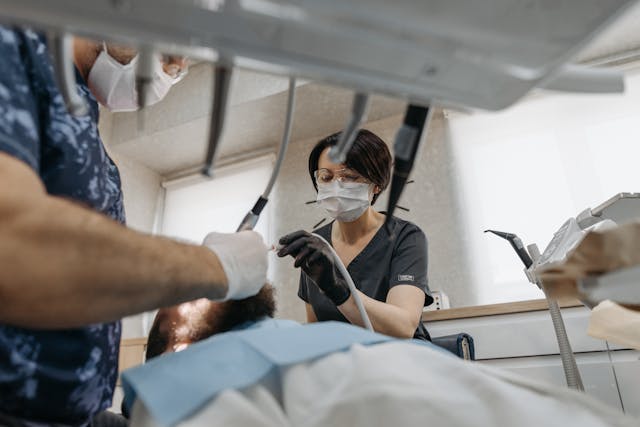
Modern aesthetic care is safer, more regulated, and easier to access than in the past. For example, there are now minimally invasive treatments that appeal to many ages because they offer quick results with very little downtime. Nowadays, we have things such as neuromodulators that can relax overactive muscles that create frown lines, crow’s feet, and neck bands. There are also fillers that can restore lost volume, refine shadows, and gently reshape lips, cheeks, and jawlines. These are not as uncommon as you think, with Professional reports showing that injectable procedures number in the millions every year across clinics.
Additionally, as more trained providers enter the field, prices have become more competitive in many markets. Dermatology also offers gentle resurfacing tools, including peels, microneedling, and lower-energy lasers. These approaches improve texture, refine pores, and soften sun damage when performed by skilled hands. Furthermore, dentistry has taken a similar path toward accessible cosmetic upgrades. There are whitening systems that brighten enamel safely, and veneers that can correct shape, size, and issues with discoloration.
Many individuals in the past may have been put off from getting work done on their teeth due to having to wear braces or other contraptions for months or years. This typically becomes even more of an issue as you grow older, as there is a perception that only children get braces. However, orthodontic choices for adults have expanded from traditional brackets to nearly invisible clear aligners. Ultimately, straighter, brighter teeth strongly influence perceived age as we associate bad teeth with age-related degradation. While these changes may not always come from changes in lifestyle or improvements in nutrition, they do still help explain why so many people tend to look younger nowadays.
The Science Behind Grooming and a Younger Frame
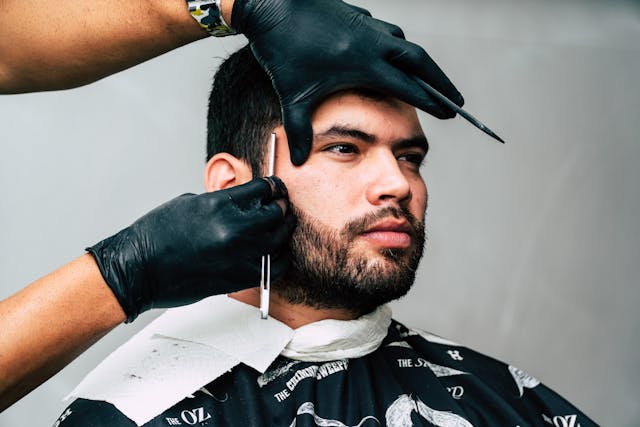
Hairlines and density often change with age, and those changes alter how old a face appears at a glance. Researchers have found that hair density peaks early and begins to decline shortly afterward. However, modern grooming counters those shifts in multiple ways. For example, fades, texture, and strategic volume can frame faces more youthfully. Additionally, treatments like minoxidil and finasteride can slow pattern hair loss. These little details matter as they subtly nudge observers to perceive people as younger than they are. However, as we noted earlier, a new style that makes you look young one day may make you look dated once that style is no longer in fashion. This shows us how much our perception of age is not always objective, but based on certain subjective cues that affect our outlook.
Read More: Eat These 10 Foods to Fight Aging From the Inside Out
Modern Cameras and Filters

There’s no denying the fact that cameras have improved over the years, as has the software that accompanies them. This means that we can now create high-resolution images where every detail is portrayed in sharp detail. Many old cameras may have created darker shadows, increasing the appearance of the lines and creases on the face. However, modern cameras can also make all of those wrinkles, big pores, pimples, and skin damage much more apparent. Yet, one thing we have today that did not exist in our parents’ day is Photoshop and filter apps.
It is important to remember that much of our perception of age and beauty standards is depicted to us by the media, and visual media is easy to touch up. Even if models do have imperfections, they are likely to be edited out, presenting a false representation of what most people really look like. Most social platforms now offer built-in beautification by default, and these filters can smooth, brighten, and reshape features in milliseconds. Surveys and studies show widespread filter use, especially among younger users. Many teens and young adults report using filters before posting their pics to social media. Researchers now track how beautifying filters are affecting our body image and satisfaction.
Lower Biological Age

Biological measures show real changes in aging patterns, and researchers have examined large national health surveys across decades. They built composite scores from blood pressure, cholesterol, lung function, and lab markers. These scores estimate “biological age” rather than simple birthdays, and the results of their findings were quite remarkable. In a 2018 paper by Morgan Levine and Eileen Crimmins, they analyzed over 21,500 adults from two U.S. NHANES surveys. Those nationally representative surveys include interviews, exams, and blood tests. They wanted to find out whether Americans’ biological age changed between 1988 to 1994 and 2007 to 2010.
People measured in the late 2000s looked biologically younger than similar ages in the late 1980s. The difference was largest in older adults, but was present across all of the groups. On average, bodies were aging more slowly in later periods. Scientists call this a shift in morbidity and mortality risk profiles. These improvements interact with the previously mentioned lifestyle changes, like sun protection and exercise. They found that trends in smoking, obesity, and medication use explained a chunk of the differences. Fewer smokers helped biological age drop, and the wider use of effective drugs, like blood-pressure and lipid-lowering agents, also contributed.
What Will the Next Generation Think of Ours?

Each generation later looks back and is surprised by the previous generation’s style choices. The fades and middle parts that feel modern today will soon look dated and amusing. Eyebrow shapes will change again, and denim cuts will swing back and forth. Teenagers in the future will probably laugh at our favorite selfie angles and filters. Beneath those shifting trends, biology will still shape how faces age and look. If smoking remains uncommon, air gets cleaner, and sunscreen stays routine, our faces will benefit. Dentistry, dermatology, and hair science are advancing and will continue to offer better options. Additionally, access to affordable, evidence-based care matters for healthy aging in every community. It is not just about looking younger, but feeling younger inside, too. Youth and aging are not just skin deep; they are based on the everyday choices we make.
Disclaimer: This article was created with AI assistance and edited by a human for accuracy and clarity.
Read More: This Common Supplement May Slow Aging, But Experts Urge Caution