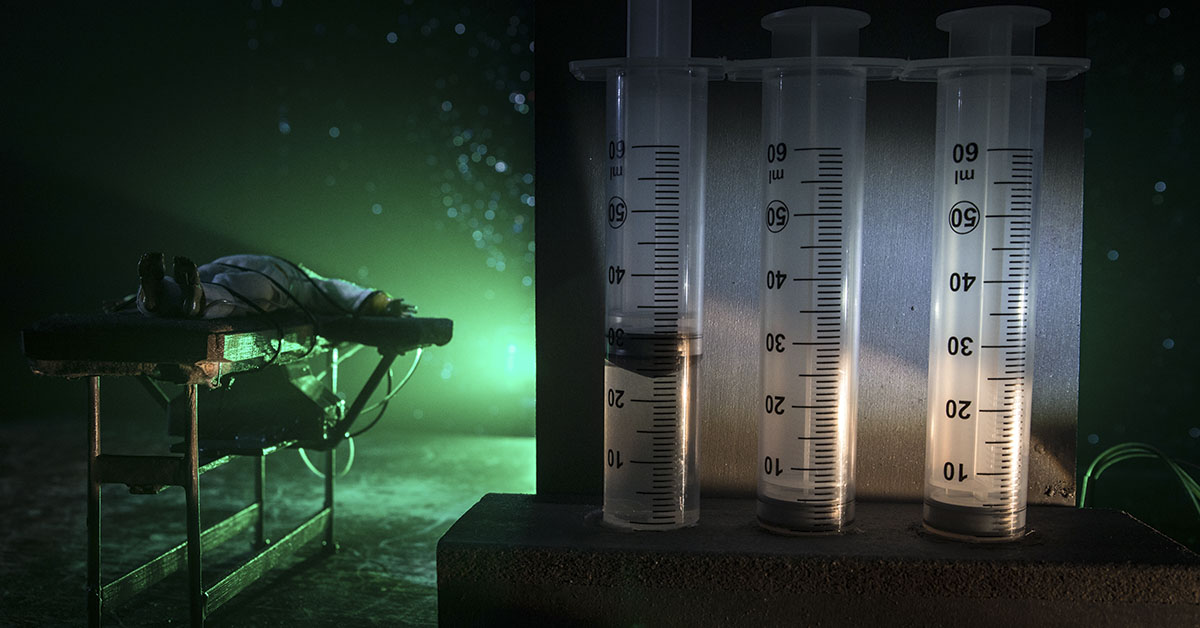

A woman facing execution in Tennessee could soon make history for all the wrong reasons. Christa Gail Pike, convicted of a brutal 1995 murder, might become the first woman executed in the state in more than two centuries. What makes her story even darker is that she could choose to die in the electric chair instead of by lethal injection. As her case moves forward, Tennessee once again sits on the edge between justice and something that feels much harder to define.
The Crime That Shook Knoxville
Back in 1995, Christa Pike wasn’t a name anyone knew. She was just an 18-year-old girl studying at the Job Corps Center in Knoxville, trying to make something of herself. That’s what the program was supposed to do, help young people find jobs, build skills and stay out of trouble.
But for Pike, things took a different turn. Along with her 17-year-old boyfriend, Tadaryl Shipp, and their friend, Shadolla Peterson, she made a plan that would change her life forever. Their victim, 19-year-old Colleen Slemmer, was a fellow student. Pike thought Colleen was flirting with her boyfriend, and jealousy started boiling until it turned into something much worse.
They told Colleen they wanted to talk things out, maybe make peace. Instead, they lured her to a wooded area near the University of Tennessee. What happened there was beyond anything anyone could’ve imagined. According to investigators, Colleen was beaten, stabbed, and bludgeoned for nearly 30 minutes before she finally died.
A pentagram was carved into Colleen’s chest, and Pike later bragged that she kept part of her skull as a trophy. When a groundskeeper found the body, he first thought it was an animal because it was that unrecognizable. Within 36 hours, the three were in handcuffs.

A Cold Confession
When police brought Pike in, she didn’t try to hide what she had done. She confessed, saying the plan was only to scare Colleen, but that things got out of hand. She said it calmly, almost casually, which only made detectives more uneasy.
Prosecutors said this wasn’t a fight gone wrong; it was planned. The evidence backed them up. They had Pike’s confession, the physical evidence, and witnesses who said she bragged about it afterward.
The jury didn’t take long. On March 22, 1996, Pike was found guilty of first-degree murder and conspiracy. At just 20 years old, she became the youngest woman facing execution on death row in the U.S. Her boyfriend, since he was still a minor, got life in prison. Peterson, who helped but later cooperated, got a shorter sentence and was released years ago.
Almost Three Decades on Death Row
Pike’s life behind bars hasn’t been quiet. She’s been in and out of trouble since day one. In 2001, she tried to strangle another inmate with a shoelace. Guards stopped her just in time.
Her lawyers say she’s mentally unwell, and maybe they’re right. They’ve described her as deeply traumatized, someone shaped by years of abuse and neglect. Reports from psychologists say she suffers from post-traumatic stress disorder and borderline personality disorder.
Still, her appeals have been unsuccessful. Tennessee courts have denied every request to overturn her sentence. Each time, they point to the brutality of the crime as the reason she should face the punishment she was given.
So now, at 49, she’s still waiting, the only woman facing execution in the state, and maybe the only one who can choose how she’ll die.
The Electric Chair Option
Most people assume executions in America happen by lethal injection. That’s true in Tennessee too, but there’s a twist. If your crime happened before January 1, 1999, you get a choice. You can ask to die by electrocution.
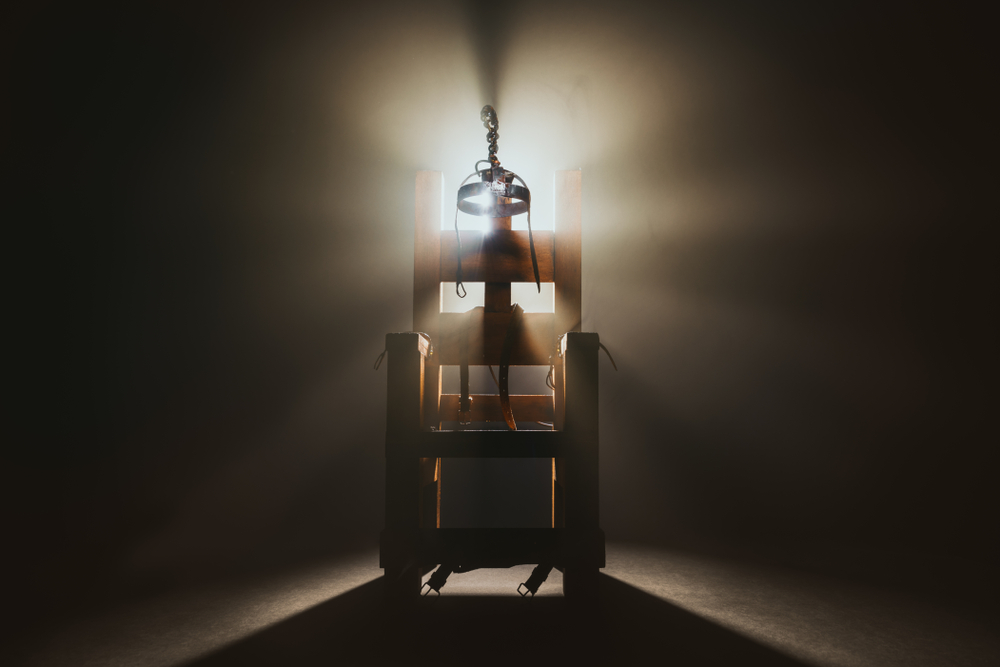
Pike could choose the electric chair, a device many people thought was long gone. It’s still legal in Tennessee, and it’s been used in recent years. In 2018, two inmates, Edmund Zagorski and David Earl Miller, both picked electrocution instead of injection. They said it was faster and less painful.
The chair, called Old Smokey, delivers up to 2,400 volts through the body. Some call it quick justice. Others call it torture. The state says it’s a legal backup if lethal injection is ever ruled unconstitutional or if the drugs can’t be obtained.
And if both are ruled illegal, then Tennessee law allows any constitutional method of execution. That line means almost anything could happen if the courts start overturning one method after another.
If Pike goes through with her execution, and she chooses the chair, she’ll be part of a chapter in U.S. history that most people hoped was closed.
Trouble With Tennessee’s Death Penalty
Tennessee has had a rocky relationship with the death penalty in recent years. In 2022, Governor Bill Lee stopped all executions after an investigation found serious mistakes in how the state tested lethal injection drugs. For nearly two years, no one was executed while the process was reviewed.
By 2024, the state announced a new single-drug system using pentobarbital. But that caused another legal storm. Lawyers for inmates argued the drug can make people suffer before they die, violating constitutional rights. Several lawsuits are still ongoing.

Image credit: Shutterstock
Even with the controversy, the state restarted executions in 2025. The first one was Oscar Smith, put to death by lethal injection. It was the first execution in five years, and it reignited debate over whether capital punishment still belongs in modern America.
Now, with Pike’s name next in line, the focus has turned to her. The woman facing execution is more than just a name on a list. She’s a test case for how Tennessee plans to move forward with the death penalty amid all the chaos.
The First Woman in Two Centuries
If her execution goes ahead, Pike will be the first woman executed in Tennessee since before it joined the United States. That’s more than 200 years ago. It’s hard to even imagine what life was like the last time that happened.
Since 1976, only 18 women have been executed in the entire country. Compare that to over 1,500 men, and you can see how rare it really is. Women make up less than two percent of all death row inmates.
Courts usually take gender, age, and mental health into account when sentencing. But in Pike’s case, the cruelty of what she did left little room for mercy. For many people in Tennessee, her name still brings up memories of one of the most horrific murders the state has ever seen.
Read More: Colorado Family Wins $205 Million After Child Falls 110 Feet to Her Death at Theme Park
The Fight for Clemency
Pike’s defense team hasn’t stopped fighting. They say she should never have been sentenced to die, that she was a traumatized teenager influenced by her boyfriend and her environment. They argue she deserves life in prison, not death.
Psychologists who’ve studied her agree that she’s mentally fragile. They describe her as damaged by years of abuse and neglect. Her attorneys believe that killing her won’t bring real justice, only more tragedy.
Governor Lee has the power to grant clemency and reduce her sentence, but so far, he hasn’t indicated any plan to do so. Time is running out, and her legal team is pushing harder than ever.
The Bigger Question
Tennessee’s death penalty debate isn’t new, but Pike’s case has brought it back into public conversation. Supporters of the death penalty say it’s justice served, especially in cases as cruel as this one. They believe some crimes are simply beyond forgiveness.
Opponents say otherwise. They call it an outdated and flawed system. They point out how expensive executions are, how inconsistent sentencing can be, and how mental health often gets ignored.
Across the country, attitudes are changing. Many states have stopped executions altogether. But Tennessee remains one of the few that still goes through with them. For the woman facing execution, that divide might be the difference between life and death.
What Comes Next
The Tennessee Supreme Court has set Pike’s execution at the Riverbend Maximum Security Institution in Nashville on Sept 30, 2026. She’ll have to decide how she wants to die. Her lawyers are still appealing, arguing that the lethal injection process is unconstitutional and that her mental health should spare her life.
Whether the courts agree remains to be seen. If her sentence is carried out, Pike’s story will become part of history, not just for what she did, but for how Tennessee chose to end her life.
Closing Thoughts
The story of Christa Gail Pike is a haunting one. It started with jealousy and ended in a killing so brutal it still shocks people decades later. Now, as she waits for what might be her final days, her case continues to raise uncomfortable questions about the legal system.
Maybe some see her death as the closure that’s long overdue. Others see it as another act of violence that won’t heal anything. Either way, the woman facing execution has forced Tennessee and the rest of the country to look closely at what it really means to take a life in the name of justice.
Read More: Inmate Requests Rare and Grueling Execution Method Not Seen in Over a Decade