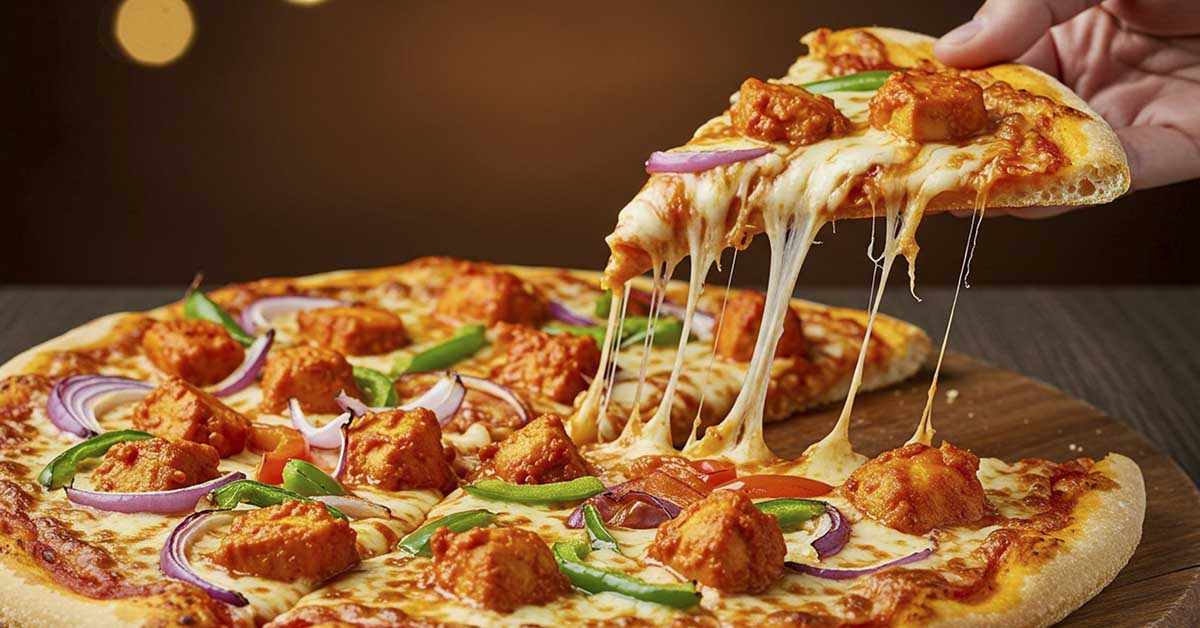

What are the junk foods that harm the brain the most? New studies revealed the most harmful foods for brain health, and we are here to share their findings. So, what is the connection between brain health and diet? Well, in the newest analysis published in The American Journal of Clinical Nutrition, researchers asked a specific question about diet and changes in our ability to think with age. Instead of treating all ultra-processed foods as the same, the authors split them into practical subgroups.
They then followed thousands of older Americans for up to seven years. Every two years, participants completed short tests that track memory and attention. Diet was measured with a validated questionnaire, and foods were sorted with the NOVA system. They found that total ultra-processed intake did not drive the signal in this dataset. Yet ultra-processed meat products and ultra-processed beverages did. Each extra daily serving in those categories was associated with a higher chance of cognitive impairment during the study window. This result does not prove causation, yet it narrows the targets we can all strive to modify this week.
The AJCN Study
The researchers examined 4,750 people who were 55 or older. These folks are part of a big project that tracks aging Americans over many years. Everyone filled in a detailed food survey at the start. It asked how often the participants eat common foods, so that the researchers can estimate the typical intake. Then the team sorted foods by a system called NOVA. It groups foods by how industrially processed they are. However, they did not stop there. They also split ultra-processed foods into nine smaller categories. That helps avoid lumping very different products together. Every two years, from 2014 to 2020, people did short brain checks.
So, what did these tests involve? Think of quick memory tests, like recalling words instantly and then again later. There is also counting backward and the serial sevens subtraction task. These simple tasks do a decent job of tracking any changes in how we think with age. The researchers watched to see who developed any evident thinking issues over time. To analyze risk, they used a standard statistical model. In simple terms, it estimates how much risk changes with each extra daily serving. They ran that model for each ultra-processed category. This design lets the real patterns pop out that a single umbrella label might hide.
Ultra-processed Foods and the Importance of NOVA
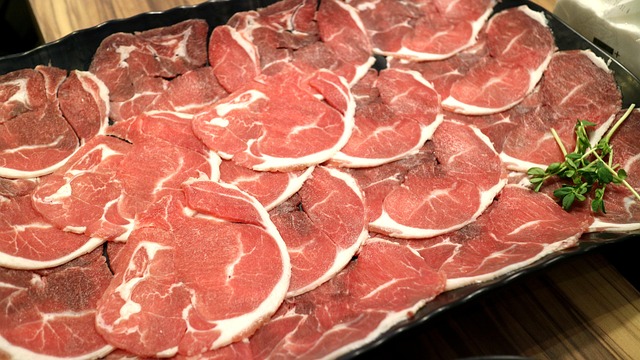
Image Credit: Pixabay
Think of NOVA as a way to sort foods by how many factory processing steps they’ve been through. Group 4 is the heavy hitters. These are the “ultra-processed” foods with extras you don’t keep at home, like artificial flavors, colors, and emulsifiers that make textures smooth. People use NOVA a lot because it gives everyone the same language. Scientists still argue about the edges, though. Some foods in this group are junky and pack lots of sugar, salt, or calories.
Others sneak in some fiber or added vitamins, which makes blanket rules tricky. Here’s the catch, though. If you lump all ultra-processed foods into one category, the picture becomes very blurry. Good and bad items can cancel each other out in the data. That’s why the new study split ultra-processed foods into smaller categories first. It helps reveal which types actually line up with worse brain outcomes. If you ever want to go deeper, there are clear explainers from the FAO and academic overviews. They show where NOVA works well, where it’s messy, and how different countries’ food systems affect results.
The Results of the Study on Junk foods that Harm the Brain
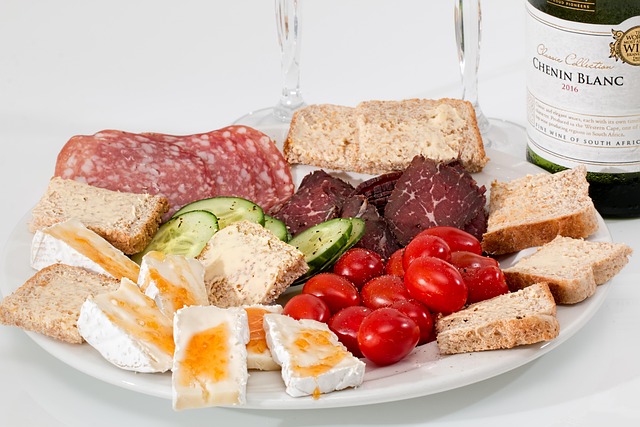
Over the years that they watched this group, around 1,363 people developed real cognitive problems. Now, here’s the useful part. When they split junky foods into smaller types, two stood out. Eating one extra serving a day of ultra-processed meats was linked to a 17% higher risk. One extra serving a day of ultra-processed drinks, like sodas and sweet teas, was linked to about a 6% higher risk. The rest of the ultra-processed foods did not show a clear signal in this study.
That includes sweets, spreads, chips and salty snacks, grain-based packaged foods, dairy-based desserts, ready meals, and a leftover “other” bin. Also, when they lumped all ultra-processed foods together, the total score wasn’t tied to a higher risk. That sounds weird at first, but it makes sense. Mixing better and worse products in one pile can cancel the effect. For the consumer, this means you do not need to panic about every packaged food. Aim your efforts at two easy targets first, namely processed meats and sugary drinks.
The Brain Health and Diet Connection

The study didn’t test biology, so we can’t say what exact thing harms the brain. Still, there are some solid clues. Processed meats often use nitrites or nitrates to keep color and flavor. In your body, those can turn into N-nitroso compounds. Scientists worry about those because they can damage DNA in lab tests. How you cook the meat also matters. Very high heat, like pan searing until smoky or grilling until charred, can create extra chemicals. You may hear names like heterocyclic amines or PAHs. While the names may sound scary, the idea is pretty simple. Lots of smoke and char can add compounds that are rough on cells.
Then there are the everyday factors. Many processed meats are salty and high in saturated fat. Over time, that combo pushes up blood pressure and strains blood vessels. When blood vessels take a beating, the brain eventually feels it. Small vessel disease is a huge driver of cognitive issues later in life. None of this proves that processed meat directly causes memory loss. It just shows a believable chain from meat processing and cooking, to blood vessels, to brain health. That is why the link in the study makes sense, even if it is not final proof. If you want a simple rule, keep processed meats as an occasional thing. Cook gently, avoid heavy charring, and pile more plants on the plate.
The Effect of Ultra-Processed Beverages
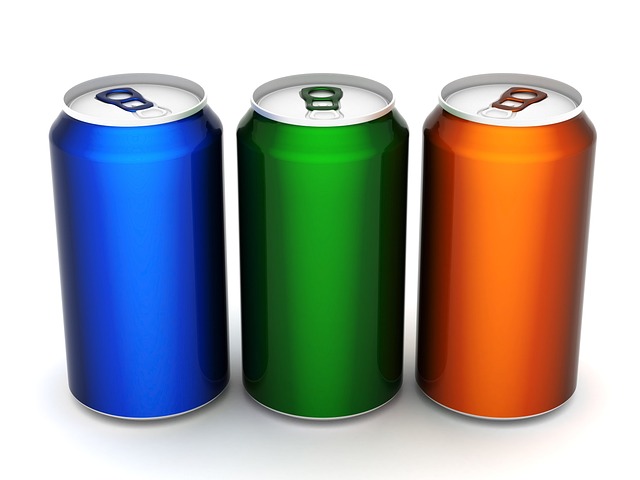
Sugar-sweetened beverages are a leading source of free sugars in many countries. Regular intake is consistently associated with weight gain, type 2 diabetes, fatty liver disease, and cardiovascular disease. These conditions increase dementia risk through metabolic and vascular pathways that stress small vessels and brain networks. The World Health Organization recommends limiting free sugars to below 10% of energy. It suggests an additional benefit below 5% for some populations. People can move toward these targets by replacing sodas and sweetened teas with water, plain coffee, or unsweetened tea. Artificially sweetened beverages are complex because changing health behaviors can confound associations. The AJCN study did not separate sweetener types within its beverages category, so the signal likely reflects mixed products. Even so, shifting drink habits fits national guidance and remains a practical step for most adults.
Why was Total Ultra-Processed not Significant?
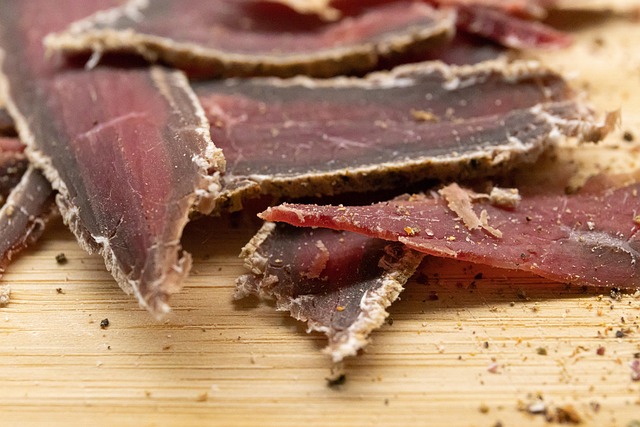
People expect one big score for “ultra-processed” to predict brain issues. In this study, it didn’t. That tells us something important about the measurement. One giant bucket mixes very different foods together. Some packaged foods still bring fiber or added vitamins. Others are loaded with sugar or salt and not much else. When you average them all, the good and bad can cancel out. The food survey adds another wrinkle. It estimates usual intake, but brands and recipes vary, so some items get misclassified. That kind of noise usually weakens links in the data. Plus, the U.S. food scene is not the same as other countries. Different products and processing rules can shift results across studies. None of that undermines the two clear signals here. Processed meats and sugary beverages still stood out. The lesson is to get specific in both research and advice. Break the big category into parts, then act on the parts that matter. That is how you turn messy labels into simple, sustainable changes at home.
Strengths and Limitations
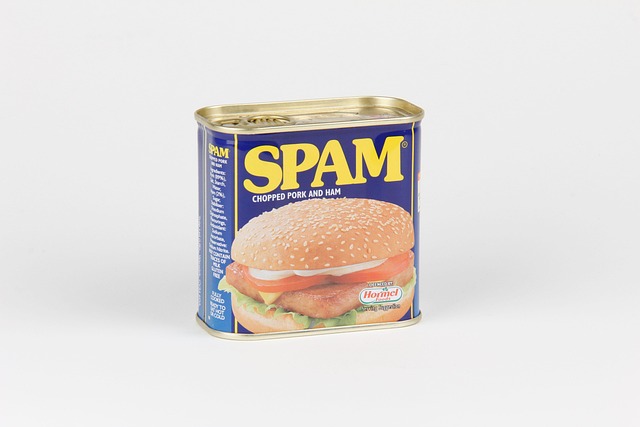
One big plus is the HRS itself. It’s a long-running U.S. study that researchers trust for aging questions. Their brain checks are simple but solid. People do quick word memory tests, both right away and after a delay. They also do serial sevens and count backward. These tasks track memory and attention pretty well. They also predict who is more likely to struggle later. Another strength is how the team split ultra-processed foods into smaller buckets. That makes the results easier to read and use. You can see which types are linked to trouble, not just the whole pile.
There are limits, though. This is an observational study, so hidden factors can still sneak in. The food survey estimates typical intake, but it cannot capture every brand or cooking method. NOVA is useful for big-picture research, yet people still argue about where some foods belong. Also, “cognitive impairment” here is a study definition. It is not a doctor’s diagnosis of Alzheimer’s. These findings are strong enough to guide smart diet tweaks now. Cutting back on the riskiest categories makes sense while we wait for more trials. If you want to dig deeper, the HRS manuals and data notes are public. Anyone can check how the tests work and how the scores are built.
Eating for Brain and Heart Health
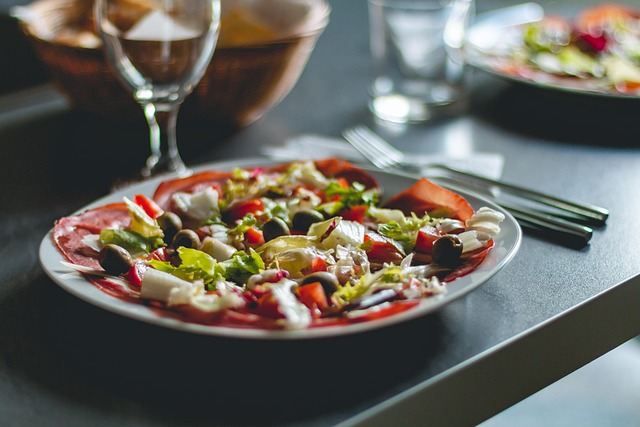
You can support brain aging without chasing expensive products or restrictive rules. The MIND dietary pattern blends Mediterranean and DASH elements. It emphasizes leafy greens, beans, whole grains, berries, nuts, olive oil, and modest fish. It also limits processed meats and energy-dense sweets. Several cohorts link higher MIND adherence with slower cognitive decline and lower Alzheimer’s risk. However, the first randomized MIND trial did not show a cognitive advantage over three years.
Participants still achieved weight and blood pressure improvements. This mixed picture argues for a practical stance at home. Use the MIND pattern as a helpful template while trials evolve. Fill most meals with plants, pick unprocessed proteins, and treat processed meats as occasional. Replace sugary drinks with water or unsweetened alternatives that you enjoy. These steps fit national aging advice and align with the new subcategory signal. Talk with a clinician if you manage diabetes, kidney disease, or complex conditions.
Read More: 7 Ultra Processed Foods That Aren’t as Unhealthy As You Think
Applying the Findings in Your Own Life

Change sticks when it fits your life, not someone else’s. Pick one easy win this week and do it daily. If you grab cold cuts every lunch, switch to cooked chicken you slice at home. Tinned fish in olive oil works great on toast or salad. A quick chickpea mash with lemon and herbs is fast and cheap. Make your kitchen help you. Keep canned beans, frozen veg, and a bag of whole grains within reach. When you are tired, those turn into dinner in fifteen minutes. Batch-cook a pot of grains on Sunday, then scoop some into meals all week.
Let’s tackle drinks next. Save sodas and sweet teas for true treats. Fill the fridge with sparkling water, tea, or plain coffee. If you miss sweetness, add a splash of 100% fruit juice to bubbly water. Confidence grows with practice. Simple recipes build momentum and make healthier choices automatic. Local cooking classes can speed this up and make it fun. Community centers, clinics, and university extensions often run short courses. You will learn knife basics, seasoning, and how to plan a week without stress. Keep your expectations realistic. Studies show people cook more, eat more plants, and feel in control. Metabolic numbers can take longer, so give it time. Batch-cooking, repeating easy meals, and having a “lazy night” plan all help. The goal is fewer ultra-processed meats and fewer sugary drinks, most of the time. If you do that, your future self will thank you.
The Road Ahead
What happens next is pretty simple. Other teams should repeat this in different places to see if the meat and drink signals hold. We also need trials that actually ask people to cut those two targets. Then we can measure whether memory, blood pressure, or blood sugar improves in real life. Researchers should also capture the details more carefully. Additives, sweetener types, and cooking methods can change the picture a lot. Swapping foods in is different from just saying no, and it usually sticks better. Replacing daily cold cuts with beans or cooked chicken may work for the long haul.
Clinicians can fold this into routine visits without alarm. Gentle nudges help more than strict rules. Begin with processed meats, then clean up sweet drinks. Dietitians and community groups can fill gaps with practical support. Short cooking classes, grocery walk-throughs, and simple weekly plans make new habits easier. Policy can smooth the path as well. Clear sugar guidance and honest meat labels make choices easier in the aisle. None of these claims we know everything. It says we know enough to begin. Scientists will keep tightening the evidence while people try realistic swaps now. That is how research becomes a daily habit you can actually keep.
Disclaimer: This article was created with AI assistance and edited by a human for accuracy and clarity.