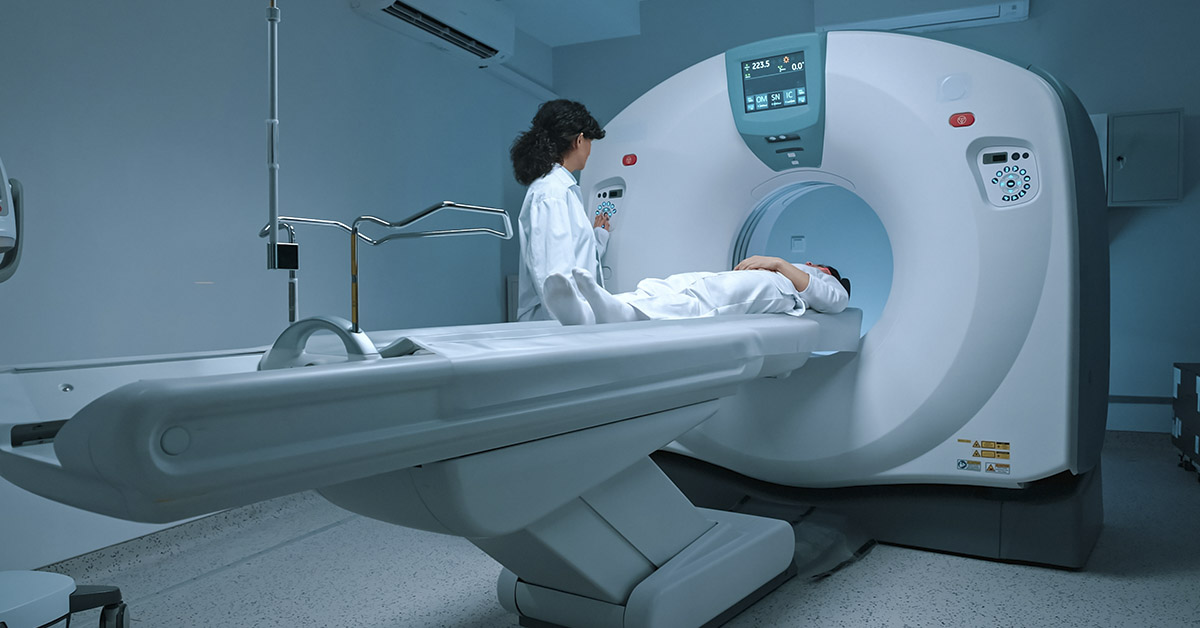

A CT (computed tomography) scan is an imaging test that assists doctors in detecting various diseases and injuries. These advanced X-rays provide healthcare practitioners with a detailed look inside your body, allowing them to see what is happening in your soft tissues and bones. While these tests are noninvasive and painless, researchers have warned of potential CT scan risks. These CT scan side effects include a potential increased risk of developing cancer. So, how are CT scans linked to cancer, a technology typically used to find the disease in patients? Is it worth using if the technology can increase the risk of developing a disease you are trying to treat? Let’s dive into these questions below.
CT Scans Linked to Cancer
According to a new study, CT scans may account for around 5% of cancer diagnoses every year in the future. However, it is not the first study to indicate these potentially dangerous CT scan risks. In fact, researchers have long been aware of the fact that CT scans expose people to ionizing radiation, which is known to cause damage to DNA. While some of this damage can be repaired, some of it remains and results in cancer. However, these CT scan side effects are often overlooked, which is what drove a research team to examine the effects for themselves. The team was led by a professor of epidemiology and biostatistics at the University of California, San Francisco School of Medicine, Rebecca Smith-Bindman, MD.
Previous Research on CT Scan Risks
Prior studies had already set out to quantify how regularly the use of CT scans resulted in a cancer diagnosis. However, as the use of this technology has grown increasingly prevalent, these estimates are now outdated. In fact, one study has indicated that CT scans are typically used around 30% more than they were back in 2007. But what is driving this increase in use? Well, according to the study, it is driven by factors such as changes in healthcare practice, an aging population, and advances in technology. The author of the study noted that patients often also ask for unnecessary extra tests. Additionally, she added that “It’s often easier for a physician to order a test than it is to spend time with a patient figuring out what’s going on.”
Working out a Current Estimate
To work out a more accurate estimate, the researchers examined the data of around 93 million CT scans that were undertaken on 61 million Americans in 2023. The team then used a range of data sources to work out the sexes and ages of the patients, as well as the type of scan and radiation dose each received. A risk calculator created by the National Cancer Institute was then used to estimate the percentage of future cancer diagnoses potentially resulting from these scans. According to their estimates, around 103,000 cancer cases would result from CT scans, affecting organs such as the bladder, breasts, colon, and lungs. Based on current numbers, CT scans will eventually result in around 5% of cancer diagnoses annually.
Limits of the Study
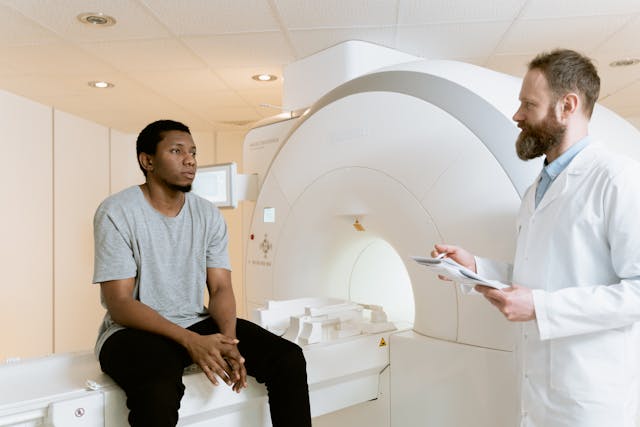
While 5% may not seem like much, it equates to a considerable number of cases. In fact, according to the study’s author, “Well-known cancer risk factors, like obesity and alcohol consumption, are responsible for roughly as many diagnoses.” However, according to critics of the study, such as an associate professor of medicine at Stanford University, Patricia Nguyen, MD, these numbers were not based on actual patients, but mathematical models. Furthermore, she added that it was “a bit of a reach” for the team to conclude that any one single risk factor could cause a specific percentage of cases. She felt this was especially true when the results were based on a modelling study.
Read More: Woman’s Inoperable Brain Tumor Responds Rapidly to New Cancer Treatment
CT Scan Risks
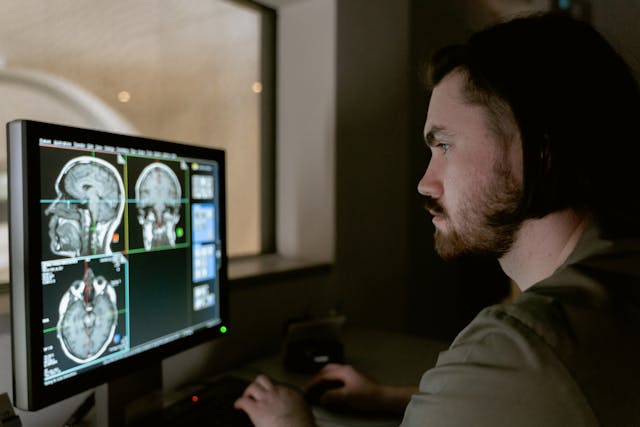
However, Nguyen went on to add that, as with many medical procedures, these scans are not without their risks. Therefore, it is important that patients and their doctors work together to determine whether the benefits outweigh the CT scan side effects. Additionally, there are many cases where a CT scan is necessary, such as if someone is in a traumatic accident. In this case, the CT scan will rapidly inform doctors whether there are any life-threatening injuries. CT scans are also often vital for disease monitoring and guiding surgeries.
Alternatives to CT scans
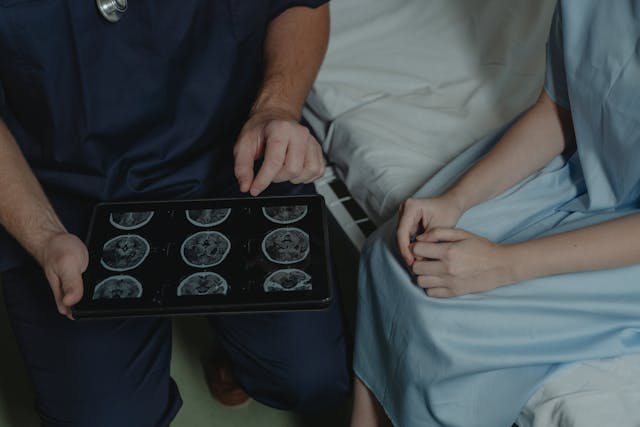
There are, however, cases when the patient may be able to choose an option that doesn’t include radiation exposure, such as an ultrasound or magnetic resonance imaging (MRI). Patients should also inquire from their practitioners whether the CT scan is necessary, what they hope to learn from it, and if the results will influence treatment. If a radiation-free alternative is not available, then a CT scan may be required. The study’s author added that “One way to reduce the risk of cancer is to reduce unnecessary tests. The second way is to reduce the radiation doses for each scan.”
Individuals Most at Risk

If the patient is a child, it’s important for the parents to ask questions on their behalf. According to the study, the younger the patient is, the greater the cancer risk after getting a CT scan. Additionally, it found that if babies were scanned before their first birthdays, they were 10 times more likely to subsequently develop cancer than older individuals. However, adults typically undergo more scans; therefore, they account for a larger percentage of the projected cancer diagnoses. In fact, they account for around 93,000 of the estimated 103,000 cases.
The Bottom Line
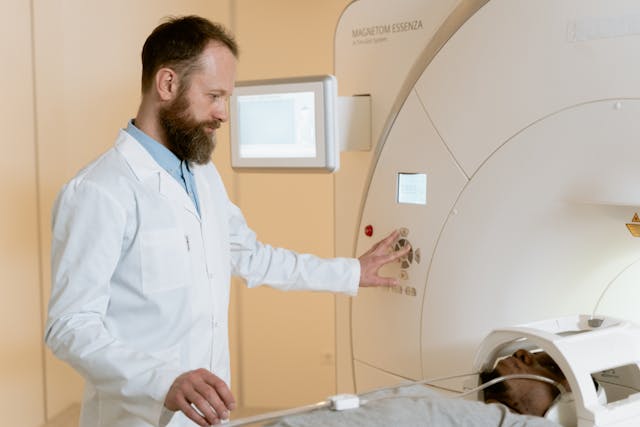
While the study may raise questions and fears regarding CT scan risks, it’s important to remember that this technology is operated by highly trained physicians and radiologists. These experts have been trained to assess all the risks and benefits involved and make the right choice for the patient. They are required to be aware of the unique characteristics of the patient and know their medical history. Yet, many medical treatments come with side effects, so it’s best to first check if there are any radiation-free options available to you.
Read More: Rare But Deadly Skin Cancers That People Often Overlook