
Aging is one of those things that sneaks up on you even when you think you are too young to care about any of it. It starts quiet, then it becomes loud. If you have ever wondered what happens when you age, the answer is honestly not simple. You deal with a mix of physical changes with age, emotional shifts, and mental changes with age that feel both strange and familiar. And you also learn a few things about life that you never noticed when you were younger.
In the end, the aging process is a mix of challenges and small victories that shape how your mind and body changes with age over time.
Your Body Starts A Long Slow Makeover
Your body does not age in one moment. It happens in many small steps that you notice only when you think back and go, wow, I used to do that easier. Every system updates itself at a different pace. That is just one of the signs of aging that no one escapes.
Your Heart Has To Work A Little Harder
When you get older your arteries stiffen. They do not stay as stretchy as before. Your heart needs to push blood through a tighter path, so it has to work harder to keep things moving. You might feel this during exercise because you may not hit the same intensity that you once did.
But even so, your heart still gets stronger with training. Regular movement can help. Walking, swimming, or steady workouts support your cardiovascular health. This part of what happens when you age can slow with good habits.
Your Lungs Gradually Become Less Efficient
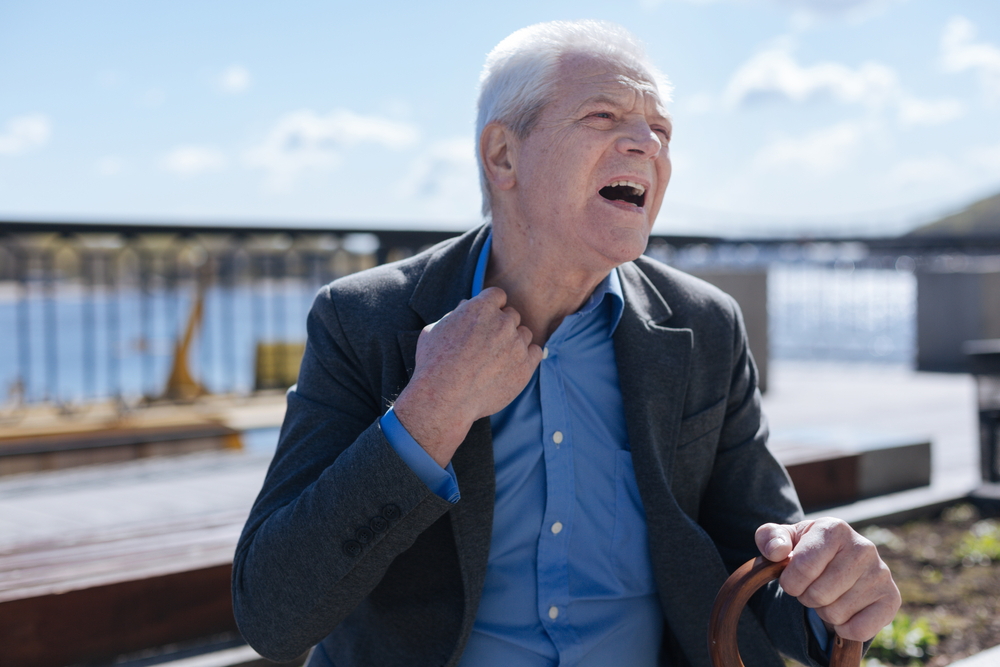
As you age, your lung capacity slowly decreases. The muscles that help you breathe weaken, and the airways may feel a bit tighter than before. You might notice you lose breath slightly faster when climbing stairs or walking uphill. This does not mean your lungs stop working well; it just means they need a little more support. Light cardio, brisk walking, or anything that keeps the chest expanding helps improve comfort and keeps your lungs working smoothly.
Your Bones Lose A Bit Of Their Strength
Bone density drops as you grow older. It is natural. Women are more affected after menopause because estrogen falls. You might shrink sometime later in life. Many people do not realize it until clothes fit different or someone else points it out.
Strength training and proper nutrition give bones a boost. Weight bearing exercise is powerful. It cannot stop changes, but it slows them enough to help you stay mobile.
Your Balance and Coordination Can Change
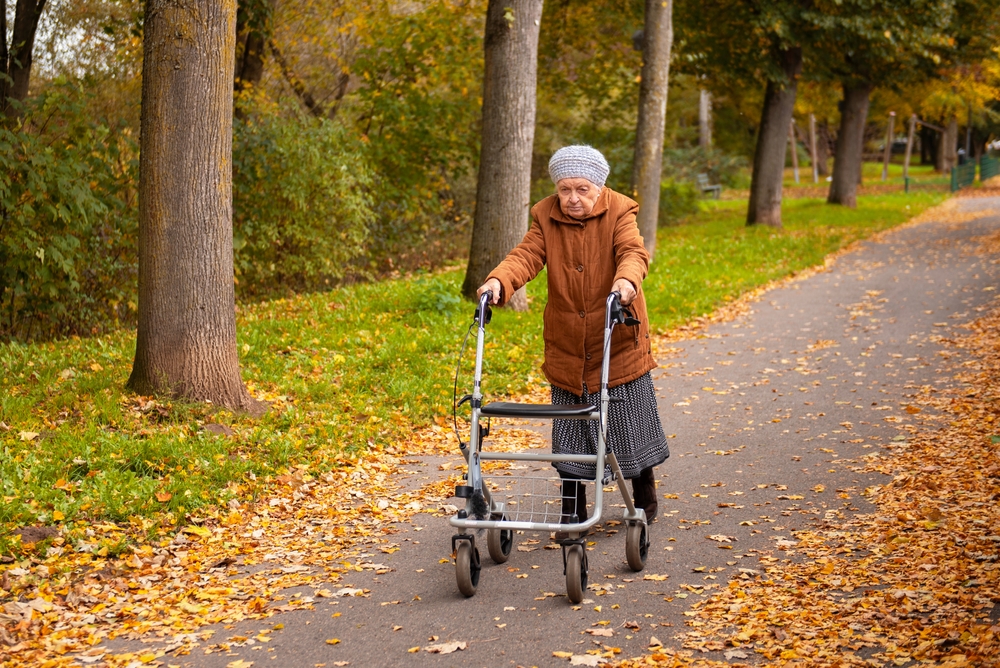
Balance changes often catch people off guard. The inner ear becomes less sharp, the leg muscles get weaker, and your brain processes movement slower than before. All of these small things create a bigger effect together, which makes you feel a bit unsteady sometimes.
Practicing balance exercises helps a lot. Simple movements like standing on one foot or walking in a straight line make a big difference. These exercises teach your body how to adjust and help prevent falls later on.
|Image credit: Shutterstock
Your Muscles Shrink
Muscle loss begins earlier than you think. Some people start losing muscle in their 30s. Later, the loss speeds up. This loss affects balance, strength, and energy. Experts call it sarcopenia, but most folks know it as that feeling of not being as strong as before.
Muscles still respond to training. Older adults gain strength faster than expected. They show improvement even in their 70s and beyond. Lifting weights or doing resistance exercises keeps your body steady.
Your Joints Will Get A Little Stiff And A Bit Noisy
Aging joints become less smooth. Cartilage thins out. There is less natural lubrication inside the joints, so movements feel rougher. You might hear cracking sounds. You might wake up stiff.
Movement helps. Light stretching or gentle mobility work keeps joints looser. The more you move, the easier they move. That is one part of how your body changes with age that you can partly control.
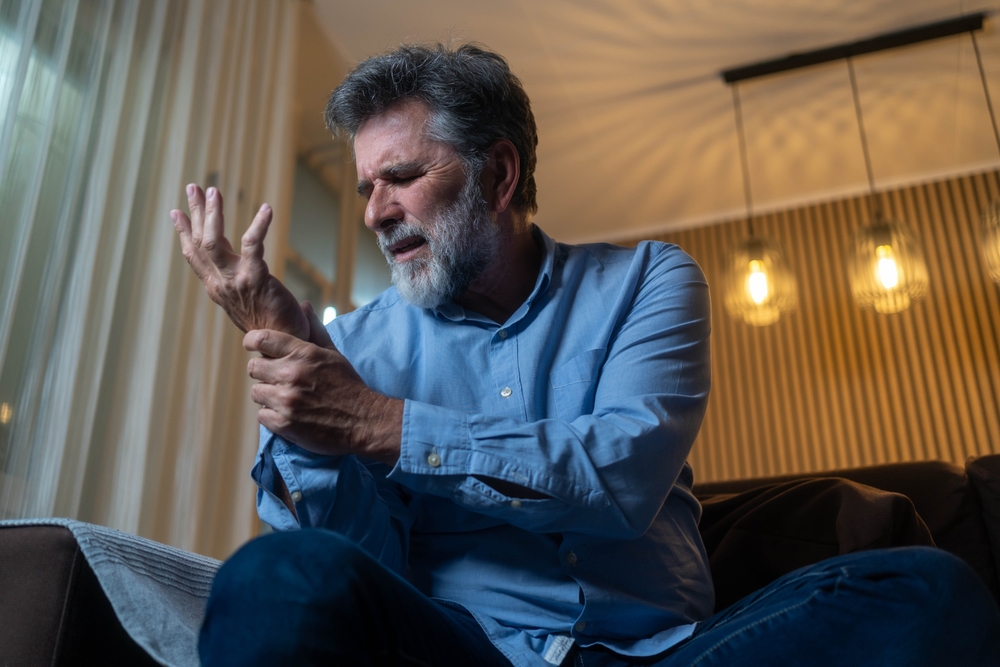
Image credit: Shutterstock
Your Digestion Slows Down And Acts Picky
Digestion changes too. Food moves slower in the intestines. Stomach acid decreases a bit. This is why constipation becomes more common as you age. Certain foods that used to feel fine may now feel heavy.
You can help by eating fiber, drinking water, and staying active. Your digestive system will not act the same as before, but these habits make things easier.
Your Metabolism Naturally Slows Down
A slower metabolism is another part of aging that many adults notice. The body does not burn calories as quickly as before because muscle mass changes, hormones shift, and activity levels sometimes drop. You may gain weight easier even when your eating habits stay the same.
This change is normal and not a sign that anything is wrong. You can support your metabolism by staying active, drinking water, and eating nutrient dense meals that give steady energy.
Your Senses Shift In Strange Unexpected Ways
Aging affects your senses in ways you might not expect. Some changes are subtle. Others feel more sudden, almost like they decided to happen overnight. Most people notice vision changes first, but the truth is that all five senses shift a bit as the years stack up. Sometimes these shifts feel annoying. Other times they feel harmless or even kind of interesting because you start experiencing the world in a slightly different way.
Vision
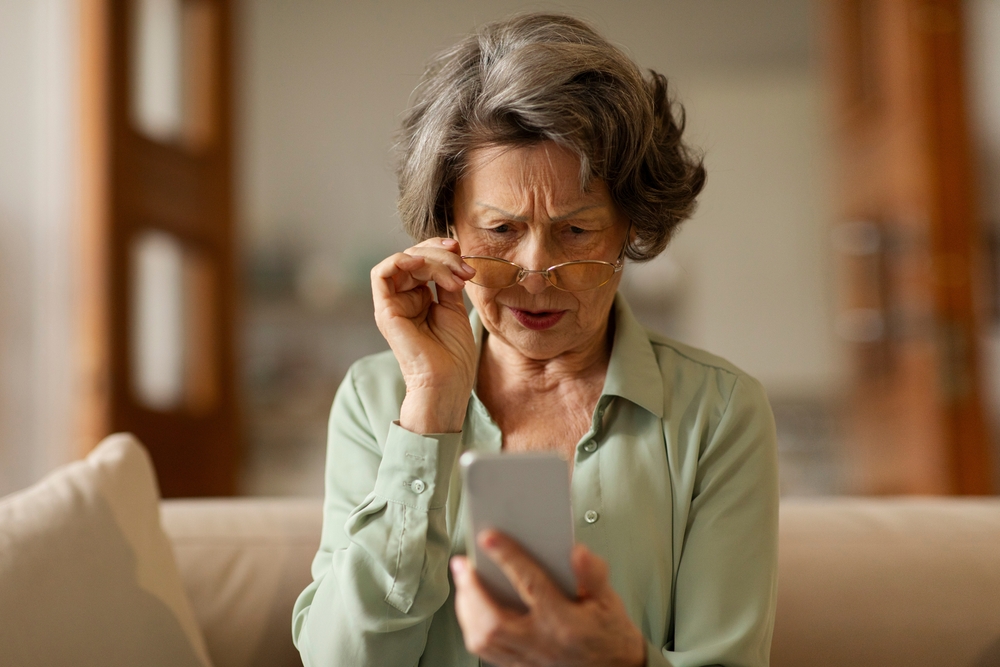
Reading small print becomes harder and you find you need more light. The lenses in your eyes stiffen and become cloudy. Night driving might feel uncomfortable and your eyes get tired easier. Many people begin carrying reading glasses in every room because they keep forgetting where the last pair went. This is normal.
Hearing
You may struggle to hear high pitched sounds. Restaurants seem louder. Conversations in crowds feel stressful and a bit messy. Some older adults turn the TV volume up more than they realize. Others lean forward during conversations because background noise gets in the way.
Taste And Smell
Taste buds weaken with age. Smells become softer. You might like sharper flavors now. Many older adults enjoy spicy food more because they can taste it better. Some people say food feels different, like it lost a tiny bit of personality, which changes how they season meals. A weaker sense of smell can also affect appetite, which is something many people do not expect.
These changes might sound alarming, but they usually happen slowly. And even though the senses fade a little, most people adjust without too much trouble. The mind learns to fill in gaps and you find new ways to enjoy things you used to take for granted.
Your Skin Tells A Long Story
Skin becomes thinner and drier over time. Wrinkles form because collagen drops. Sun exposure makes this happen faster. Age spots appear. Healing takes longer.
Moisturizing and sun protection help your skin age more gently. Hydration matters too. These steps do not erase aging, but they support a smoother process.
Your Hair Changes In Color Texture And Location
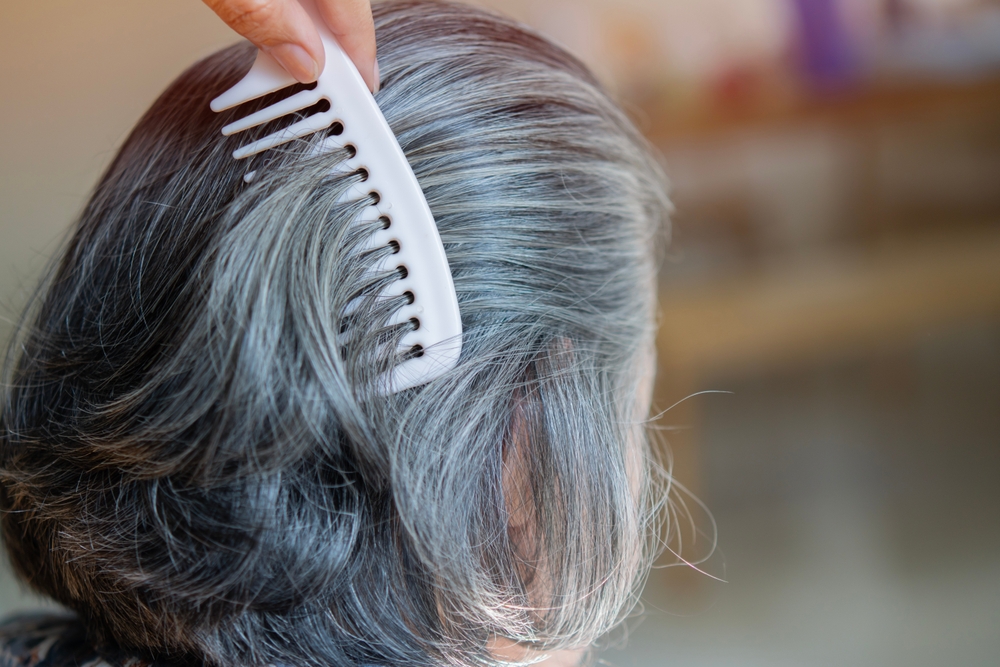
Hair loses pigment and turns gray. This happens at different ages for different people. Some hair becomes finer. Some becomes coarser. Thinning is common.
Sometimes hair moves, which is confusing. It leaves one place and appears in places you never expected. It is a strange part of the aging process but normal.
Your Brain Changes In Ways That Feel Surprising
Brain aging includes gains and losses. Not all of it is decline. Some abilities improve while others slow.
Your Thinking Speed Slows A Bit
Your brain processes information slower. You may forget small details sometimes. Names take longer to recall. Switching tasks takes more effort. These are common mental changes with age. But slower does not mean worse. Your intelligence does not drop, you just take longer to find the answer.
Your Wisdom Grows Even As Speed Drops
Crystallized intelligence, which is your lifelong knowledge, continues to rise. You notice patterns quicker, and understand people better. You tend to manage conflict more calmly. This increase in wisdom is one of the good parts of what happens when you age.
Your Personality Softens And Settles
Research shows that many older adults become calmer and kinder. They feel less anxious and have more patient. They avoid drama and tend to handle stress better.
This shift happens slowly. You stop caring about impressing strangers and value authenticity more. This part of the aging process feels comforting to many people.
Your Social Priorities Change On Purpose
Older adults pick quality over quantity. Friend circles get smaller. You focus on people who bring comfort. You avoid draining connections. Solitude feels more peaceful. This does not mean you withdraw. You simply manage your emotional energy with more care.
Your Sense of Belonging Becomes More Important
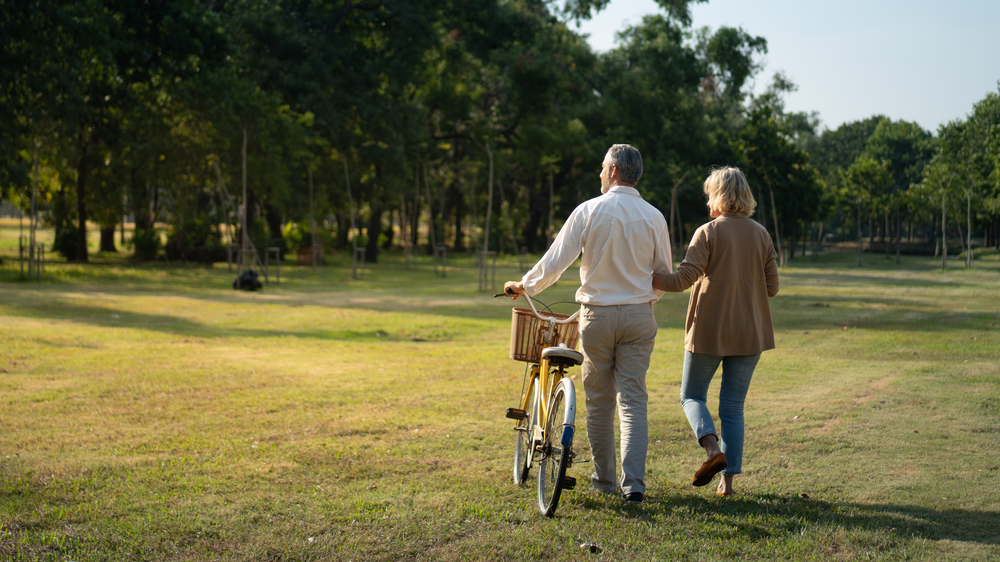
As you age, feeling connected matters more. You may want to spend time with people who truly understand you. You might join groups or community spaces that feel familiar and safe. This desire for belonging is normal because emotional comfort becomes a priority. Humans are wired for connection and older adults tend to value stable support more than large social circles. This shift helps protect mental well being and reduces loneliness.
Your Emotional World Gains Stability
Many people are surprised to learn that older adults often feel happier than younger ones. Emotional stability rises with age.
You Stress Less About Small Problems
As you age, you stop worrying about things that do not matter. You become better at letting things go. You know from experience that most problems are temporary. This shift makes life easier to manage.
Your Mood Might Become More Positive
Older adults often focus on positive memories more than negative ones. Gratitude increases and joy feels deeper. Ordinary moments feel meaningful. This is sometimes called the positivity effect. These emotions form another natural part of how your body changes with age, but in a psychological sense.
Your Emotional Triggers May Fade or Shift
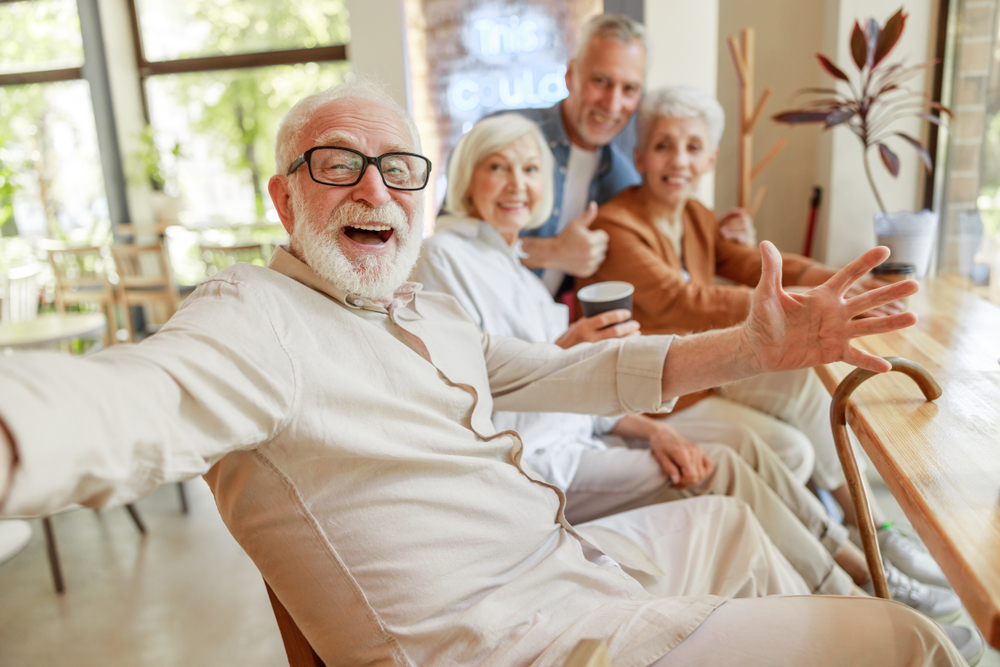
Things that bothered you years ago might not affect you the same way anymore. Emotional triggers soften with age because your perspective broadens. Life’s challenges look different when you have lived through enough ups and downs. You become less reactive and more thoughtful. This does not mean you never get upset, it just means you understand emotions better.
Read More: The ‘Simple’ Weekly Habit That Can Slow Brain Aging and Reduce Dementia Risk
Your Immune System Becomes Slower And More Fragile
The immune system weakens with age. You become more vulnerable to infections. Recovery takes longer. This is a serious part of what happens when you age and it is why vaccines become more important for older adults. Good sleep, nutrition, and movement support immune function.
Your Sleep Patterns Shift Even When You Wish They Would Not
Older adults often sleep earlier and wake earlier. They sleep lighter. They may wake up more at night. But many still feel rested. Healthy habits help. Things like morning sunlight, cool rooms, and consistent bedtimes support sleep.
Your Risk For Chronic Conditions Grows Over Time
Age increases your risk for several conditions. Heart disease, diabetes, high blood pressure, arthritis, and some cancers become more common.
But risk does not mean fate. Good habits improve outcomes. Exercise, social connection, mental stimulation, and healthy food all reduce risk. These choices help your body manage the aging process better.

Your Sense Of Time Changes In A Deep Way
People see time differently as they age. You become more aware that life is not endless. Instead of feeling scary, this awareness often brings peace. You prioritize meaning and release grudges. You enjoy simple days, often choosing honesty, and valuing presence. This emotional change becomes a powerful part of what happens when you age.
You Become More Yourself Over The Years
Aging strips away expectations and reveals your real values. You stop pretending while growing into your identity. You care less about judgment and more about truth. This is one of the most beautiful signs of aging because it helps you live more freely.
Final Thoughts
Aging brings changes you cannot avoid. Your body will slow down, and your mind adjusts. Your senses shift and emotions mature. Each part of what happens when you age builds a fuller picture of life.
But aging also brings wisdom, clarity, gratitude, and deeper joy. You control more than you think through habits and mindset. You shape how you age, even if you cannot stop the clock.
Read More: This Common Supplement May Slow Aging, But Experts Urge Caution