

When we think of Autism Spectrum Disorder (ASD), we usually think of the invisible. We think of neurodiversity, the unique way the brain processes social cues, sensory input, and communication. For decades, the medical community and public alike have viewed autism almost exclusively through a psychological and behavioral lens. We talk about eye contact, repetitive motions, or specialized interests.
However, as our understanding of the human body evolves, we are beginning to realize that the invisible has very visible, physical manifestations. The brain does not exist in a vacuum; it is the command center for a complex biological machine. Emerging research suggests that the same genetic and developmental pathways that shape an autistic brain also leave their mark on the body.
From the way the digestive system functions to the literal shape of the face or the way the joints move, being autistic often comes with a distinct physical signature. Understanding these physical traits isn’t just a matter of curiosity; it’s a vital part of providing holistic care and fostering self-acceptance. By recognizing these six surprising physical traits, we can better appreciate the profound interconnectedness of the autistic experience from the inside out.
What is Autism?
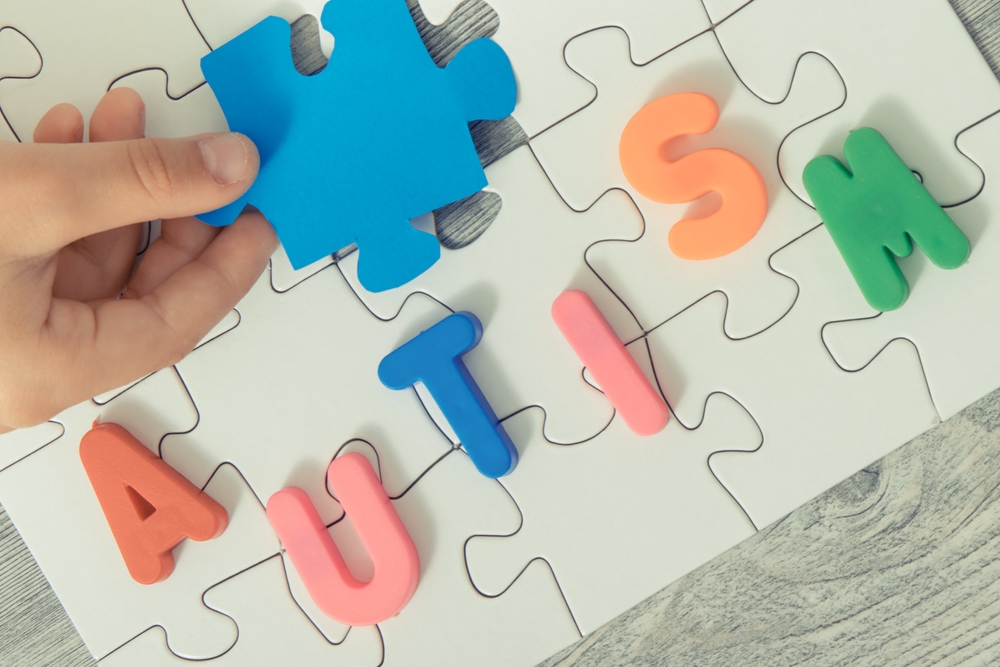
Autism Spectrum Disorder (ASD) is a complex developmental condition that involves persistent challenges in social interaction, speech, and nonverbal communication, and restricted/repetitive behaviors. The word spectrum is crucial here; it reflects the fact that autism manifests differently in every person. Some individuals may require significant support in their daily lives, while others live entirely independently with high-functioning capabilities.
At its core, autism is a difference in how the brain is wired. During early development, the way neurons connect and communicate with one another follows a non-typical path. This leads to a different way of experiencing the world; one that can be intensely sensory, deeply logical, and highly detail-oriented.
While the diagnosis is based on behavioral criteria, modern science recognizes that ASD is a whole-body condition. It often involves the immune system, the enteric nervous system (the “second brain” in the gut), and the metabolic system. Autism is not something a person has, like a cold. It is a fundamental part of who they are, influencing how they think, feel, and physically exist in the world. The following are Physical autistic traits that you likely didn’t know about previously.
1. Hypermobility and Connective Tissue Differences

One of the most striking physical traits found in the autistic community is joint hypermobility. This is the ability for joints to move beyond their regular range of motion. You might know this as being double-jointed.
Research has shown a significant overlap between autism and Ehlers-Danlos Syndrome (EDS), a group of genetic disorders that affect connective tissue. Connective tissue is the glue of the body, found in the skin, joints, and blood vessel walls. In many autistic people, this glue is a bit more flexible or stretchy than average.
This isn’t just a party trick, however. Hypermobility can lead to:
- chronic joint pain or frequent dislocations
- poor proprioception (the understanding of where your body is in space), which can appear as clumsiness
- Increased fatigue, as muscles have to work harder to stabilize loose joints.
The link is so strong that some researchers suggest hypermobility could be a clinical marker for certain subtypes of neurodivergence. If your brain is wired differently, there is a high statistical chance your collagen, the primary protein in your connective tissue, is structured differently, too.
2. Distinctive Facial Morphology
While there is no “look” to autism that is obvious to the casual observer, subtle morphometric studies have found that autistic children often share certain facial characteristics. This isn’t about being attractive or unattractive, but rather about the precise measurements and ratios of facial features.
Research utilizing 3D facial imaging has identified that autistic individuals often have:
- A broader upper face, particularly around the eyes.
- Shorter middle regions of the face, including the nose and cheeks.
- A wider mouth and philtrum (the vertical groove between the nose and upper lip).
Scientists believe these subtle differences occur because the brain and the face develop in tandem during the first trimester of pregnancy. Since they originate from the same embryonic cells (the neural crest), the factors that influence the development of the brain’s frontal lobes also influence the architecture of the face.
3. Gastrointestinal Sensitivity and Microbiome Diversity

The gut-brain axis is a hot topic in modern medicine, but for the autistic community, it has been a lived reality for a long time. Autistic people are significantly more likely to experience gastrointestinal (GI) issues than the general population. This includes chronic constipation, diarrhea, abdominal pain, and acid reflux.
Recent studies have found that the gut microbiome, aka the trillions of bacteria living in the digestive tract, is often different in autistic individuals. They tend to have a lower diversity of “good” bacteria and a higher prevalence of certain inflammatory microbes.
This physical trait creates a feedback loop. A distressed gut can lead to increased sensory sensitivity and irritability, which in turn increases stress, further upsetting the gut. This makes dietary management and gut health a cornerstone of physical well-being for many on the spectrum.
4. Larger Head Circumference (Macrocephaly)
One of the earliest physical traits identified in autism research is macrocephaly, or an unusually large head circumference. This is often most noticeable in early childhood. While not every autistic person has a large head, the prevalence is significantly higher than in the neurotypical population.
This physical trait is usually the result of brain overgrowth during the first few years of life. In many autistic toddlers, the brain grows more rapidly than usual, particularly in areas responsible for social, emotional, and communication functions.
While the growth eventually levels off, the structural difference remains. This rapid expansion is thought to be caused by an overabundance of neurons or a lack of synaptic pruning, the process by which the brain trims away unused connections to become more efficient. In the autistic brain, the extra connections remain, leading to a physically larger brain and, consequently, a larger skull.
5. Altered Sleep Architecture and Circadian Rhythms

Image credit: Shutterstock
Sleep isn’t just a behavior; it’s a physical process governed by hormones and biological clocks. A staggering 50% to 80% of autistic people experience significant sleep disturbances. This isn’t just insomnia in the traditional sense, but a fundamental difference in sleep architecture.
Autistic individuals often have:
- Lower levels of melatonin (the hormone that signals the body to sleep) at night.
- A shorter REM (Rapid Eye Movement) cycle, which is the stage of sleep where dreaming and emotional processing occur.
- Irregular circadian rhythms make it hard for the body to distinguish between day and night.
This physical trait means that the autistic body is often in a state of permanent jet lag. This exhaustion can exacerbate sensory issues and make social navigation even more taxing, highlighting how a physical trait can directly impact behavioral experiences.
6. Heightened Peripheral Nervous System Reactivity

Many people know about the sensory meltdowns or shutdowns associated with autism, but these are often driven by a very physical trait: a highly reactive Autonomic Nervous System (ANS).
The ANS controls our “fight or flight“ response. In autistic people, the sympathetic nervous system (the accelerator) tends to be more active, while the parasympathetic nervous system (the brake) is less effective. This means that an autistic person’s body may react to a loud noise or a scratchy clothing tag as if it were a genuine physical threat.
Physical markers of this include:
- Dilated pupils even in normal lighting.
- Higher resting heart rates.
- Increased sweat gland activity (skin conductance).
This state of high alert is a physical reality. It means the autistic body is constantly scanning for danger, leading to a physical exhaustion that neurotypical people might never experience in the same way.
Read More: Researchers Trace Autism Traits to Ancient Neanderthal DNA
A Whole-Body Experience
Understanding autism as a whole-body experience is a revolutionary shift in how we approach neurodiversity. When we recognize that hypermobility, gut issues, sleep differences, and nervous system reactivity are physical traits inherent to many autistic people, we move away from fixing behavior and toward supporting biology.
These six traits remind us that the mind and the body are inextricably linked. For the autistic person, their neurodivergence isn’t just about how they think; it’s about how they move, how they heal, and how they rest. By validating these physical realities, we can create a world that is more accommodating, not just for the autistic mind but for the autistic body as well.
Disclaimer: This information is not intended to be a substitute for professional medical advice, diagnosis or treatment and is for information only. Always seek the advice of your physician or another qualified health provider with any questions about your medical condition and/or current medication. Do not disregard professional medical advice or delay seeking advice or treatment because of something you have read here.
Read More: Cannabis-Related Psychosis on the Rise, Study Finds, as Researchers Flag a Vulnerable Group