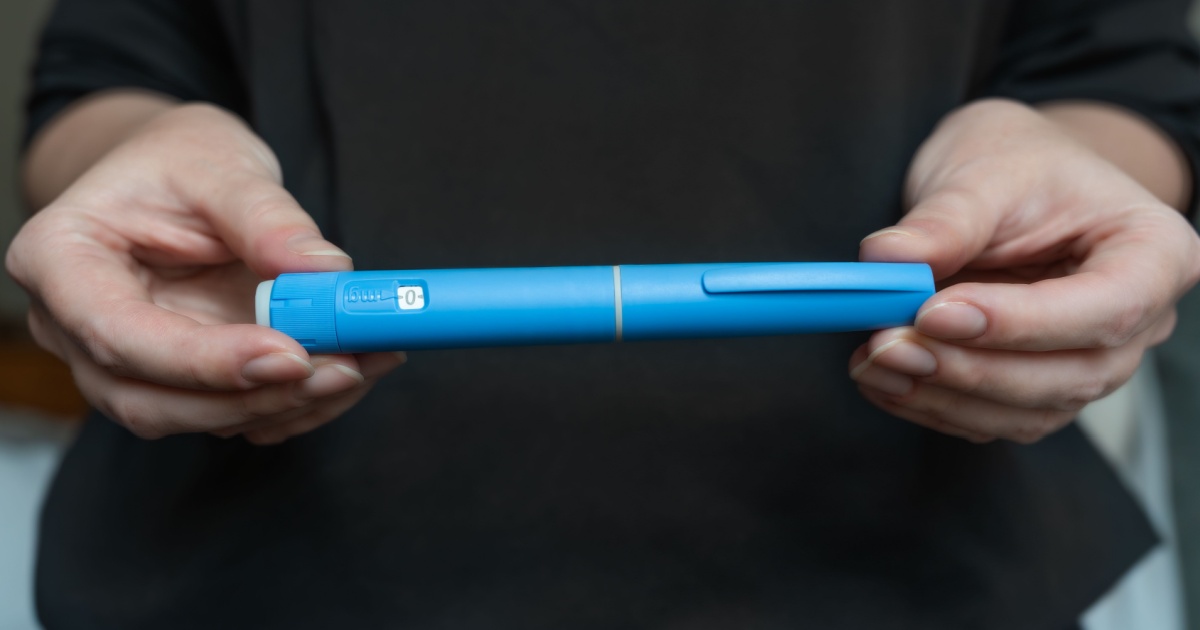

Millions of people are injecting semaglutide or tirzepatide every week, and for most of them, the conversation about side effects starts and ends with nausea. The package insert mentions it. Their doctor warned them about it. They’ve probably experienced it. But there is a second conversation happening, one that takes place not in clinic waiting rooms but in the comment threads and forums of Reddit, and what patients are telling each other is considerably more varied than what appears in any clinical trial report.
That gap has now caught the attention of academic researchers. A team at the University of Pennsylvania decided to read the posts. All of them. Hundreds of thousands of them. And what they found raises questions that the pharmaceutical industry and the medical community have yet to fully answer.
This is not a story about drugs being dangerous. It’s a story about information – specifically, what clinical trials capture, what they don’t, and why it matters that patients are filling in the blanks themselves. The findings are preliminary, and the researchers are careful to say so. But for anyone currently taking a GLP-1 medication, or considering one, the details are worth understanding.
Here’s What’s Going On
Researchers at Penn’s School of Engineering and Applied Science used artificial intelligence to analyze more than 400,000 Reddit posts, identifying patient-reported symptoms associated with the GLP-1 drugs semaglutide and tirzepatide that may not be fully captured in clinical trials or regulatory documents. Published in Nature Health, a peer-reviewed Nature Portfolio journal, the study spans more than half a decade of posts from nearly 70,000 Reddit users and highlights two primary classes of symptoms warranting deeper investigation: reproductive symptoms, including irregular menstrual cycles, and temperature-related complaints, such as chills and hot flashes. The study does not establish causation and carries significant methodological limitations, but it represents a new frontier in pharmacovigilance (the science of monitoring drug safety after approval) powered by the scale and candor of social media.
The Scale of GLP-1 Use and Why This Research Matters
Before assessing what the Penn study found, it helps to understand just how many people this concerns. According to the Gallup National Health and Well-Being Index, the number of Americans taking semaglutide or tirzepatide for weight loss more than doubled over the past year and a half, rising from 5.8% of adults in early 2024 to 12.4% by mid-2025. Data from KFF shows Medicaid prescriptions for GLP-1s increased from about 1 million in 2019 to over 8 million in 2024, with gross Medicaid spending rising from roughly $1 billion to nearly $9 billion over the same period.
This explosive growth creates a core problem for traditional drug safety monitoring: semaglutide and tirzepatide were originally diabetes drugs that quickly became mainstream after the FDA granted approval for weight loss, and clinical trials, by design, are slow. Screening social media posts for clues on unreported side effects can make a significant difference in terms of speed when traditional trial systems lag behind adoption rates.
This is precisely the context in which the Penn team’s approach becomes compelling. Real-world patients are using these drugs at unprecedented rates, and they are talking about their experiences at length, far more openly, and in far greater numbers, than any formal clinical reporting structure captures.
The Study: Methodology and Scope
AI-Powered Analysis of Public Online Posts
The researchers analyzed 410,198 Reddit posts from May 2019 through June 2025 in which users mentioned semaglutide or tirzepatide. A total of 67,008 users self-reported using these medications, and 43.5% described at least one side effect.
To make sense of that volume of unstructured text, the team used large language models, the same underlying technology as tools like ChatGPT, to map the informal, conversational language users use to describe symptoms against MedDRA (the Medical Dictionary for Regulatory Activities), the standardized clinical terminology used to officially report symptoms in clinical trials. This bridging of patient language and clinical terminology is one of the study’s core methodological contributions.
Senior author Sharath Chandra Guntuku, Research Associate Professor in Computer and Information Science at Penn Engineering, noted: “Some of the side effects we found, like nausea, are well known, and that shows that the method is picking up a real signal.” The fact that the analysis reliably detected known effects validates the approach before considering its more novel findings.
Confirming What’s Known – and Surfacing What Isn’t
Among users of both semaglutide and tirzepatide, the study found that 36.9% reported nausea, 16.7% fatigue, 16.3% vomiting, 15.3% constipation, and 12.6% diarrhea. These figures broadly align with what clinical trial data already documents, confirming the methodology is accurately capturing drug-related experiences rather than random noise.
But the more significant finding is that the online data surfaced symptom categories that are rarely, if ever, highlighted in formal trial reports. What stood out was the nontrivial percentage of users who reported symptoms not fully reflected in current drug labeling or routine adverse-event reporting: nearly 4% described reproductive symptoms, including menstrual changes such as intermenstrual bleeding, heavy bleeding, and irregular cycles; others reported temperature-related complaints, including chills, feeling cold, hot flashes, and fever-like symptoms.
The psychiatric symptom category also featured prominently. A separate 2024 pharmacovigilance study based on the FDA Adverse Event Reporting System found that among psychiatric complaints associated with GLP-1 drugs, insomnia accounted for 11.70% of reports, anxiety 11.04%, nervousness 9.19%, and depression 7.52%.
The Two Key Emerging Categories
Reproductive and Menstrual Irregularities
The menstrual findings are arguably the most clinically significant discovery from the Reddit analysis, both because of the frequency with which they appeared and because of how poorly they are represented in existing trial literature.
Lead author Neil Sehgal, a doctoral student in Computer and Information Science at the University of Pennsylvania, stated: “We can’t say that GLP-1s are actually causing these symptoms. But nearly 4% of the Reddit users in our sample reported menstrual irregularities, which would be even higher in a female-only sample. We think that’s a signal worth investigating.”
Understanding why this signal warrants scrutiny requires a brief detour into reproductive physiology. For menstruation to occur normally, the hypothalamus-pituitary-ovarian (HPO) axis must function properly, and numerous conditions, including metabolic and endocrine processes, can disrupt that axis. The hypothalamus is the brain’s master regulator: it controls appetite, body temperature, stress responses, and the hormonal cascade that drives ovulation.
Co-author Jena Shaw Tronieri, Senior Research Investigator at Penn’s Center for Weight and Eating Disorders, explained: “These drugs are thought to work by engaging part of the brain called the hypothalamus, which helps regulate a wide variety of hormones. That doesn’t mean the medications are necessarily causing these symptoms, but it could suggest that reports of menstrual changes and body temperature fluctuations are worth studying more systematically.”
Research in animal models adds another layer to this picture. Studies using female rats have demonstrated that GLP-1 and GLP-1 receptor agonists exert a regulatory influence on the gonadal axis, with GLP-1 receptor expression varying during the estrous cycle at the hypothalamus, pituitary, and ovary, and acute GLP-1 treatment influencing both the preovulatory LH surge and estradiol and progesterone levels. These are animal studies and cannot be extrapolated directly to humans, but they do establish a plausible biological mechanism through which GLP-1 medications might interact with reproductive hormone signaling.
In women with polycystic ovary syndrome (PCOS), GLP-1 receptor agonists appear to influence menstrual cyclicity positively in some contexts, with enhanced insulin sensitivity and direct hypothalamic effects potentially promoting more regular ovulatory cycles. GLP-1 receptor agonists have also demonstrated benefits in restoring ovulation in PCOS patients by improving insulin sensitivity and reducing androgen levels. The picture is complex: depending on a person’s underlying physiology, these drugs may regularize cycles in some women while disrupting them in others. Our coverage of how weight changes affect hormonal balance explores this complexity further.
Temperature Dysregulation: Chills, Hot Flashes, and Fever-Like Symptoms
The temperature-related complaint category is biologically credible for a distinct but related reason. GLP-1 receptors are widely expressed throughout the brain, and stimulation of brain GLP-1 receptors in the ventromedial nucleus of the hypothalamus, a region with an established role in thermoregulation, is essential for the activation of brown adipose tissue thermogenesis. Brown adipose tissue (BAT) is a specialized tissue that generates body heat.
GLP-1 drugs influence the hypothalamus, the brain’s control center for hunger, body temperature, and related functions. Because the hypothalamus is also responsible for regulating the temperature changes behind hot flashes, researchers hypothesize that modulating this region could disturb normal body temperature fluctuations.
This dual action, on both reproductive and temperature regulation pathways through the same hypothalamic hub, is one reason researchers believe these two categories of user-reported symptoms deserve specific clinical attention rather than dismissal.
Psychiatric Signals: A Contested and Unresolved Area
The psychiatric symptom category is, arguably, the most contentious territory in GLP-1 safety research. The Reddit data flagged it as noteworthy; formal pharmacovigilance and clinical trial analyses have reached mixed conclusions.
Clinical evidence on the psychiatric effects of GLP-1 receptor agonists remains limited and frequently inconsistent. Some studies suggest antidepressant or anxiolytic effects, while others report potential adverse outcomes including emotional blunting and suicidality. The routine exclusion of individuals with significant psychiatric conditions from GLP-1 clinical trials limits the generalizability of findings and perpetuates an evidence gap for higher-risk populations.
One large observational study published in Scientific Reports in 2024 found that GLP-1 treatment was associated with a 98% increased risk of any psychiatric disorder, with patients showing a 195% higher risk of major depression, a 108% increased risk for anxiety, and a 106% elevated risk for suicidal behavior. These are striking numbers, but the study’s design has important limitations. People with obesity and diabetes already have elevated baseline rates of depression and anxiety, which complicates attribution.
On the other side of the ledger, a large meta-analysis of randomized controlled trials, drawing on data from over 100,000 participants across 80 double-blind studies, reached a more reassuring conclusion. According to a press release from King’s College London, researchers concluded that GLP-1 receptor agonists “are not only safe from a psychiatric perspective but may improve mental health outcomes,” offering reassurance to both patients and clinicians. However, patients with serious psychiatric diagnoses were excluded from the reviewed studies, so the findings may not fully settle the question for all individuals.
A separate international pharmacovigilance analysis using WHO’s VigiBase global adverse event database concluded that there was no significant increase in overall psychiatric adverse-event reporting for GLP-1 drugs, except for eating disorders and depression or suicidality in semaglutide-treated patients specifically. Sensitivity analyses before June 2021 found no signals at all, aligning with controlled trial data, while post-marketing reports linking semaglutide to depression and suicidal ideation prompted regulatory investigations.
The practical conclusion for patients: psychiatric side effects do not appear to be a common or consistent effect of these medications for the general population. There is evidence that some people with pre-existing depression or anxiety may experience worsening symptoms on GLP-1 drugs, and clinicians have noted that for those with a history of mental illness, there may be a risk, making specialist consultation advisable before starting these medications if mental health history is a factor.
The Fatigue Signal: Underreported in Trials, Common in Practice
Fatigue was the second most commonly reported symptom in the Reddit dataset, cited by 16.7% of users. This is a notable finding because it is rarely foregrounded in clinical trial safety data, even though it is clearly a significant concern for real-world users.
Fatigue in the context of GLP-1 use has multiple plausible explanations. Significant caloric restriction, often a downstream consequence of the appetite suppression these drugs produce, can reduce energy intake enough to affect daily function. Weight loss itself, particularly when rapid, draws on muscle mass as well as fat. Research has shown that as much as 60% of the weight shed on GLP-1 medications can come from lean mass like muscle, and muscle depletion is in turn linked to bone issues including osteoporosis. Loss of muscle mass is a well-established driver of fatigue.
For clinicians, fatigue that persists beyond the initial weeks of GLP-1 treatment is worth discussing with patients rather than attributing reflexively to the medication’s mechanism.
What the Study Cannot Tell Us: Methodological Limitations
The Penn researchers are explicit about the constraints of their analysis, and those constraints matter for how to interpret the findings.
The population the researchers studied is not representative: Reddit users are younger, more likely to be male, and disproportionately based in the United States, and the symptoms described in their collective accounts largely match, but do not precisely replicate, the known side effects of semaglutide and tirzepatide across broader populations.
Reddit is a male-dominated platform largely used by younger people, which means it does not represent the full population of GLP-1 users. A large portion of global users may not be represented either, given that a significant share of Reddit users are U.S.-based. The menstrual irregularity figure of nearly 4%, for example, comes from a dataset that includes male users, so the rate among women specifically would be higher.
There is also the fundamental question of causation. Users self-report symptoms after starting a medication, but those symptoms may reflect disease progression, coincidental illness, the metabolic effects of rapid weight loss, or a dozen other variables rather than a direct drug effect. The research team was careful to frame the findings as signals rather than conclusions.
As co-author Lyle Ungar, Professor in Computer and Information Science at Penn, put it: “We don’t really know yet whether what we’re seeing on Reddit reflects the experience of GLP-1 users globally, or whether it’s particular to the kind of person who posts on Reddit in the United States.”
The Broader Case for Social Media Pharmacovigilance
What the Penn study represents, beyond its specific findings, is a methodological argument: that patient-reported experience at scale can detect safety signals faster than traditional post-marketing surveillance.
The study notes that despite its limitations, social media remains a useful tool to investigate under-reported effects. As co-author Lyle Ungar observed, “Clinical trials generally identify the most dangerous side effects of drugs,” which, by design, means subtler or less common effects may not emerge until well after widespread adoption.
Efforts to scan the internet for self-reported drug side effects have been ongoing for more than a decade, but screening social media posts at scale remained challenging until the arrival of large language models, which can map informal patient language to the standardized clinical terminology used in formal reporting systems like MedDRA.
The team has indicated plans to extend this methodology. Researchers hope to expand the work beyond Reddit and beyond English-language communities to test whether the same patterns appear across different platforms and populations. That expansion would address one of the study’s most significant current limitations and could produce a more globally representative picture of GLP-1 side effects.
Read More: Ozempic Teeth: Side Effects on Your Smile
What This Means for You
The Penn study does not rewrite what is known about GLP-1 medications. Semaglutide and tirzepatide remain among the most rigorously tested weight-loss and diabetes drugs in recent history, with substantial evidence behind their efficacy and a known, manageable side-effect profile dominated by gastrointestinal symptoms. That remains the scientific consensus.
What this research does is add texture to that picture. It identifies symptom categories, particularly menstrual irregularities and temperature dysregulation, that appear in real-world patient reports at rates that may not be fully reflected in labeling. It also provides a biologically plausible mechanism through which GLP-1 medications, operating via the hypothalamus, could influence both reproductive and thermoregulatory systems. The psychiatric data remains genuinely contested, with some studies suggesting benefit and others identifying risk, particularly in people with pre-existing mental health conditions.
For patients currently using these medications, the most actionable conclusion is this: any new symptom that develops after starting a GLP-1 drug deserves a conversation with your prescribing clinician, even if that symptom is not on the standard list. Menstrual changes, persistent fatigue, unusual temperature sensitivity, or shifts in mood or sleep should not be automatically dismissed. They may have nothing to do with the medication, but they are the kind of signal that patients are flagging, researchers are now taking seriously, and clinicians should be equipped to evaluate.
The FDA’s existing adverse-event reporting system relies partly on clinicians and patients filing formal reports. If you are experiencing side effects you believe are medication-related, reporting them through MedWatch, the FDA’s official safety reporting portal, contributes to the real-world evidence base that shapes future drug labeling and regulatory decisions.
Science moves slowly. Patients move faster. The gap between those two speeds is where this research lives, and increasingly, where drug safety will be shaped.
Disclaimer: The author is not a licensed medical professional. The information provided is for general informational and educational purposes only and is based on research from publicly available, reputable sources. It is not intended to constitute, and should not be relied upon as, medical advice, diagnosis, or treatment. Always consult a licensed physician or other qualified healthcare provider regarding any medical condition, symptoms, or medications. Do not disregard, avoid, or delay seeking professional medical advice or treatment because of information contained herein.
AI Disclaimer: This article was created with the assistance of AI tools and reviewed by a human editor.