
Most people who reach for a vitamin E supplement are doing so with good intentions. Maybe they read something about antioxidants protecting the heart, or a friend swore it helped their skin. Vitamin E has spent decades bathed in positive press, positioned as a harmless, even essential, daily add-on to a healthy routine. Bottles of it line the shelves of every pharmacy in the country, often in doses far beyond what the human body actually needs.
But here is the part that rarely makes it onto those labels: the very same properties that make vitamin E biologically interesting can, under certain circumstances, turn it into a meaningful health hazard. And for a growing number of Americans who take prescription blood thinners every day, that risk is no longer theoretical.
A recent body of research is drawing clearer lines around the interaction between vitamin E and blood thinners, showing that high-dose supplementation can amplify the effects of anticoagulant medications in ways that raise the risk of serious bleeding. The picture that has emerged from clinical studies and journal reviews is more complicated than the supplement industry tends to advertise.
1. Most People Are Already Getting Enough Vitamin E From Food
Before getting into the risks, it helps to understand where vitamin E actually comes from and how much the body genuinely needs. Vitamin E, primarily in its active form alpha-tocopherol, is a well-known antioxidant that protects cells from oxidative stress and free radical damage. That function is real and important. The problem is that most healthy adults are not deficient in it.
Because dietary vitamin E is essential to prevent deficiency in certain vulnerable populations, the focus on supplementation has grown. Yet the Mayo Clinic is clear: “The recommended daily amount of vitamin E for adults is 15 milligrams a day.” That amount is achievable through ordinary food. Sunflower seeds, almonds, spinach, and avocado all contribute meaningful quantities. A handful of nuts and a salad can cover most of it.
The issue is what happens when supplements enter the picture. A 2005 meta-analysis published in the Annals of Internal Medicine, led by researcher Edgar Miller and colleagues, analyzed 19 randomized controlled trials covering more than 135,000 participants and found that high-dose vitamin E supplements – 400 IU or more per day – may increase all-cause mortality. It remains one of the most widely cited warnings against routine high-dose supplementation. According to the NIH Office of Dietary Supplements, vitamin E-only supplements commonly contain 67 mg or more, already well above the daily recommended amount, and many popular bottles go far higher than that. Reaching for a supplement because you feel like you should be getting “more” of something may, in this case, work against you.
2. High-Dose Vitamin E Has Two Separate Mechanisms That Slow Blood Clotting
One of the most important things to understand about this issue is that vitamin E does not interfere with blood thinners through a single pathway. It works against clotting in two distinct ways simultaneously, and that is part of what makes it particularly consequential for people on anticoagulant therapy.
Vitamin E’s anticoagulant effects have been shown to amplify the risk of bleeding when high-dose supplementation is combined with blood thinners such as warfarin and aspirin. The first mechanism involves platelets. Platelets are the tiny blood cells that rush to a wound and clump together to form a clot. Vitamin E possesses antiplatelet properties, inhibiting platelet function and making them less likely to aggregate.
The second mechanism targets a completely different part of the clotting system. According to research published on PubMed Central, vitamin E inhibits activation of vitamin K-dependent clotting factors and platelet aggregation. Clotting factors are proteins produced in the liver that work in a cascade to form a stable clot. When vitamin E suppresses both platelets and these clotting proteins at once, the cumulative effect on bleeding risk is significant. For someone not taking any medication, that might produce a subtle, barely noticeable change. For someone on warfarin or another anticoagulant, it can push the body’s clotting balance in a dangerous direction.
3. The Vitamin E and Warfarin Interaction Is Particularly Well-Documented

Warfarin is one of the most widely prescribed medications in the world, used to prevent strokes and dangerous clots in people with atrial fibrillation, mechanical heart valves, and a history of deep vein thrombosis. It works by a precise mechanism: as noted in research from the National Library of Medicine, warfarin inhibits the synthesis of vitamin K-dependent clotting factors, reducing the body’s ability to form clots. That reduction is the entire point. The challenge is keeping the blood-thinning effect within a narrow safe window.
Anticoagulants like warfarin, Xarelto, and Eliquis target specific proteins in the blood’s clotting cascade, delaying clot formation. When vitamin E enters that same pathway, the results can compound quickly. According to a 2020 clinical reference on the National Library of Medicine’s bookshelf, “In patients who take warfarin and vitamin E, vitamin K antagonism is increased, thus increasing their risk of bleeding.” The same source notes that prescription medication interactions can occur when vitamin E is supplemented at levels greater than 300 mg daily.
The concern is not limited to warfarin-class drugs either. When combined with an anticoagulant or antiplatelet drug, high-dose vitamin E can amplify the blood-thinning effect beyond safe limits. This applies to newer anticoagulants and even aspirin taken regularly for cardiovascular protection. If you’re managing any condition that requires blood thinning medication, this vitamin E blood thinners interaction deserves serious attention.
4. A Study of Atrial Fibrillation Patients Found Higher Vitamin E Levels Predicted Bleeding Events
The theoretical mechanism is one thing. What happened in real patients adds a different kind of weight to the concern. In a retrospective observational study published in the Journal of the American Heart Association, researchers analyzed baseline vitamin E serum levels in 566 consecutive patients receiving oral anticoagulant therapy, followed for a mean time of 22 months. These were people with nonvalvular atrial fibrillation – a common heart rhythm disorder that increases stroke risk – who were being managed with anticoagulant treatment.
The overall incidence rate of any bleeding event was 9.2 per 100 person-years. Those who experienced bleeding events included 73 minor bleedings, 15 major bleedings, and 4 cerebral hemorrhages. The researchers found that serum vitamin E levels, measured at the start of the study, were a significant predictor of who would go on to experience a bleeding event. This is a retrospective, observational study, which means it identifies associations rather than proving direct causation. But the consistency of the finding, in a real-world patient population already on anticoagulant medication, is hard to ignore.
What makes this finding practically useful is that it points to a measurable risk marker. For physicians managing patients on blood thinners, checking whether those patients are also taking high-dose vitamin E supplements is a simple, low-cost step that could matter. For patients, it means that disclosing every supplement you take to your doctor is not just a formality.
5. The 2025 Review on Adverse Effects Widened the Picture Beyond Bleeding

The concern about bleeding is serious enough on its own. But a comprehensive 2025 review published in PMC broadened the case against high-dose vitamin E supplementation considerably. The review linked high-dose vitamin E supplementation to adverse outcomes including heightened risks of all-cause mortality, hemorrhagic stroke, cardiovascular events, and certain cancers, with these risks being particularly significant for individuals with pre-existing health conditions such as heart failure, coagulation disorders, or a history of stroke.
In examining adverse cardiovascular events in patients taking high-dose vitamin E, the HOPE and HOPE-TOO trials showed an increase in heart failure rates among patients with vascular disease or diabetes mellitus. These were large-scale, randomized controlled trials spanning over 9,500 patients, not small observational studies, and their findings added real force to the case for restraint.
According to current data, consuming vitamin E-rich foods without additional vitamin E supplementation has not been proven to produce any adverse effects. The distinction matters. The risk is not from eating almonds or spinach. The risk comes from concentrated supplemental doses taken over time, particularly by people who already have cardiovascular or coagulation vulnerabilities. Excessive or high-dose supplementation causes a shift in the balance, as vitamin E’s beneficial antioxidant properties are outweighed by harmful interference in normal cellular processes such as immunity, cell growth, and oxidative stress.
You might find it helpful to read more about how herbal supplements interact with prescription drugs before adding anything new to your daily routine.
6. Hemorrhagic Stroke Is One of the Most Alarming Documented Risks
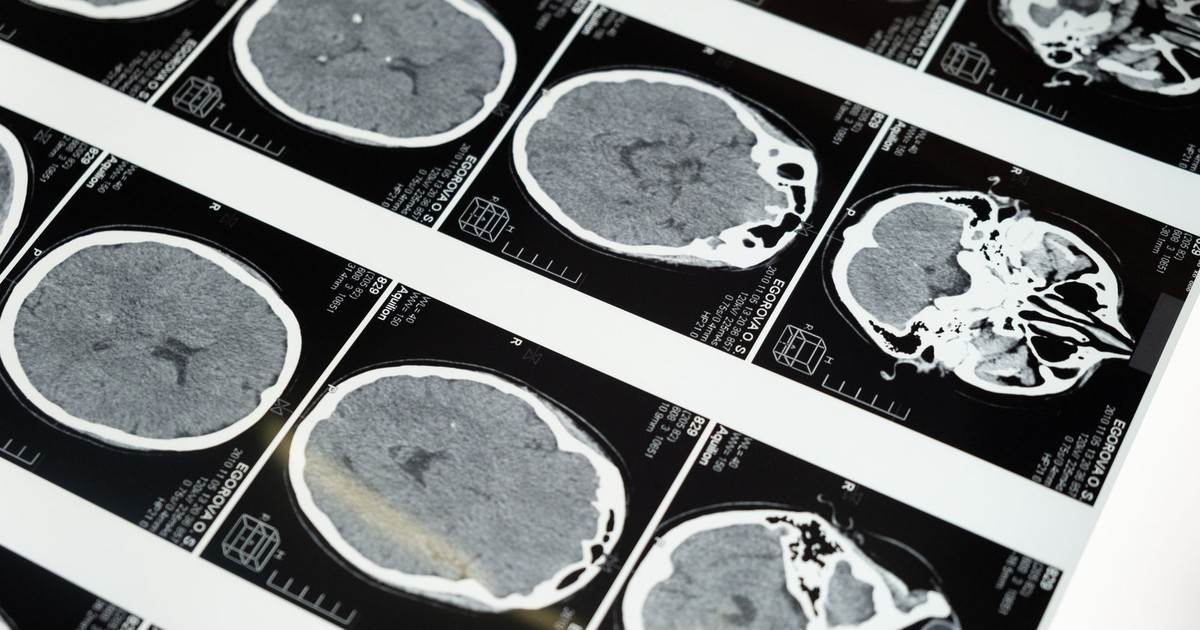
Among the adverse outcomes associated with high-dose vitamin E, hemorrhagic stroke stands out as among the most serious. Hemorrhagic stroke happens when a blood vessel in the brain ruptures and bleeds into surrounding tissue. Unlike an ischemic stroke (caused by a blockage), a hemorrhagic stroke is directly caused by excessive bleeding, which is precisely the mechanism that high-dose vitamin E can worsen.
A 2024 analysis published in Nutrition Reviews found that supplementation of vitamin E with other antioxidants reduces the incidence of ischemic stroke but increases the risk of hemorrhagic stroke. Specifically, vitamin E increased hemorrhagic stroke risk by 22% while reducing ischemic stroke risk by 10%. For people who are already on anticoagulant therapy because of a prior stroke or atrial fibrillation, that trade-off is particularly alarming. Reducing one type of stroke risk while potentially multiplying another is not a neutral outcome.
High-dose vitamin E supplementation has also been associated with an enhanced risk of bleeding related to its anti-vitamin K effects. A published case series from Tampa General Hospital, documented in a peer-reviewed case report in ScienceDirect, identified three patients with otherwise unexplained intracranial hemorrhage who had elevated vitamin E serum levels and no other identifiable cause. A separate case report published on PubMed Central described coagulopathy – a condition where blood loses its ability to clot properly – in a young patient taking vitamin E, with serious bleeding events including gastrointestinal bleeding as a result. These are not common outcomes, but their occurrence in patients with no other obvious risk factor underlines the seriousness of the dose question.
7. Knowing Your Dose Threshold Is Practical, Actionable Information
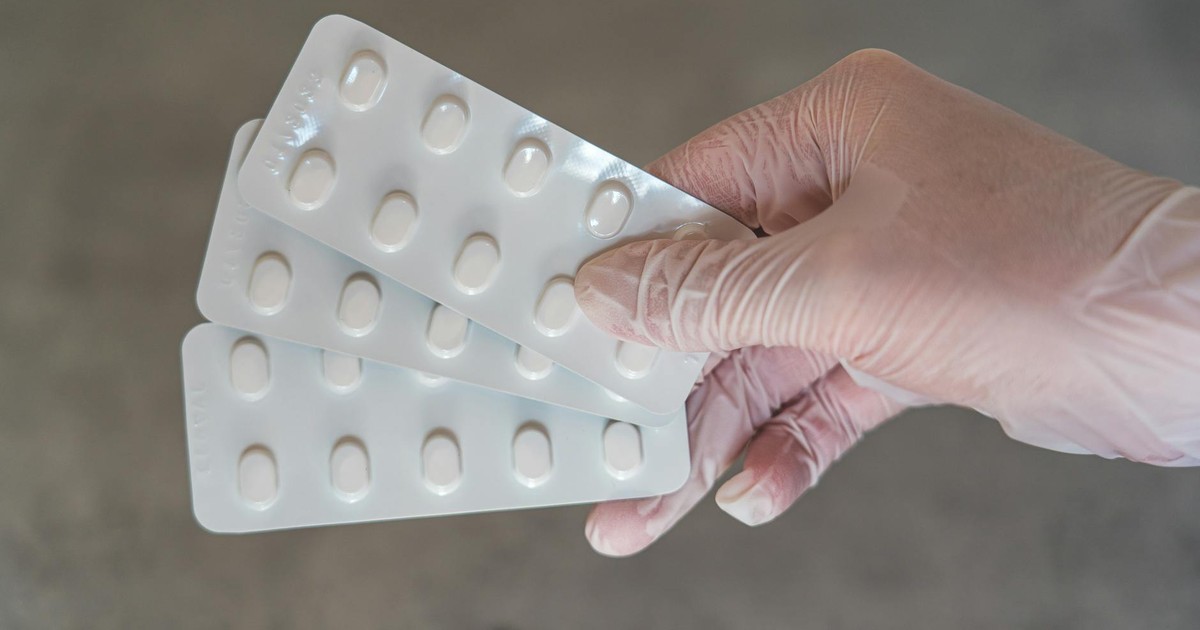
The research is not telling people to throw away every vitamin E supplement they own. What it does is establish a meaningful dose threshold that makes the risk concrete rather than vague. At standard multivitamin doses around 30 IU, the antiplatelet effect is not a concern, but at supplemental doses above 400 IU, the antiplatelet effect is strong enough to add meaningful bleeding risk on top of a blood thinner.
The NIH upper limit for vitamin E in adults is set at 1,000 mg per day, but that ceiling was established primarily to prevent outright toxicity in healthy adults with no underlying conditions. It was not designed with blood thinner users in mind. For people taking anticoagulants, the relevant threshold is much lower. The clinical reference from the National Library of Medicine’s bookshelf confirms that interactions with prescription medications can begin at doses greater than 300 mg daily.
Some physicians recommend discontinuing high-dose vitamin E supplementation two to four weeks before elective surgery, including dental procedures, to reduce hemorrhage risk, according to the Linus Pauling Institute at Oregon State University. That recommendation reflects just how seriously the clinical community takes the blood-thinning effects at high doses. If your doctor would pause vitamin E before a routine procedure, that is a strong signal about how it behaves in the body during any situation where controlled clotting matters.
Read More: 12 Foods That Could Help Reduce Blood Clot Risk (And Some to Avoid)
What This Means

The core takeaway here is not complicated: vitamin E is not a risk-free supplement, and at high doses, it is not a neutral add-on for anyone taking anticoagulant or antiplatelet medication. The research connecting high-dose vitamin E to amplified bleeding risk is supported by multiple study types, including retrospective cohort studies, large-scale randomized controlled trials, and meta-analyses across tens of thousands of participants. Clinical studies and case reports consistently link high vitamin E levels to increased bleeding, particularly with warfarin, and while some smaller trials offer mixed results, the weight of evidence supports close monitoring and medical consultation.
If you currently take warfarin, Eliquis, Xarelto, or even daily aspirin for heart protection, check the vitamin E content of every supplement in your cabinet, including multivitamins. If you are approaching or exceeding 400 IU daily, that conversation with your doctor is not optional. Blood thinner management already requires careful monitoring, and adding a supplement that operates on overlapping biological pathways without your doctor’s knowledge removes a layer of protection that is there for good reason. Before starting vitamin E, tell your physician about every medication you take, including warfarin, heparin, aspirin, or NSAIDs. Food-based vitamin E from a varied diet carries none of these risks. The concern is specifically with high-dose supplements, and the solution is as straightforward as reading the label and making one phone call.
Disclaimer: The author is not a licensed medical professional. The information provided is for general informational and educational purposes only and is based on research from publicly available, reputable sources. It is not intended to constitute, and should not be relied upon as, medical advice, diagnosis, or treatment. Always consult a licensed physician or other qualified healthcare provider regarding any medical condition, symptoms, or medications. Do not disregard, avoid, or delay seeking professional medical advice or treatment because of information contained herein.
AI Disclaimer: This article was created with the assistance of AI tools and reviewed by a human editor.
Read More: Taking Blood Thinners? These 10 Supplements Could Be a Problem