
Taking a blood thinner is one of those medical commitments that quietly reshapes your whole relationship with what goes into your body. You learn to read nutrition labels differently. You think twice before popping an ibuprofen. But what most people on these medications don’t realize is that the supplements section of their medicine cabinet can be just as consequential as anything their pharmacist has ever flagged. And they rarely get the same warning.
The problem isn’t that supplements are inherently dangerous. Many of them, taken by a healthy person with no medication concerns, are perfectly reasonable. The problem is that blood thinners – anticoagulants like warfarin, and antiplatelet drugs like aspirin – are among the most sensitive medications that exist. Small shifts in how your blood clots can have outsized consequences. Too little clotting and you face serious bleeding. Too much and you face a dangerous clot. The margin between those two outcomes is narrow, and a surprising number of supplements sit right in the middle of it.
The question isn’t whether you should take vitamins or herbal remedies. The question is which ones interact with your specific medication, and how. The answer, for many common supplements, is more complicated than the label will ever tell you. Here are ten of the most important ones to know about.
1. Vitamin E
Vitamin E is one of the most popular antioxidants on the market, and also one of the most misunderstood when it comes to blood thinner safety. At lower doses, vitamin E is generally well tolerated. But push the dose into the high range, and the picture changes significantly.
Vitamin E has anticoagulant properties that amplify the risk of bleeding when high-dose supplementation is combined with blood thinners such as warfarin and aspirin. This isn’t a theoretical concern. At high doses, vitamin E’s beneficial antioxidant properties are outweighed by harmful interference in normal cellular processes, and its anticoagulant effects intensify the risk of bleeding when combined with blood thinners.
The adverse effects of high-dose vitamin E don’t stop at bleeding risk. A 2025 study published in Cureus linked high-dose vitamin E supplementation to adverse outcomes including enhanced risks of all-cause mortality, hemorrhagic stroke, cardiovascular events, and certain cancers, with these risks being particularly significant for individuals with pre-existing health conditions such as heart failure, coagulation disorders, or a history of stroke. A separate meta-analysis found that vitamin E enhanced the risk of hemorrhagic stroke by 22% across nine trials totaling over 118,000 participants. Earlier research published in the Annals of Internal Medicine also found that doses above 400 IU per day were associated with increased all-cause mortality.
If you’re on warfarin or aspirin, there’s also a clinical signal worth knowing. Researchers found that in patients being treated with warfarin for atrial fibrillation, serum vitamin E predicted hemorrhagic events. The practical takeaway: if you’re taking a blood thinner, check the dose on any multivitamin or standalone vitamin E supplement you’re using, and raise it with your doctor before continuing.
2. Fish Oil and Supplements Blood Thinners Interactions
Fish oil is one of the most widely consumed supplements in the world, and its cardiovascular benefits are well documented. But supplements blood thinners interactions are a concern here, particularly at higher doses.
Fish oil supplements contain omega-3 fatty acids, primarily EPA and DHA, which naturally affect platelet aggregation and blood clotting mechanisms by modifying cell membrane composition and influencing the production of substances that regulate clot formation. When combined with anticoagulants, this can complicate medication management. This fatty acid may affect platelet aggregation and vitamin K-dependent coagulation factors, and omega-3 fatty acids may lower thromboxane A2 supplies within the platelet as well as decrease factor VII levels – both of which can push the anticoagulant effect of warfarin in unpredictable directions. INR, or International Normalized Ratio, is the lab value used to measure how long it takes your blood to clot, and keeping it in range is the entire goal of warfarin therapy.
There is some reassurance here. A retrospective cohort study found that fish and krill oil supplementation did not significantly alter warfarin control or the number of major or minor bleeding events in a cohort of 573 patients over an average of 34 months. Still, the evidence is mixed. Case reports document significant INR elevations requiring warfarin dose adjustments. According to the American Heart Association, fish oil at 1 – 2 g per day can increase INR and has antiplatelet effects. One published case report showed a significant rise in INR after the dose of fish oil was doubled from 1,000 mg to 2,000 mg daily, with the INR climbing from 2.8 to 4.3 within a month. If you’re on warfarin, tell your anticoagulation clinic what dose you’re taking and get your INR checked when you start, stop, or change the dose.
3. St. John’s Wort
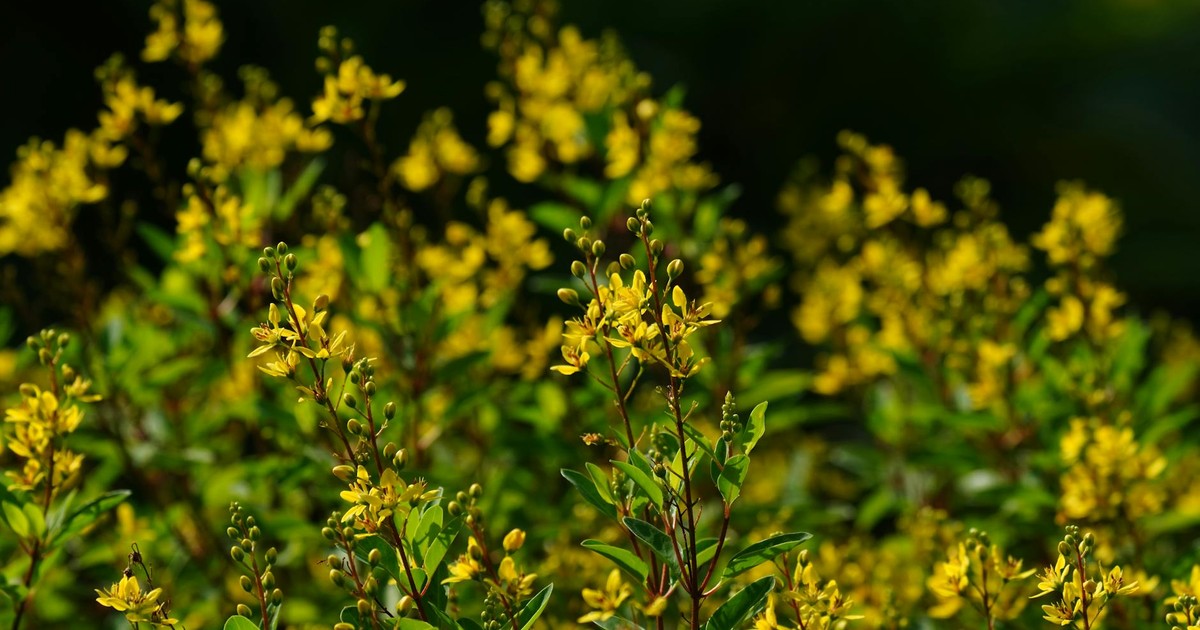
St. John’s Wort is a widely used herbal remedy for low mood, and its popularity as a “natural” option for mild depression means millions of people take it without giving much thought to medication interactions. For anyone on a blood thinner, that’s a real risk – though the mechanism here works differently than most of the others on this list.
Rather than amplifying warfarin’s effects, St. John’s Wort does the opposite. Substances like alfalfa and St. John’s wort can counteract warfarin’s blood-thinning properties, while herbs like garlic, ginger, and ginkgo may enhance its effects. The reason comes down to enzyme activity. Evidence from interaction studies suggests that St. John’s wort may induce the CYP 3A4 enzyme system and the P-glycoprotein drug transporter in a clinically relevant manner, reducing the efficacy of co-medications. In plain terms: it speeds up the liver’s processing of warfarin, clearing it from the body faster and leaving patients underprotected against dangerous clots.
Clinical data suggest that St. John’s wort may reduce the plasma concentrations and the anticoagulant effect of warfarin, with the proposed mechanism being induction of CYP450 isoenzymes. Case reports have documented patients stabilized on warfarin whose INR decreased following the addition of St. John’s wort and returned to normal only after it was discontinued or the warfarin dose was increased. If someone on warfarin starts taking St. John’s Wort without telling their doctor, their INR can drop without warning, meaning the blood thinner is no longer working effectively. According to the Mayo Clinic, it’s not suggested to take St. John’s wort if you take blood thinners.
4. Ginkgo Biloba

Ginkgo biloba is one of the most heavily researched herbal supplements in the world, marketed primarily for memory support and cognitive function. It also has a well-documented relationship with blood clotting – and not a comfortable one when anticoagulants are involved.
Ginkgo may enhance warfarin’s effects, leading to heightened bleeding risks. This relationship has now been quantified in recent research. A 2025 pharmacovigilance study found a significant correlation between ginkgo biloba extract drug interactions and bleeding risk. Even a modest increase in bleeding odds matters when the baseline risk from anticoagulation is already elevated. Ginkgo’s blood-thinning properties appear to stem from ginkgolides, particularly ginkgolide B, which act as antagonists to Platelet-Activating Factor (PAF). PAF is a powerful signaling molecule that promotes platelet aggregation – a foundational step in forming a blood clot. By antagonizing the PAF receptor, ginkgo extract can inhibit this clumping action, theoretically making it harder for the blood to clot. This is the same biological system that drugs like clopidogrel target.
People drawn to ginkgo for brain health reasons should understand that this isn’t a case where the supplement is simply “not helpful” alongside blood thinners – it actively changes what those drugs do. If you take warfarin, apixaban, or any other anticoagulant and you’re considering ginkgo, this is a conversation to have with your prescribing physician before you open the bottle.
5. Garlic and Ginger Supplements
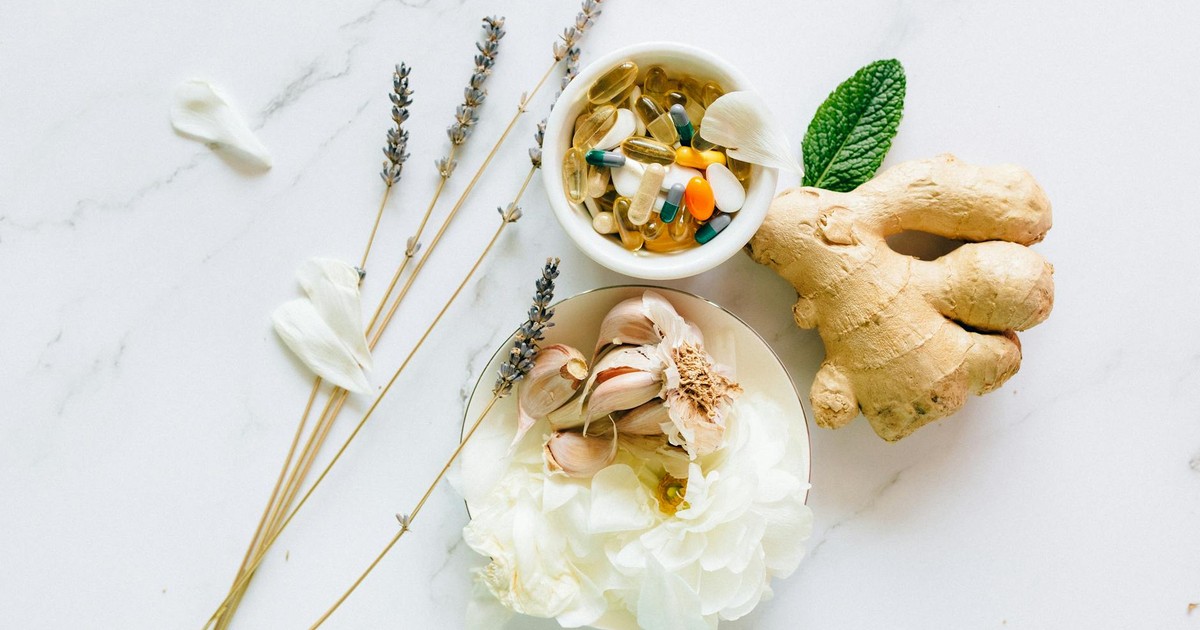
Garlic and ginger are kitchen staples, beloved by natural health enthusiasts and culinary traditionalists alike. In food quantities, they’re generally fine. As concentrated supplements delivering standardized extracts, they start to matter in a clinical context.
Ginger has anti-inflammatory, antiplatelet, and antispasmodic activity and interacts with warfarin through its inhibition of platelet aggregation, with large amounts causing inhibition of arachidonic acid-induced platelet aggregation. Garlic also has antithrombotic properties that reduce platelet aggregation, and limited case reports suggest a plausible interaction with warfarin. For anyone already taking a blood thinner, that additive effect can push the risk of bruising, internal bleeding, or prolonged bleeding from minor cuts into a range that requires clinical attention.
You can find real-world detail on how common herbs interact with heart and blood pressure medications on The Hearty Soul. The food-versus-supplement distinction matters here: occasional culinary use of garlic and ginger is unlikely to cause problems, but high-dose supplement forms are a different matter. If your garlic supplement lists allicin content in milligrams and you’re on warfarin, flag it with your doctor.
6. Turmeric and Curcumin
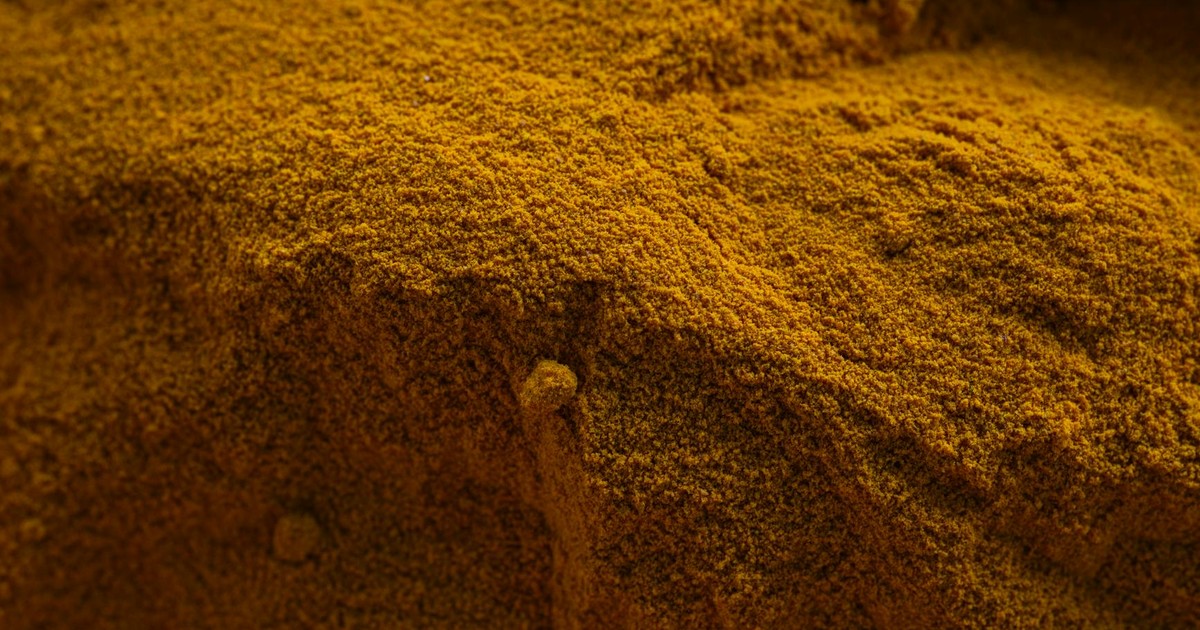
Turmeric has become one of the most-supplemented spices in the US, driven by research into curcumin’s anti-inflammatory properties. It’s in capsules, powders, and even lattes. For people on blood thinners, the volume of curcumin in supplement form is the specific concern.
Case reports have associated turmeric with increased INR or bleeding in patients on warfarin. The mechanism is direct. Curcumin can raise INR by amplifying warfarin’s anticoagulant effect. According to Drugs.com’s interaction database, products containing turmeric or curcumin may affect platelet function and clotting, increasing bleeding risk when combined with warfarin.
Turmeric in cooking is not a problem for most people on blood thinners. The curcumin content in food amounts is low. The issue is with high-dose supplements, where curcumin concentrations are standardized to levels far beyond what you’d get from seasoning a curry. If you’re taking a turmeric supplement for joint pain or inflammation and you’re also on anticoagulation therapy, double-check the dose and bring it up at your next appointment.
7. Coenzyme Q10 (CoQ10)
CoQ10 is popular among people concerned about cardiovascular health and those who take statins, which are known to reduce the body’s natural CoQ10 production. The supplement is generally well tolerated, but its interaction with warfarin is worth understanding because it can reduce the drug’s effectiveness in some people.
CoQ10 may reduce the anticoagulant effect of warfarin and other oral anticoagulants, and while the exact mechanism of interaction is unknown, CoQ10 is structurally related to menaquinone (vitamin K2) and may have procoagulant effects. In practical terms, this may mean warfarin leaves your system faster than intended, leaving blood clot protection reduced. According to Drugs.com, CoQ10 may reduce the effect of warfarin and could raise the risk of blood clots, as it is structurally similar to vitamin K and may partially counteract the effect of anticoagulants like warfarin, although study results are mixed.
The direction of this interaction makes it different from most others on this list. Instead of amplifying bleeding risk, CoQ10 may blunt the blood thinner’s effect, raising the risk of clot formation in people who need anticoagulation for conditions like atrial fibrillation or deep vein thrombosis. That’s not a safer problem – it’s a different kind of dangerous. Anyone starting or stopping CoQ10 while on warfarin should have their INR monitored during the transition.
8. Licorice Root
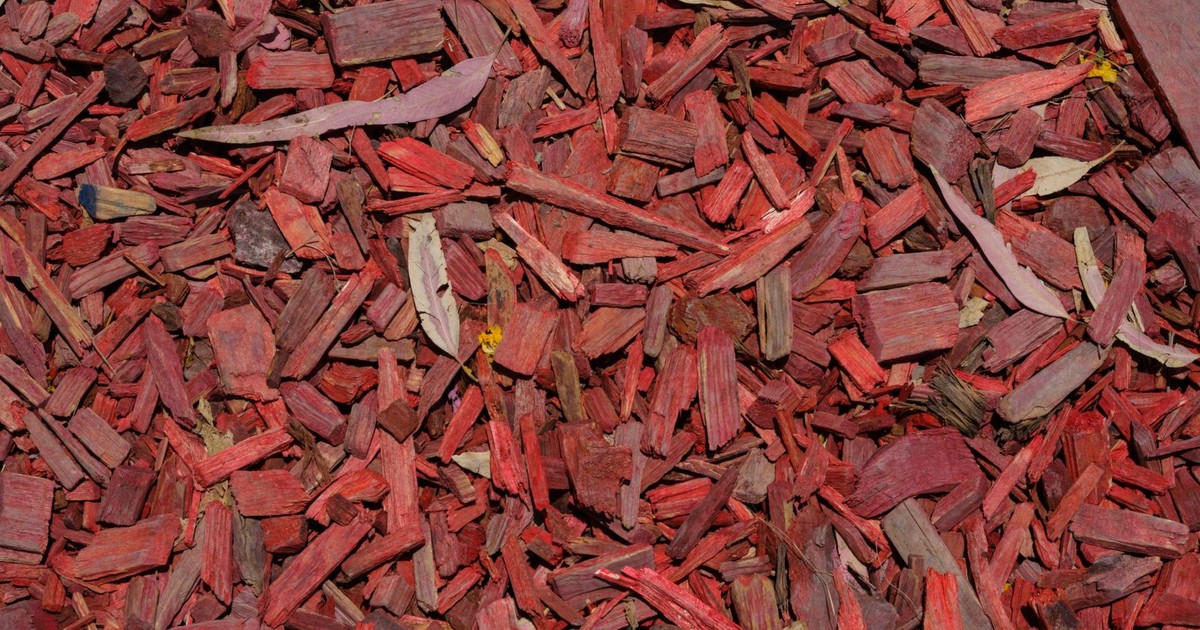
Licorice root is used in herbal medicine for everything from digestive support to adrenal fatigue, and it appears in teas, tinctures, and standalone capsules. It also has a specific and documented mechanism of interaction with warfarin.
The herb licorice may change how warfarin works and may raise bleeding risk, and it can also lower potassium levels, raising the risk of serious side effects from digoxin. The underlying mechanism involves enzyme activity. Chamomile tea, ginkgo biloba, ginger, and other herbs including licorice are among those found to increase bleeding risk in patients on warfarin. A 2010 study found that licorice components inhibit the P450 system enzymes that metabolize warfarin, inhibit thrombin, and prolong fibrin clot formation – mechanisms that collectively push toward greater anticoagulation and bleeding risk.
Most licorice candies and products in the US don’t contain the actual licorice herb, so this is primarily a concern with medicinal-grade licorice supplements or deglycyrrhizinated licorice (DGL) capsules. If licorice root is on your supplement shelf and you take warfarin, run it by your doctor.
9. Danshen
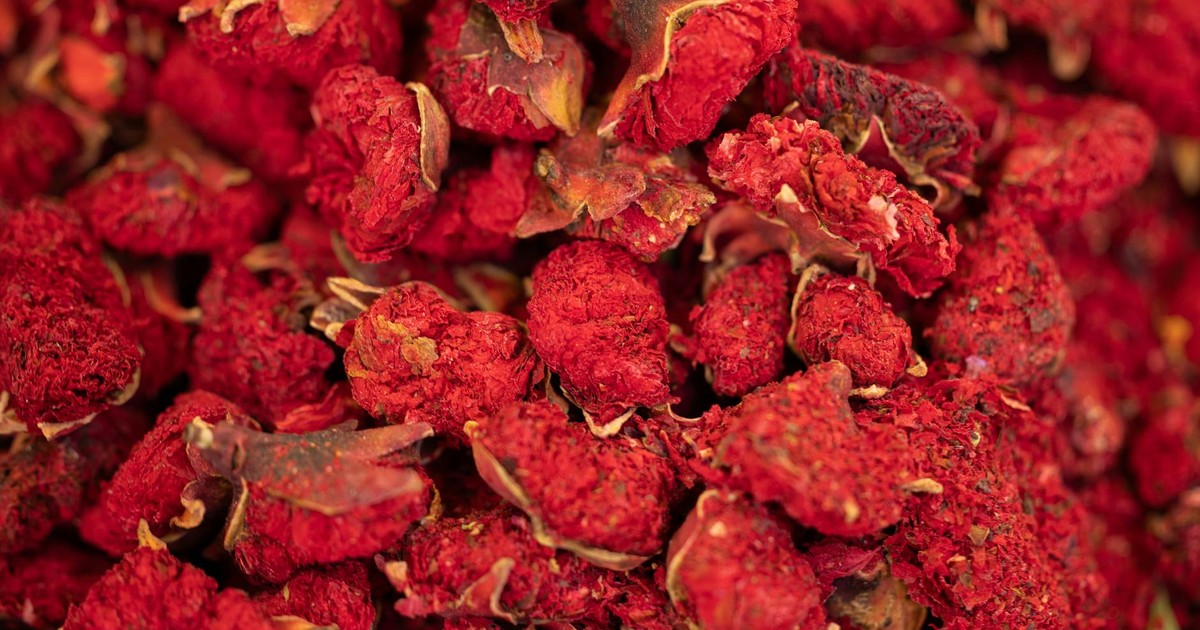
Danshen (Salvia miltiorrhiza) is a traditional Chinese herb used for centuries to support heart and circulatory health. Outside of East Asian medicine communities, it’s less well known – but its interaction with blood thinners is considered among the most clinically significant of any herbal supplement.
A 2014 review identified danshen as one of the herbs defined as highly probable to interact with warfarin and recommended it be avoided when taking the drug concurrently. The Mayo Clinic also flags danshen directly, noting that danshen can interact strongly with blood thinners and may raise your risk of bleeding.
What makes danshen particularly worth flagging is its wide use among people who are already managing cardiovascular conditions – exactly the population most likely to be on anticoagulants. It’s often taken in tea form or as part of multi-herb formulas, which makes it easier to overlook. If you use traditional Chinese herbal preparations of any kind and take a blood thinner, review the ingredient list for danshen specifically.
10. Chamomile

Chamomile tea is one of the gentlest-seeming things in any kitchen. It’s the remedy people reach for when they’re anxious or can’t sleep. The idea that it could interact meaningfully with a blood thinner feels counterintuitive – but the chemistry is real.
Many herbal supplements interact with heart disease medicines, and chamomile is among those that interact with the blood thinner warfarin. The reason comes down to its chemical composition. Chamomile contains substances in the coumarin family, some of which have blood-thinning actions that could interact with warfarin, and at least one case report exists of a person in whom combined use of chamomile and warfarin led to internal bleeding. According to the Mayo Clinic, chamomile contains compounds that antagonize vitamin K, working in similar fashion to warfarin itself.
An occasional cup of chamomile tea is unlikely to cause problems for most people. The concern is with regular, high-volume consumption or chamomile in concentrated supplement form. For anyone on anticoagulation therapy who relies on chamomile tea as a daily wind-down ritual, mentioning it to your prescriber is a reasonable precaution.
Read More: Your Herbal Supplements May Be Undermining Your Prescription Drugs
What This Means for You

The thread running through all ten of these supplements is something worth sitting with: “natural” and “safe with medication” are not the same thing. A systematic review identified 78 herbs, foods, and dietary supplements reported to interact with warfarin, with more than half associated with potentiation – meaning they amplify the drug’s effects and increase bleeding risk. At the same time, some reduce effectiveness, raising clot risk in people who depend on that medication to stay safe.
The practical step is simpler than the science suggests. Tell every healthcare provider – your prescriber, your pharmacist, your surgeon if you’re planning any procedure – exactly what supplements you take, including doses. Research shows that 69% of warfarin-treated patients use at least one herbal or dietary supplement, yet over half don’t view those supplements as drugs. That perception gap is exactly where the risk lives. A supplement that seemed harmless before a diagnosis can become genuinely consequential after one. When in doubt, bring the bottle to your next appointment and ask directly. It’s a five-minute conversation that can prevent a serious problem.
Disclaimer: The author is not a licensed medical professional. The information provided is for general informational and educational purposes only and is based on research from publicly available, reputable sources. It is not intended to constitute, and should not be relied upon as, medical advice, diagnosis, or treatment. Always consult a licensed physician or other qualified healthcare provider regarding any medical condition, symptoms, or medications. Do not disregard, avoid, or delay seeking professional medical advice or treatment because of information contained herein.
AI Disclaimer: This article was created with the assistance of AI tools and reviewed by a human editor.