

Most people assume that the older adults in their lives choose to repeat the same story three times in one evening. The reality is more complicated and more telling than a simple lapse in short-term memory.
The habits that accumulate in old age rarely appear overnight. They build quietly, shaped by physical changes in the body, shifts in brain chemistry, reduced sensory input, and a slow narrowing of the social world. Many of these behaviors go unmentioned by family members who don’t want to offend, and unnoticed by the person doing them. That silence can be costly. When habits linked to poor sleep, social withdrawal, or unchecked negative thinking go unaddressed, they tend to compound the very declines that caused them in the first place.
Understanding these old age habits honestly, without dismissing them as “just getting older,” is one of the most useful things anyone can do, whether you’re watching a parent age or paying attention to your own patterns. Several of the twelve covered here have direct, documented ties to cognitive decline, loss of independence, and preventable health emergencies.
1. Repeating Stories and Forgetting Recent Conversations

One of the most universally recognized but rarely discussed old age habits is the repetition of stories, sometimes within the same hour. It’s awkward for everyone in the room, and no one says anything. Aging people often withdraw socially or lose interest in activities they once enjoyed, and this behavior change can come from physical health limitations, hearing loss, vision issues, or cognitive decline. Repetitive storytelling, though, is frequently its own distinct signal.
According to the NIH, memory loss, a decrease in daily functioning, confusion, declining language skills, and alterations in behavior are among the most common cognitive complaints in older adults. When someone retells a story they shared twenty minutes ago, it’s often because the encoding of recent events – the brain’s process of converting short-term experience into retrievable memory – has become unreliable.
This is distinct from long-term memory, which often stays sharp for decades. An 80-year-old may recall vivid details from their wedding day but have no memory of the conversation they had at breakfast. If the repetition is frequent and consistent, rather than occasional, it’s worth discussing with a doctor. Early cognitive screening can detect changes before they significantly affect independence.
2. Turning the TV Volume Up to Uncomfortable Levels
Cranking up the television until neighbors can hear the dialogue from two rooms away is a classic old age habit that most families learn to tolerate without comment. The reason behind it is almost entirely physiological, not stubbornness.
According to a 2023 study from Johns Hopkins Bloomberg School of Public Health, an estimated 67.9% of adults over 70 have at least some degree of hearing loss. The figure climbs steeply with age: that same research found that 97.6% of adults 90 years and older have hearing loss. By the time someone reaches their late eighties or nineties, near-universal hearing impairment is the statistical norm, not the exception.
The problem is that many older adults resist getting hearing aids because of cost, vanity, or the mistaken belief that mild hearing loss isn’t worth treating. But untreated hearing loss doesn’t stay mild. Research published in PMC has linked hearing loss to social withdrawal, cognitive decline, and depression. If someone in your family is fighting the TV volume war, that’s the conversation worth having, not a request to turn it down.
3. Withdrawing from Social Life

Gradually dropping out of friendships, skipping family gatherings, turning down invitations that would once have been enthusiastically accepted – this pattern is so common in older adults that many families accept it as inevitable. It isn’t.
Research published in 2025 found that approximately 25% of older adults experience social isolation and approximately 28% experience depression, with both conditions linked to increased risk of chronic health conditions and poor outcomes. A 2025 meta-analysis covering 103,408 older people across 7 countries found a significantly increased risk of depression in older adults who experienced social isolation.
Some older adults start to avoid social interactions because they’re frustrated or embarrassed that they can’t hear or communicate as well as they once did. Sometimes the withdrawal isn’t really about wanting to be alone – it’s about avoiding situations that feel exposing. Hearing aids, vision correction, or transport support can remove the practical barriers that quietly drive social retreat.
4. Chronic Complaining and Negativity Spirals
Persistent complaining about health, other people, the weather, or how things were better in the past is one of the old age habits that family members find hardest to address. It feels unkind to push back, so it gets reinforced with silence.
A 2025 cross-sectional study published in BMC Psychiatry found that repetitive negative thinking is associated with cognitive function decline in older adults aged 60 and over. This isn’t a minor lifestyle correlation. Repetitive negative thinking is a core symptom of a number of common psychological disorders and may be a modifiable process shared by many psychological risk factors that contribute to the development of cognitive impairment.
According to the National Council on Aging, stress internalization is a recognized risk factor for age-associated cognitive decline among older adults. The habit of converting unresolved anxiety into chronic verbal complaints, rather than processing it through action or social support, keeps the stress response continuously activated. Redirecting this pattern toward structured problem-solving or cognitive behavioral approaches – ideally with professional support – is more effective than asking someone simply to “look on the bright side.”
5. Neglecting Personal Hygiene
Skipping showers, wearing the same clothes for several days, neglecting teeth or hair – these are among the most sensitive old age habits to address. When cognitive abilities weaken, older adults face increased confusion and difficulty with daily activities, and frustration often follows when they can no longer complete everyday tasks as they once did.
Dental health is a particular concern. A 2025 review from researchers at Tufts University School of Dental Medicine, published in Frontiers in Dental Medicine, found that almost 40% of adults aged 65 and older have lost a significant number of teeth, with a large proportion of the aging adult population having experienced high rates of tooth decay and gum disease. Many elderly individuals accept oral discomfort, poor denture fit, or gum bleeding as a normal part of aging, when in fact these conditions are preventable and manageable.
Hygiene decline can also signal something beyond physical limitation. When someone who previously took pride in their appearance stops caring entirely, it’s one of the documented early behavioral signs of depression or dementia and warrants a medical conversation, not just a gentle nudge.
6. Poor Sleep Patterns and Old Age Habits Around Daytime Drowsiness
Falling asleep in the armchair at 7 p.m., then lying awake from 3 a.m. onward, is an extremely common complaint among older adults. Normal aging involves reduced slow-wave and REM sleep, decreased sleep efficiency, and increased fragmentation – these aren’t habits in the conventional sense, they’re physiological changes. But the behaviors that follow, such as excessive napping, irregular sleep schedules, and late-night screen time, make the problem significantly worse.
According to the National Council on Aging, up to 50% of adults aged 60 or over report experiencing insomnia symptoms at some point. And the reasons go beyond the brain’s circadian shifts: nocturia, the need to urinate during the night, affects up to 80% of older adults and is a significant contributor to sleep disruptions.
Epidemiological research has found that as many as 57% of older adults complain of significant sleep disruption, with 29% suffering from insomnia and 24% having obstructive sleep apnea. Sleep apnea in particular often goes undiagnosed in older patients because the classic symptoms – snoring and daytime fatigue – are chalked up to age. A sleep study can confirm it, and treatment typically involves continuous positive airway pressure (CPAP) therapy, a machine that delivers steady air pressure to keep the airway open during sleep.
For more on how disrupted sleep feeds into longer-term cognitive changes, see this guide to brain health after 60.
7. Resisting Medical Advice and Skipping Medications

Refusing to go to the doctor, quietly stopping prescribed medications, or dismissing new symptoms as “just old age” is a pattern that families describe constantly, and one that carries real consequences.
Fatalism about aging can feel internally logical – if decline seems inevitable, why adopt new habits? But research confirms that repetitive negative thinking, including the belief that nothing will change, may actually increase the risk of cognitive impairment rather than simply reflecting it. Studies consistently show that health behavior change, from increased physical activity to sleep hygiene, is beneficial at any age, and older adults who maintain a proactive stance toward their health address problems earlier and with better outcomes.
Medication non-adherence in older adults is a particularly serious issue. Skipping blood pressure medication, cholesterol drugs, or anticoagulants doesn’t just delay treatment – in many cases it creates acute risks. Involving a pharmacist in medication reviews and simplifying regimens to once-daily dosing where possible are two practical strategies that significantly improve compliance.
8. Falling into Sedentary Routines
Skeletal muscle mass and strength decrease approximately 15% per decade after age 50, with a more rapid decline in subsequent decades. Sitting for most of the day doesn’t just accompany that decline – it drives it.
Reduced handgrip strength has been correlated with hip fractures and functional impairments in older adults, with connections to both osteoporosis and sarcopenia – sarcopenia being the clinical term for age-related muscle loss. A hip fracture in someone over 70 is one of the most serious acute events in geriatric medicine, with studies consistently showing high mortality rates in the year following the injury.
Even modest movement helps. Resistance training two or three times per week, combined with daily walking, has a measurable effect on preserving both muscle mass and bone density. Maintaining functional strength – enough to get up from a chair, carry groceries, and catch yourself when you stumble – is the concrete target.
9. Criticizing Younger Generations
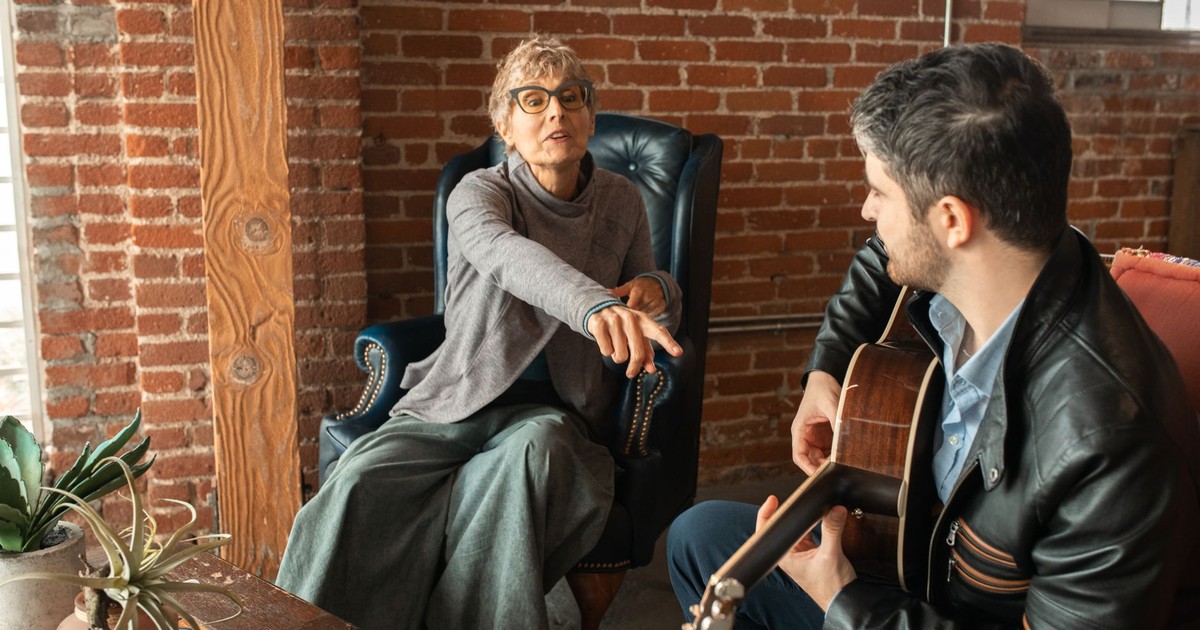
Persistent criticism of how young people live, work, dress, or communicate is one of the most socially damaging old age habits because it quietly drives family members away, making isolation worse over time.
A 2025 study published in BMC Psychiatry by Ye et al. found that repetitive negative thinking is a core symptom shared by many psychological risk factors that contribute to the development of cognitive impairment in older adults. The pattern tends to spread outward: people who are self-critical about their own aging often project that dissatisfaction onto the world around them, including the younger people they interact with. It becomes a way of articulating loss – of relevance, of speed, of cultural fluency – without naming it directly.
Non-pharmacologic therapies, such as cognitive-behavioral therapy for insomnia and related rumination patterns, can be highly effective and have sustained benefit. Building awareness of the rumination cycle – whether through therapy, mindfulness practices, or deliberate engagement with activities that generate positive present-tense experience – is an evidence-based route to reducing the negativity that feeds intergenerational friction.
10. Ignoring Vision Changes
Squinting at menus, holding phones at arm’s length, reluctance to drive at night but not admitting why – these are the outward signs of an old age habit built around quietly accommodating declining vision rather than addressing it. Presbyopia, the gradual loss of the eye’s ability to focus on nearby objects, typically becomes noticeable around age 40 and continues to progress until around age 65.
Beyond presbyopia, more serious conditions emerge with age. Age-related macular degeneration (AMD) is the leading cause of vision loss in people over 65. AMD damages the central part of the retina – the macula – which handles sharp, straight-ahead vision. In its early stages, it’s often unnoticed. By the time peripheral vision is obviously affected, significant damage has already occurred.
Annual eye exams become more important, not less, as people age. Conditions like glaucoma, cataracts, and AMD are all more manageable when caught early. Updating glasses prescriptions regularly also reduces fall risk, which is one of the primary injury concerns for adults over 65.
11. Neglecting Skin and Sun Protection
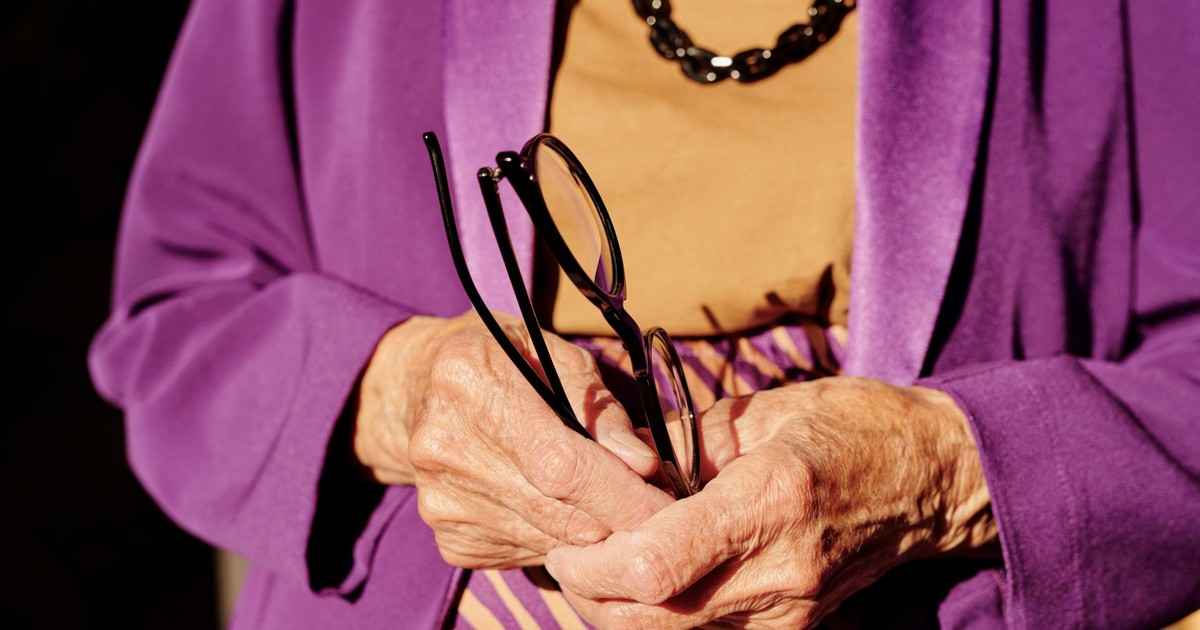
Dismissing sunscreen as unnecessary, skipping moisturizer, or not noticing new skin lesions because “it’s just age spots” – these habits carry consequences that accumulate invisibly until they don’t.
The loss of elastic fibers and collagen with age causes the skin to become more fragile, as noted across multiple aging studies. According to the National Institute on Aging, aging skin bruises and tears more easily, heals more slowly, and provides less protection against UV damage and infection. An older adult who is on blood thinners and has thin, dry skin is at risk of significant injury from what would be a minor bump in a younger person.
The habit of ignoring skin changes is also how skin cancers go undetected. Older adults have the highest incidence of melanoma and non-melanoma skin cancers precisely because they carry the longest cumulative sun exposure. A simple annual skin check with a dermatologist takes less than fifteen minutes and can catch changes early.
12. Internalizing Stress Without Seeking Support
Keeping worries private, refusing to acknowledge emotional difficulty, and presenting a stoic front to family and friends rounds out this list with a habit that carries some of the most serious downstream medical consequences.
Stress internalization has been identified by the National Council on Aging as a risk factor for age-associated cognitive decline among older adults. The mechanism involves chronic low-grade activation of the stress response system, which elevates cortisol, disrupts sleep, suppresses immune function, and over time damages the hippocampus – the brain region most critical for forming new memories.
Research published in 2025 found that approximately 28% of older adults experience depression, yet the condition remains significantly underdiagnosed in this age group because older adults are less likely to describe emotional symptoms and more likely to present with physical complaints like fatigue, pain, or appetite changes. The cultural norm of toughness in older generations makes it particularly hard to get help, because asking for it can feel like failure.
Cognitive behavioral therapy has a strong evidence base for treating rumination, negative thinking patterns, and insomnia in older populations. So does peer support and structured social connection. Naming stress to a doctor, not just enduring it silently, is itself a therapeutic act.
Read More: The Seven New Types of Old Age – And How to Tell Which One You Are
What to Do Now

None of the twelve habits on this list are permanent once identified. Most are driven by physiological changes – in hearing, vision, muscle mass, sleep architecture, and brain chemistry – that can be slowed, managed, or partly reversed with the right interventions. The habit itself is usually the symptom of an underlying change, not the disease.
The most useful first step is honest observation: both self-assessment and attentive watching of the people you care about. A repeating story, a blaring TV, a shrinking social calendar, or a sudden disinterest in personal hygiene are all data points. None of them should be met with embarrassment or avoidance. The earlier these patterns are named and investigated, the more options exist for changing their trajectory. A single conversation with a primary care physician, prompted by specific observed behaviors, is often enough to catch something that would otherwise progress for years undetected. Identifying old age habits early – before they compound – is the single most practical thing anyone can do, at any age.
Disclaimer: This information is not intended to be a substitute for professional medical advice, diagnosis, or treatment and is for information only. Always seek the advice of your physician or another qualified health provider with any questions about your medical condition and/or current medication. Do not disregard professional medical advice or delay seeking advice or treatment because of something you have read here.
AI Disclaimer: This article was created with the assistance of AI tools and reviewed by a human editor.
Read More: 10 Things You Need to Stop Saying to Yourself About Getting Older