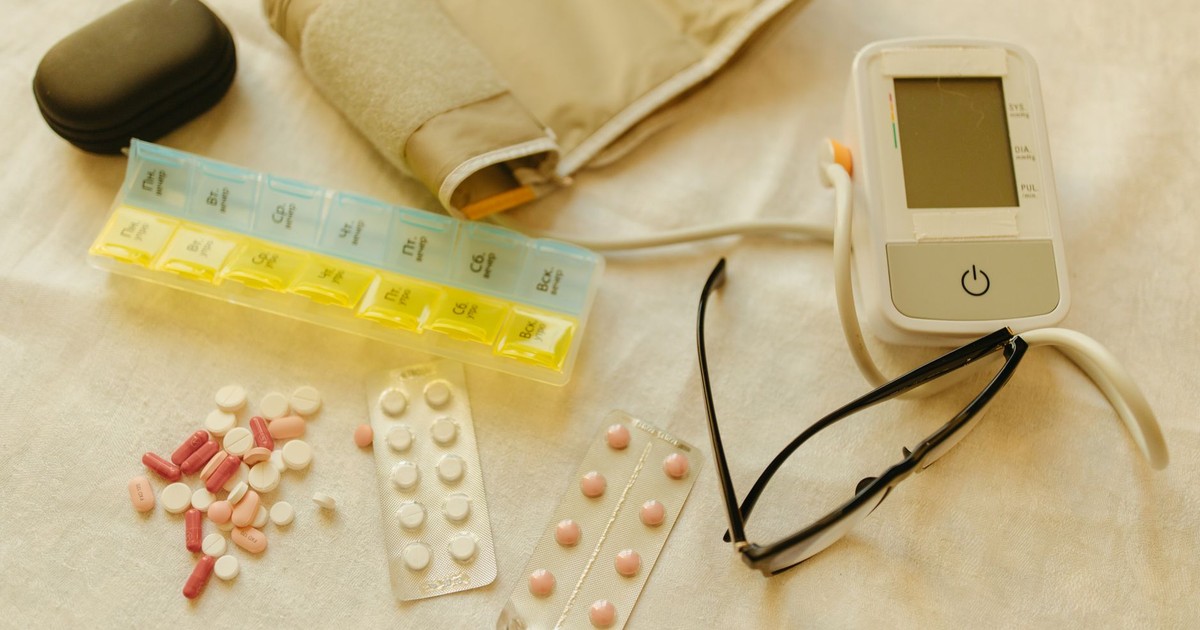

Men who quit their blood pressure medication are far more likely to have a stroke or heart attack than men who stay on it. And yet roughly 7 in 10 men who experience side effects from these drugs stop taking them, according to Harvard Health. Men whose prescriptions come with costs they weren’t warned about upfront are the norm – not the outlier.
Most men starting a blood pressure medication are motivated. They’ve had a bad checkup, their doctor was frank with them, and they’ve made a decision. What undercuts that decision is the steady accumulation of blood pressure medication side effects – fatigue that won’t budge, sexual problems that feel too embarrassing to raise with a prescriber, a cough that makes colleagues ask if they’re sick. These aren’t rare or trivial. They’re predictable, class-specific reactions that millions of men navigate without enough information to advocate for themselves.
Blood pressure medication side effects depend heavily on which drug class a man is taking. The same condition – hypertension – can be managed with five completely different drug types, each carrying a different side effect profile. A man who assumes his only option is the drug he was first handed is working with incomplete information.
1. Erectile Dysfunction from Diuretics

Diuretics are water pills that rid the body of excess sodium and water, lowering blood pressure as a result. They’re often the first medication prescribed for uncomplicated hypertension, and they’re widely considered safe and effective. The problem is what they do to sexual function in men.
Thiazide diuretics are the most common cause of erectile dysfunction among the high blood pressure medicines. The mechanism is dual. They can also deplete the body of zinc, which is needed to make the sex hormone testosterone. Lower testosterone translates directly into lower libido, and the effect compounds with age – a 55-year-old man on a high-dose thiazide diuretic who’s already experiencing a natural decline in testosterone is fighting on two fronts at once.
Research published in BJU International found that thiazide and thiazide-like diuretics reduce libido and cause difficulty achieving and maintaining erections, as well as problems with ejaculation – documented, reproducible effects across multiple studies. If a man on hydrochlorothiazide or chlorthalidone is experiencing any of these problems, switching to a different medication class is a reasonable and well-supported option to raise with a physician.
2. Erectile Dysfunction from Beta-Blockers
Beta-blockers are the second most common cause of erectile dysfunction among blood pressure medications. They work by slowing the heart rate and blunting the effects of adrenaline, which is effective for blood pressure control but also reduces the physical arousal response. A systematic review published in the European Heart Journal examining more than 35,000 people found that about 21.6% of those taking beta-blockers reported sexual side effects, compared to 17.5% who took a placebo. That gap – roughly 4 percentage points – is real but modest, and it matters for how the conversation with a doctor should go. Sexual problems on a beta-blocker aren’t imagined, but they also aren’t inevitable.
A 2022 study published in ScienceDirect found that up to 25% of all erectile dysfunction is related to medication use – making drug-induced ED one of the largest and most underrecognized contributors to a condition men frequently attribute to age or stress. The tendency to assume ED is a natural part of getting older delays conversations that could lead to a simple prescription change. If a man developed erectile problems within weeks of starting a new blood pressure drug, medication is the more likely cause than coincidence.
Men on beta-blockers experiencing sexual side effects have options. Drugs known as ARBs (angiotensin II receptor blockers) are not only unlikely to cause erection problems, but they may improve sexual function. According to WebMD, the percentage of men who reported having erectile dysfunction dropped from 75% to 12% after 12 weeks on losartan, an ARB commonly prescribed for hypertension. Men who have been told they simply need to “live with” sexual side effects deserve to know this data exists.
3. Fatigue and Exercise Intolerance from Beta-Blockers

Beta-blockers don’t just affect the bedroom. They cap the heart rate – which is precisely how they lower blood pressure – but that same mechanism limits how hard a man can push himself physically. A man who used to jog three miles and now feels winded halfway through isn’t being weak. His heart is pharmacologically prevented from reaching the speeds it needs to support sustained exertion.
Clinical data from a registered pharmacogenetic trial found that common side effects of chronic beta-blocker therapy include tiredness in 26% of patients, dizziness in 13%, and depression in 12%. This constellation matters because fatigue and low mood are both predictors of poor health behavior. A man who’s exhausted by mid-afternoon is less likely to exercise, less likely to cook nutritious meals, and more likely to sleep poorly – all of which work against the cardiovascular health the medication is supposed to protect.
Fatigue is a significant predictor of poor adherence to blood pressure therapy, according to research from the American Journal of Medicine. That creates a feedback loop: side effects cause men to skip doses, missed doses reduce the drug’s effectiveness, and uncontrolled blood pressure compounds the underlying cardiovascular risk. Diuretics also contribute to fatigue, particularly because fatigue is one of the most common side effects of both beta-blockers and diuretics. Distinguishing which drug is causing the tiredness – or whether it’s both – is a question worth posing directly at the next appointment.
4. Persistent Dry Cough from ACE Inhibitors

ACE inhibitors – drugs like lisinopril, enalapril, and ramipril – are among the most prescribed blood pressure medications in the world, and for good reason. They protect kidneys in people with diabetes, reduce the risk of heart failure, and are generally well tolerated. The exception is a dry, tickling cough that shows up in a meaningful proportion of users.
Evidence-based clinical practice guidelines published in CHEST found that dry cough affects between 5% and 35% of patients taking ACE inhibitors and often leads to discontinuation. The wide range reflects real variation across populations – cough is 2.5 times more likely in East Asian populations than in white populations, and overall prevalence in some cohort studies runs between 13% and 15%.
The mechanism is chemical. According to those same CHEST guidelines, ACE inhibitor-induced cough likely involves the accumulation of bradykinin and substance P in the upper respiratory tract and lungs – compounds that are normally degraded by the ACE enzyme but build up when it is inhibited. The cough typically develops anywhere from the first dose to several months into treatment, and usually resolves within one to four weeks after stopping the medication. ARBs do not carry this side effect and work through a related but different mechanism, making them the standard alternative when ACE inhibitor cough becomes intolerable.
5. Leg Swelling from Calcium Channel Blockers

Calcium channel blockers – drugs like amlodipine and nifedipine – relax artery walls and are widely used for both hypertension and angina (chest pain from reduced blood flow to the heart). They’re effective. They’re also the leading cause of medication-induced ankle and leg swelling.
A 2003 review in the Journal of Clinical Hypertension found that reported rates of peripheral edema with calcium channel blocker therapy can range from 5% to as high as 70% at higher doses – a dose-dependent pattern confirmed across multiple studies. The swelling is caused by increased fluid leakage from small blood vessels in the legs, which occurs because the medication dilates arteries but doesn’t equally dilate veins, leaving more fluid pressure at the capillary level.
Combining drug classes often reduces this side effect substantially. A meta-analysis in the American Journal of Medicine found that adding a renin-angiotensin system blocker – such as an ACE inhibitor or ARB – to a calcium channel blocker produced meaningfully lower rates of peripheral edema than the calcium channel blocker alone. A man who notices his ankles swelling after starting amlodipine should bring it up with his prescriber rather than stopping the medication unilaterally.
6. Dizziness and the Risk of Falls

Dizziness is a common side effect of blood pressure medications, often felt as lightheadedness – especially when sitting up or standing. It’s most pronounced when starting a new medication or after a dose increase, and the mechanism is straightforward: blood pressure drops, and blood flow to the brain temporarily lags.
The primary cause is orthostatic hypotension – a temporary drop in blood pressure upon standing – which reduces blood flow to the brain and causes lightheadedness. For younger men, this is mostly an inconvenience. For men over 60, medication-related dizziness is a fall risk with serious downstream consequences, including hip fracture and the hospitalizations that follow.
Rising slowly from a chair, sitting on the edge of the bed for 30 seconds before standing, and staying well hydrated all reduce the frequency and severity of these episodes. If dizziness persists beyond the first few weeks of starting a drug or after a dose increase, a conversation about timing, dose, or medication class is warranted.
Read More: Stop Pairing This Common Supplement With Blood Pressure Medication, Cardiologists Beg
What to Do With This Information

Medication adherence in hypertensive men is closely tied to sexual dysfunction – men experiencing side effects that are rarely discussed in a brief clinic visit are the ones most likely to quietly stop treatment. That silence carries a real medical cost.
Every class of blood pressure medication works differently and carries a distinct set of trade-offs. A man who develops erectile dysfunction on hydrochlorothiazide is experiencing a predictable consequence of one specific drug class, not an unavoidable consequence of hypertension treatment. Alpha-blockers, ACE inhibitors, and angiotensin-receptor blockers rarely cause erectile dysfunction and represent legitimate alternatives a prescriber can explore. Naming the side effect, identifying which drug is likely causing it, and asking directly about alternatives puts a man in a far stronger position than simply stopping the prescription and hoping blood pressure stays manageable on its own.
Disclaimer: The author is not a licensed medical professional. The information provided is for general informational and educational purposes only and is based on research from publicly available, reputable sources. It is not intended to constitute, and should not be relied upon as, medical advice, diagnosis, or treatment. Always consult a licensed physician or other qualified healthcare provider regarding any medical condition, symptoms, or medications. Do not disregard, avoid, or delay seeking professional medical advice or treatment because of information contained herein.
AI Disclaimer: This article was created with the assistance of AI tools and reviewed by a human editor.
Read More: 8 Foods That Could Be Making Your Blood Pressure Worse