
There’s something quietly unsettling about the way chronic inflammation works. It doesn’t announce itself with a fever or a swollen ankle. It hums along in the background, week after week, year after year, gradually nudging your body toward conditions you’d rather not think about. Heart disease. Arthritis. Type 2 diabetes. Certain cancers. Chronic inflammation often develops without obvious pain or noticeable symptoms, but over time, it can contribute to serious health problems, including heart disease, type 2 diabetes, obesity, arthritis, and even cancer.
The good news is that your spice rack might be doing more work than you realize. Long before modern medicine had a name for inflammatory pathways, traditional healers in India, China, and the Mediterranean were using aromatic plants to soothe pain, fight infection, and calm flare-ups. Many common foods and seasonings, including herbs, spices, and aromatic plants, contain natural compounds known as phytochemicals that can affect inflammatory pathways – and these ingredients have been combined in traditional diets and herbal remedies for centuries, long before their biological roles were understood.
What’s changed is that science is finally catching up. Researchers now understand, at the molecular level, how certain spices interact with the immune system. The results are genuinely interesting – not miracle cures, but real, measurable effects that make a compelling case for keeping your spice drawer well-stocked. Here are seven spices backed by solid research, along with what the evidence actually shows and how to get the most out of each one.
1. Turmeric
Turmeric is the spice that kicked off the modern interest in anti-inflammatory eating, and the research has largely held up. Curcumin, a natural compound derived from the rhizome of the turmeric plant, has garnered significant attention for its health-promoting properties – including anti-inflammatory and antioxidant effects, as well as immune response modulation.
A substantial body of research, including dozens of meta-analyses of randomized controlled trials, has examined curcumin’s effects on inflammation and metabolic health. Many of these analyses report modest reductions in markers like C-reactive protein (CRP) and interleukin-6 (IL-6), though results are not entirely consistent and often depend on study design, population, and formulation. While lower CRP and IL-6 levels generally indicate reduced systemic inflammation, the clinical significance of these changes remains under investigation.
One practical challenge with turmeric is absorption. Curcumin is not easily taken up by the body on its own. To maximize the absorption of curcumin, pair turmeric with black pepper, which can increase its absorption by up to 2,000%. Eating it alongside healthy fats like olive oil or coconut oil also helps. A small amount of turmeric – around a teaspoon – stirred into soups, stews, scrambled eggs, or a warm golden milk latte is a practical daily habit that doesn’t require any significant change to your diet. If you take any blood thinners or are pregnant, speak with your doctor before using curcumin supplements, as high doses can interact with certain medications.
2. Ginger
Ginger is best known for helping with nausea, but its effects go well beyond the stomach. It contains natural compounds like gingerol and shogaol that can interact with inflammation pathways in the body. These compounds may help dial down signals that drive inflammation, including molecules involved in pain and immune activation.
In human studies, ginger has been shown to slightly lower common inflammation markers like CRP, IL-6, and TNF-alpha, especially in people with existing health conditions. A 2025 meta-analysis combining multiple clinical trials found small but measurable reductions in these markers, although results varied depending on dose and study quality.
There’s also early research suggesting ginger may influence how certain immune cells behave, including neutrophils, which are involved in inflammation and clotting. Some experimental work suggests ginger compounds may make these cells less likely to form inflammatory structures called NETs, which are linked to autoimmune conditions like lupus and rheumatoid arthritis. However, this research is still early and not yet confirmed in large clinical trials.
Ginger has also demonstrated efficacy in treating several inflammatory diseases – including rheumatoid arthritis, ulcerative colitis, and psoriasis – through inhibitory effects on the NF-κB signaling pathway, and both clinical and preclinical studies have suggested that ginger is comparable to NSAIDs (non-steroidal anti-inflammatory drugs) in some respects, but with fewer gastrointestinal side effects. Fresh or powdered ginger works well in teas, smoothies, stir-fries, and marinades. For people managing chronic joint conditions, research has explored dosages in the range of 1 – 2 grams per day, though always consult a healthcare provider for personalized guidance.
3. Garlic
Garlic’s health reputation is centuries old, but modern science now explains the mechanism behind it. The key player is allicin – a sulfur compound that forms only when garlic is crushed, chopped, or chewed. Many in vitro and in vivo studies have reported that the sulfur-containing compounds in garlic, including allicin and ajoene, have effective anti-inflammatory, antioxidant, antimicrobial, immune-boosting, and cardioprotective properties.
Garlic compounds, particularly aged garlic extract, modulate the NF-κB inflammatory pathway, reducing the production of pro-inflammatory cytokines including IL-6 and TNF-alpha – proteins that, when chronically elevated, can damage tissues and weaken immune function. There’s also good evidence for garlic’s immune benefits more broadly. One older, but well-known 2001 study published in the journal Advances in Therapy found that individuals who took a garlic supplement daily experienced 63% fewer colds than those who took a placebo, and for those who did catch a cold, symptoms lasted about 70% shorter on average.
One often-overlooked preparation tip makes a real difference here. Cooking destroys allicin by inactivating the alliinase enzyme, but the key trick is to crush garlic and wait 10 minutes before cooking – this allows allicin to form first, and some survives brief cooking. If you use garlic regularly in cooking, making this simple habit change costs nothing and meaningfully preserves its benefits. Raw garlic delivers the most potent effect, while aged garlic extract supplements offer a more stable, well-tolerated alternative for those who can’t tolerate the raw version.
4. Cayenne Pepper
Cayenne pepper’s active compound, capsaicin, is one of the most clinically studied natural anti-inflammatory agents available. Cayenne pepper has real anti-inflammatory properties, and the evidence is stronger than for many spices that get the “superfood” label. The active compound responsible is capsaicin, which works through multiple pathways to reduce inflammation both when applied to the skin and when eaten.
Beyond the nervous system, capsaicin also interferes with one of the body’s central inflammation switches – a protein complex called NF-kB. When NF-kB is active, it moves into the nucleus of cells and turns on genes that produce inflammatory molecules. Capsaicin blocks that process, keeping NF-kB from entering the nucleus and reducing the downstream production of inflammatory signals.
The most clinically tested use of capsaicin as an anti-inflammatory is in topical creams for osteoarthritis. A 2024 systematic review and meta-analysis of eight studies found that topical capsaicin significantly reduced pain severity compared to placebo. Orally, cayenne adds a meaningful anti-inflammatory contribution when used regularly as part of your cooking. It pairs well with eggs, soups, roasted vegetables, and grain dishes. People on blood thinners or ACE inhibitor medications should check with their doctor before using cayenne in large amounts, as capsaicin can interact with both drug classes.
5. Cinnamon
Most people think of cinnamon as a baking spice, but its anti-inflammatory profile is surprisingly robust. Cinnamon’s health benefits stem from its unique blend of bioactive compounds, including cinnamaldehyde – the primary compound responsible for cinnamon’s distinctive smell and flavor – which has antioxidant, anti-inflammatory, and antimicrobial properties.
Research investigating cinnamon’s potential shows that cinnamon has polyphenolic compounds that may reduce multiple markers typically associated with inflammatory disease, and a 2023 in vitro study suggests that Ceylon cinnamon’s antioxidant and anti-inflammatory compounds may remain bioavailable through digestion, unlike some other food compounds. Ceylon cinnamon, often called “true cinnamon,” is the preferred variety for regular use. Ceylon cinnamon is known for its mild aroma and excellent safety profile, while the cassia variant has higher levels of coumarin – a molecule that can be toxic to the liver in high amounts when consumed daily.
For regular daily use, Ceylon cinnamon is the smarter choice. It costs a bit more and is worth seeking out at specialty grocery stores or online. Add half a teaspoon to your morning oatmeal, stir it into coffee, or blend it into smoothies. Beyond inflammation, cinnamon – particularly Ceylon – is celebrated for supporting healthy blood sugar levels, heart health, and providing antioxidant and digestive benefits.
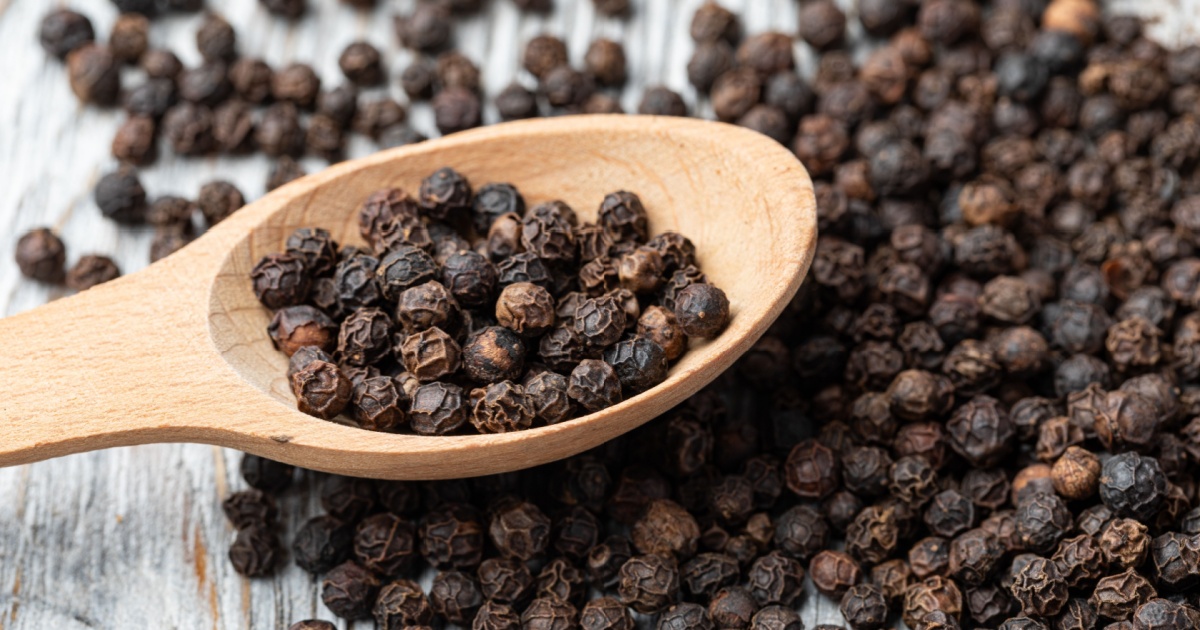
6. Black Pepper
Black pepper tends to be thought of as the seasoning that just makes food taste better, but it earns its place on this list in its own right. Black pepper is a common culinary spice with meaningful anti-inflammatory potential. It contains piperine, which may enhance the absorption of other beneficial compounds, including turmeric (curcumin), selenium, and beta-carotene.
Black pepper is widely known as the “king of spices.” While limited human research has been conducted on its standalone anti-inflammatory properties, animal studies have shown that piperine – the active compound in black pepper – can reduce joint swelling and inflammation. Its supporting role may be just as valuable as its direct effects. When you combine turmeric and black pepper, as has been done in traditional cooking for thousands of years, you get significantly stronger anti-inflammatory action than either spice delivers alone. This type of synergistic effect – where compounds work together inside cells to produce stronger results in combination than on their own – had rarely been tested or explained at the molecular level until recently.
The practical takeaway here is simple: use black pepper generously and use it alongside other anti-inflammatory spices whenever possible. It costs almost nothing, pairs with nearly every savory dish, and the combination with turmeric is one of the most evidence-backed flavor pairings in functional cooking. If you currently reach for pre-ground pepper, switching to freshly ground black pepper also preserves more of the active piperine.
7. Rosemary
Rosemary is frequently overshadowed by turmeric and ginger in anti-inflammatory conversations, but it has a well-documented case of its own. Rosemary is a fragrant herb packed with antioxidants, including rosmarinic acid, which has demonstrated significant anti-inflammatory properties. Scientists continue to validate rosemary’s role in reducing inflammation markers in conditions like arthritis, and rosemary consumption correlates with lowered cytokines and improved immune response.
Rosmarinic acid works in a similar way to other plant-based anti-inflammatory compounds – by interfering with key inflammatory signaling pathways. Rosemary is rich in antioxidants, including phenolic acids and flavonoids, that help neutralize free radicals and reduce oxidative stress. It also contains the terpenes carvacrol and thymol, which have demonstrated strong antioxidant and anti-inflammatory effects in both animal and laboratory studies. Most of rosemary’s research base comes from laboratory and animal studies, with fewer large-scale human trials, so the findings are promising but should be interpreted with appropriate caution.
Rosemary is easy to use and widely available. It works particularly well with roasted vegetables, chicken, lamb, and root vegetables. You can also steep a sprig of fresh rosemary in hot water for a simple herbal tea. Dried rosemary works just as well in most recipes, and because rosemary is quite aromatic, a small amount goes a long way.
Read More: 7 Herbs That Fight Joint Pain And How To Eat More Of Them
What This Means for You
None of these spices are medications, and they shouldn’t be treated as replacements for medical care. But the body of evidence supporting their anti-inflammatory effects – especially for turmeric, ginger, and garlic – is substantial enough that incorporating them regularly into your diet is a genuinely worthwhile health habit. The choices you make at the grocery store can affect the inflammation in your body.
The most practical approach is to think less about dramatic dietary overhauls and more about consistent small additions. A turmeric-and-black-pepper combination in a daily golden milk or curry, crushed garlic resting for ten minutes before cooking, ginger stirred into morning tea – these are low-effort, cumulative habits that cost almost nothing. Consistent, small daily servings of spices are more beneficial than high sporadic doses. If you’re managing a specific inflammatory condition, always discuss dietary changes and especially supplements with your doctor, since some of these compounds can interact with medications or may require careful dosing.
You can also learn more about building a broader anti-inflammatory eating pattern with anti-inflammatory foods you should be eating, which pairs well with the spice habits covered here.
Disclaimer: This information is not intended to be a substitute for professional medical advice, diagnosis or treatment and is for information only. Always seek the advice of your physician or another qualified health provider with any questions about your medical condition and/or current medication. Do not disregard professional medical advice or delay seeking advice or treatment because of something you have read here.
AI Disclaimer: This article was created with the assistance of AI tools and reviewed by a human editor.
Read More: Dietitian Drinks The Same Anti-Inflammatory Drink Every Time They Get Sick