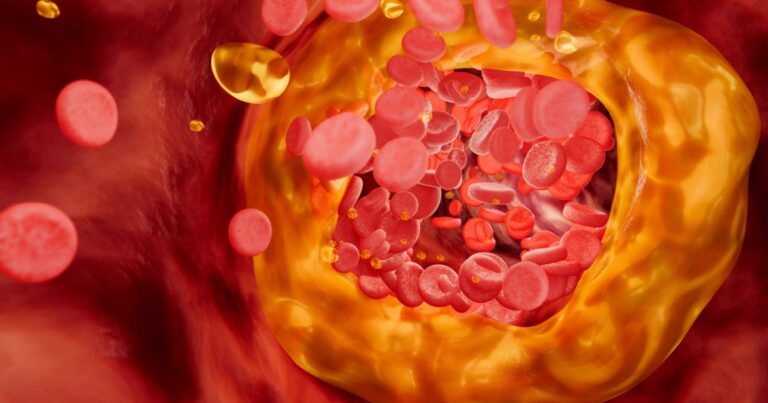
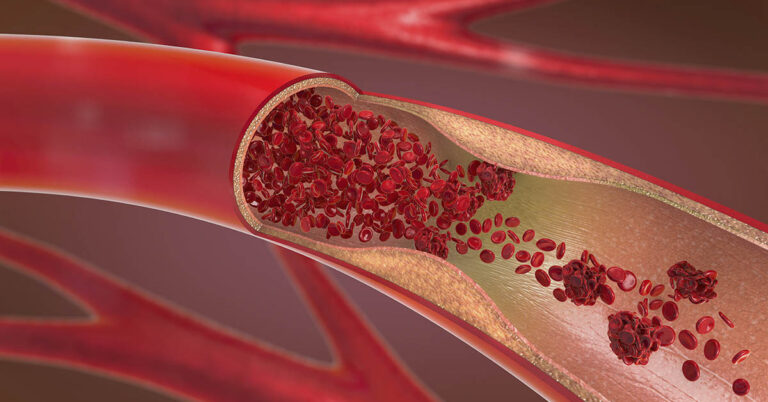
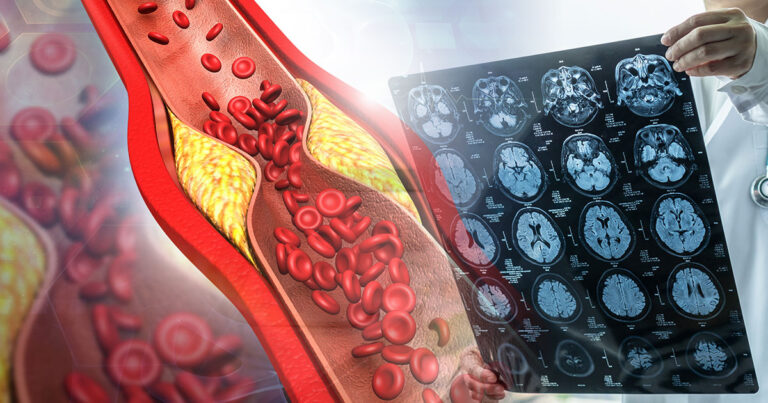
Most heart attacks start with an issue that initially hides in plain sight. Plaque can sit inside an artery for years, then suddenly crack and trigger a clot. Doctors can lower LDL and control blood pressure, yet they still struggle to spot which plaques will eventually become dangerous. Many scans can reveal how narrow an...
Seasonal influenza has shifted early this year, and public health agencies are now tracking a rapidly growing H3N2 lineage called the K-variant flu. The scientific label is influenza A(H3N2) subclade K, but the CDC also uses the genetic name J.2.4.1 for this branch. According to the WHO, they have observed a “recent and rapid rise”...
“Christmas food comas” are almost a festive tradition. Someone leans back, rubs their stomach, and declares defeat. The phrase sounds dramatic, but for most people, it describes a short-lived crash after overeating. Dr Fuad Jafarov, a gastroenterologist with the ACIBADEM group, says most post-meal bloating and sluggishness come from overindulgence. People eat more, drink more,...
Headlines in mid-December 2025 suggested the FDA was considering its strongest label language for COVID-19 vaccines. Yet follow-up reporting indicated that FDA leadership had no plans to add a boxed warning, or “black box,” warning. That swing is significant because a boxed warning is a high-impact signal to clinicians and patients. It can change how...
Medical marijuana is often sold as a modern cure, backed by confident claims and glossy labels. Yet when the hype is stripped away, the science looks far less certain. A major review published in JAMA on November 26, 2025, set out to test the most common medical promises against the best available evidence. It pulled...
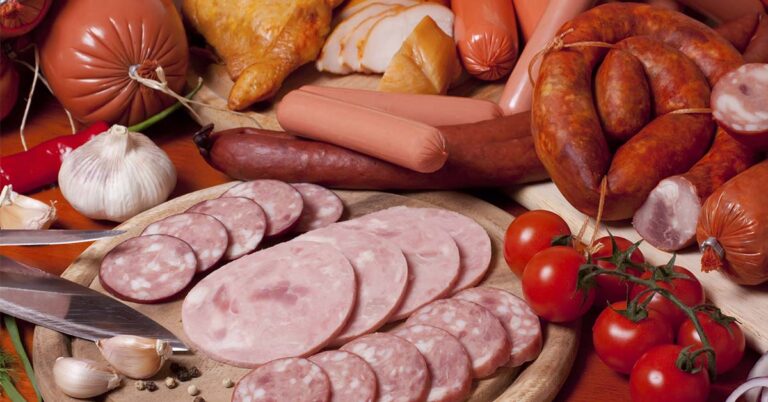
Processed meat is designed for convenience. It is salty, shelf-stable, and engineered to taste strong even after weeks in a fridge. That same processing also changes what ends up in the body. Over time, frequent intake can raise the risk for colorectal cancer, cardiovascular disease, and type 2 diabetes. The goal is not panic or...
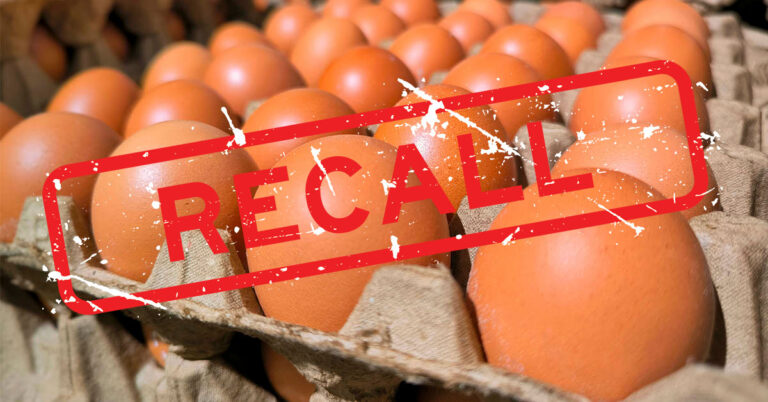
In early December 2025, California investigators tied a Salmonella Enteritidis outbreak to eggs. They reported 63 illnesses and 13 hospitalizations. Officials quickly traced carton codes and subsequently pushed alerts to homes and food businesses. Even just one contaminated batch can move through several markets, restaurants, delivery vans, and busy kitchens. This rapid spread can quickly...
Blood clots help the body stop bleeding after an injury, which is a normal and protective response. However, a clot becomes dangerous when it forms inside a vein or artery without a cut or wound. In these cases, the clot can narrow a blood vessel and slow circulation. It can also block blood flow entirely,...
Speculation about Donald Trump’s MRI grew because early details were few and far between. The public heard about “advanced imaging” after his October visit to Walter Reed. Yet the purpose was not described clearly at first. That changed on November 30, 2025, aboard Air Force One. Asked what body part was scanned, Trump replied, “I...
Collagen powders, drinks, and gummies promise firm skin and fewer wrinkles, so it is no surprise they fill bathroom shelves and social feeds. People stir the powder into coffee, smoothies, yoghurt bowls, and even water bottles at their desks. Marketing often frames collagen as an effortless shortcut to youthful skin, which sounds tempting during busy...
Morning routines can either ease pressure on your heart or push it harder from the moment you wake up. Blood pressure rises naturally in the early hours, while hormones like cortisol increase. If you already live with hypertension or high cholesterol, the choices you make during this window can raise risk even further. Small shifts...
For decades, cancer sat at the top of most people’s health fears. That is now changing in a striking way. New research from at-home care provider Home Instead, found that dementia has become Britain’s biggest health fear, overtaking cancer in the minds of family carers. Around 31% of family carers now fear dementia most, while...