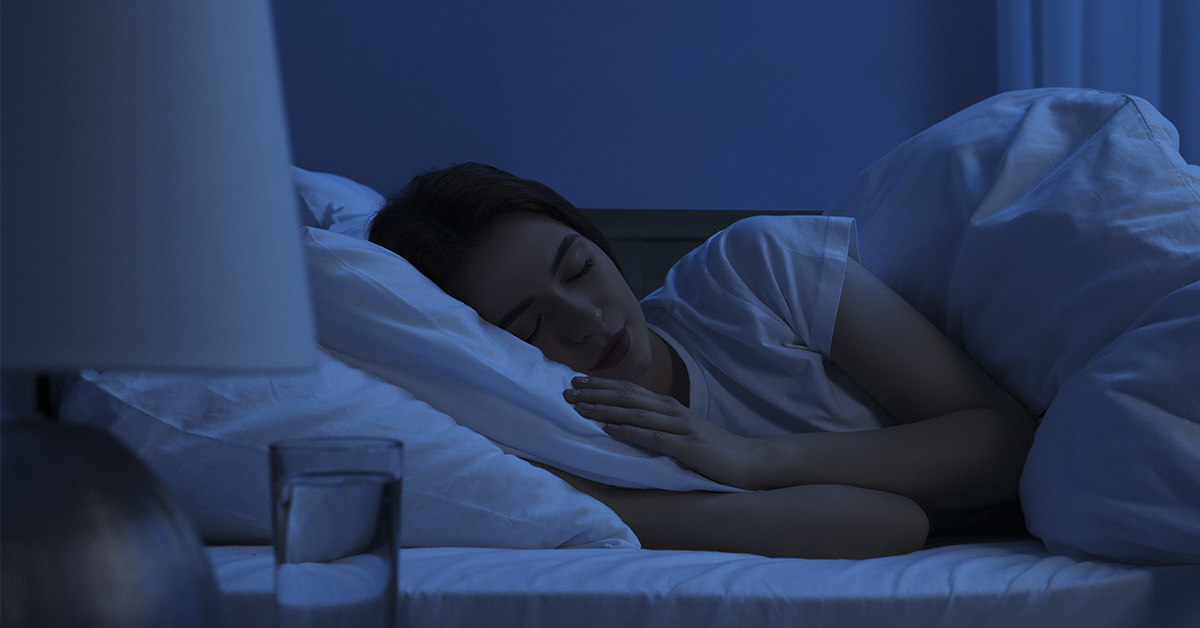

It’s not unusual to wake up during the night. Many people wake up a few times without noticing because they quickly fall back asleep. But if they are stuck tossing and turning, they can end up feeling agitated and tired the next day. These bouts of poor sleep may happen from time to time because of stress, medical conditions, environmental disturbances, etc. However, regularly waking up at 2 AM could be a sign of insomnia or another underlying health issue.
Vitamin deficiencies
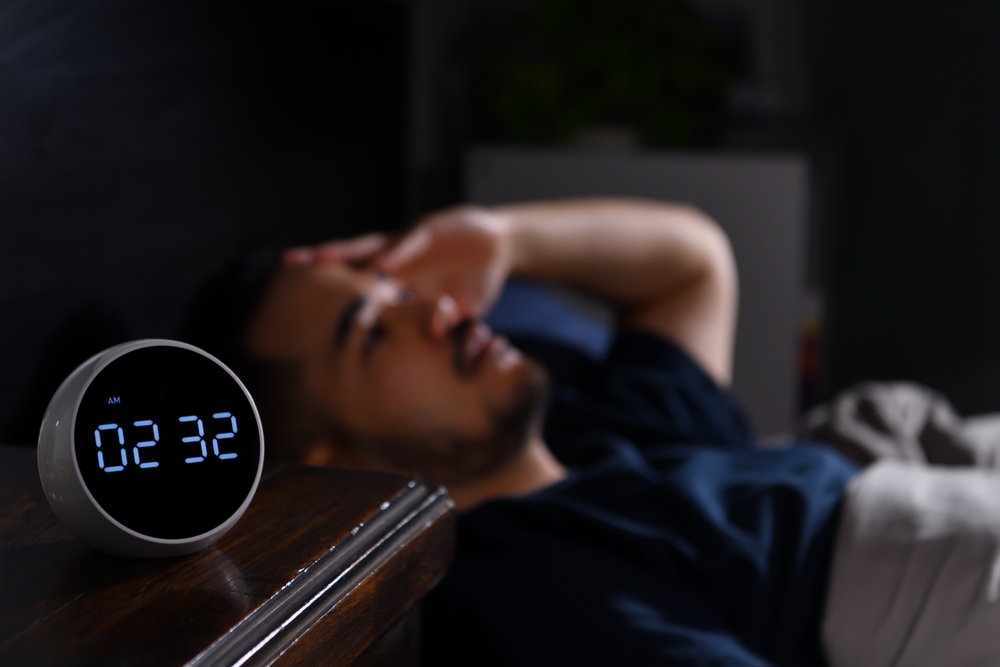
Frequently waking up at night could be the body’s way of reporting vitamin inadequacies. There is not enough current research to prove that deficiencies cause insomnia. However, some studies have linked vitamin levels to sleep quality. These involve vitamin D, vitamin C, and vitamin B6. Scientific evidence indicates that vitamin D receptors in the brain help with sleep regulation. Additionally, vitamin D deficiency increases the risk of disorders that negatively affect sleep, such as depression.
Research has linked low vitamin C intake with non-restorative sleep, which is when a person feels tired no matter the hours of rest. And the body uses vitamin B6 for immune function, metabolism, and synthesizing neurotransmitters — including ones that help regulate sleep patterns, reports Medical News Today. If you have trouble falling asleep or are frequently waking up at 2 or 3 AM at night, speak to your doctor to develop a personalized treatment plan. If you are concerned about vitamin deficiencies, request a blood test to check your levels before starting any supplements.
Read More: Six Natural Ways To Help You Get a Better Sleep
Low blood sugar
Sometimes, the solution to poor sleep is simply eating a snack. “The first question I ask [my patients] is, ‘When was the last time you ate?’” says Michael Breus, Ph.D., a psychologist who specializes in sleep disorders, to Sleep.com. “Often, they’ve finished their last meal at 7 PM. Now it’s 3 in the morning — that’s eight hours later — so guess what? They’re out of fuel.” This causes cortisol levels to increase, jumpstarting the metabolism, creating hunger cues, and waking you up at 2 AM to eat.
You can prevent this by having a light snack before bed. (Emphasis on “light” since a full stomach could also lead to poor rest. “About 30 minutes before bedtime, think about having a 250-calorie snack that’s 70% complex carbs and 30% protein. An apple with some nut butter would be perfect. Or a non-sugary cereal like oatmeal with some almond milk,” Breus says. For those who don’t feel like eating, they could have a teaspoon of raw honey in a tea or on its own. “I’ve found that raw honey is difficult for the body to metabolize and helps keep your blood sugar stable longer. Many of my patients can make it through the night simply with a teaspoon of honey before bed.”
Magnesium inadequacy
Similar to vitamins, research is limited when it comes to proving magnesium’s effect on sleep. However, expert inference and anecdotal testimonies have linked higher magnesium levels to better sleep, longer sleep duration, and less exhaustion the next day, explains the Sleep Foundation. Additionally, despite the limited scientific evidence, magnesium is used to treat leg cramps and restless leg syndrome, both of which can contribute to poor sleep. Keep in mind, magnesium supplements can lead to side effects such as stomach upset. Avoid this by consuming magnesium in foods such as pumpkin seeds, chia seeds, almonds, spinach, salmon, halibut, and potatoes, according to the NIH.
Read More: Just Three Nights of Poor Sleep Can Cause Heart Problems, Study
Other health conditions that cause waking up frequently at night

- Restless legs syndrome
- Sleep apnea
- Depression
- Neuropathy
- Indigestion
- Frequent urination
- Indigestion
- Menopause
- Anxiety disorders
- If you suffer from any of these medical conditions (or others that affect rest), speak to your doctor about how to navigate your symptoms to ensure better sleep.
How to go back to sleep after waking up at 2 AM
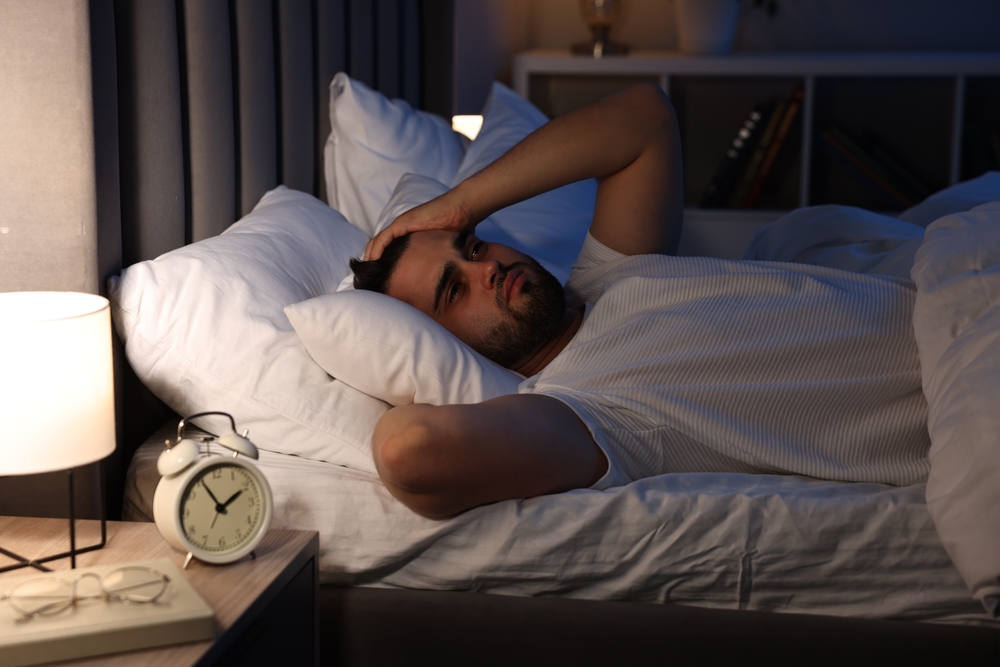
- Don’t watch the clock. It will only cause anxiety. Unless your alarm is ringing, it’s time to sleep, and knowing the exact hour won’t help with that.
- Get comfortable. Go to the bathroom if you need, ensure the room is cool and dark, and adjust your bedding if desired.
- Relax all muscles, one group or body part at a time. Take slow and deep breaths between each set.
- If you can’t fall back asleep and you guess that about 20 minutes has passed, go to another room, says Healthline. Keep the lights low and do a calming activity such as reading a book(not on a screen) or listening to soft music. Return to bed once you feel more tired.
- The next day, wake up at your usual time, and go to bed at the usual time. Avoid napping in between. This can be difficult but it will be beneficial long-term as the body gets on a good sleep schedule, advises John Hopkins sleep expert Luis F. Buenaver, Ph.D., C.B.S.M.
Disclaimer: This information is not intended to be a substitute for professional medical advice, diagnosis or treatment and is for information only. Always seek the advice of your physician or another qualified health provider with any questions about your medical condition and/or current medication. Do not disregard professional medical advice or delay seeking advice or treatment because of something you have read here.
Read More: 10 Bedtime Drinks That Promote Sleep and Why They Work