The Most Expensive States to Buy Rental Property in 2026 — And Where to Buy Instead
Hawaii has the highest electricity rate in the United States, sitting at around 42 cents per kilowatt-hour as of mid-2026 – more than double the national residential average of roughly 17.65 cents. For a real estate investor trying to run the numbers on a rental property there, that single utility cost can quietly eat through any margin a landlord hoped to build. And that’s before accounting for the purchase price.
The gap between Hawaii and the next most expensive state for rental property is more than $100,000 in median home value, with homes on Oahu averaging well over $1.1 million – driven by extreme geographical constraints, tourism demand, and high construction costs. That kind of price gap between states one and two on any list is unusual. In most categories, the top and the runner-up are close. Not here.
The U.S. rental property market in 2026 rewards investors who understand geography before they fall in love with a property. The expensive rental property states aren’t simply places where homes happen to be pricey. They’re places where the combination of entry cost, operating expenses, and regulatory friction stacks up in a way that makes cash flow genuinely difficult. The best places to buy, meanwhile, are rarely the flashiest markets. They’re the ones where the math quietly works.
The Most Expensive States to Buy Rental Property
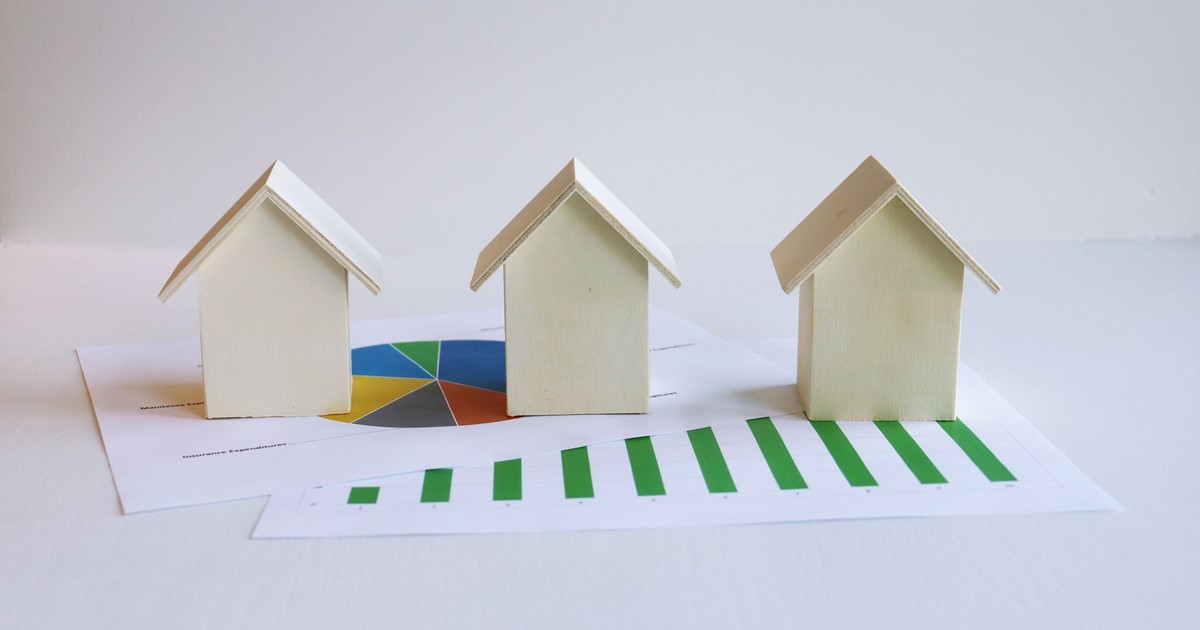
Market analysis charts like these reveal which states command the highest rental property prices, directly impacting your investment budget. Image Credit: Artful Homes / Pexels
1. Hawaii
Hawaii ranks as the most expensive state to buy an investment property by a wide margin, with homes costing more than twice the U.S. average due to extreme geographical constraints, tourism demand, and high construction costs. On Oahu specifically, Locations Hawaii’s May 2026 market report shows the median single-family home sale price at $1,170,500 – flat year-over-year but still nearly 2.7 times the national baseline. The U.S. median home price for single-family homes was $436,523 in May 2026, meaning an Oahu purchase doesn’t just stretch a budget – it effectively operates in a different asset class.
Hawaii’s short-term rental market is under pressure from local lawmakers, who are already phasing out short-term rentals on Maui to create housing for residents. Statewide, long-term rental demand is strong, driven by a large renter population. But the combination of high entry prices and rising operating costs means investors who haven’t done thorough market research can easily lose money on rental properties there.
The operating cost picture is equally sobering. According to Electric Choice’s July 2026 state electricity rate data, Hawaii’s average residential electricity rate is 43 cents per kWh – the highest in the nation, 144% above the national average. The utility operator Hawaiian Electric confirms that costs are driven by geographic isolation and dependence on imported oil, with fuel making up roughly half of a typical bill. Rental income does exist – Redfin’s Hawaii housing market data for May 2026 shows ongoing sales activity, though prices have softened slightly. But when a single-family home on Oahu carries a median price above $1.1 million, the rent-to-price ratio makes conventional cash flow nearly impossible without a very large down payment.
2. California
California has long been the second-most expensive state to buy rental property, primarily due to high housing prices in the San Francisco Bay Area and Los Angeles. Although the cheaper Central Valley and Inland Empire bring down average costs, homeownership rates sit at just 55% as of 2025. That low ownership rate tells a specific story: a huge proportion of Californians rent because they simply can’t afford to buy, which creates consistent demand for rental units but doesn’t make it easier for investors to enter the market.
With that large renter population, California is one of the least landlord-friendly states in the country due to its strict rent control laws, high income taxes, and variations in local landlord-tenant laws. The state also heavily regulates short-term rentals, making Airbnb equally difficult to operate profitably.
According to Forbes Advisor’s 2026 state home price data, California leads all U.S. states with a median home price of $854,000 – placing it far above the national single-family median of $436,523. For investors, the challenge isn’t finding tenants. It’s covering a mortgage on a purchase that costs twice the national average while navigating one of the most complex landlord-tenant legal environments in the country. Markets outside the Bay Area and Los Angeles, including parts of the Inland Empire and Sacramento, offer lower entry points, but they still carry California’s regulatory overhead.
3. Washington State
Washington’s housing demand is primarily concentrated in the Seattle metro, home to major corporate employers like Amazon, Starbucks, and Microsoft. Though home prices have dipped slightly from their 2024 peak, Washington remains within the top five most expensive states to buy rental property in 2026.
Seattle is where the price pain is most acute. Redfin’s Seattle housing market data shows a citywide median sale price of approximately $879,000 over the three months ending May 2026, while Zillow’s home value tracker puts the average Seattle home value at $865,273. Part of what drives that is workforce composition: Popach & Co.’s June 2026 Seattle housing market analysis, which draws from NWMLS, Redfin, and Zillow data, notes that Seattle has the highest concentration of tech workers of any major city in the U.S., at 9.4% of total employment – a workforce that bids up home prices and rents simultaneously, which benefits landlords in theory but squeezes them on acquisition cost.
While cities like Spokane and Yakima offer more affordable entry points, landlords across the state must contend with just-cause lease termination requirements, rent increase restrictions, and lengthy eviction timelines. Those regulatory conditions don’t eliminate profit, but they do narrow the margin for error. An investor entering Seattle at current prices needs a substantial rent premium just to break even, and the state’s tenant-protection laws make it harder to respond quickly when a tenancy goes sideways.
4. Massachusetts
Massachusetts has one of the highest average housing prices among states because of its elite universities, a highly concentrated job market, and severely limited housing supply. Costs are particularly high in Boston and Cape Cod, though the Pioneer Valley area offers a more affordable alternative for investors willing to look beyond the headline markets.
The numbers back that up. Redfin’s Massachusetts housing market data shows a statewide median home price of $667,628 as of May 2026 – still more than 50% above the national median, even after factoring in less expensive western parts of the state. Boston and the surrounding suburbs regularly produce listings well north of $800,000 for entry-level investment properties.
Massachusetts law tends to favor tenants. The state requires landlords to pay annual interest on security deposits and gives tenants the right to seal their eviction records, limiting what future landlords can see. Investors here also face high entry costs, thin margins, and increasingly complex landlord-tenant laws, making rental property operations difficult at best. For investors who do commit to Massachusetts, the universities – Harvard, MIT, Boston University, Tufts, and dozens of others – create a perennial pool of tenants, but student housing comes with its own management demands and short lease cycles.
The Best Places to Buy Rental Property in 2026
Financial tools and currency shown here underscore the importance of comparing affordable investment opportunities across different states. Image Credit: Jakub Zerdzicki / Pexels
The expensive rental property states above share one common thread: high acquisition costs that compress returns before an investor has signed a single lease. The markets below take the opposite approach, prioritizing cash flow, landlord-friendly laws, and entry prices that leave room to profit even in a high-interest-rate environment.
1. Dallas-Fort Worth, Texas
With over 8.3 million residents and projected to surpass 10 million by 2030, Dallas-Fort Worth ranks among the top metro areas for economic growth, and its diverse economy and Sun Belt positioning make it one of the best places to buy rental property for appreciation-focused investors. The region spans 12 counties with multiple economic centers, meaning investors have genuine options across price points and submarkets.
The DFW story for landlords is corporate migration. Dallas is a massive corporate hub; when businesses move there, employees need places to live. That demand pipeline is relatively durable compared to markets where growth is driven by a single employer or sector. One note of caution: Integra Realty Resources’ Viewpoint 2026 notes that many Sun Belt metros are still working through excess multifamily supply, and the national multifamily vacancy rate stabilized at 6.5% throughout 2025 as slower supply growth allows demand to catch up. Investors targeting apartment buildings in DFW specifically should scrutinize local vacancy data before buying. Single-family rentals remain a stronger near-term bet in the market.
Cleveland offers some of the best rent-to-yield ratios in the country. Property prices remain remarkably low, making it one of the few major metro areas where a landlord can build positive cash flow from day one without needing a large down payment or premium location.
Research from The Hearty Soul’s analysis of top cash flow markets shows Cleveland with a reliable rental yield around 9.8% – and that the Cleveland Clinic anchors a healthcare and education economy that provides genuine rental demand. The barrier to entry is low, making it a practical market for building a portfolio of multiple properties relatively quickly. For investors whose first priority is monthly cash flow rather than appreciation, Cleveland’s rent-to-price ratio is the number that matters most.
3. Indianapolis, Indiana
Indianapolis is another Midwest cash flow market with strong population and rent growth trends relative to its below-average home prices. The combination of low acquisition costs and steady demand from a stable, logistics-and-manufacturing-anchored economy gives it a different character from high-volatility Sun Belt markets.
Indianapolis’s rent-to-price ratios range from 0.9% to 1.1%, placing them among the strongest in the country. That means a property bought for $175,000 might rent for roughly $1,575 to $1,925 per month – giving investors a fighting chance at positive monthly cash flow even in a higher-interest-rate environment. Unlike the coastal expensive rental property states, where a single missed month can wipe out a quarter’s profit, Indianapolis’s lower price basis gives landlords considerably more cushion. For investors whose priority is a steady stream of income from the start, Indianapolis’s rent-to-price fundamentals are difficult to ignore.
Run the Numbers Before You Commit
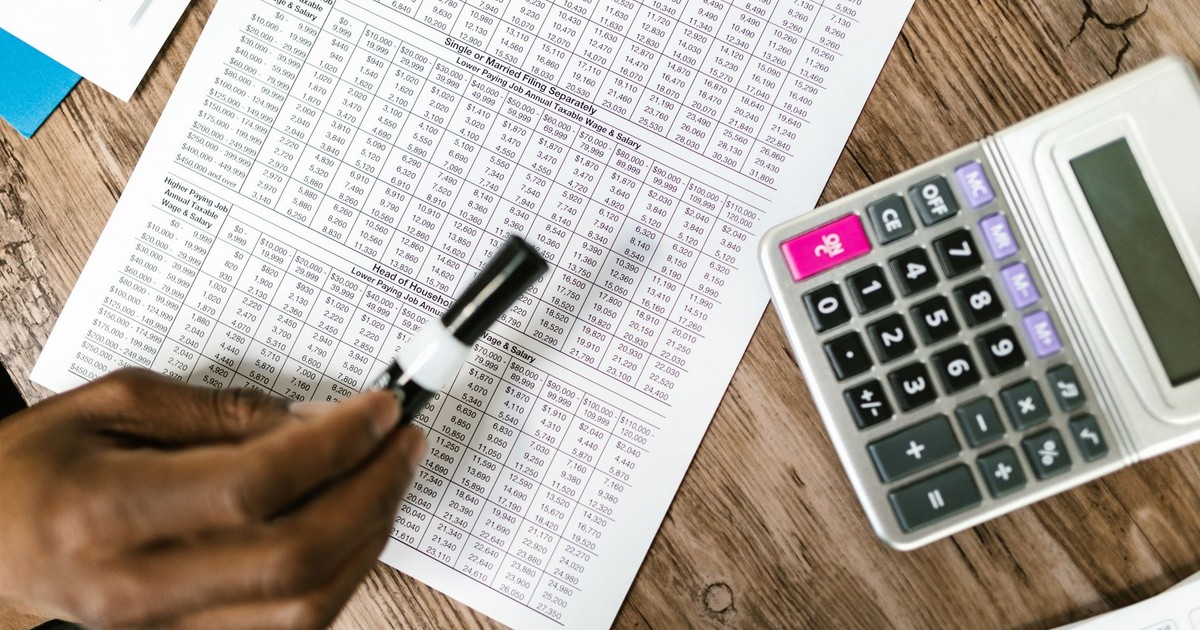
Tax documents and calculators demonstrate why analyzing detailed financial projections is essential before committing to expensive rental property purchases. Image Credit: RDNE Stock project / Pexels
The gap between the most expensive states to buy rental property and the best-performing investment markets is wider in 2026 than it’s been in years. High entry costs in Hawaii, California, Washington, and Massachusetts have widened the distance from Midwest markets substantially, and that gap has real consequences for investors who focus on income rather than long-term appreciation bets.
If you own property in Hawaii, California, Washington, or Massachusetts, the demand fundamentals are often strong enough to protect an existing position. Buying into those expensive rental property states in 2026, though, means starting with compressed margins, a heavy regulatory environment, and an entry price that leaves little room for error. Cleveland and Indianapolis don’t carry the same headline appeal – but they’re consistently where the rent-to-price math produces usable income from month one, not year five. Calculate the rent-to-price ratio on any market before you commit. If that ratio doesn’t work at current mortgage rates, the market’s reputation won’t make up the difference.
Disclaimer: This information is not intended to be a substitute for professional financial advice, investment advice, tax advice, or legal advice, and is provided for informational purposes only. Always seek the guidance of a qualified financial advisor, accountant, or other licensed professional regarding your personal financial situation or investment decisions. Do not make financial, investment, or tax decisions based solely on information presented here. Past performance is not indicative of future results, and all investments carry risk, including the potential loss of principal.
AI Disclaimer: This article was created with the assistance of AI tools and reviewed by a human editor.