
Dr. Jeremy London has opened more than his share of damaged chests. He’s a board-certified cardiovascular surgeon based in Savannah, Georgia, who has spent decades repairing diseased hearts, grafting blocked arteries, and watching patients recover – or not – from conditions that took years to develop quietly. When a surgeon who operates on failing hearts tells you there’s one drink he calls “liquid death,” that description is worth a closer look.
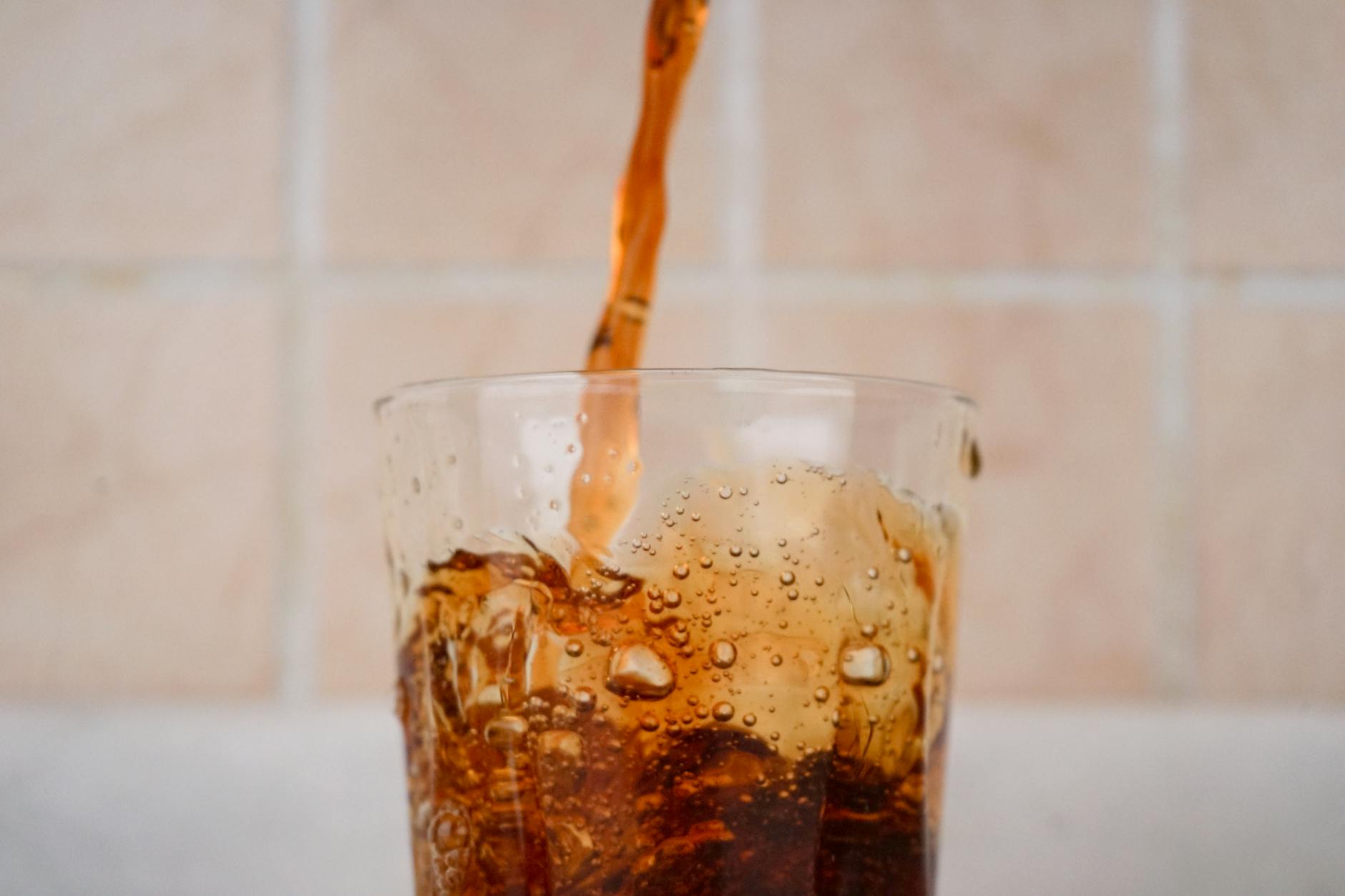
Dr. London recently named one common beverage as “liquid death” and listed four things he “absolutely avoids” as a cardiac surgeon. The drink he singled out isn’t alcohol, even though he warns against that too. It isn’t an energy drink or a cocktail. It’s soft drinks.
London sees first-hand what heart disease can do to a person’s health. As a board-certified cardiovascular surgeon who operates on diseased hearts, repairs damaged blood vessels, and performs bypass surgery for clogged arteries, he notes that the damage “didn’t happen overnight in most people – it’s an accumulation of a chronic process.” That process, in his view, is fueled in large part by what people pour into a glass every single day.
What Dr. London Actually Said – And Why Soft Drinks
In a social media post, Dr. London, who holds board certification in vascular thoracic and general surgery, said the first thing he avoids is smoking, which he calls the “single worst thing you can do to your body.” From a clinical evidence standpoint, that’s not an exaggeration. According to a 2025 report from Hopkins Medicine, smoking is the single most preventable cause of early death in the United States.
Second on his list is alcohol, which he tells followers is “toxic to every cell in your body,” though he acknowledges everyone has their own rules. The American Heart Association’s 2025 position aligns with that caution, stating that any level of alcohol consumption carries potential health risks. London removed all alcohol from his life three years ago and says he feels better for it.
But it’s the third item on his list – the liquid death drink – that caught the most attention. On Instagram, London put it bluntly: “Soft drink, liquid death. Just don’t drink them. Period. Done.” He later admitted that the phrasing was partly deliberate provocation. He acknowledged in a follow-up interview with TODAY that he may have slightly over-exaggerated his wording, saying, “I think that soft drinks are just a scourge in our society, and so I was really trying to get some attention” – though he still stood by his stance.
His actual advice, stripped of the dramatic label, is straightforward: “Just don’t drink them, period, done.”
The fourth thing London avoids is refined flour. “Avoid the refined flours and wheats,” he says, noting that many people choose options made with refined white flour, which has gone through a process that removes dietary fiber, iron, and many B vitamins. Research published in 2021 found that diets high in refined grains like white bread were associated with a significantly higher risk of cardiovascular disease and stroke. The American Heart Association’s updated 2026 dietary guidance describes refined grain foods as delivering fast-absorbing carbohydrates with few nutrients or fiber – metabolically closer to pure sugar than most people realize.
The Science Behind the “Liquid Death” Label
Soft drinks aren’t uniquely dangerous because of any single ingredient. They’re dangerous because of how efficiently they deliver sugar – with nothing to slow it down.
Sugary drinks spike blood glucose levels, which leads to inflammation, insulin resistance, and causes extra fat around the organs. Unlike sugar eaten in solid food, liquid sugar arrives in the bloodstream almost immediately because there’s no fiber to slow absorption. The liver takes the brunt of it. Fructose, the main sugar in sodas and sweetened juices, is metabolized only by the liver, and too much leads to fat accumulation – a condition called non-alcoholic fatty liver disease, or NAFLD. Harvard Health found a link between high sugar intake and heart disease, noting that consuming too much added sugar can raise blood pressure and increase chronic inflammation, both of which are direct pathways to cardiovascular disease.
A large 2024 study published in Frontiers in Public Health involving nearly 70,000 participants in Sweden tracked cardiovascular outcomes across multiple sugar sources. The researchers found that consuming sweet drinks was worse for cardiovascular health than any other form of sugar, with higher intake significantly increasing the risk of ischemic stroke, heart failure, atrial fibrillation, and abdominal aortic aneurysm. Occasional sweet treats, by contrast, didn’t carry the same risk. The difference wasn’t just about how much sugar people consumed – it was about the form it came in. As the study’s lead researcher noted, “liquid sugars, found in sweetened beverages, typically provide less satiety than solid forms – they make you feel less full – potentially leading to overconsumption.”
A 2024 Harvard study tracking more than 100,000 Americans over 30 years added another dimension: drinking one sugary drink a day was linked to an 18% higher risk of cardiovascular disease, regardless of how much people exercised. Two or more daily bumped that risk to 21% even among those who met CDC-recommended physical activity levels. Exercise helps with many things, but it doesn’t fully cancel out the cardiovascular effect of daily soda consumption.
For more on how sugar-sweetened beverages affect cholesterol and long-term heart risk, this breakdown of foods that quietly affect your lipid levels is worth reading alongside the research.
The Diabetes and Liver Connection
The cardiovascular risk is significant, but it’s not the only concern. A 2025 analysis from Monash University found that one can of artificially sweetened soft drink daily may increase the risk of type 2 diabetes by 38%. Sugar-sweetened beverages came in at a 23% higher risk by comparison. Both numbers are striking – but the artificially sweetened figure challenges the idea that switching to diet soda solves the problem.
A 2025 Tufts University study published in Nature Medicine quantified the global scale: an estimated 2.2 million new cases of type 2 diabetes and 1.2 million new cases of cardiovascular disease occur every year from consuming sugar-sweetened beverages.
The liver damage follows its own progression. Non-alcoholic fatty liver disease is now common even in young adults, largely due to sugary drink consumption, and if it progresses unchecked, it can lead to liver inflammation, fibrosis, and eventually cirrhosis – permanent liver scarring. A 2019 study found that sugar-sweetened beverages were associated with a 1.39-fold increase in the odds of developing NAFLD. Diet drinks weren’t a safe exit either: 2025 reporting from CNN found that one can of diet soda daily may increase NAFLD risk by up to 60%.
Weight and Teeth: Two Problems People Tend to Underestimate
About 50% of U.S. adults reach for at least one sugary drink on any given day, and the CDC identifies frequent SSB consumption as being associated with weight gain, obesity, type 2 diabetes, heart disease, tooth decay, and gout. Despite that awareness, consumption rates remain persistently high.
Part of why soft drinks are so effective at driving weight gain is mechanical. Liquid calories don’t trigger the same sense of fullness that solid food does, so people tend to consume more overall. Research from the University of Toronto confirmed that sugar-sweetened beverages promote weight gain in both children and adults. One 2025 analysis found that daily consumption of sugary drinks increases the risk of obesity by 26% across both age groups.
The dental damage is more immediate and mechanical. According to the Mississippi State Department of Health, soft drink consumption is one of several leading causes of tooth decay. The sugar and acid in soft drinks weaken tooth enamel and encourage the growth of bacteria that cause decay. The timing compounds the problem: each acid attack lasts about 20 minutes, and it restarts with every sip. A slow-sipped soda over lunch can keep a person’s tooth enamel under sustained acid attack for far longer than most people realize.
Read More: Heart Surgeon Issues Warning for Food That Is ‘Slowly Destroying Your Heart’
What to Do Now
The research consistently points in one direction: frequency and volume are what drive risk. An occasional soda isn’t equivalent to drinking one every day. But nearly 30% of U.S. adults consume sugar-sweetened beverages twice or more per day, despite widespread awareness of health risks like weight gain and diabetes. Knowing something is harmful and changing the habit are different things – and the drink industry spends heavily to maintain the gap between them.
Dr. London’s recommendation for the liquid death drink he avoids is simple: don’t drink them at all. His preferred alternatives, echoed by the American Heart Association, are water and unsweetened tea. Replacing one daily sugary drink with a non-sugary alternative was associated with up to an 18% reduction in risk of early death and a 24% reduction in cardiovascular-related death, according to Harvard Health researchers. That’s a meaningful return for one drink swap.
If switching cold turkey feels difficult, the progression matters more than perfection. Cutting from two sodas daily to one, then to a few per week, and substituting sparkling water with fruit or unsweetened herbal teas for the gaps gives the liver, heart, and teeth measurable relief. The American Heart Association recommends limiting added sugars to no more than 6% of daily calories – for most women that’s around 6 teaspoons, for men around 9 teaspoons. A single 12-ounce can of regular soda already contains 10 teaspoons of sugar and 160 calories, with zero nutritional value.
The label “liquid death” was designed to make people stop and think. The data behind it suggests the phrase, however blunt, isn’t far off the mark.
Disclaimer: This information is not intended to be a substitute for professional medical advice, diagnosis, or treatment and is for information only. Always seek the advice of your physician or another qualified health provider with any questions about your medical condition and/or current medication. Do not disregard professional medical advice or delay seeking advice or treatment because of something you have read here.
AI Disclaimer: This article was created with the assistance of AI tools and reviewed by a human editor.
Read More: 40 Worst Foods For Heart Health