
When disaster strikes, people often realize too late that they do not have enough supplies to get by. From extended power outages to supply chain disruptions or even natural disasters, emergencies can happen without warning. This is why it is smart to prepare early by gathering critical things to stockpile. These are not luxury items. They are daily-use essentials and emergency lifelines that can help you stay safe, fed, clean, and functional. Whether you live in a city or a rural area, having a stash of key items to hoard can make the difference between comfort and crisis.
1. Clean Drinking Water

Water is always the number one priority. You need at least one gallon per person per day, and that does not include extra for hygiene or cooking. Store bottled water or invest in water containers that are food-safe. It is also wise to include water purification tablets and portable filters in your prepping supplies to ensure a backup method of cleaning water.
2. Non-Perishable Food

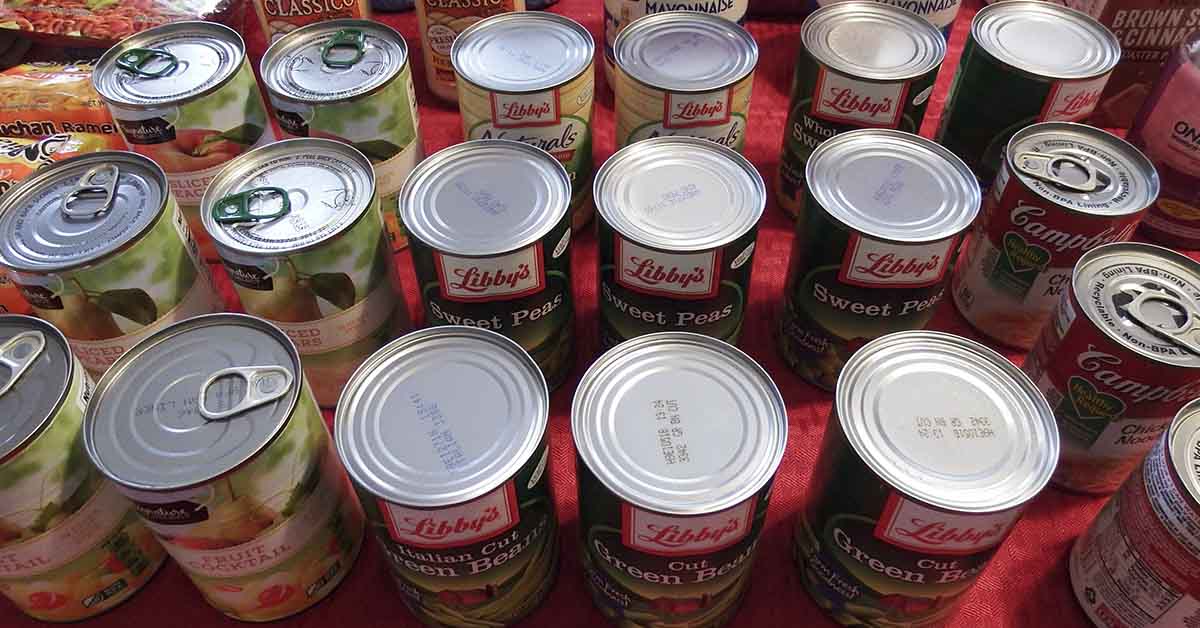
Canned vegetables, beans, soups, meats, and fruits have a long shelf life and are easy to prepare. Add dried rice, pasta, oats, and powdered milk to the mix. These items do not spoil quickly and are easy to rotate through regular meals so you do not waste food. Long-lasting food is among the most essential things to stockpile for long-term resilience.
Read More: 20 Items You Should Stock Up On Incase of a Food Shortage
3. First Aid Supplies
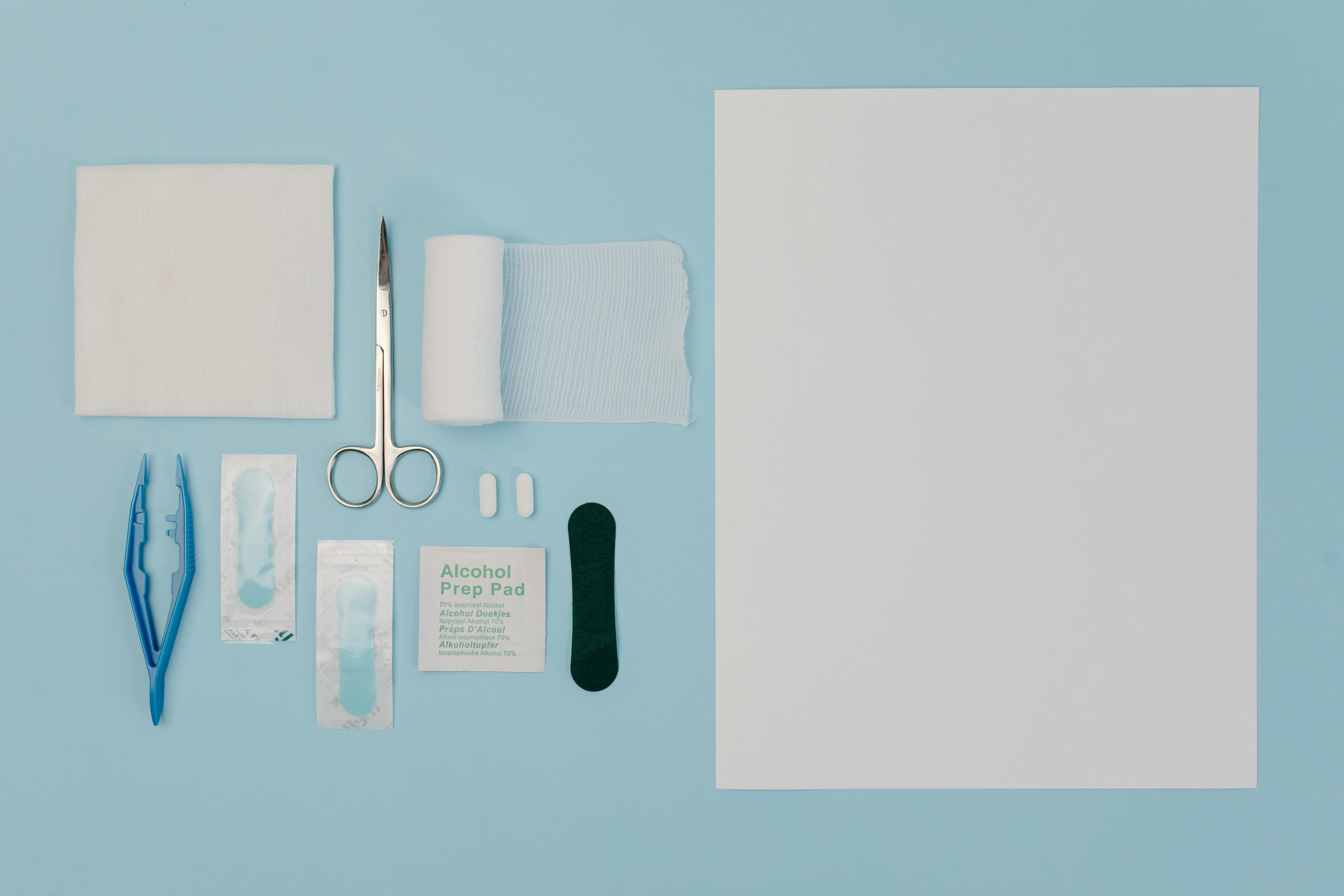
Minor injuries can become dangerous if not treated properly. Stock up on adhesive bandages, antiseptic wipes, gauze, medical tape, hydrogen peroxide, tweezers, and over-the-counter medications. Painkillers, anti-diarrhea tablets, allergy meds, and cold relief items are all vital. A well-stocked first aid kit is one of the most important survival kit essentials.
4. Prescription Medications
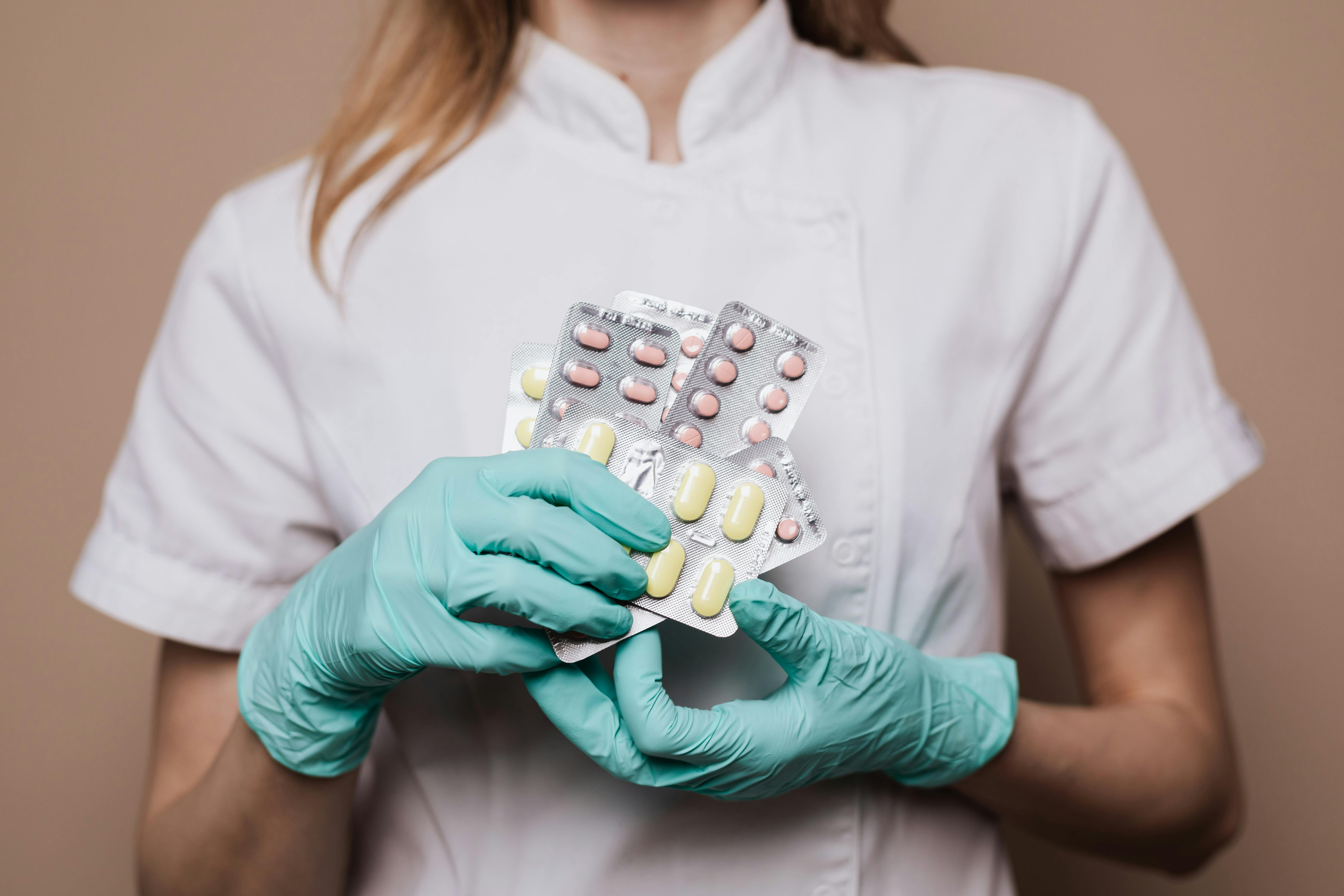
If you or someone in your home takes prescription medications regularly, ask your doctor if you can obtain a three-month supply. Many people get caught off guard when access to pharmacies is cut off. Always rotate medications to keep them within their expiration dates.
5. Hygiene and Sanitation Products
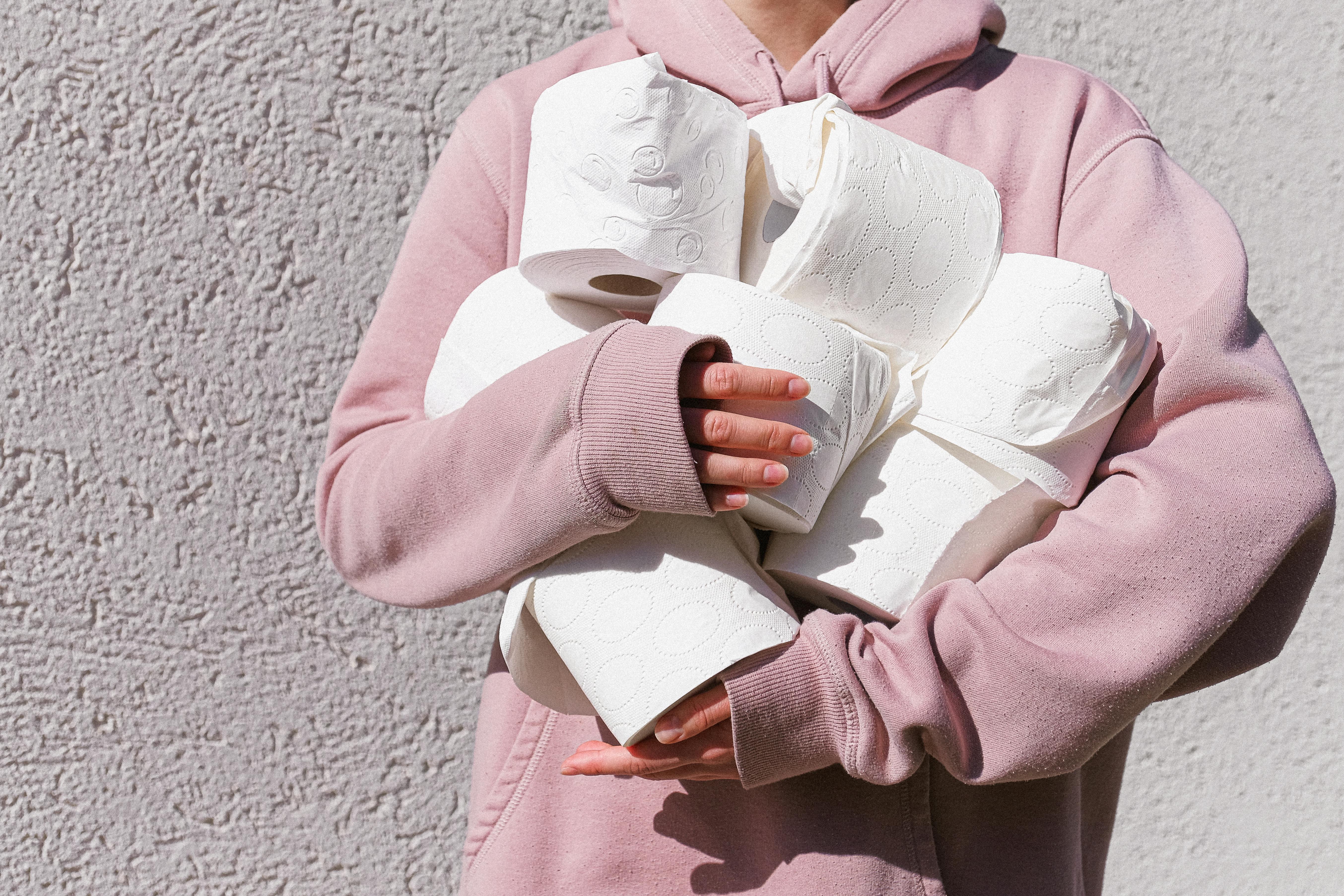
Toilet paper, soap, toothpaste, feminine hygiene products, deodorant, and baby wipes are often the first things to disappear from store shelves during a panic. Keeping a steady supply of hygiene products helps prevent illness and keeps morale higher during stressful times. Items like bleach, disinfectant spray, and gloves also support sanitation.
6. Batteries

Stock up on batteries of all sizes, especially AA, AAA, D, and 9V. Most flashlights, radios, and small devices rely on them. Rechargeable batteries with solar-powered or hand-crank chargers can extend their usefulness significantly. They are essential items to hoard for power outages or grid failure.
7. Flashlights and Lanterns

Do not rely on candles alone. LED flashlights, headlamps, and battery-operated lanterns are safer and longer lasting. Having multiple sources of light helps reduce accidents and keeps things functional at night. Hand-crank flashlights are also useful if batteries are not available.
8. Manual Can Openers

Many people stock up on canned goods and forget they will need a way to open them. A reliable manual can opener should be in every survival kit. Ideally, keep more than one in case of breakage. This simple tool can make a big difference when electricity is unavailable.
9. Portable Cooking Supplies

If the power goes out, how will you heat food? Small propane or butane stoves, Sterno cans, or even a backyard grill can serve as essential cooking tools. Be sure to store enough fuel safely. Fire starters, waterproof matches, and lighters are also crucial prepping supplies for cooking and warmth.
10. Trash Bags

Heavy-duty trash bags serve more purposes than just collecting garbage. They can be used for waterproofing, makeshift ponchos, ground cover, or even temporary toilet liners. Keep different sizes and use thick, puncture-resistant materials. These inexpensive items can be lifesavers in a pinch.
11. Duct Tape

Duct tape is one of the most versatile items to hoard. It can seal containers, patch up tears in clothing or tents, and even serve as a temporary bandage in emergencies. It is incredibly strong, waterproof, and long-lasting. Having a few rolls on hand can help solve dozens of unexpected problems during a crisis.
12. Firewood and Fire Starters

If you live in a cold climate, firewood can be a lifesaver. In a power outage, it might be your only source of heat. Firewood should be dry and stored safely to prevent moisture buildup. Add fire starters like fatwood, cotton balls soaked in petroleum jelly, and waterproof matches to your survival kit essentials.
13. Warm Clothing and Blankets

Blankets, sleeping bags, and thermal clothing can help retain body heat when indoor heating is not available. Wool blankets are especially good because they stay warm even when damp. Keep gloves, beanies, and thick socks on hand too. These are often forgotten things to stockpile when people focus only on food or water.
14. Seeds for Gardening

Long-term survival might require growing your own food. Heirloom seeds can be saved and replanted each year. Focus on vegetables like tomatoes, carrots, lettuce, and beans. Herb seeds are useful too. Keeping seeds in a cool, dry place ensures they will stay viable longer. Gardening can become essential when grocery supplies run low.
15. Cash in Small Bills

If electronic payments go down or ATMs stop working, cash will be king. Keep small bills on hand to make purchases without needing change. Avoid large denominations. Even in short-term crises, having physical cash can help you get what you need when others cannot access their funds.
Read More: What to Pack: The Ultimate Emergency Kit Checklist for Crisis Situations
16. Tools and Multi-Tools

A sturdy multi-tool can take the place of an entire toolbox when space is limited. Screwdrivers, pliers, knives, and wrenches come in handy during emergencies. Add a basic hammer, nails, tape measure, and utility knife to your stash. These tools are prepping supplies that support repairs, defense, and general problem-solving.
17. Fuel and Gasoline

Gas stations rely on electricity to operate. In a blackout, you might not be able to fill up your car or generator. Safely store fuel in approved containers and use fuel stabilizers to extend shelf life. Rotate your supply every few months. Fuel is one of the most important things to stockpile if you rely on generators or vehicles.
18. Solar Chargers and Power Banks
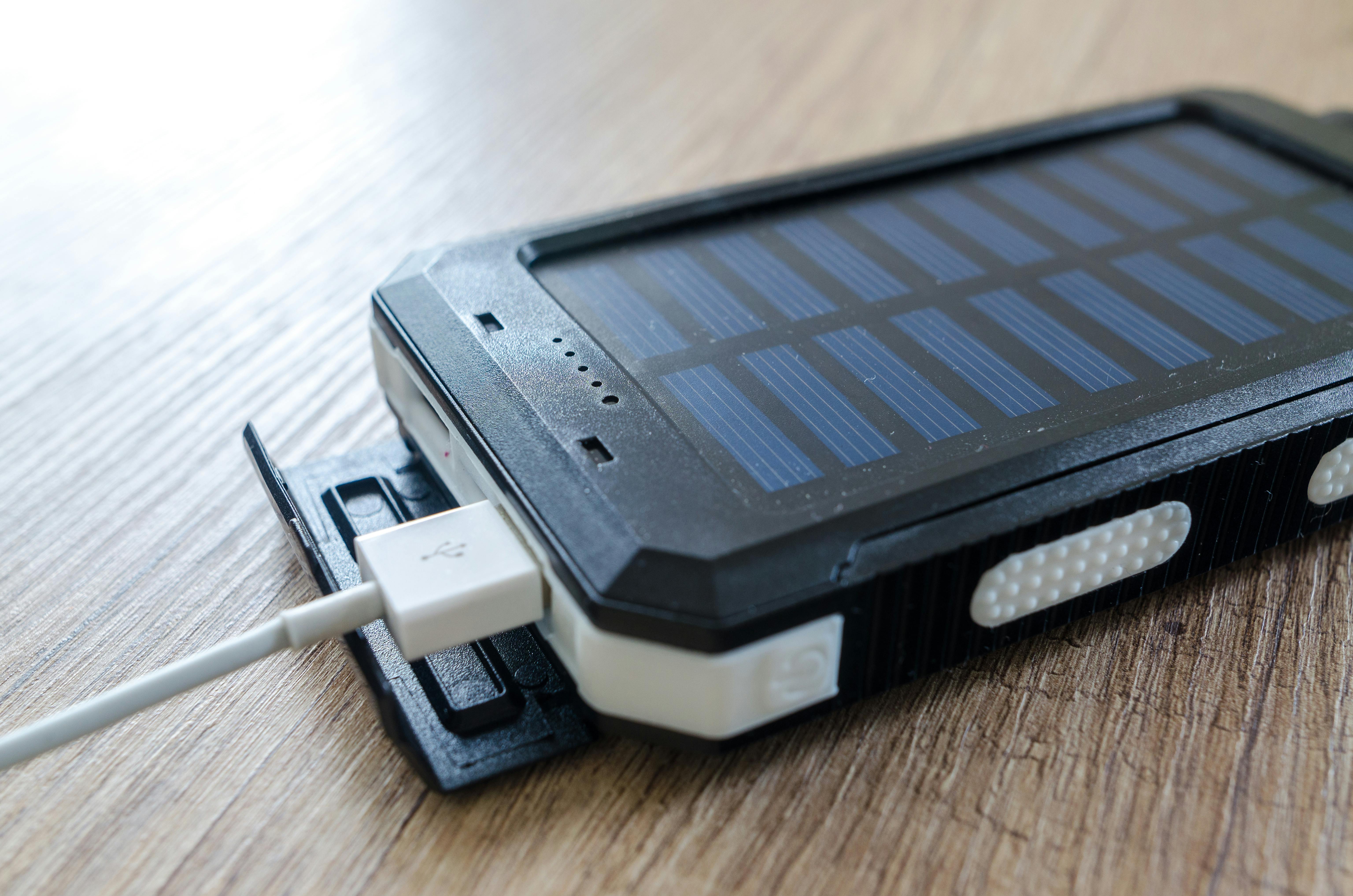
Staying connected during a disaster is easier with a power backup. Solar phone chargers and battery banks can keep devices running when outlets are unavailable. These are especially helpful for charging emergency radios, lights, and phones. Choose models that are weather-resistant and store energy efficiently.
19. Emergency Radio
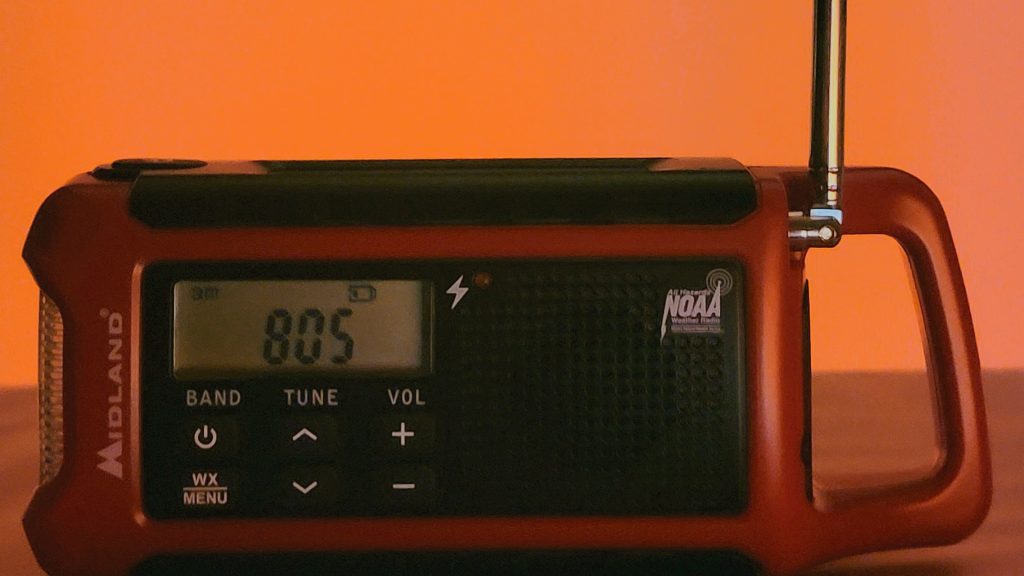
A battery-powered or hand-crank radio lets you receive news, weather updates, and alerts during an emergency. Some models include built-in flashlights and charging ports. Staying informed can help you make smarter decisions and avoid danger. Radios are vital survival kit essentials when communication networks are disrupted.
20. Cleaning Supplies

Soap, bleach, sponges, disinfecting wipes, and vinegar help you keep your home and body clean during a crisis. Sanitation issues can lead to illness, so cleaning tools are important prepping supplies. Consider biodegradable soaps and concentrated formulas that take up less space. Do not forget gloves and face masks as part of your kit.
21. Feminine Hygiene Products

Tampons, pads, and menstrual cups are must-have items to hoard for women. These products are personal, but they are often forgotten in general survival planning. Stocking up ahead of time ensures comfort and sanitation. Menstrual cups are reusable, which makes them cost-effective and long-lasting options in any survival kit.
22. Diapers and Baby Supplies

If you have a baby or are planning to, stock diapers, wipes, formula, and baby food. Even if you do not have children, these items may help someone else in need. In a long-term emergency, baby supplies can also become valuable barter goods. This is one of those things to stockpile that many people overlook.
23. Bar Soap and Shampoo

Liquid soap runs out quickly and is harder to store in bulk. Bar soap lasts longer, takes up less space, and does not leak. Shampoo bars are also a good alternative. Cleanliness supports good health, especially when access to medical care is limited. Keep extra for trade or gifting in group survival settings.
24. Over-the-Counter Medications

In addition to a basic first aid kit, stock up on pain relievers, antacids, cold medicine, and laxatives. Allergies or fevers can become dangerous if you do not have proper medicine on hand. These medications are easy to store, inexpensive, and among the most practical prepping supplies you can keep at home.
25. Comfort and Entertainment Items

Books, puzzles, board games, coloring books, and playing cards help keep spirits high when you’re stuck indoors. Mental health is just as important as physical well-being. These simple items can make long, powerless nights more bearable. They are not essential for survival, but they do support morale and family bonding.
26. Copies of Important Documents

Keep paper copies of IDs, insurance policies, bank statements, medical records, and property deeds. Store them in waterproof containers or bags. In emergencies, digital records may become inaccessible. These documents are things to stockpile that ensure smooth recovery after a crisis.
Read More: Map Highlights Fallout Shelter Sites in Case of Nuclear Attack on Cities
27. Pet Food and Supplies
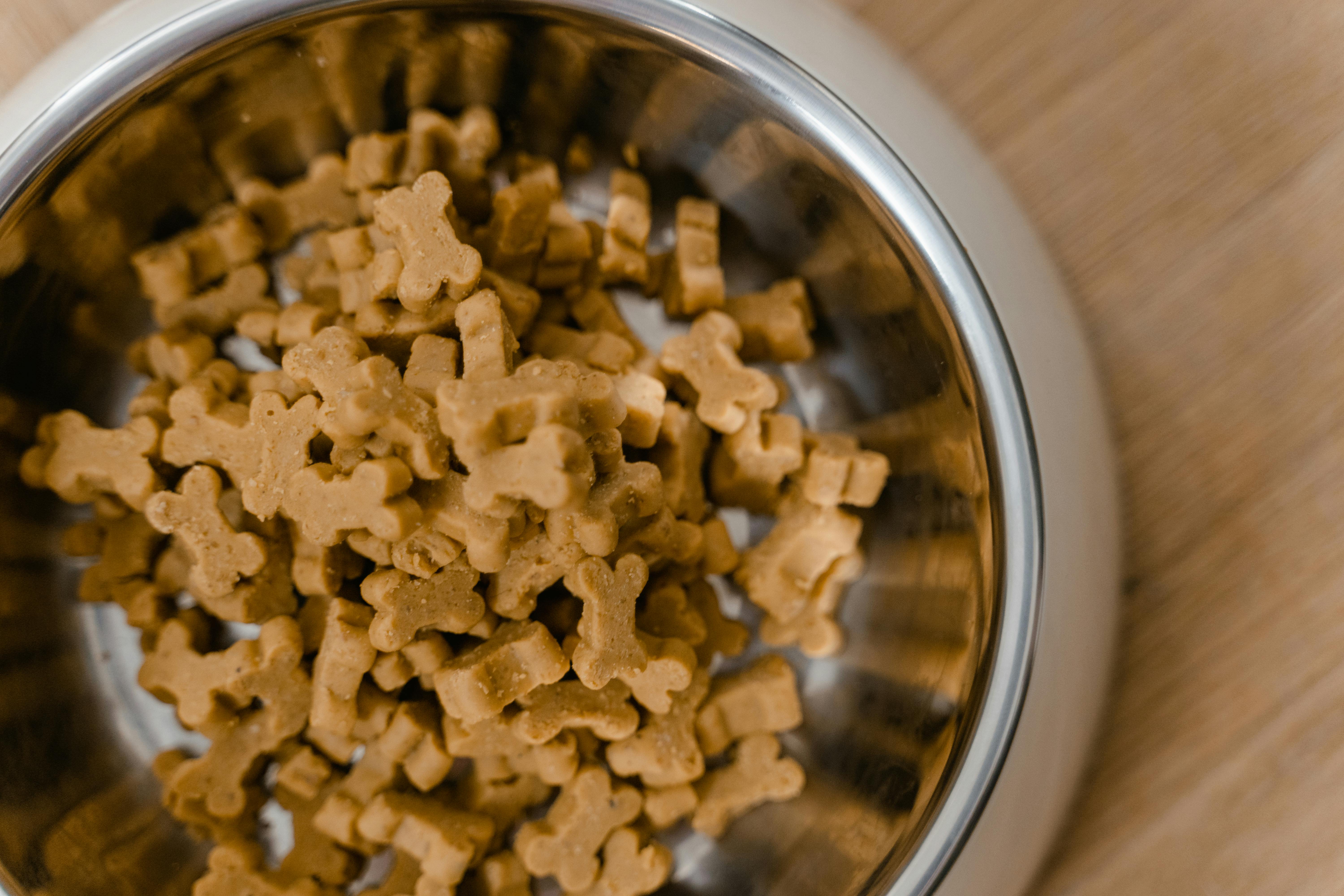
If you have pets, they will need food, water, and possibly medication just like people. Dry kibble stores well, especially in sealed buckets or mylar bags with oxygen absorbers. Include pet waste bags, leashes, and any needed grooming tools. Pets are family, and their needs must be part of your emergency plan.
28. Basic Sewing Kit

Buttons pop off. Clothes tear. Blankets rip. A simple sewing kit with thread, needles, scissors, and safety pins can help you make repairs without needing new supplies. These are small items to hoard that can save money and stretch your clothing longer when stores are inaccessible.
29. Aluminum Foil and Plastic Wrap

Foil can be used for cooking, signaling, insulation, and even makeshift containers. Plastic wrap is useful for sealing food and protecting items from moisture. These items are often forgotten but are incredibly versatile prepping supplies that deserve a spot in every home emergency kit.
30. Maps and Compass

If GPS goes down, paper maps and a compass may be your only way to navigate. Learn how to use them now so you are not trying to figure it out under stress. Digital devices rely on electricity and signal. A good set of maps and a compass are old-school survival kit essentials that still work when everything else fails.
Conclusion
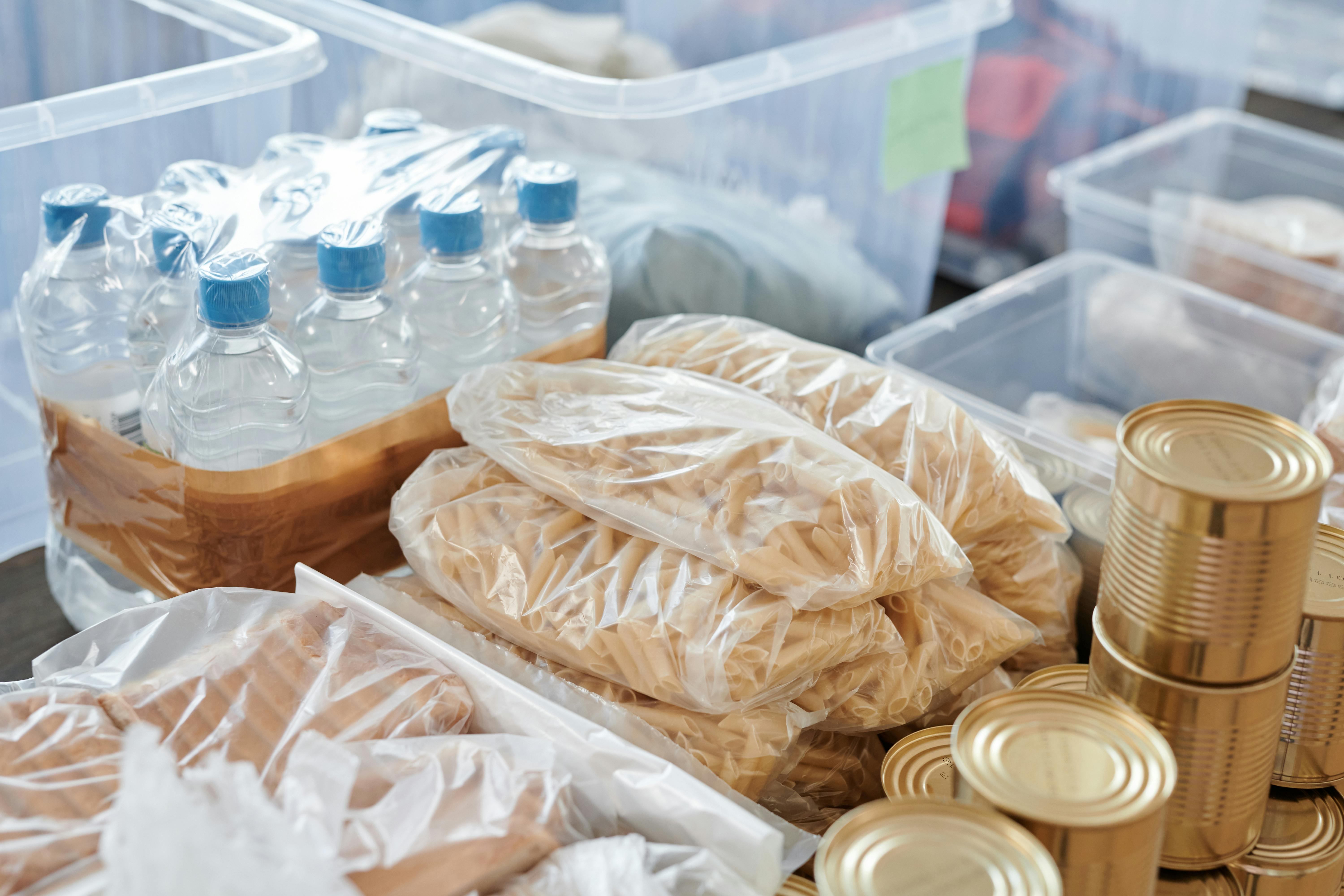
Preparation is about more than fear. It is about being practical and responsible. The world is unpredictable, and waiting until a disaster hits is a dangerous game. By collecting essential things to stockpile now, you give yourself and your family a better chance of staying safe and healthy during hard times. Whether you are building a short-term emergency kit or prepping for longer disruptions, focus on items that serve multiple purposes, store well, and support everyday needs. From food and water to tools and hygiene products, every piece plays a role in your overall readiness. Start small if you need to, but start today. Being prepared is not just smart, it is necessary.
Disclaimer: This article was created with AI assistance and edited by a human for accuracy and clarity.