
Food poisoning is never a welcome experience. The symptoms range from unpleasant to life-threatening in rare cases. They typically involve digestive upset, fever, cramps, and headaches Therefore, health experts advise people to avoid foods that can spread these diseases. Remember, food poisoning can occur 20 minutes to 6 days after the contaminated meal. While most people are aware of the dangers of eating raw chicken, here are more products to look out for.
Eggs
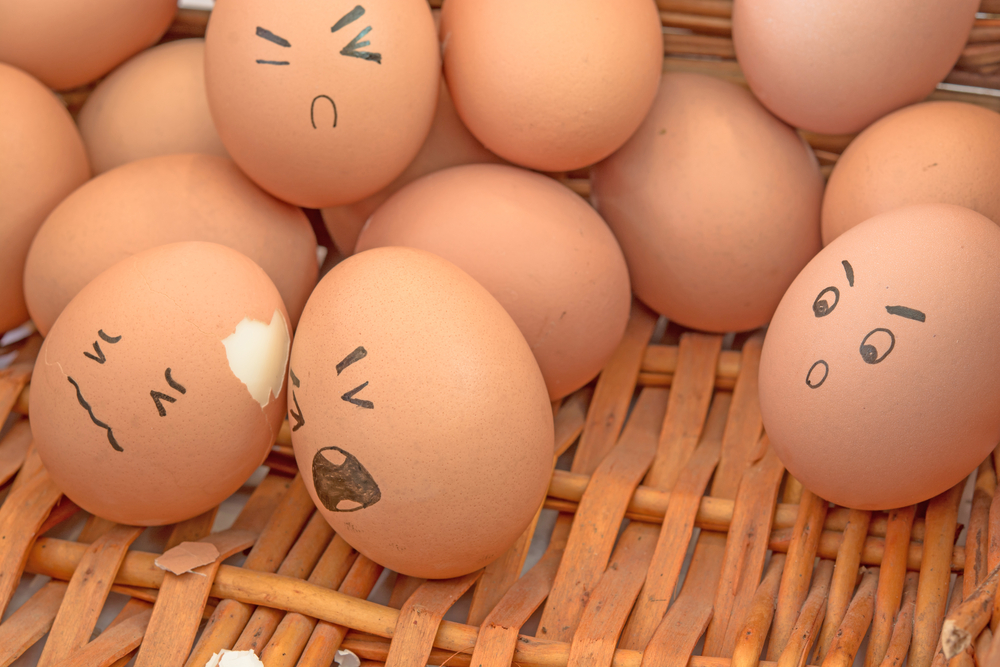
Eggs can become contaminated if the hen has an infection in its ovaries. ”Most batches of eggs are going to be completely safe,” says Patricia Griffin, M.D., chief of the CDC’s Enteric Diseases Epidemiology branch, to AARP. “But some batches are going to be from a chicken that was stressed enough that salmonella was coming out as they laid their egg, and your risk of getting sick is going to be increased.” Although the risk of illness has gradually decreased, avoid foods with raw or undercooked eggs such as raw dough and homemade salad dressing.
Read More: Understanding The Secret Meanings Behind The Codes On Your Egg Cartons
Shellfish
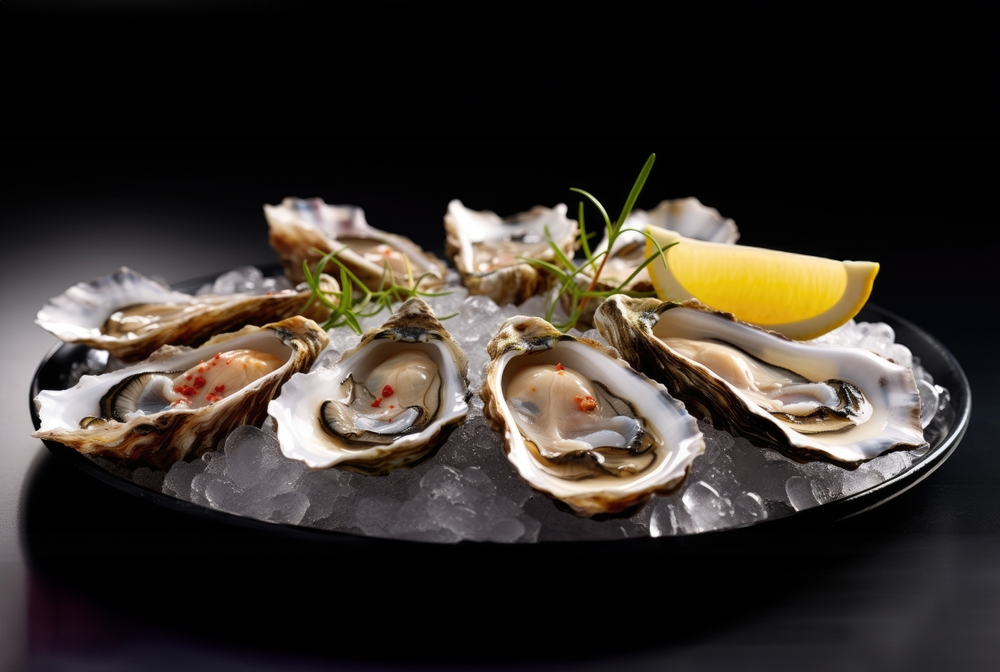
Bacteria in shellfish can lead to norovirus or an infection called vibriosis, which is especially dangerous for people aged 65 and older. “Major illnesses that we see are really from oysters, because people like to eat them raw,” says Griffin. When it comes to all shellfish, avoid ones that have already opened, and discard the ones that don’t open during the cooking process. Be sure to cook seafood to 145 degrees to eliminate any potential harmful bacteria.
Sprouts
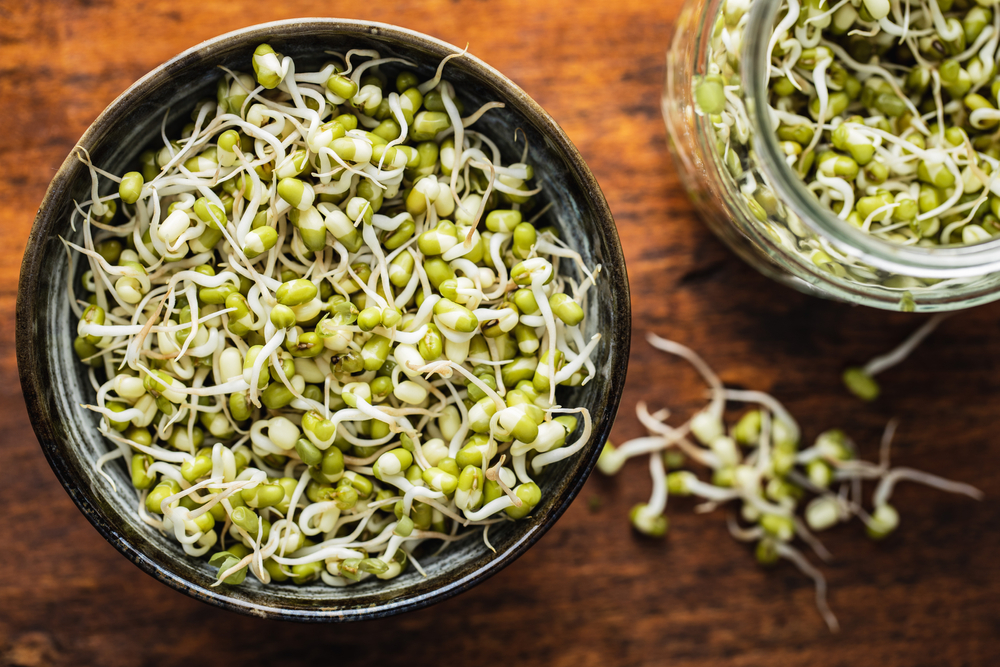
Sprouts are seeds that have germinated into tiny plants. There are different types, depending on the seeds, including alfalfa, bean, lentil, vegetables, and grains. They are typically eaten raw or lightly cooked. Despite having many beneficial nutrients, sprouts can also contain harmful bacteria that cause food poisoning. Healthline recommends avoiding sprouts with a slimy appearance and a strong stench. Only buy fresh sprouts that had proper refrigeration, and store in your own fridge at 48°F (8°C) or under.
Read More: 8 Foods That Spoil Faster Than You Think, Even in the Fridge
Flour
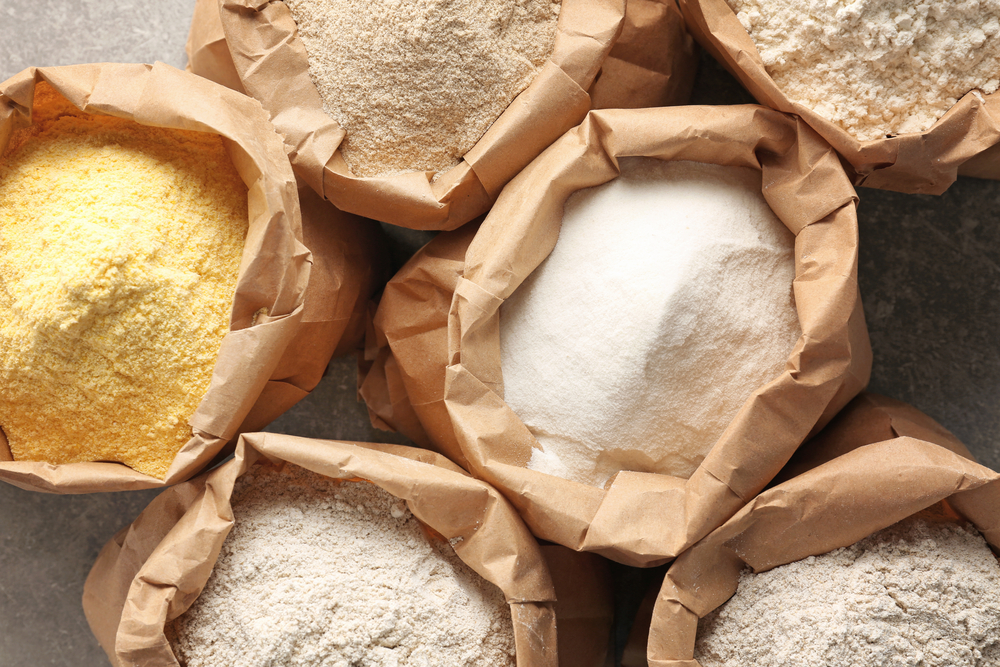
Raw flour is not on anyone’s snack list, but cookie dough might be. Because this product is intended to be cooked, it is not treated to kill the germs that may have interloped during the harvesting or production process. That’s why even egg-less batter or dough can lead to salmonella or E. coli. The CDC recommends avoiding tasting while baking, and thoroughly clean all utensils and surfaces after handling flour or raw dough.
Bagged lettuce
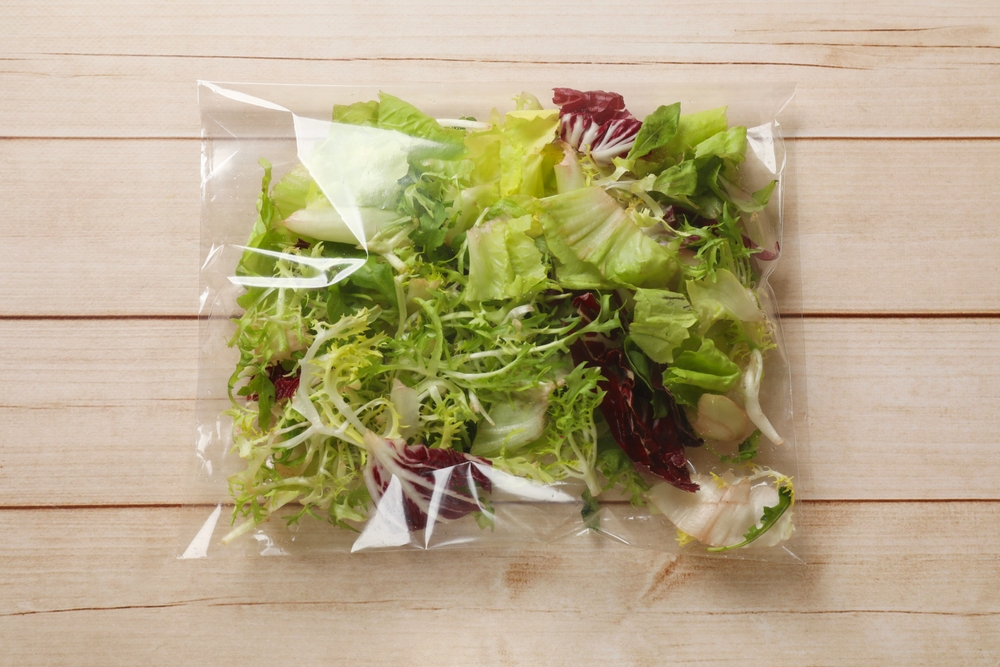
Bagged salads are extremely convenient, especially for busy people who want to eat healthy. “Bagged lettuce has been through a lot of steps before it gets to you,” says Sana Mujahid, a food microbiologist and Consumer Reports’ director of food safety, to CBS News. “It’s grown in a field; it’s taken through a processing plant; it’s cut up; it’s bagged. So, there are a lot of chances for contamination.” Even if the greens are washed, germs may cling to the leaves.
Read More: 8 Foods You Shouldn’t Reheat
Raw milk and cheeses
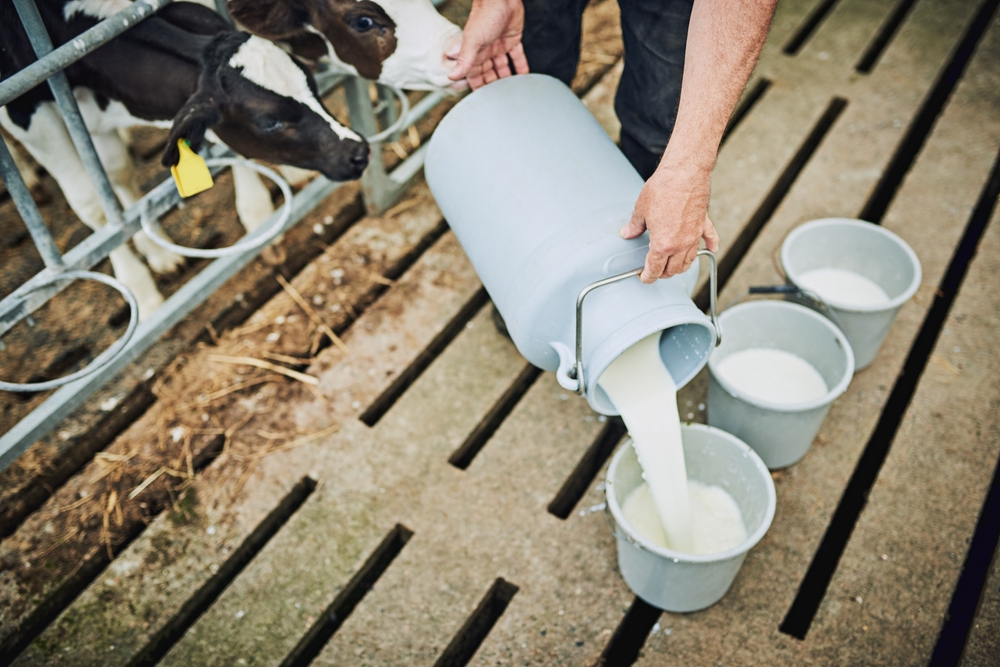
You may have seen the hype for raw dairy on social media. “…To me, that’s not a food, that’s a dare,” says Keith Schneider, Ph.D, professor in the Food Science and Human Nutrition Department at the University of Florida, to Today. “It’s a raw agricultural product coming out of the udder of a cow right next to its fecal disposal unit, and there’s a high probability the udder can become contaminated, and the bacteria makes it into the milk.” Potential contaminants include E. coli and campylobacter, listeria, brucella, and salmonella. “This whole thing that raw milk is healthier for you is absurd in my opinion,” says Schneider.
Pre-cut melon and fruits
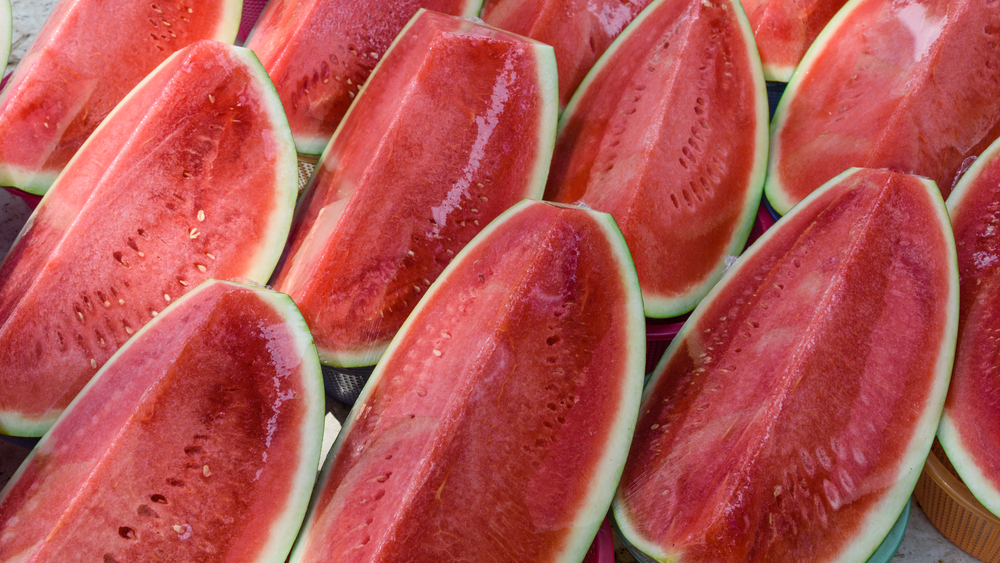
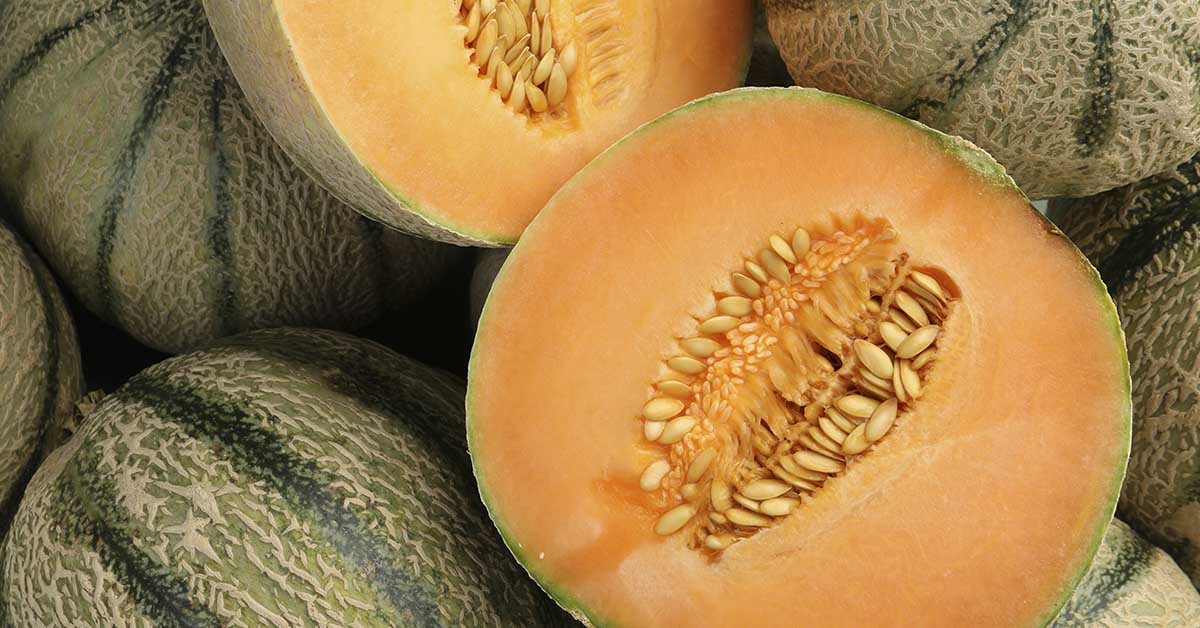
Pre-cut melon and fruits are awfully convenient, especially for pineapple, melons, and other varieties that are annoying to buy or chop up. However, pre-cut produce holds a higher risk of causing food poisoning because the inner flesh becomes exposed to moisture that can grow pathogens. Plus, if there is harmful bacteria on the skin, the cutting process can spread the contamination. Therefore, it’s safer to buy whole fruits and prepare them yourself.
Rice
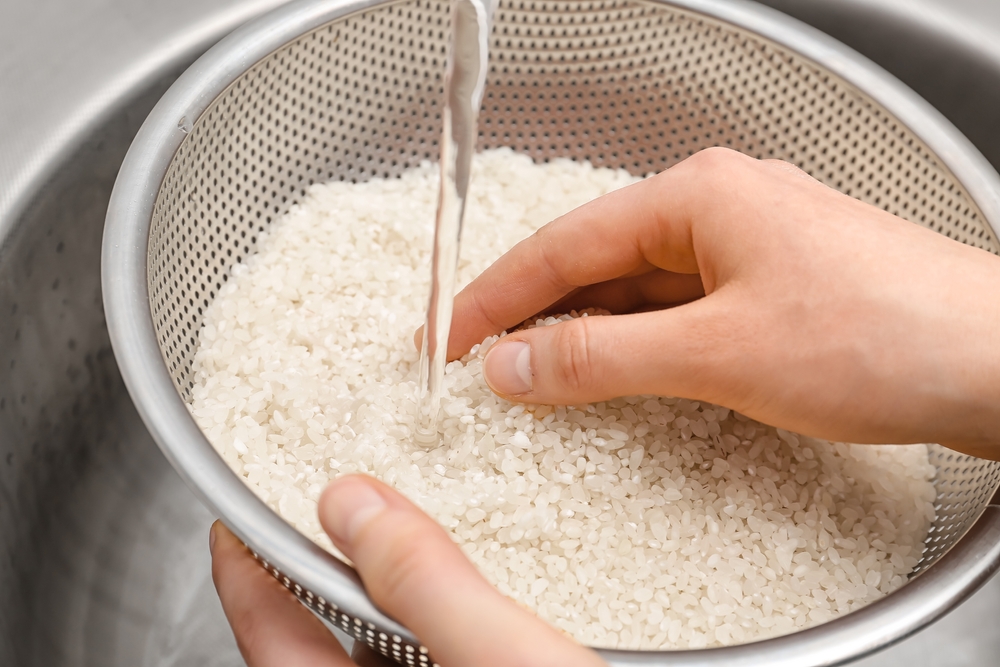
Rice is a staple in many cuisines but it can come with the risk of food poisoning. Uncooked rice can contain spores of pathogens that can survive the cooking process. Therefore, it’s important to serve freshly cooked rice immediately or place it in the fridge. If the pot stands at room temperature, the spores can grow and flourish. The longer it sits out, the more unsafe it becomes. Additionally, when you reheat rice, ensure it is hot throughout.
Read More: Some People Claim That Day Old Rice is Dangerous, so Experts Have Weighed in
Poultry
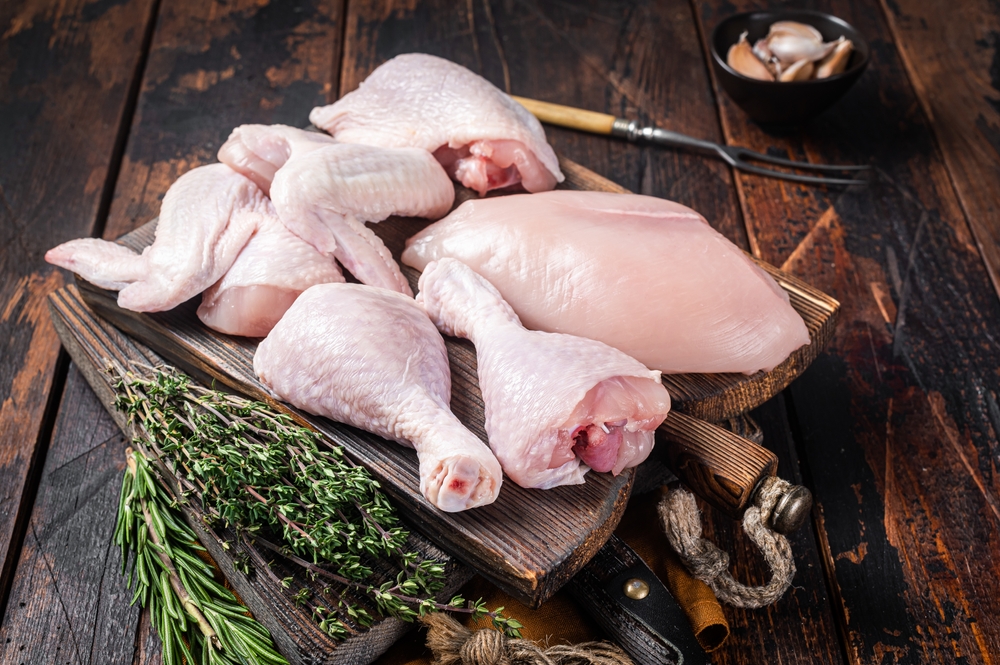
Chicken is a staple in many people’s diets but it also comes with a high risk of food poisoning if not handled properly, this why some poultry is sometimes washed with chlorine by manufacturers. Pathogens such as campylobacter and salmonella can contaminate the poultry. For that reason, the USDA recommends not to wash raw chicken because that spreads germs across the sink, counters, and other foods. Ensure the poultry is fully cooked before consuming, and wash your hands, cutting board, and utensils after preparing it.