Never Put Your Passport in Your Carry-On — Here’s the Risk Most Travelers Miss
Your carry-on roller bag made it through security just fine. You packed it yourself, it fits the size limit, and it’s riding overhead for the whole flight – that’s the plan, anyway. On roughly 30% of full flights, a carry-on gets gate-checked, and when that happens, the bag you thought was staying in the cabin disappears into the cargo hold. If your passport is inside that bag and you’re on an international route, you could step off the plane and walk straight into a problem you can’t solve at the gate.
The specific trouble is timing. The standard arrival sequence at most international airports is: immigration (passport control), baggage claim, then customs inspection. Your gate-checked bag, now sitting on the baggage carousel, is physically inaccessible at the exact moment a government officer is asking to see your passport. You can’t go back. You can’t retrieve it. The bag is behind a border you haven’t yet been allowed to cross.
Dan Bubb, a former pilot, aviation historian, and professor in residence with the University of Nevada Las Vegas Honors College, noted that gate agents may require passengers to check a roller bag even if it meets size requirements, particularly on smaller, regional jets where overhead space is limited. “They don’t have any space for those large bags,” Bubb said in a report from WMAR-2 News. A bag that sailed through the ticket counter can still be pulled at the boarding door, and the decision is made in seconds – there’s no time to dig through a packed roller bag for a document wallet before the line behind you surges forward.
Your Carry-on Can Be Gate-Checked Without Warning
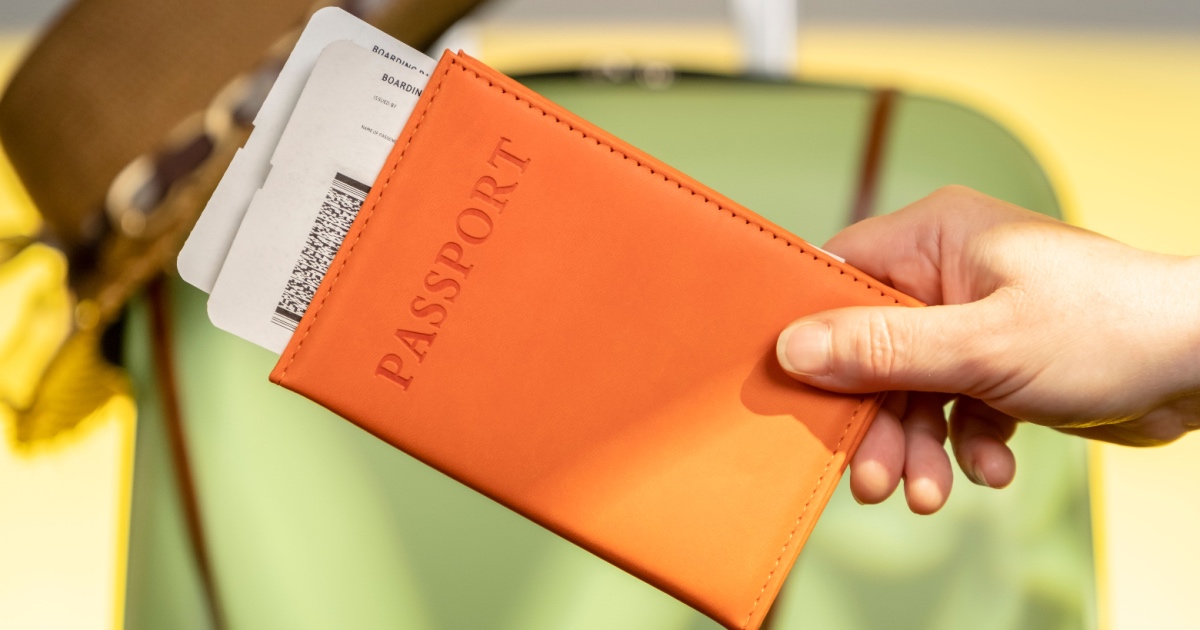
Airlines gate-check carry-ons without notice during boarding, potentially separating your passport from you immediately. Image Credit: Atlantic Ambience / Pexels
Gate check is when your carry-on is taken at the gate and stowed in the hold. It’s common on small regional jets or when bins are full, with your bag returned either on the jet bridge or at baggage claim. Most travelers picture this happening only on tiny propeller planes, but it occurs on full-size aircraft too. Most planes hold 150 or more passengers but carry overhead space for far fewer bags. By the time the fourth boarding group boards, bins are often already crowded. Boarding in any group past the first two carries real risk.
Bubb pointed out in reporting by WMAR-2 News that gate agents may require passengers to check a roller bag even if it meets size requirements, particularly on smaller jets where overhead space is limited. In 2026, the enforcement is stricter than it’s been in years. According to SmarterTravel, airlines are measuring bags at the gate with automated scanners that don’t negotiate. A bag that cleared security without issue can still be tagged and sent below if it doesn’t fit the airline’s sizer gauge. Gate fees for oversized carry-ons can add up quickly depending on the airline and route, but that’s a secondary concern compared to losing access to your passport mid-journey.
On every flight you board, move your passport to your jacket pocket or personal item before approaching the gate. Don’t wait until an agent reaches for your bag.
Once Gate-Checked, Your Bag Is Gone Until Baggage Claim
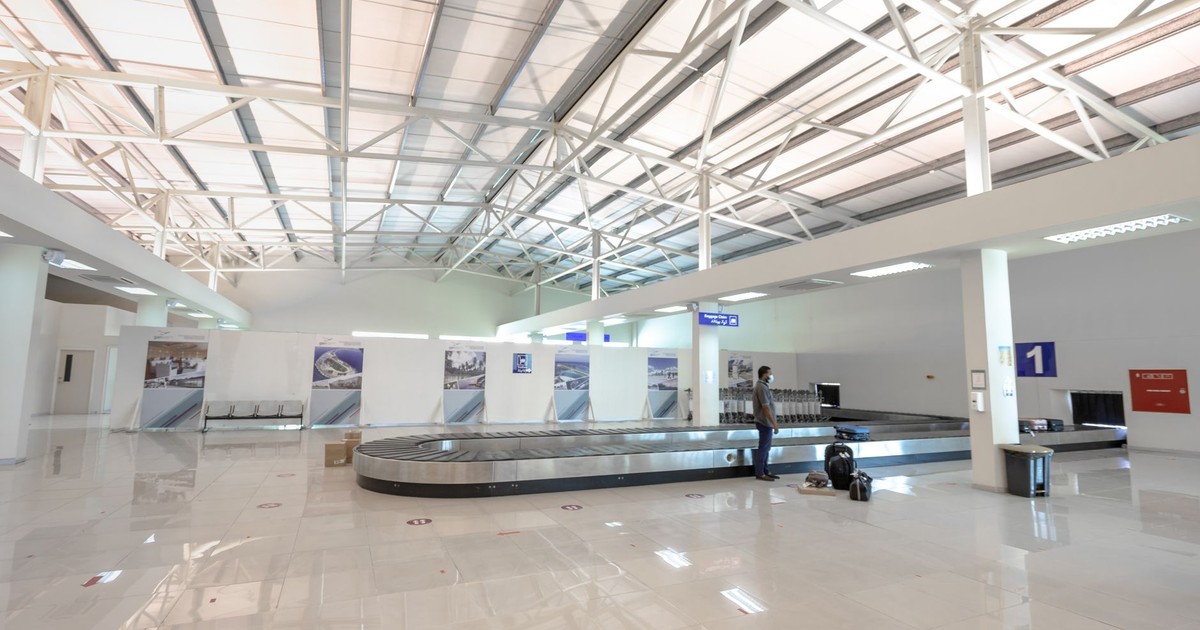
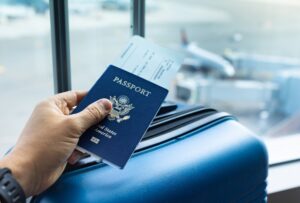
Gate-checked bags remain inaccessible until baggage claim, creating a critical gap when you need your passport most. Image Credit: Asad Photo Maldives / Pexels
Once your bag has been gate-checked, you are no longer able to access it. You must remove all items you may need during the flight before handing it over. There’s no retrieving it mid-flight, no asking a flight attendant to dig it out of the hold. The bag travels in the cargo hold exactly as a checked bag does, and it won’t reappear until the baggage carousel at your destination.
The Points Guy explains that gate-checked bags are stored in a plane’s cargo hold with the rest of the luggage and picked up at baggage claim as you would any other checked bag. On international arrivals, that means they go through customs processing before you can touch them – which only reinforces the timing problem described above. Before you hand any bag to any airline employee at the gate, confirm that your passport is already on your person or in your under-seat bag.
Passport Control Happens Before You Can Reach Your Bag
Passport control officers require immediate document access before travelers can retrieve checked luggage at their destination. Image Credit: Matt Barnard / Pexels
Every traveler arriving on an international flight must clear passport control before entering the country. This applies regardless of nationality, Global Entry status, or how short the flight was. Passport control and customs are two independent checkpoints that travelers often conflate because they occur in sequence on arrival. Passport control focuses on the traveler – officers verify who you are, where you’re from, and whether you’re authorized to enter. The contents of your bag aren’t their concern at this stage.
You reach the immigration officer before you have any access to checked or gate-checked luggage. Once the officer approves entry, a stamp or digital entry record is created. Travelers then proceed to baggage claim and, if applicable, customs. If your passport is in your gate-checked bag, you will be standing at the immigration window empty-handed, and the officer cannot let you proceed to baggage claim to retrieve it. The sequence is fixed.
The U.S. Department of Homeland Security is direct on this point: “Carry your passport – do not pack it in your checked luggage.” The same rule applies to any bag that might become checked at the gate. The DHS guidance applies to visa documents too – the same page states to “carry your visa with you – do not pack it in your checked luggage.” A passport tucked into a carry-on roller’s exterior pocket may as well be in a bag you deliberately checked at the counter.
A Valid Passport Book Is Non-Negotiable for International Air Travel
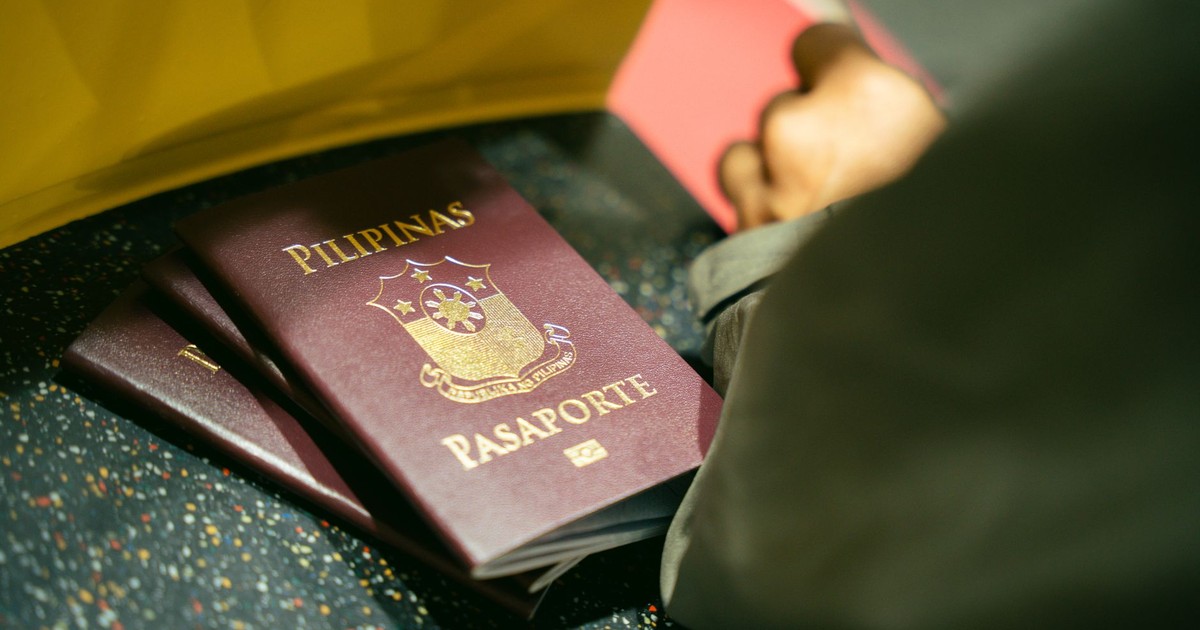
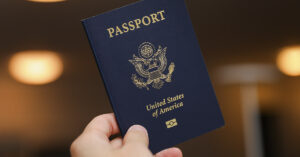
International flights legally mandate valid passports for boarding and entry, making document loss an absolute travel disaster. Image Credit: Kenneth Surillo / Pexels
All passengers must have a valid passport book to travel internationally. A passport card is not accepted for international air travel. This distinction matters because some travelers carry a passport card as a backup, assuming it’s an equivalent document. For international flights, it is not. The book is the only acceptable form.
Most countries also require your passport to be valid for at least six months beyond your planned arrival date – worth verifying before any trip. A fully valid 10-year passport book sitting in cargo is legally useless at the immigration counter. The document must be physically in your possession when you present yourself to an officer.
The U.S. State Department’s lost passport guidance confirms what happens when the physical document is inaccessible: to travel after losing your passport, you must apply for a new one at a U.S. embassy or consulate. Emergency passports issued abroad may be valid for up to one year, compared to the standard 10-year validity for adult passports. Recovering access to your own bag at baggage claim is a far better outcome – but only if you kept the passport with you from the start.
Your Personal Item Is the Only Safe Place to Store Travel Documents
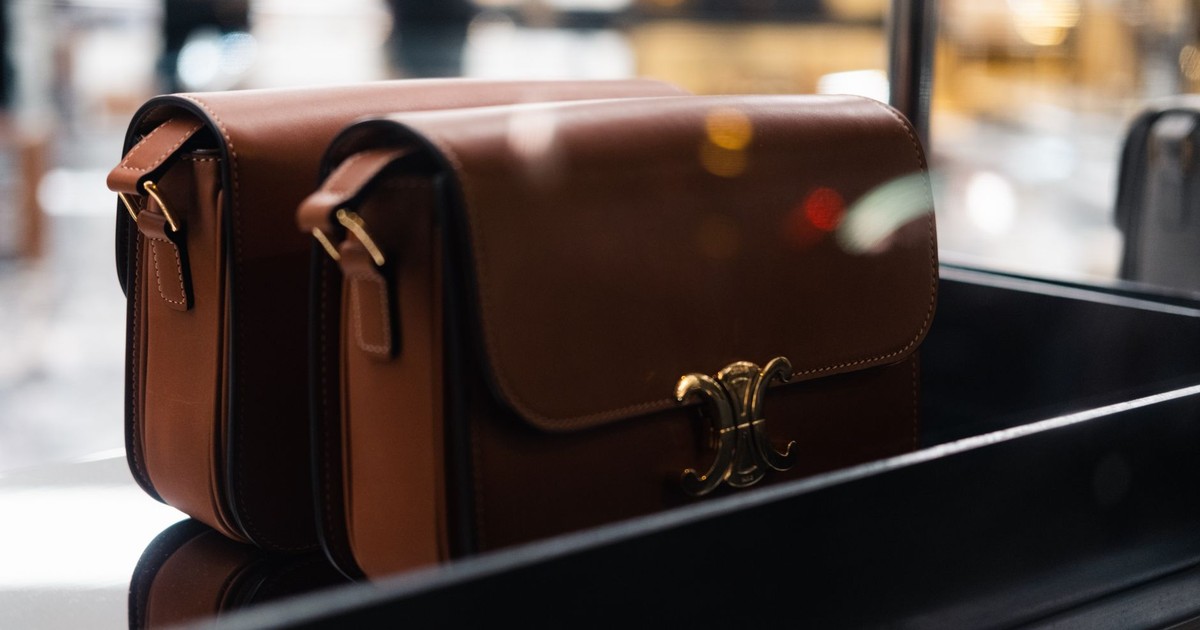
Personal items like crossbody bags bypass gate-checking policies, ensuring your passport stays with you throughout your entire journey. Image Credit: Mathias Reding / Pexels
Airlines allow one personal item in addition to a carry-on. Every airline permits one personal item, which must fit under the seat in front of the passenger – typically around 18 x 14 x 8 inches. Personal items, whether a backpack, tote, or under-seat bag, are never gate-checked. They stay in the cabin because they go under the seat. On any flight where overhead bin space might run out, your personal item is the only guaranteed location for your passport.
The U.S. Department of Homeland Security also advises travelers to carry their visa and not pack it in checked luggage, placing travel documents in the same protected category as the passport. For anyone traveling on a visa, vaccination certificate, or electronic travel authorization printout, the personal item is the right home for all of those.
TSA travel tips note that the agency “strongly recommends you place these items in your carry-on in the event you need immediate access,” referring to medications – and the same logic applies to your passport. Medically necessary liquids over 3.4 ounces are exempt from the standard 3-1-1 liquid rule and must be declared to officers, but the broader principle is identical: anything you can’t function without at your destination belongs in the bag that will never leave your side. TSA guidance covers tablets, liquid medicine, insulin, syringes, and most medical equipment. Passport, visa documents, and medications all belong in one place – the personal item under the seat in front of you.
A small travel wallet worn close to the body is another option, particularly on longer international itineraries where you board multiple legs and gate-check risk compounds with each connection. The roller bag in the overhead bin is the most vulnerable location on the plane for anything you truly cannot lose.
Airport customer service desks offer limited assistance recovering documents from checked bags, making prevention your only reliable option. Image Credit: Josh Withers / Pexels
If you accidentally gate-check a bag with your passport inside, the bag itself is almost certainly on the same aircraft, heading to the same destination. The document is not lost – it’s inaccessible at the wrong moment. The moment you land, alert an airline customer service representative at the arrival gate before you proceed toward immigration. Explain what happened. Airlines have handled this before, and agents may be able to coordinate with ground staff to retrieve the bag from the cargo hold before it reaches the carousel, or at minimum document the situation with immigration officials.
Processing at immigration typically takes a few minutes per traveler under standard conditions, but peak international arrival waves at major hubs – Paris, London, Tokyo – can extend wait times considerably. Arriving at passport control without your document during a busy wave is a situation that can take hours to resolve. Storing your passport in the same interior pocket of your personal item on every trip makes it muscle memory. Before you hand any bag to any airline employee – at the counter, at the gate, on the jet bridge – confirm that the passport is on your person or in the under-seat bag. That habit is worth more than any plan for what to do when things go wrong.
AI Disclaimer: This article was created with the assistance of AI tools and reviewed by a human editor.